Home · Products · Stainless Steel Water Pump · Stainless Steel Sewage Pumps

OEM Stainless Steel Sewage Pump

Contact us

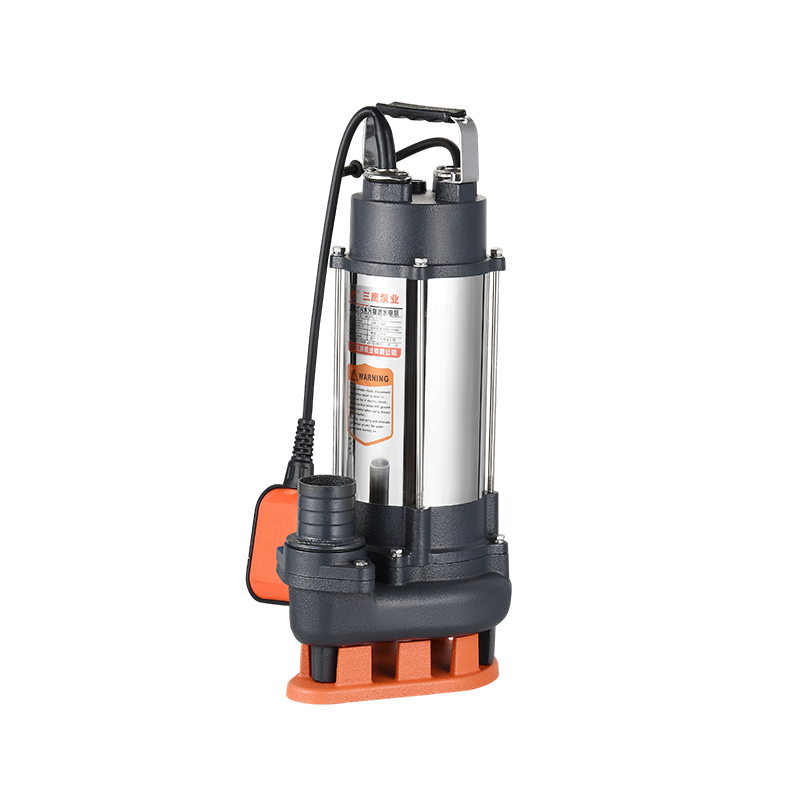
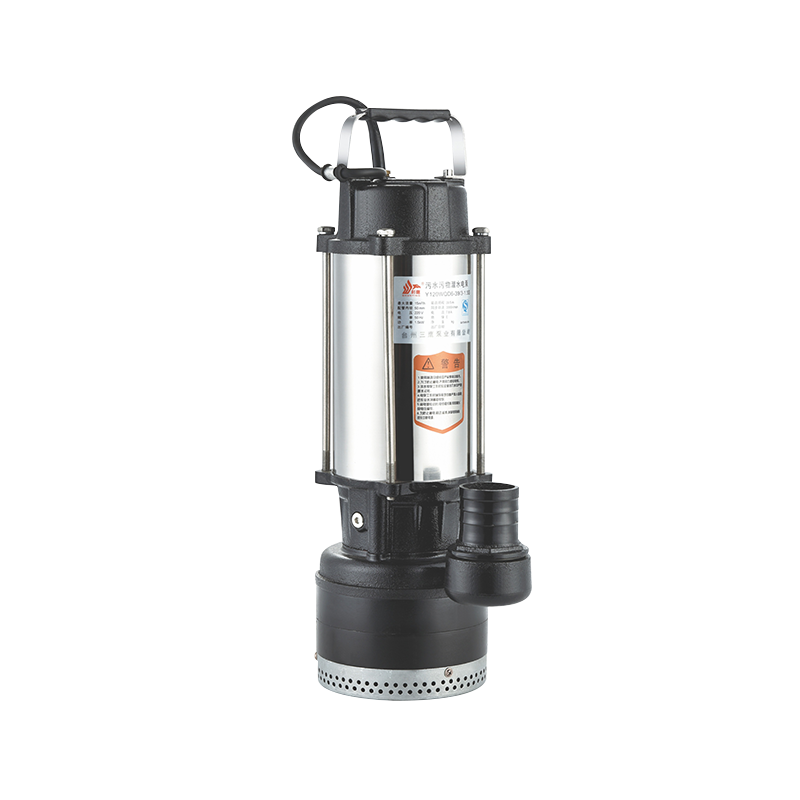
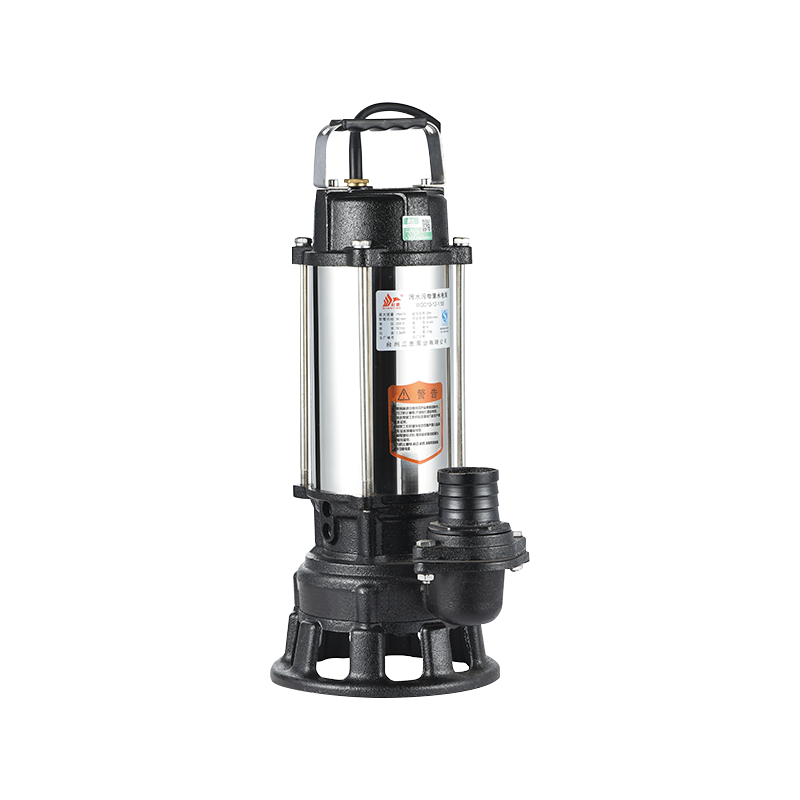
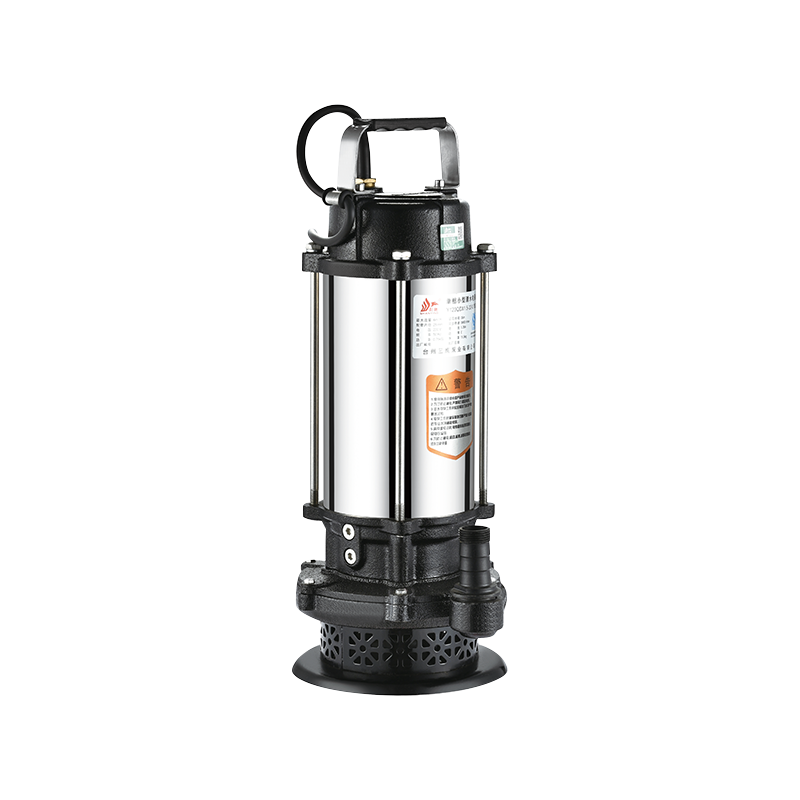
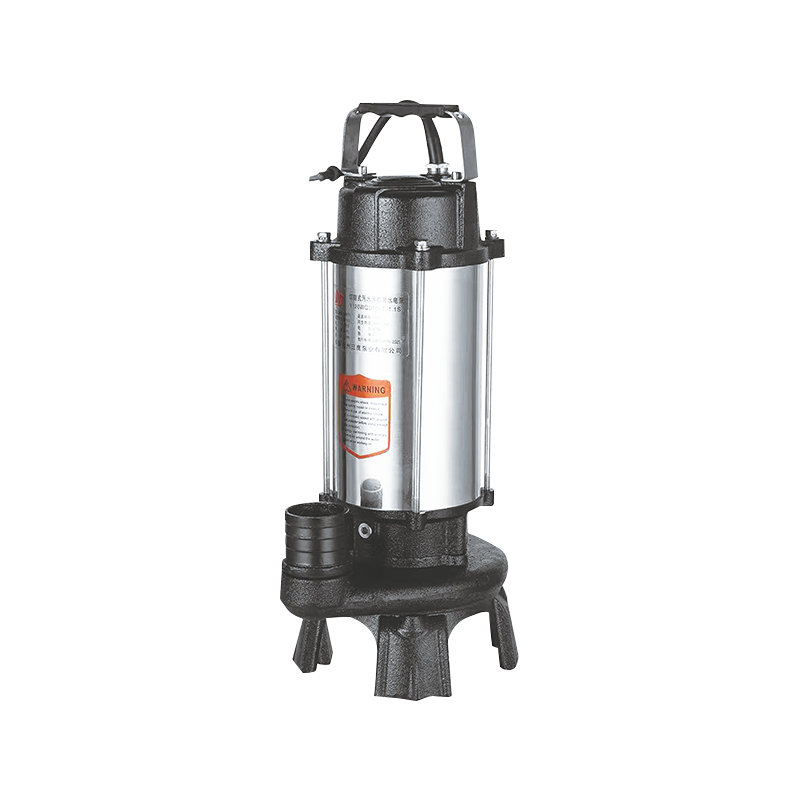
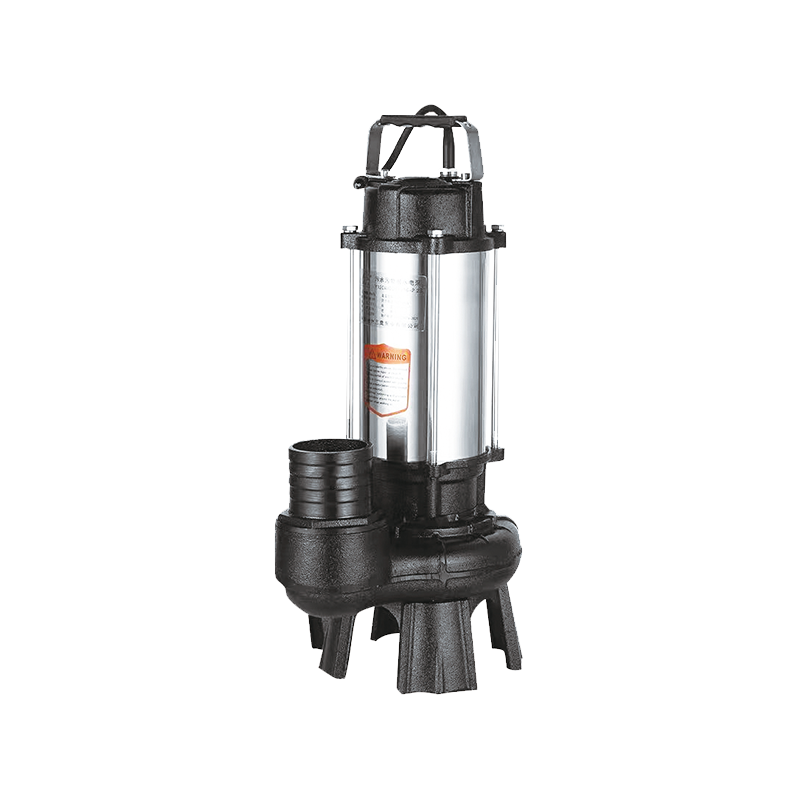
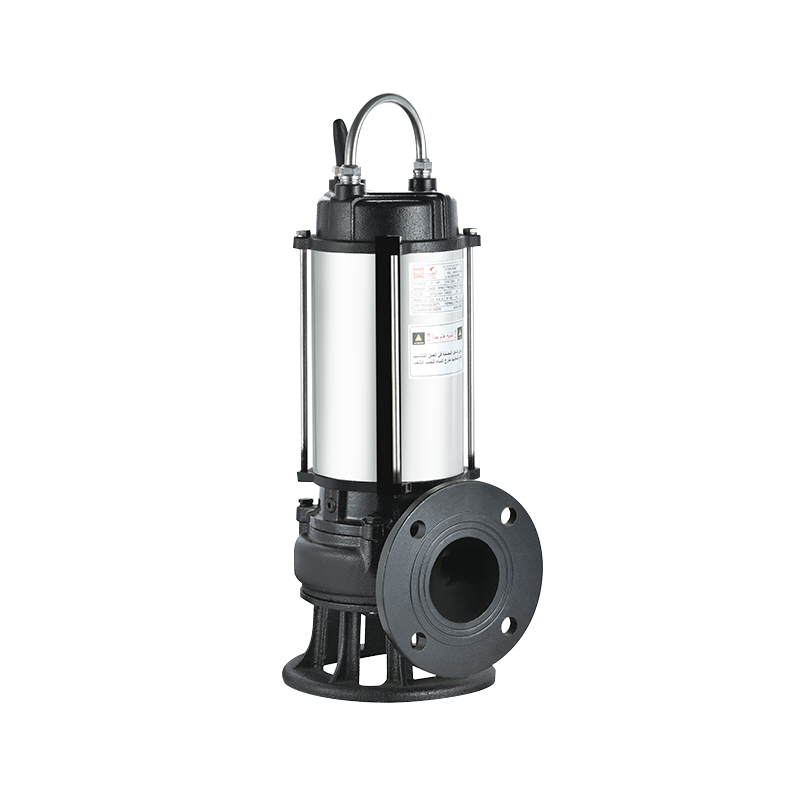
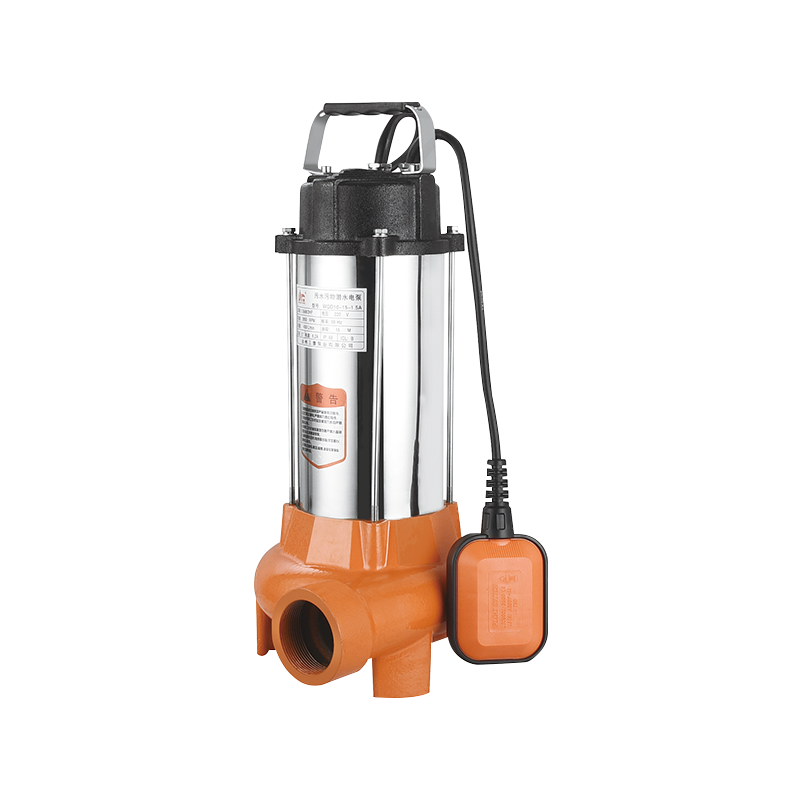
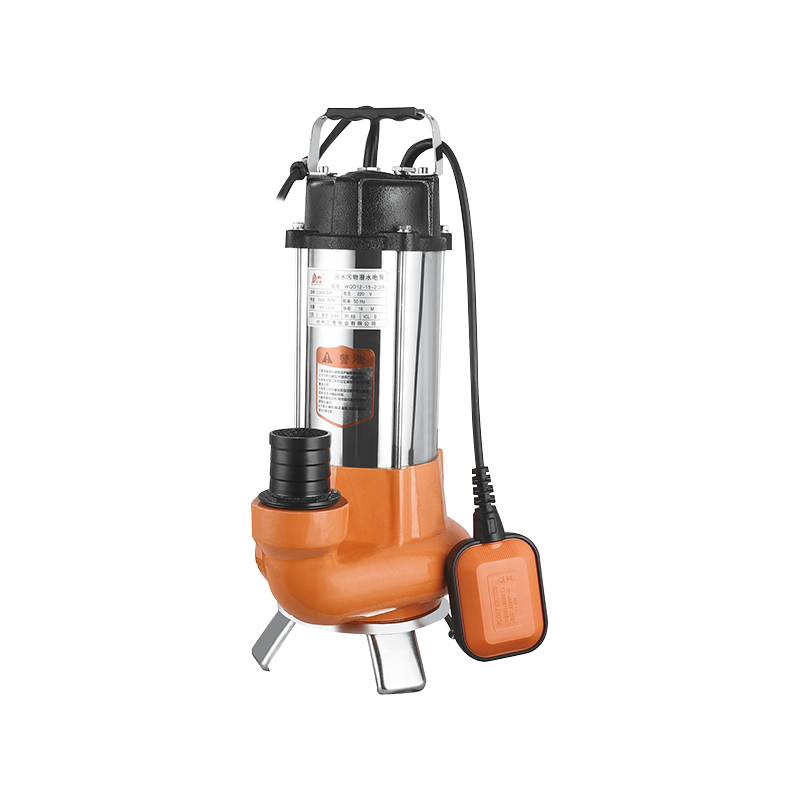
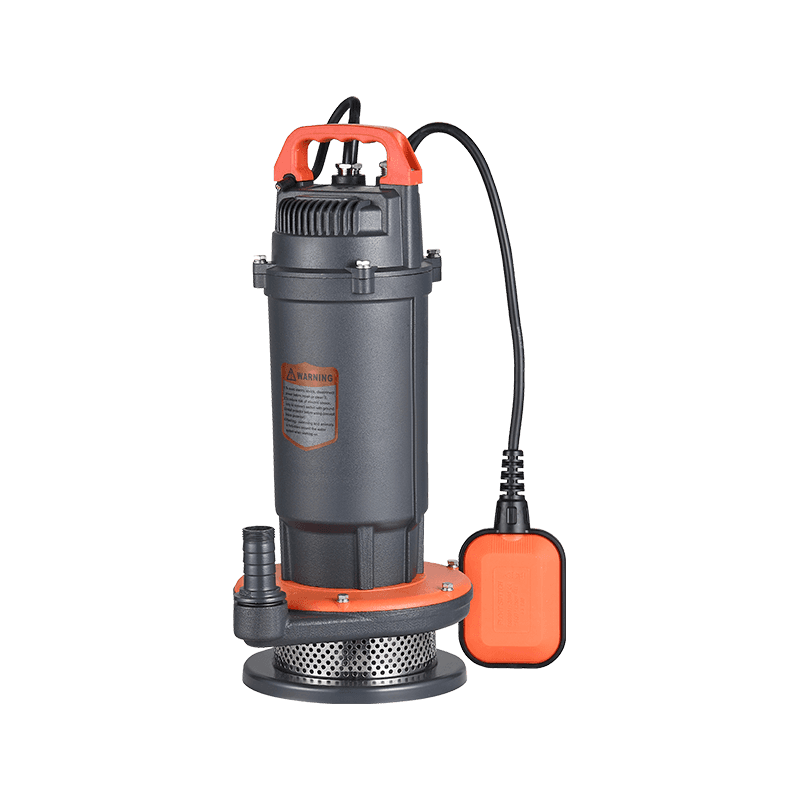
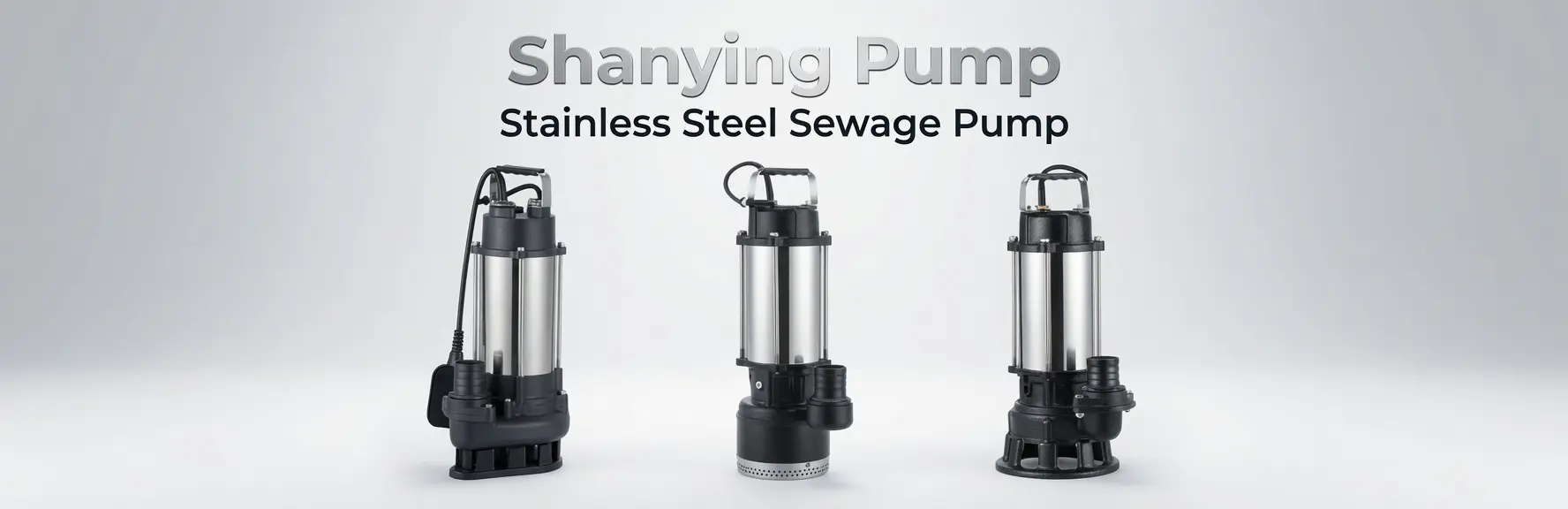
Stainless Steel Sewage Pump

Impurities, suspended particles, mildly corrosive substances in the liquid — this is the territory stainless steel sewage pumps get built for. Pump bodies resist corrosion while impellers resist wear, and together they take on industrial wastewater, domestic sewage, and agricultural drainage without losing stable operation along the way.

Main advantages:

Corrosion-resistant and wear-resistant, suitable for various sewage media

Anti-clogging impeller design for improved drainage efficiency

Compact structure and easy maintenance

Long service life and stable operation

Message Feedback
About
Taizhou Shanying Pump Co., Ltd.

Taizhou Shanying Pump Co., Ltd. is a Stainless Steel Pump Factory with product development, production, sales, and service. The company has a state Class B standard pump testing center, and actively implements the ISO9001 quality assurance system.

Because of our stainless steel sewage pump products with stable quality, energy efficient, safe and reliable, and reasonable prices, favored by the users. Products are widely used in construction, firefighting, environmental protection, drainage, HVAC, and household.

News

Stainless Steel Sewage Pumps for Reliable Wastewater and Drainage Applications

Ordinary clean water pumps hit their limits fast once wastewater, drainage water, or mixed liquids start carrying impurities — that's the gap stainless steel sewage pumps get called in to close. For teams sourcing across international projects, the real question goes beyond whether the pump can move water at all; it's whether the pump holds up reliably under actual working conditions — suspended particles, mild corrosion, sediment, frequent start-stop cycles, all at once. Stronger material resistance, stable discharge performance, practical maintenance — projects across sewage, drainage, agricultural, and industrial environments tend to need exactly this combination, and that's precisely where this product category fits.


What Is a Stainless Steel Sewage Pump?

Liquids that fall short of completely clean — that's the territory a stainless steel sewage pump gets built to transfer. Domestic sewage, industrial wastewater, rainwater mixed with debris, agricultural drainage water, process water carrying suspended solids: these liquid types all fall within its working range.

Standard clean water pumps take a different structural approach; sewage pumps go further, built with designs that cut down on clogging and hold up longer when complex media enters the picture. Rust and corrosion resistance also step up a notch through stainless steel construction, holding steady across many wet or mildly corrosive environments.

Stainless Steel Sewage Pump

Typical product features include:

  • Stainless steel pump body for corrosion resistance
  • Impeller structure designed for sewage and drainage media
  • Ability to handle suspended particles or impurities
  • Compact design for installation in pits, tanks, or drainage areas
  • Stable operation in intermittent or continuous drainage conditions
  • Easier maintenance compared with unsuitable clean water pump alternatives

Impurities in the liquid, site environments demanding stronger material protection than ordinary pump materials can offer — these two conditions are what typically steer procurement teams toward stainless steel sewage pumps.


Main Application Areas

Matching the actual working environment — that's what determines whether a stainless steel sewage pump delivers real value. Application analysis deserves priority over price comparison or model selection, especially in cross-border procurement.

Industrial Wastewater Transfer

Fine particles, residues, mild chemical components — industrial sites often produce wastewater carrying exactly these. Collection tanks, drainage pits, treatment systems, production areas: stainless steel sewage pumps can transfer wastewater from all of these locations.

Common industrial scenarios include:

  • Workshop wastewater discharge
  • Process water transfer
  • Environmental protection systems
  • Factory drainage pits
  • Wastewater collection and treatment support

Abrasive solids, oil, fibers, corrosive chemicals, high-temperature elements — confirming whether the liquid contains any of these should come before selecting a pump for industrial wastewater. Pump material, impeller type, sealing structure, motor configuration all shift depending on these conditions.

Building and Commercial Drainage

Removing wastewater from low-lying locations is a recurring need across commercial buildings, residential complexes, basements, underground parking areas, and public facilities. Sewage lifting, basement drainage, rainwater discharge, general wastewater removal — stainless steel sewage pumps suit all of these building applications.

Stable operation carries real weight here, since drainage failure can trigger flooding, system interruption, and maintenance costs. Expected operating frequency, installation depth, pipe layout, control requirements — these factors deserve consideration before finalizing a selection.

Agricultural Drainage and Rural Water Management

Completely clean is rarely how agricultural water turns out. Mud, sand, plant fibers, organic matter, sediment — any of these may show up, and a stainless steel sewage pump can support drainage from fields, ponds, ditches, livestock areas, and irrigation-related water channels.

For agricultural use, practical considerations include:

  • Flow capacity for fast drainage
  • Resistance to clogging
  • Portability or fixed installation needs
  • Power supply conditions
  • Ability to handle muddy or particle-containing water

Downtime in irrigation and drainage operations tends to drop when a suitable sewage pump is in place — that holds especially true during rainy seasons or at remote working sites.

Environmental Engineering and Wastewater Treatment

Changing liquid conditions are the norm at wastewater treatment facilities and environmental engineering projects, and pumps need to operate reliably through them. Water collection, transfer, pre-treatment, drainage, supporting processes — stainless steel sewage pumps may be used across all of these.

For these applications, reliability, service access, compatibility with the wastewater composition, and long-term operating cost deserve focus well beyond just the initial purchase price.


How to Judge Whether This Pump Type Is Suitable

Every wastewater condition doesn't automatically call for a stainless steel sewage pump — correct selection hinges on liquid properties, operating requirements, and installation design working together.

Check the Liquid Condition

Defining what the pump will handle comes first. Identifying the following matters:

  • Whether the liquid is sewage, wastewater, rainwater, or industrial fluid
  • Whether it contains particles, fibers, sand, mud, or sludge
  • Approximate solid size and concentration
  • Whether the fluid is mildly corrosive or chemically active
  • Liquid temperature and viscosity
  • Whether the liquid contains oil or sticky materials

Heavy sludge, strong corrosive chemicals, large hard solids, highly abrasive materials — when any of these show up in the liquid, the pump configuration needs careful review before selection moves forward.

Confirm Flow Rate and Head

Two core parameters drive pump selection: flow rate and head. Flow rate refers to the volume of liquid the pump needs to move within a specific time, while head refers to the height and resistance the pump must overcome during discharge.

Estimating the required head calls for factoring in:

  • Vertical lifting height
  • Horizontal pipeline distance
  • Pipe diameter
  • Elbows, valves, and fittings
  • Required discharge pressure

Energy use tends to climb and operation grows unstable when a pump runs oversized; an undersized pump, on the other hand, may fail to discharge wastewater efficiently. Proper selection strikes the balance between performance, energy consumption, and service life.

Review Installation Conditions

Pump configuration shifts depending on the installation environment. Drainage pits, wastewater tanks, basements, construction sites, agricultural channels, collection wells — stainless steel sewage pumps may end up installed in any of these settings.

Important installation factors include:

  • Available installation space
  • Fixed or portable operation
  • Submerged depth or dry location requirements
  • Outlet connection size
  • Cable length and protection
  • Control method, such as manual operation or float switch control
  • Accessibility for inspection and cleaning

Maintenance access deserves attention during system design for permanent drainage systems. A pump that's difficult to reach may drive up future service costs.


Key Selection Factors

When purchasing stainless steel sewage pumps for projects, distribution, or OEM-related demand, buyers should focus on practical matching rather than only comparing product names.

Selection Factor What to Confirm Why It Matters
Liquid type Sewage, wastewater, drainage water, or mixed fluid Determines pump suitability and material requirements
Solid content Particle size, fiber content, sediment level Affects impeller choice and anti-clogging performance
Flow requirement Required capacity per hour or per minute Ensures the pump can meet drainage demand
Total head Lifting height and pipeline resistance Influences motor power and pump performance
Installation method Pit, tank, basement, well, or mobile use Determines structure and connection needs
Power supply Voltage, frequency, phase Ensures compatibility with the local market

A clear technical inquiry helps the supplier recommend a pump that fits the operating condition, reducing the risk of mismatch after delivery.


Why Stainless Steel Construction Is Important

Sewage pump performance hinges heavily on material selection. Corrosion resistance and surface durability requirements often steer the choice toward stainless steel, and in wet, humid, or mildly corrosive environments, service life tends to extend well beyond what rust-prone materials can offer.

The advantages of stainless steel construction may include:

  • Better resistance to corrosion in many water environments
  • Cleaner surface finish for certain commercial or industrial uses
  • Improved durability in variable wastewater conditions
  • Reduced risk of rust-related damage
  • Suitability for drainage systems requiring stronger material protection

A universal solution for all chemicals, though, stainless steel is not. Strong acids, strong alkalis, high chloride levels, special industrial chemicals — when the liquid contains any of these, detailed fluid information needs providing before the pump gets confirmed.


Why Work with a Pump Manufacturer

Receiving a price list is only a small part of choosing a pump manufacturer for project teams sourcing internationally. A suitable supplier goes further — evaluating working conditions, recommending practical pump configurations, and supporting stable procurement for project or distribution needs.

Shanying Pump offers product categories including stainless steel water pumps, intelligent water pumps, and solar water pumps, covering different water supply, drainage, and fluid transfer requirements. For stainless steel sewage pump selection, the manufacturer can assist in matching pump structure, application conditions, and market needs based on the information provided by project teams.

Construction drainage, building services, agricultural water management, wastewater treatment, industrial maintenance — importers and distributors serving these customer segments will find this category relevant. Engineering teams, too, gain a practical solution here, one that fits situations where wastewater contains impurities and clean water pumps fall short.


Inquiry Guidance

Liquid type, required flow rate, total head, installation method, power supply, application environment — providing these details helps generate a suitable stainless steel sewage pump recommendation. Taizhou Shanying Pump Co., Ltd. can support your procurement process with product selection guidance for wastewater transfer, sewage discharge, industrial drainage, agricultural drainage, and building drainage projects.