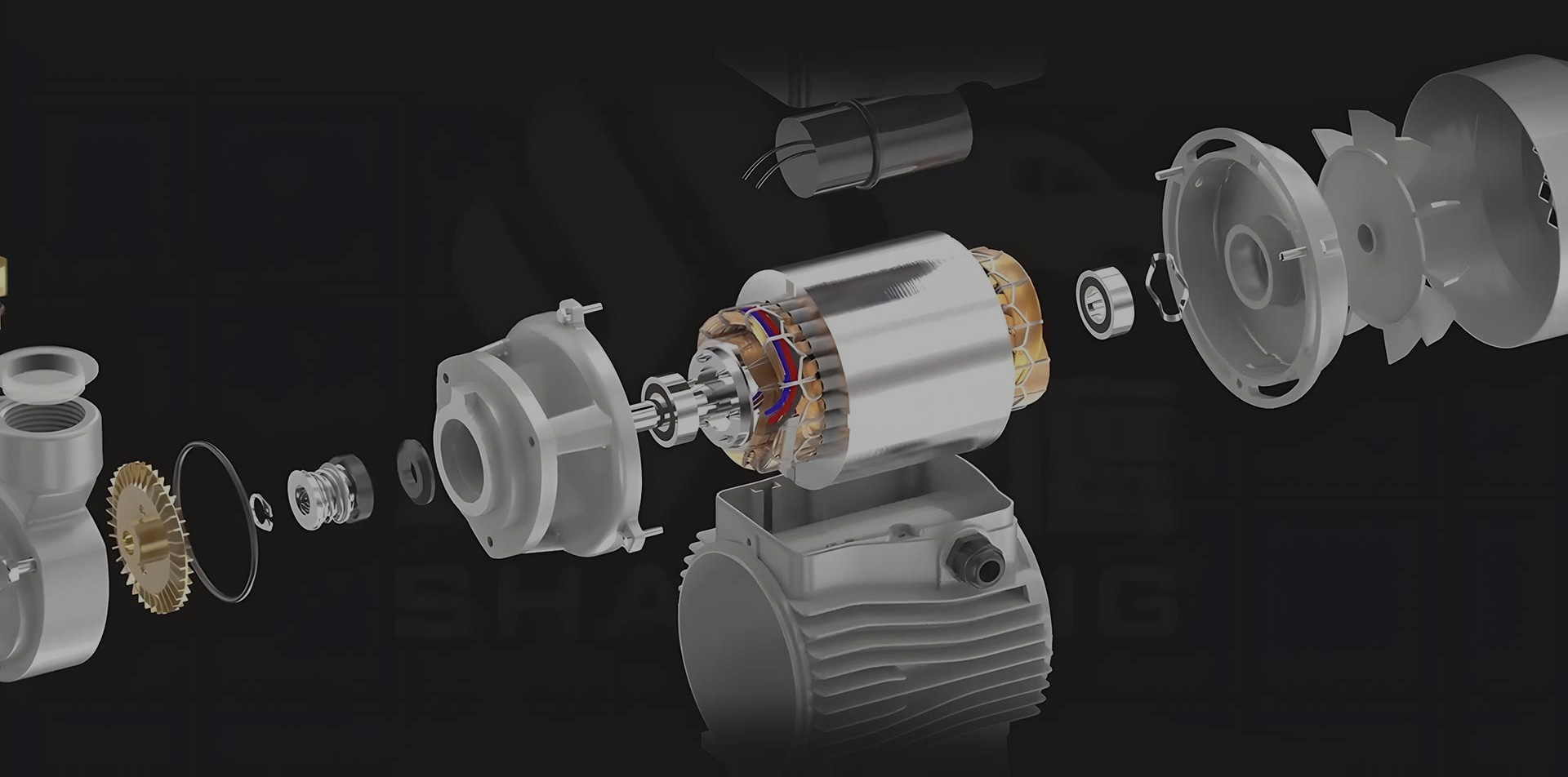
Flow, head, liquid properties, installation conditions, power supply — a clear grasp of all five underpins correct pump selection. Motor power or outlet size alone, used as the sole basis for choosing, tends to lead somewhere unwanted: poor performance, or energy consumption that didn't need to happen.
Flow Rate
The volume of liquid a pump can deliver within a specific time — that's what flow rate measures, typically expressed in cubic meters per hour, liters per minute, or gallons per minute.
Actual water demand from the system should drive the required flow rate figure. Set it too low, and the system falls short of the water it needs. Push it too high, and the pump ends up running outside its efficient working range — higher energy use, vibration, and shortened component life tend to follow.
Total Head
Among the parameters that matter most for a high head centrifugal pump, total head sits near the top — covering both the vertical lifting height and every resistance loss the system carries.
A complete head calculation tends to draw on:
- Height difference between water source and outlet
- Pipeline friction loss
- Loss from elbows, valves, filters, and fittings
- Required outlet pressure
- Safety margin for stable operation
Friction loss can add up fast in long-distance water transfer or systems packed with pipeline components. Getting the head calculation right keeps the pump sized appropriately — capable of meeting the required pressure without going oversized in the process.
Pump Material
Corrosion resistance, clean appearance, and broad suitability across water transfer applications are usually what tip the choice toward stainless steel centrifugal pumps. Wetted parts made from stainless steel cut down on rust formation, proving especially useful wherever water quality raises concern.
Selecting the right material means weighing:
- Liquid composition
- Chloride content
- Operating temperature
- Surrounding environment
- Corrosion potential
- Maintenance conditions
Ordinary clean water and compatible liquids sit well within stainless steel's reliable performance zone. Chemically aggressive media, though, call for a material review based on the specific liquid characteristics involved.
Motor and Power Supply
Selected hydraulic performance needs to line up with motor configuration — the motor has to supply enough power at the duty point, and do so without slipping into frequent overload.
Details worth confirming include:
- Voltage
- Frequency
- Phase
- Operating mode
- Ambient temperature
- Installation location
- Protection requirements
Power standards shift from region to region, making electrical compatibility something worth confirming before installation gets underway.


 English
 中文简体
中文简体