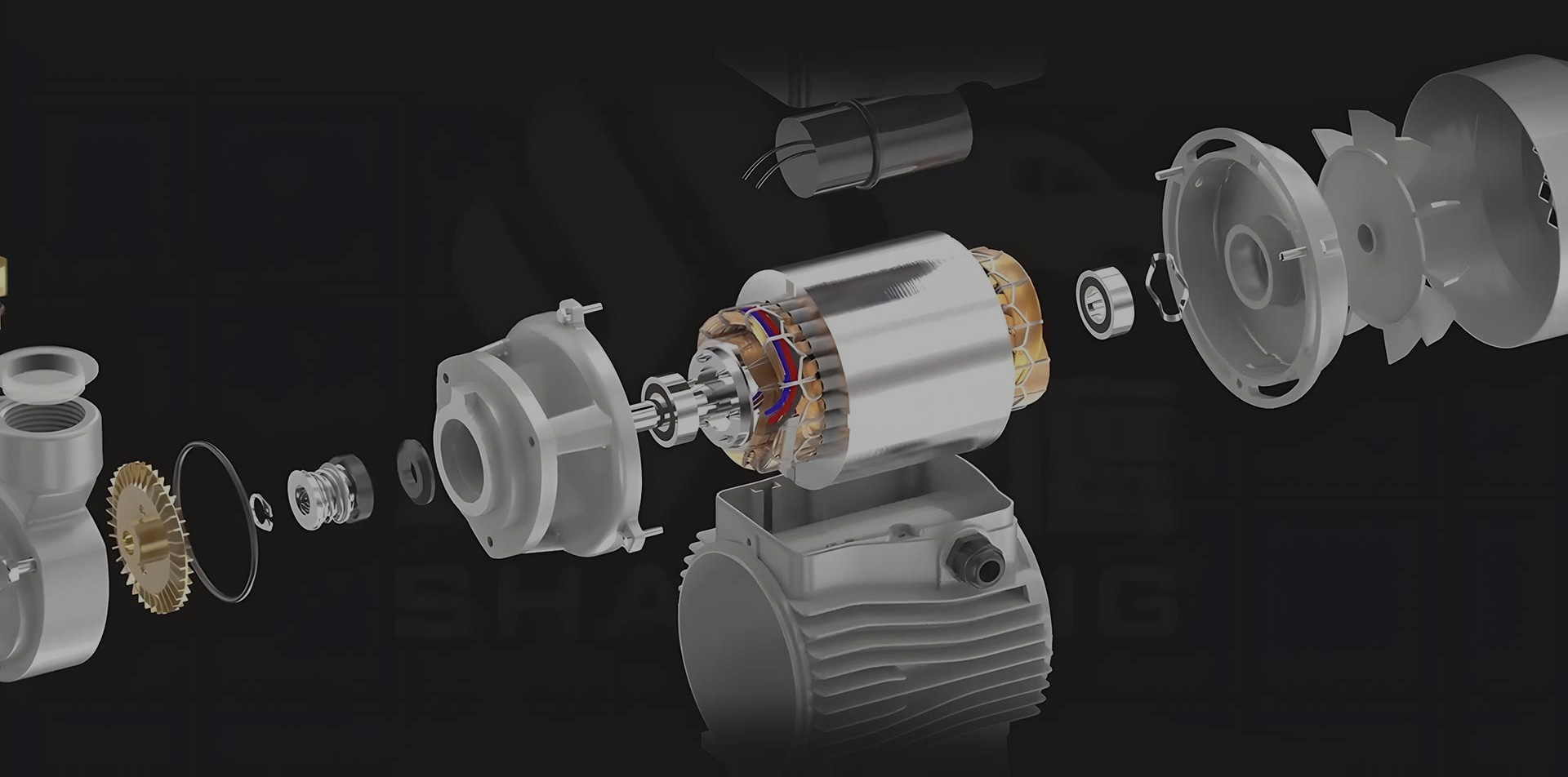
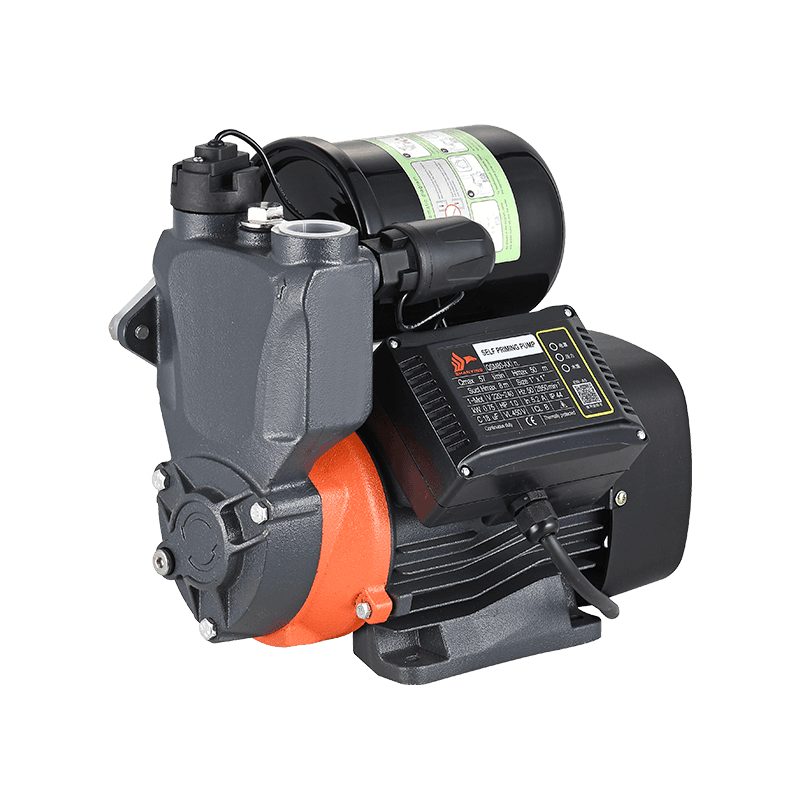
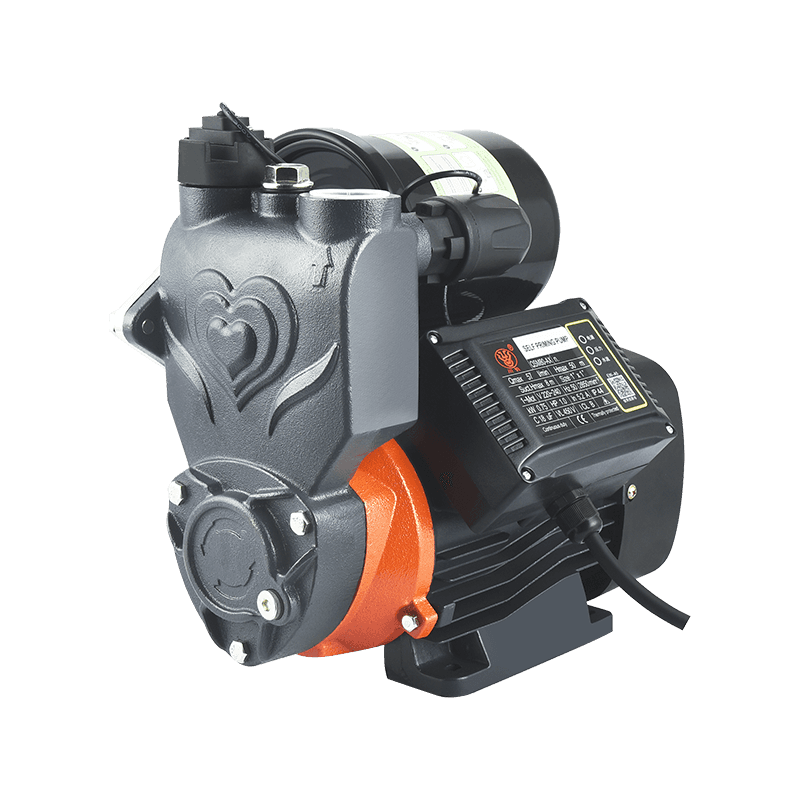
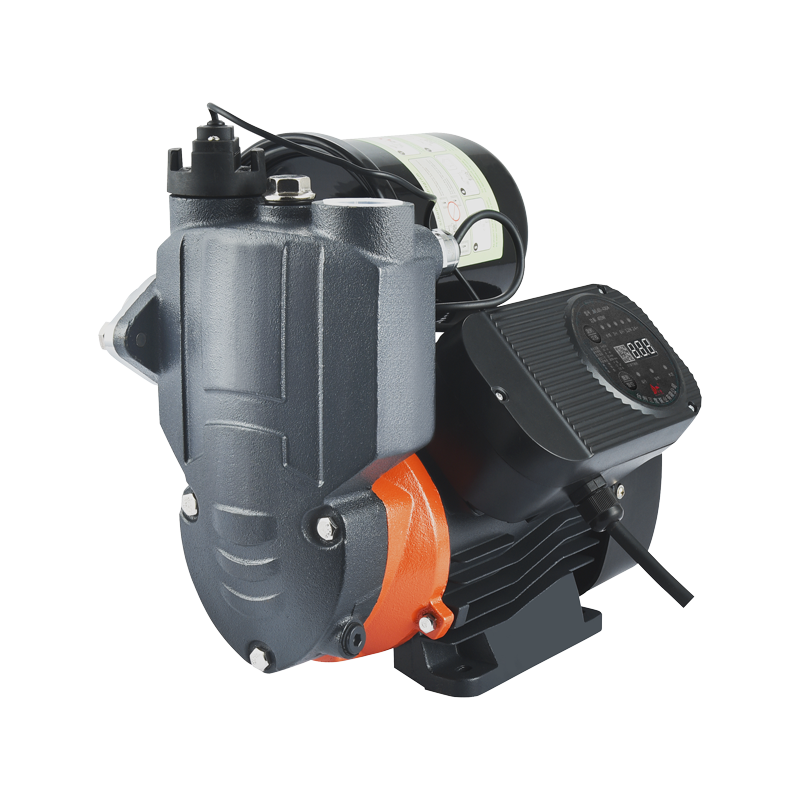
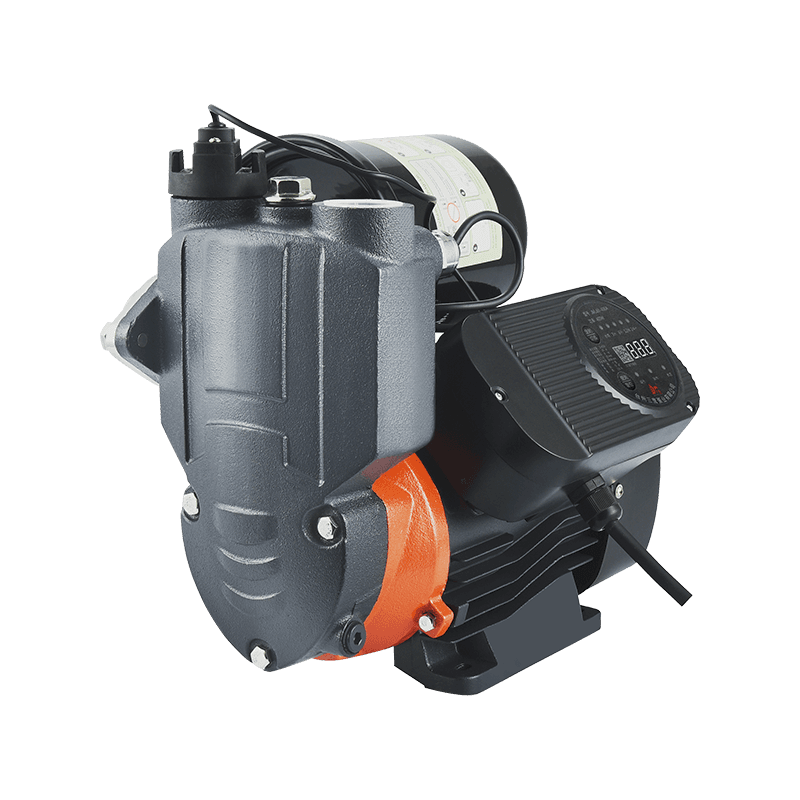
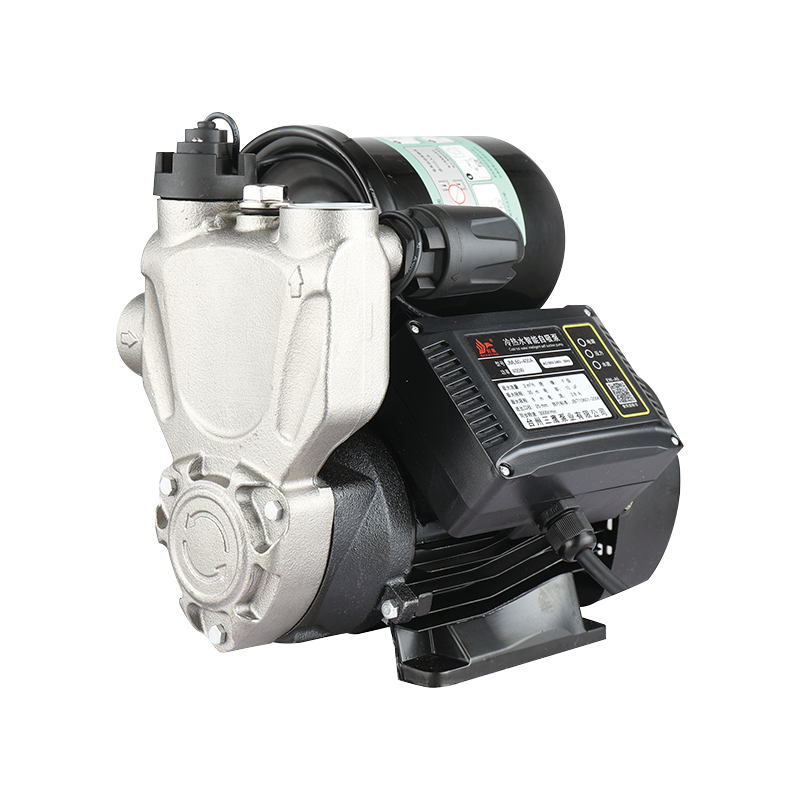
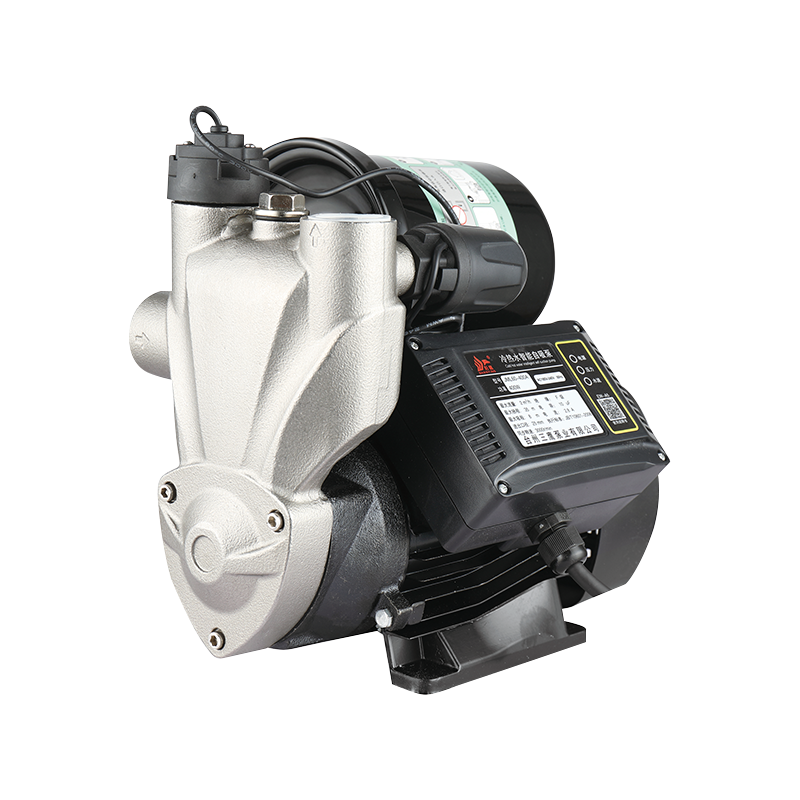
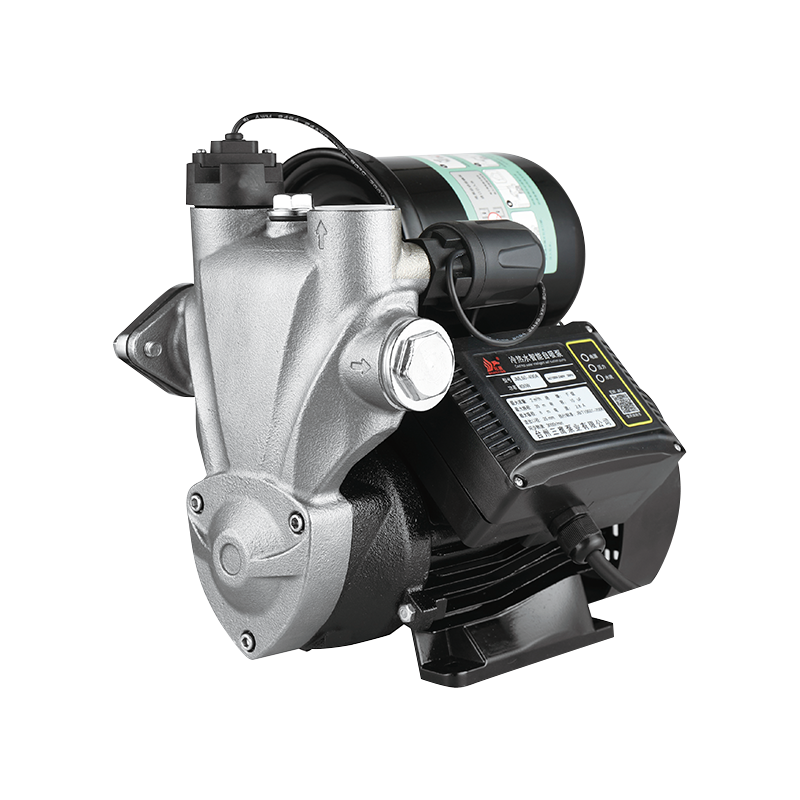
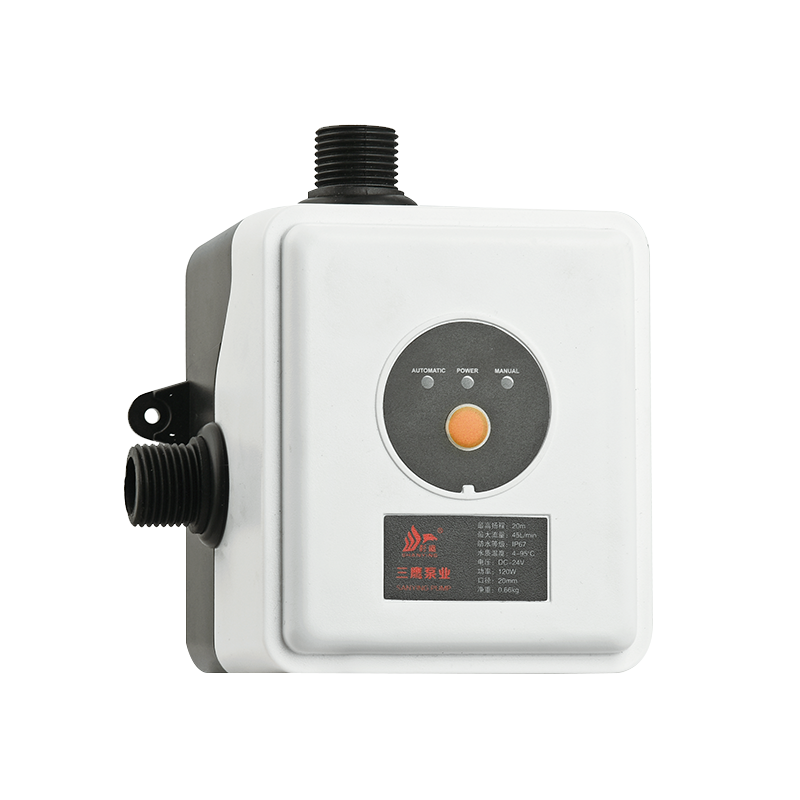
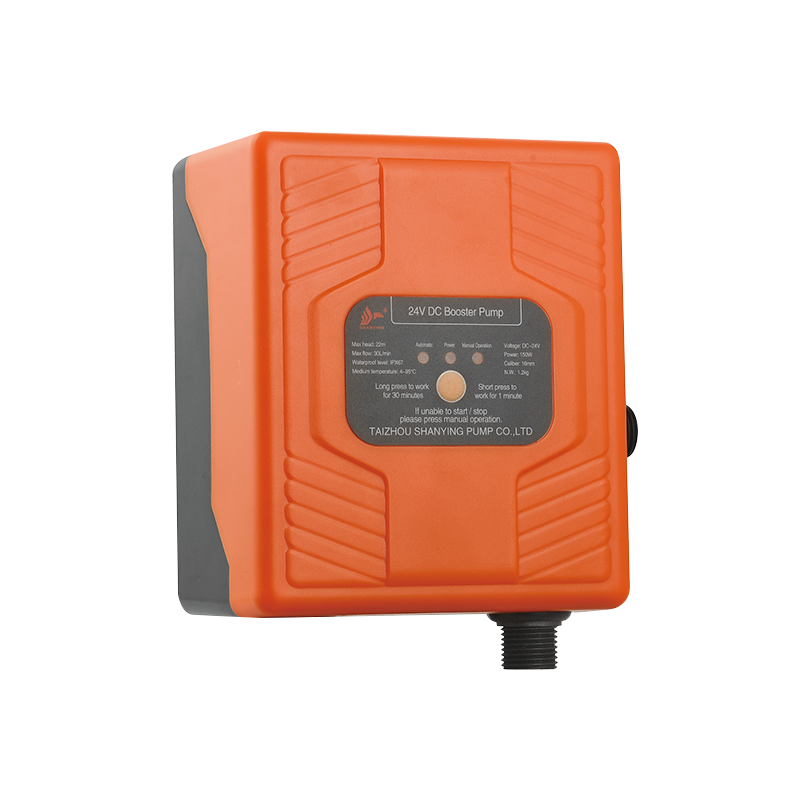
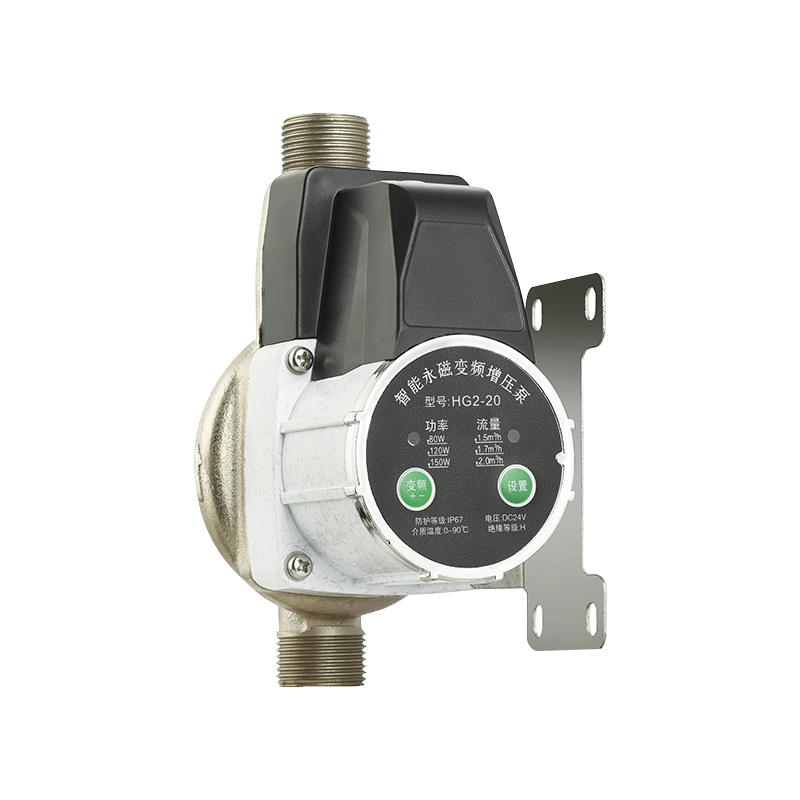
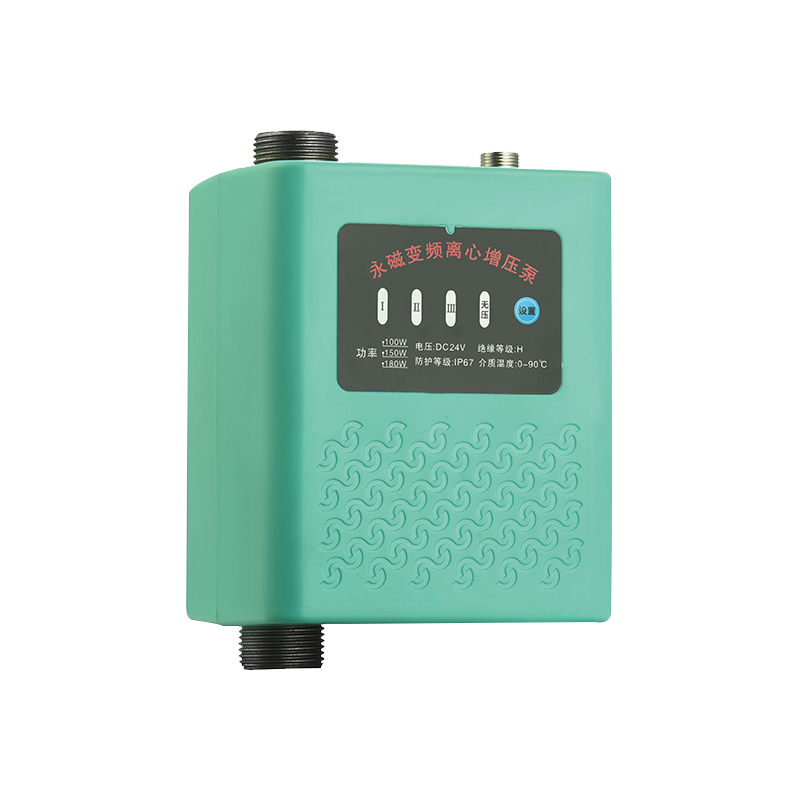
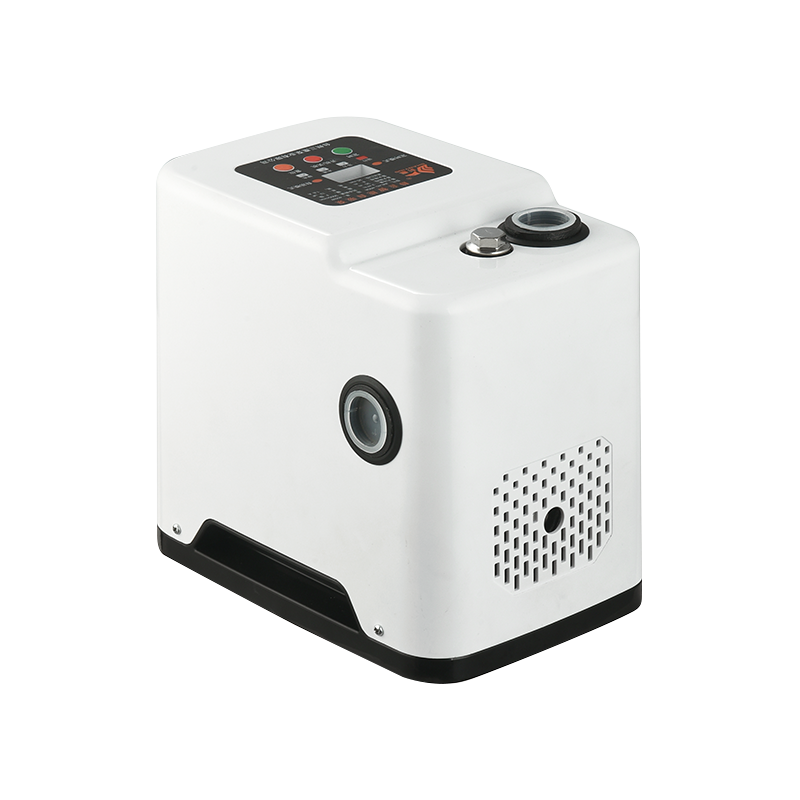
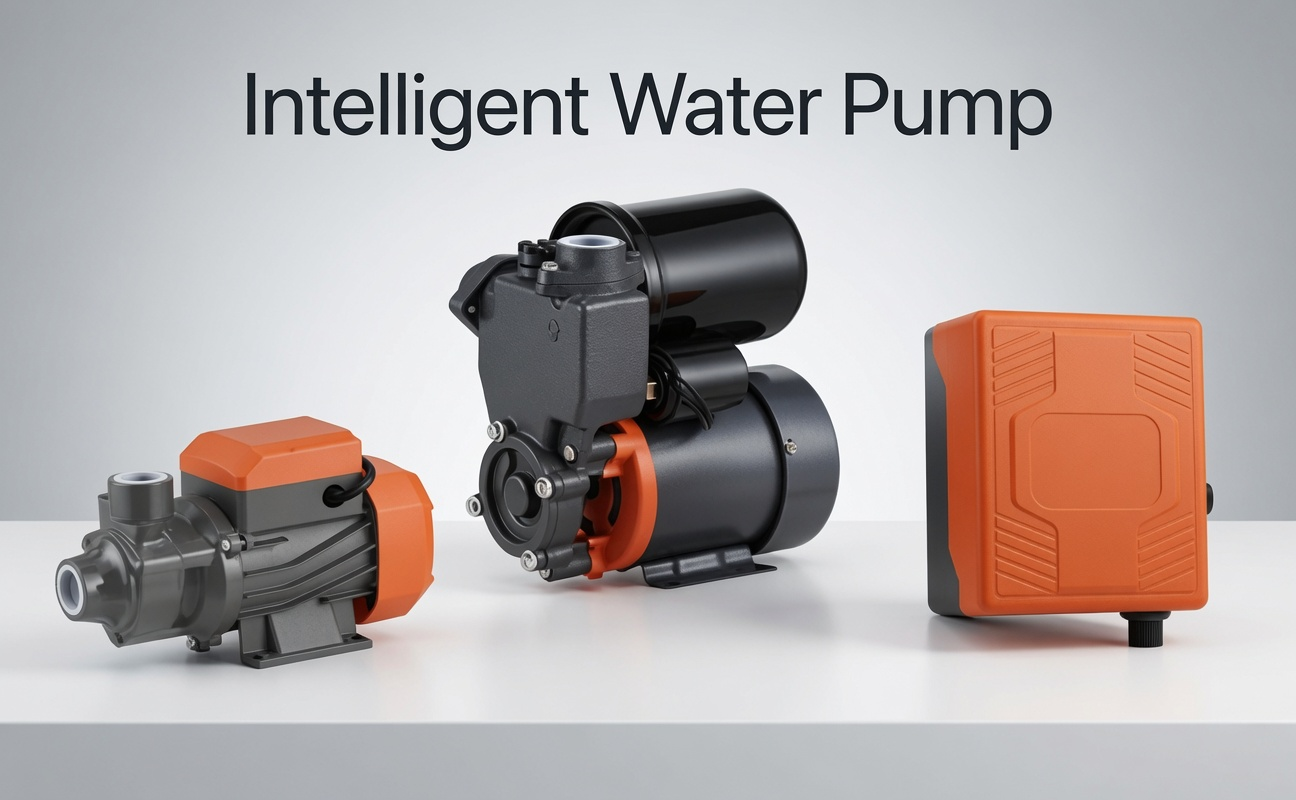
Stable operation gets a lot easier to ensure with correct selection, sidestepping issues such as insufficient pressure, excessive cycling, noise, overheating, and early component wear.
Flow Rate
The system's real water demand should set the benchmark for flow rate. The number of outlets and expected simultaneous use shape this figure for building supply; watering area, nozzle type, and pipeline layout shape it for irrigation; required circulation volume shapes it for equipment cooling.
Head and Pressure
Overcoming vertical height and pipeline resistance — that's what head refers to in terms of pump capability. Pressure demand frequently becomes a key selection point in intelligent water supply systems.
Total head should include:
- Vertical lifting height
- Pipeline friction loss
- Valve and fitting resistance
- Filter resistance
- Required outlet pressure
- Safety margin for stable operation
Underestimate the head, and the system may fall short of expected pressure. Oversize it, and inefficient operation or excessive pressure may follow instead.
Control Function
Different intelligent pumps may offer different control functions. Automatic start and stop gets the focus in some models, while constant pressure operation or more advanced monitoring takes priority in others.
Common control requirements include:
- Automatic start-stop
- Constant pressure control
- Dry-running protection
- Overload protection
- Fault alarm
- Display interface
- Remote monitoring compatibility, where applicable
Actual management needs of the system should guide which control function gets selected.
Liquid and Material Compatibility
Clean water, or liquids sharing water-like properties, make up the typical territory for most intelligent water pumps. Liquid temperature, cleanliness, chemical characteristics, and corrosion risk all deserve confirmation before selection.
Filtration may become necessary to protect the pump and sensors if the liquid contains sand, scale, fibers, or particles.
Power Supply and Installation
The pump's electrical requirements need to line up with power conditions. Voltage, frequency, phase, cable arrangement, and installation environment all call for confirmation before use.
Installation points include:
- Stable foundation
- Proper inlet and outlet pipe sizing
- Protection from rain or direct exposure when required
- Sufficient ventilation
- Easy access for inspection
- Correct sensor and controller positioning


 English
 中文简体
中文简体