

 English
 中文简体



Home · News · Industry News · Water Pump Frequency Selection: Compare the Correct 50 Hz or 60 Hz Version
Industry News
Water Pump Frequency Selection: Compare the Correct 50 Hz or 60 Hz Version
2026-10-23A pump quotation can name a model while leaving the electrical supply frequency unclear. For an export order, water pump frequency selection should be settled before performance data, motor details and packing labels are approved. The buyer needs the offered version and its supporting information, rather than a general assumption based on the destination country.
For distributors, equipment builders and project purchasers, a useful comparison connects the actual site supply with the complete pump and motor assembly. A model name, photograph or maximum catalogue figure cannot establish that connection by itself. Request version-specific documents before selecting an operating arrangement.
Identify the site supply and the offered version
Identify the exact pump version
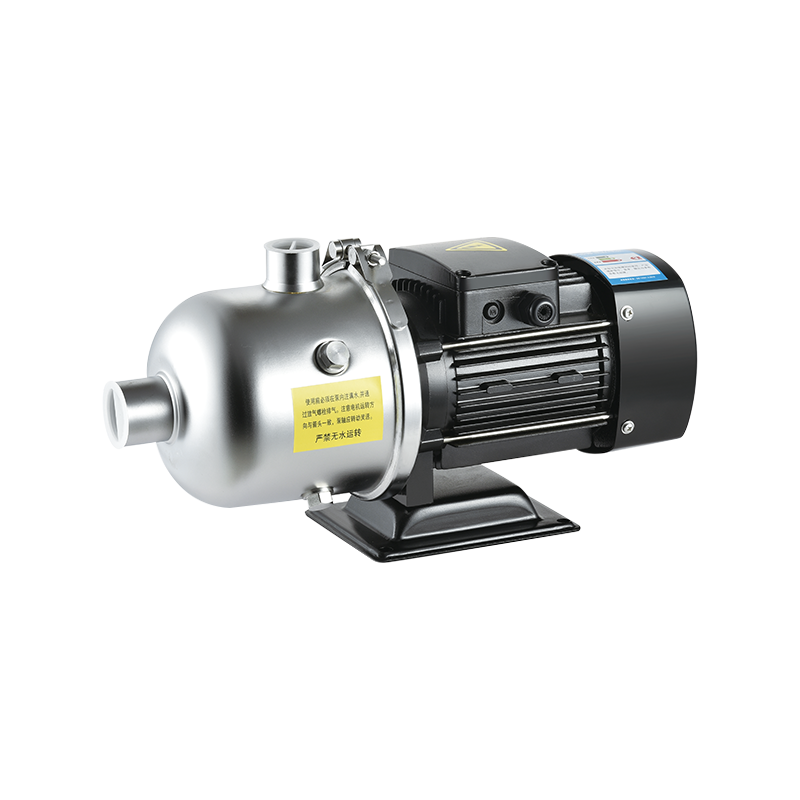
Record the pump model, motor version and any controller included in the offer. For a multistage centrifugal pump, keep the actual series and configuration beside its electrical and hydraulic information. A broad category description may cover products with different motor and control arrangements.
Ask the supplier to confirm whether the proposed version is intended for the stated supply conditions. Do not assume that two visually identical pumps share the same rating. Likewise, a catalogue covering several destinations should not be treated as confirmation that every listed model is available for each frequency.
Keep the quotation reference and document revision together. If the supplier proposes an alternative motor or controller, review the complete offered assembly again. A component substitution should not silently carry over performance or compatibility information from the original version.
Collect site supply information before comparing offers
Have the responsible project personnel confirm the site voltage, frequency and phase arrangement. State these explicitly in the enquiry. Destination is useful context, but the actual supply at the installation point is the information the supplier needs to review.
If the pump will be powered through a generator, converter or controller, describe that arrangement for engineering review. Do not assume a device changes all supply characteristics or automatically makes an unsuitable pump compatible. Its ratings, limitations and relationship to the complete system need to be confirmed.
Keep electrical design and installation decisions with the qualified project team. The purchasing checklist should obtain the necessary product information and identify open questions. It should not prescribe wiring, protection settings or a method of adapting an unapproved motor to a different supply.
Compare data for the same hydraulic duty
Request matching 50 Hz and 60 Hz pump data
50 Hz and 60 Hz pump data should be labelled with the actual version and operating conditions. Request the applicable performance curve for each offered configuration. Compare the required flow and head on that curve rather than combining a flow figure from one document with a head figure from another.
Ask the supplier to identify the motor and speed information associated with the curve. If multiple impeller or stage arrangements are offered under a related model name, make the selected arrangement explicit. The comparison should refer to complete offered products, not an assumed conversion between labels.
Do not apply a simple numerical multiplier and present the result as guaranteed performance. Changes in the offered assembly, motor loading and permitted operating range require review. Use the supplier's confirmed data and obtain engineering clarification where the available documents do not describe the actual version.
Keep the comparison on one operating requirement
| Comparison field | Information required | Why it belongs in the record |
|---|---|---|
| Site supply | Confirmed voltage, frequency and phase | Defines the intended electrical condition |
| Pump version | Complete model and configuration | Identifies the offered product |
| Required duty | Flow and head at the intended operating point | Provides a common comparison basis |
| Applicable curve | Version, frequency and document revision | Connects performance to the offer |
| Motor information | Nameplate and relevant rating data | Supports compatibility review |
| Control scope | Included controller and approved arrangement | Clarifies the complete assembly |
Also provide the liquid and relevant operating conditions required for selection. Frequency does not replace the normal review of liquid compatibility, temperature and system requirements. A correctly labelled electrical version still needs to suit the intended hydraulic application.
Make pump nameplate confirmation part of approval
Pump nameplate confirmation should connect the offered model to its documented rating. Request a readable nameplate photograph or approved label artwork for the actual version. Check that it agrees with the quotation and relevant technical documents before quantity production or dispatch.
Where a sample is supplied, retain its identification and compare it with the agreed order. A sample built for one electrical arrangement should not be used as evidence for a different production version without supplier confirmation. Record differences clearly rather than assuming they are only labelling changes.
If a dual-frequency rating is proposed, ask for the complete applicable ratings and operating guidance. The presence of both frequency values on a general document does not establish unrestricted operation at every voltage or duty. The manufacturer's confirmed instructions and the project review should define the permitted arrangement.
Preserve the selected identity through delivery
Separate product selection from claims of efficiency
Do not treat a frequency label as an efficiency ranking. If efficiency is part of the procurement requirement, request data for the offered configuration and the relevant operating point, with a clear statement of what is being measured.
Keep any regulatory or certification requirement tied to the destination and exact product scope. Evidence for one motor or product family should not automatically be applied to every pump configuration. Have the responsible procurement and technical teams verify the required documentation before making a compliance claim.
Preserve version identity through shipping and repeat orders
Mixed shipments need clear identification by version. Ask how the model, frequency and other agreed identifiers will appear on cartons and packing records. Warehouse teams should be able to separate variants without opening every package or relying on appearance.
Retain the confirmed curve and nameplate record for future enquiries. A repeat purchase should identify the complete version and document revision. If a site requirement changes, reopen the selection review rather than carrying forward the old approval automatically.
Send a complete frequency selection enquiry
- Confirm the actual site voltage, frequency and phase.
- Identify the complete pump, motor and control arrangement.
- State the required flow, head and liquid conditions.
- Request version-specific curves and nameplate information.
- Resolve document inconsistencies before order approval.
- Keep shipping labels and repeat orders tied to the confirmed version.
A complete supply and performance record helps the buyer compare the products actually being offered. Send the site information and duty requirement together so the supplier can confirm the appropriate version and provide data that belongs to that assembly.
Contact Us
Your email address will not be published. Required field are marked*

- Tel: +86-0576-89933666
- Mob: +86-18608118888
- FAX: +86-0576-89933668
- Email: [email protected]
- Add: Building 13, Zeguo Electronmechaical Entrepreneurship Park, Wenling City, Zhejiang Province, China
Please contact us and look forward to happy cooperation with you.
Copyright © Taizhou Shanying Pump Co., Ltd. All Rights Reserved.
 China Pump Supplier

