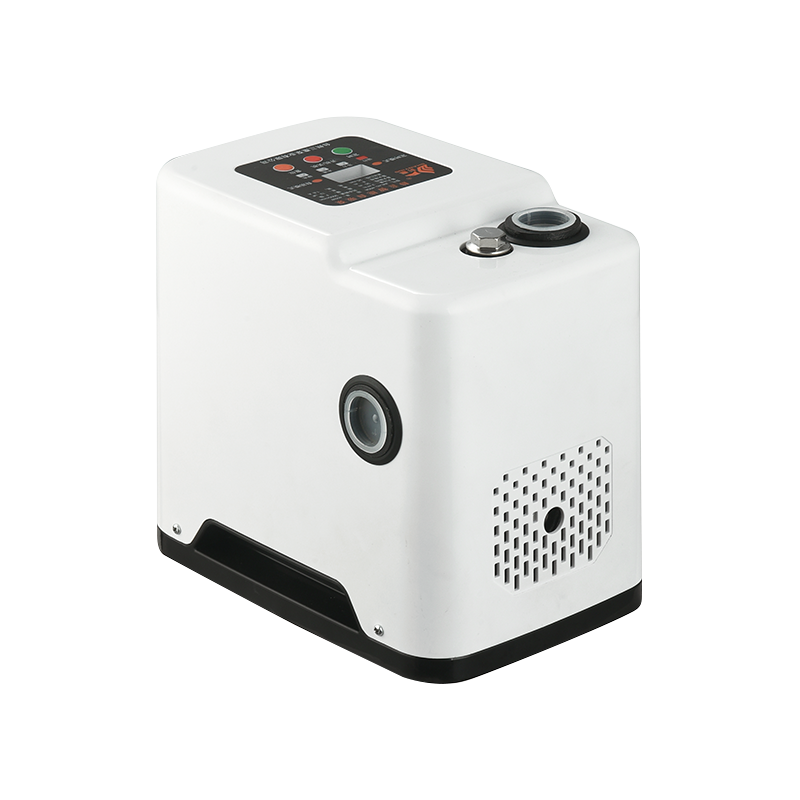
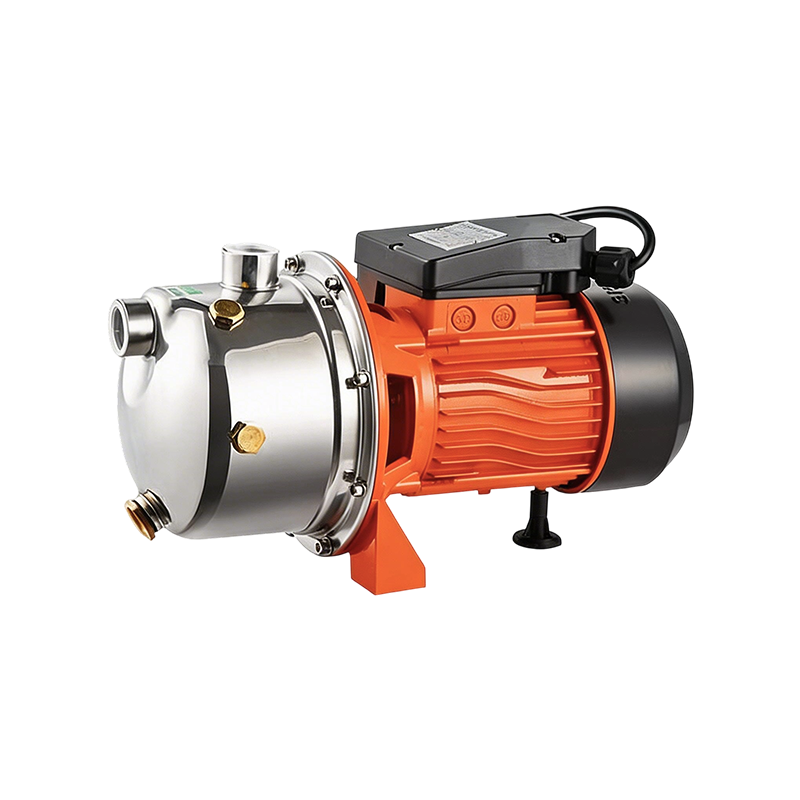
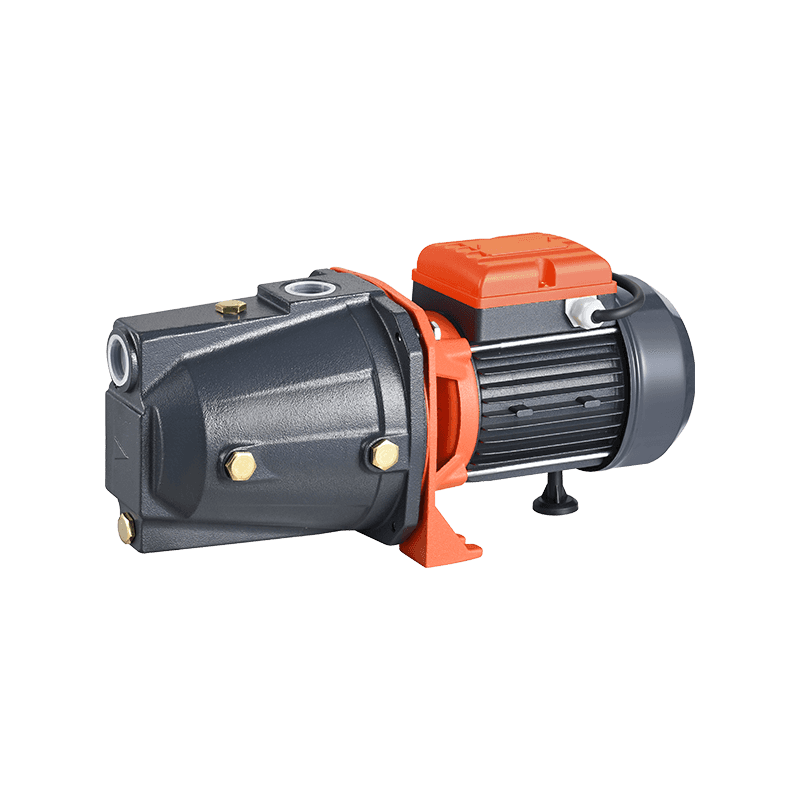
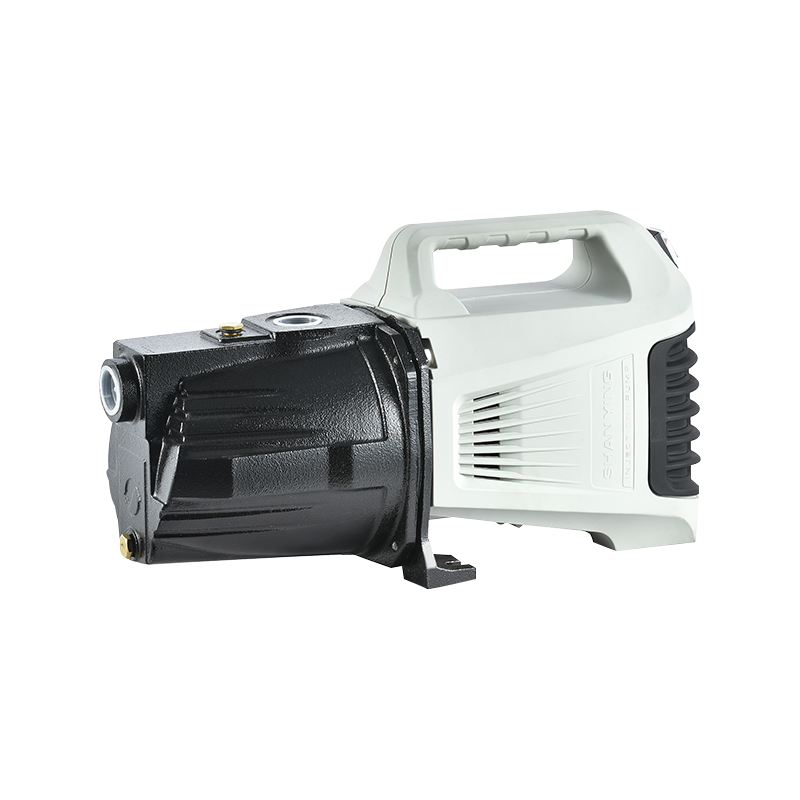
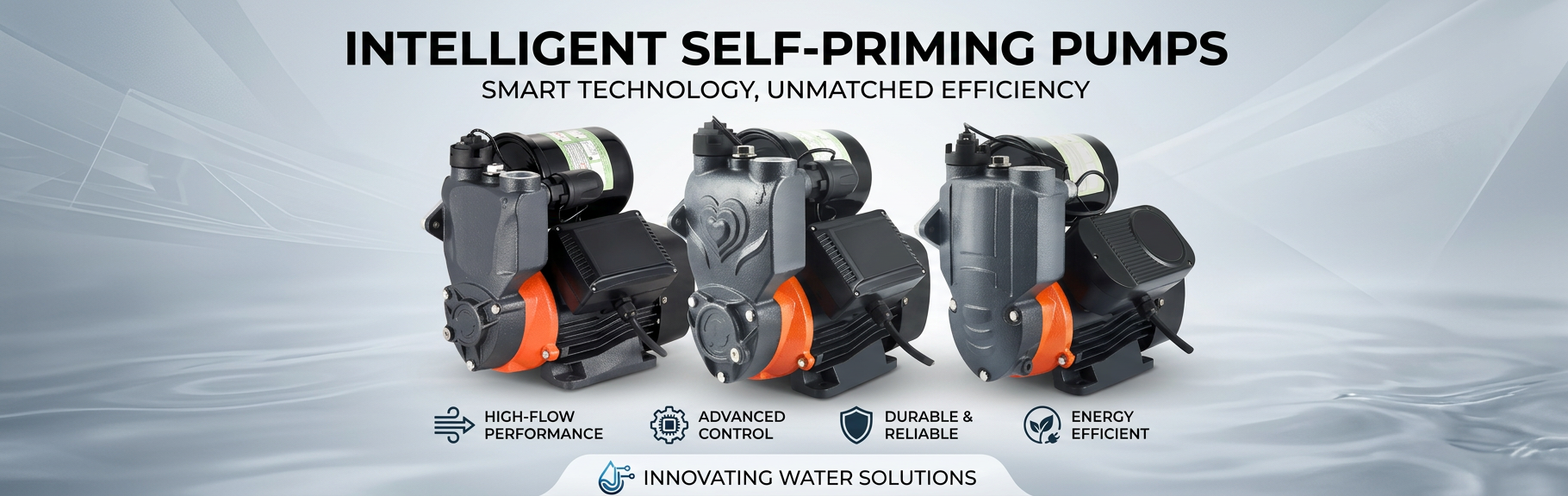
Picking an intelligent self-priming pump takes more than glancing at a product name — the unit really needs to match the hydraulic realities of wherever it's going to be used.
1. Confirm the Water Source
Start by pinning down exactly where the water comes from — underground tanks, surface tanks, wells, ponds, reservoirs, or backup municipal storage are all common options.
Things worth checking here include:
- How high the vertical suction lift needs to reach
- How long the horizontal suction pipe run is
- Whether the water level fluctuates
- The distance separating the pump from the water source
- How likely air is to get into the suction line
When suction conditions get demanding, the pump's priming capacity becomes one of the biggest factors in the decision.
2. Define Flow and Pressure Requirements
Flow rate tells you how much water the pump can move, while pressure tells you how far and how forcefully that water travels.
A few examples make this clearer:
- A small household setup usually cares most about steady pressure
- An irrigation system often needs higher flow above all else
- A circulation system typically needs smooth, uninterrupted operation
Getting flow and pressure matched correctly helps sidestep weak performance, wasted energy, and pumps that keep cycling on and off more than they should.
3. Check the Pipe System
Pipe diameter, overall length, bends, valves, and filters all factor into how a pump actually performs. A pipe that's too narrow or runs too long adds resistance and can quietly cut into real-world water output.
For self-priming setups specifically, the suction pipe needs a solid seal — even a tiny air leak can drag down priming performance and leave the whole system running unevenly.
4. Consider Control Functions
Smart water pump configurations don't all offer the same control features. Worth thinking through whether the system genuinely needs:
- Automatic start-and-stop
- Constant pressure control
- Dry-run protection
- Overload protection
- Pressure sensing
- Flow sensing
- Automatic restart
Which of these actually matter depends heavily on how the pump gets used day to day and how much manual oversight is realistically available.
5. Review Material and Fluid Compatibility
Most self-priming water pumps are built with clean water — or similarly non-corrosive liquids — in mind. If the water carries sand, particles, chemicals, or corrosive elements, material compatibility needs a much closer look.
For tougher environments, a stainless steel water pump or other specialized material configuration often ends up being the better fit, depending on exactly what the application calls for.


 English
 中文简体
中文简体