Home · Products · Stainless Steel Water Pump

Water Pump Manufacturer

Contact us

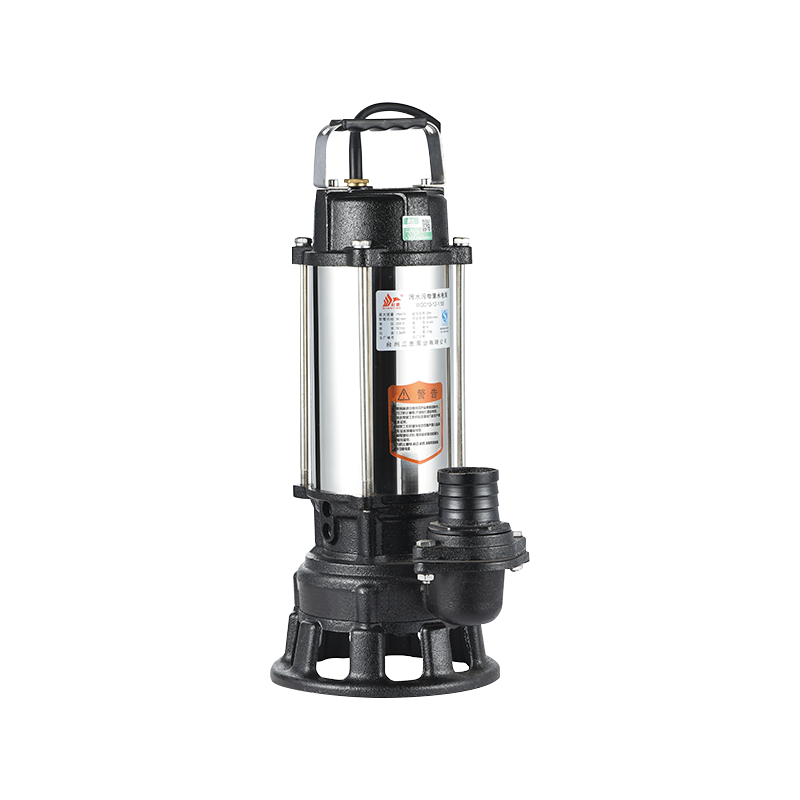
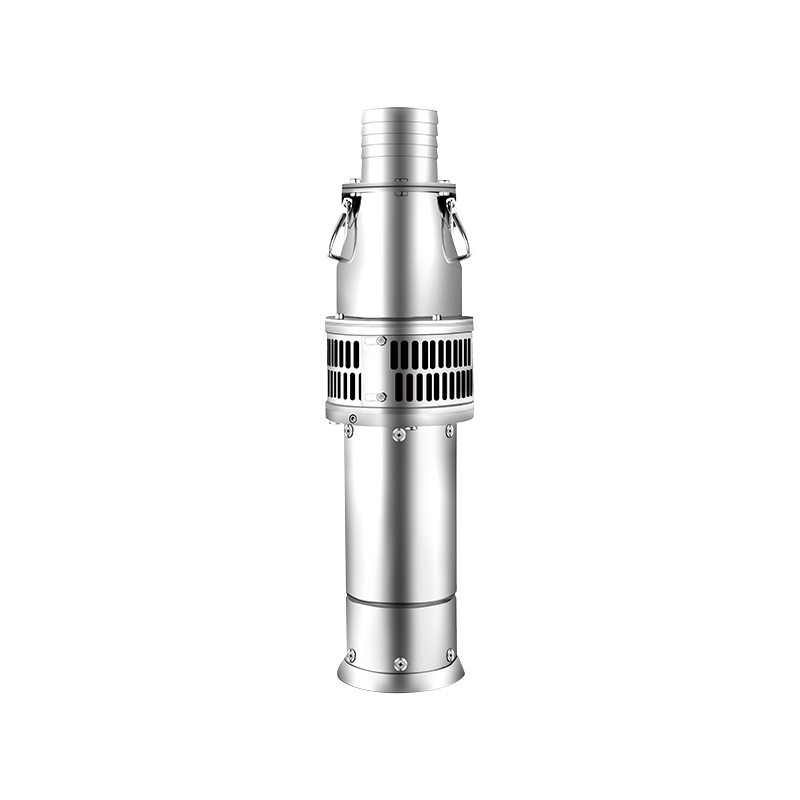
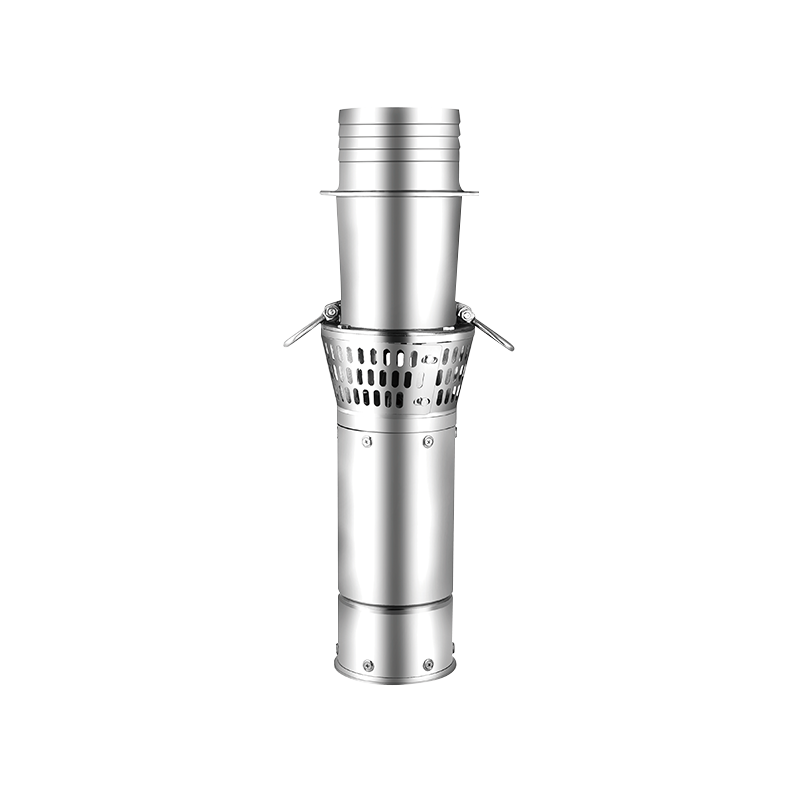
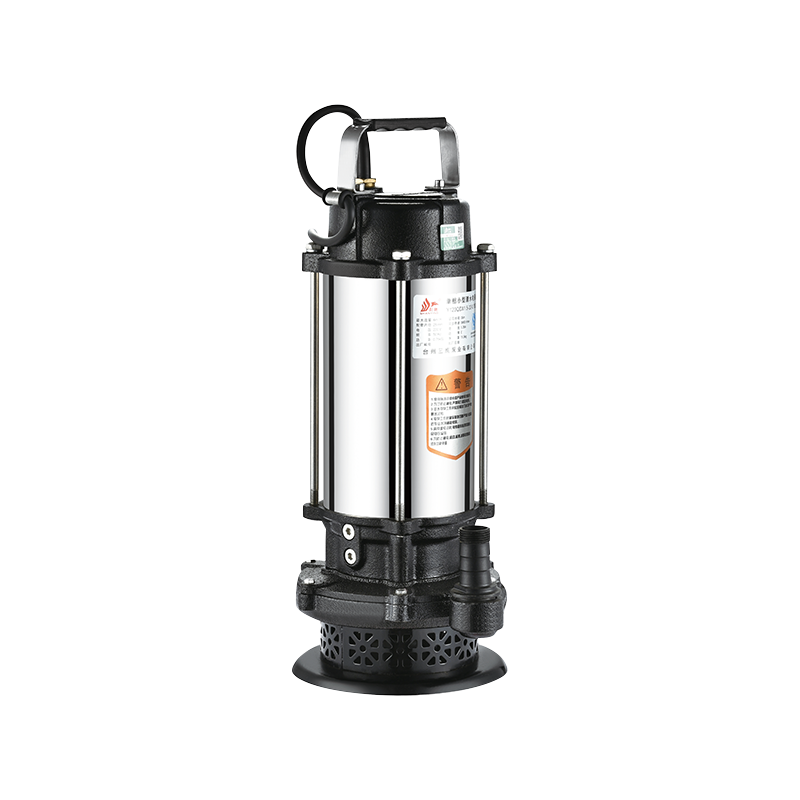
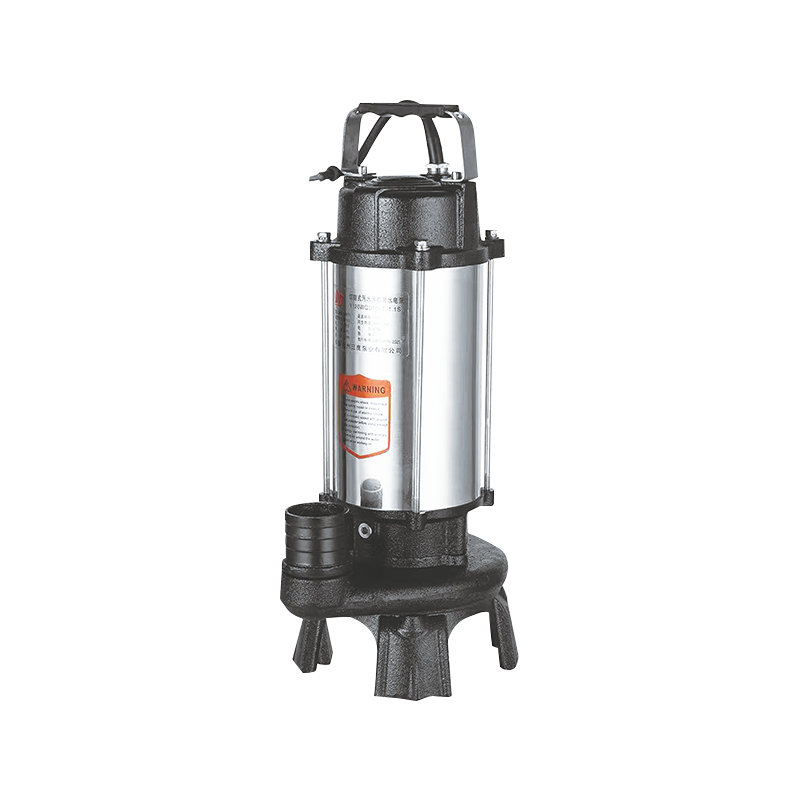
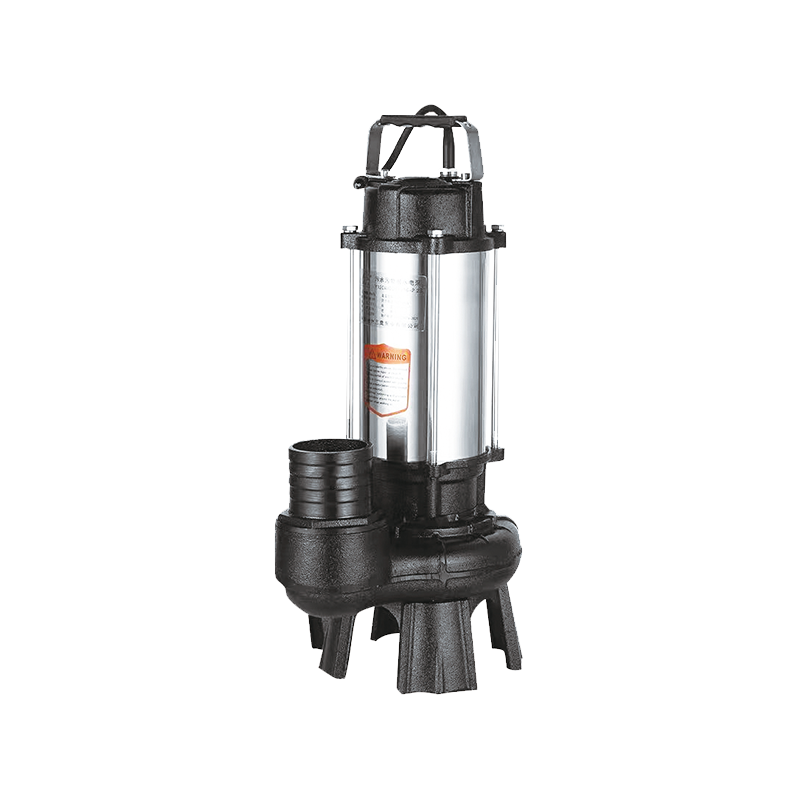
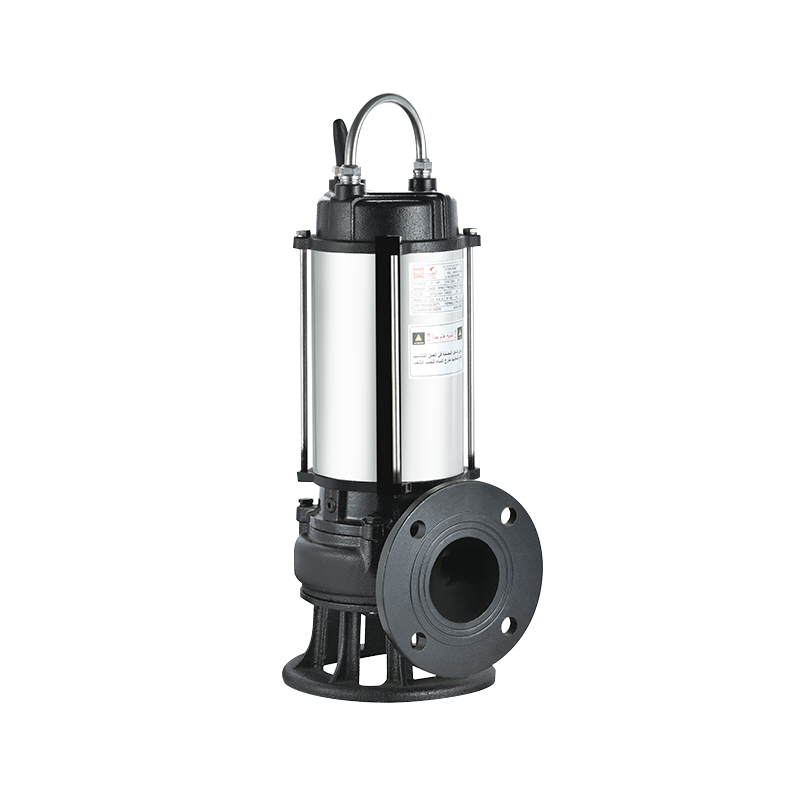
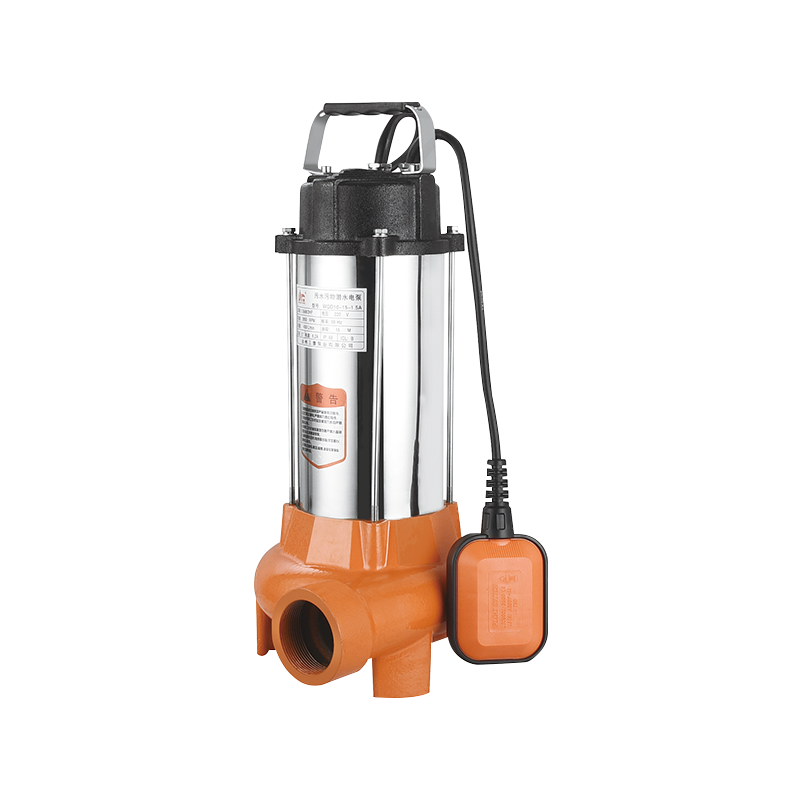
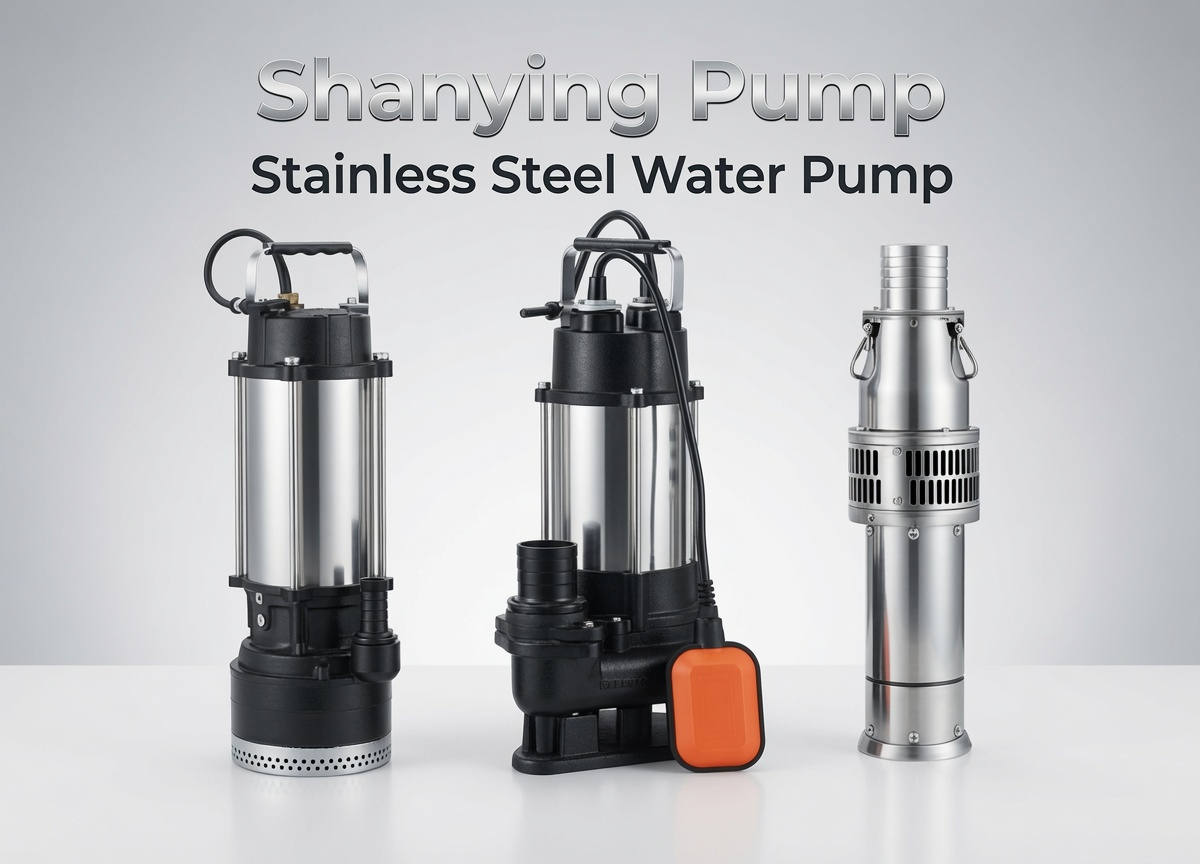
Stainless Steel Water Pump

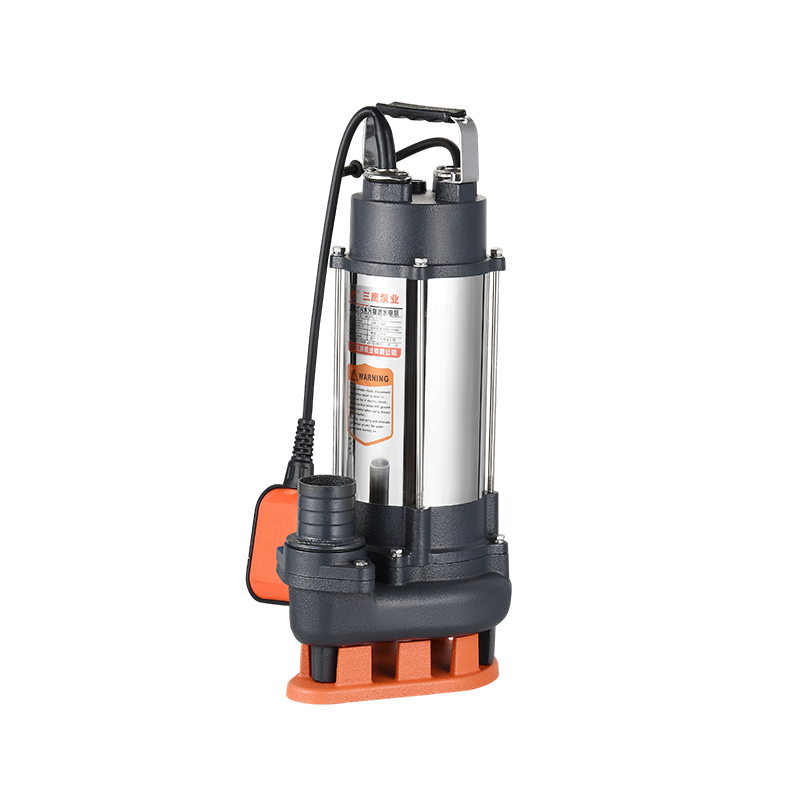
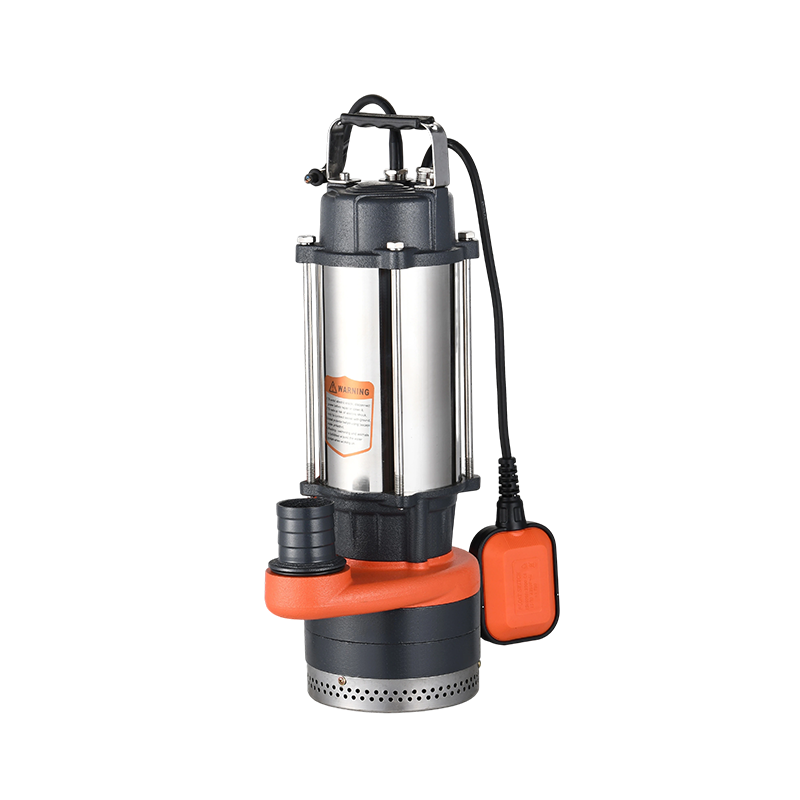
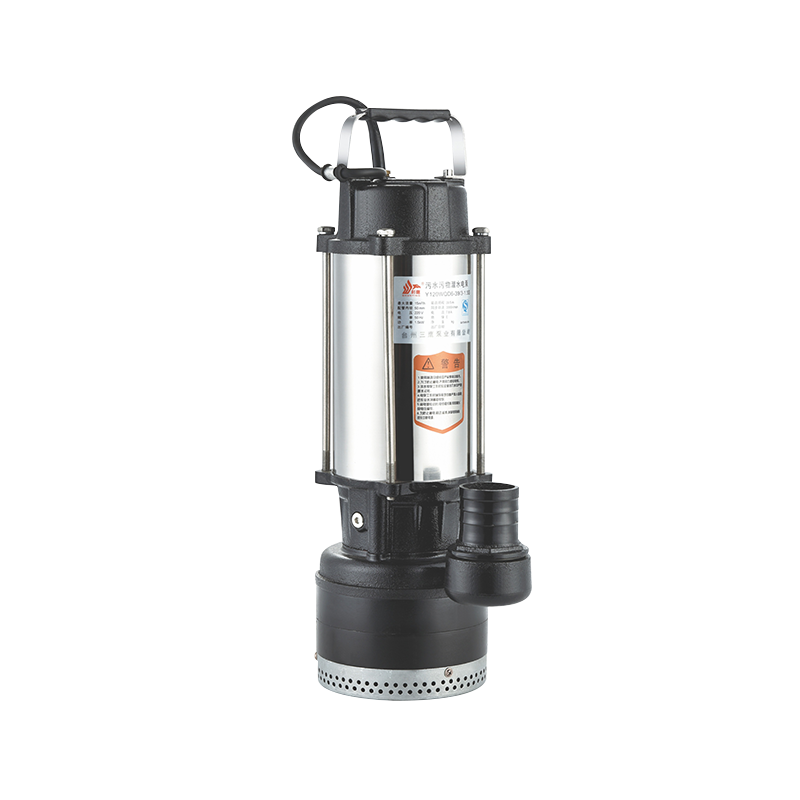
High-quality stainless steel goes into every stainless steel water pump, which is exactly where the corrosion resistance and structural strength come from. Industrial and civil water supply, food processing, pharmaceutical industries — these pumps show up across all of them, particularly where water quality standards run high. Even under demanding working conditions, performance stays stable, reliable, built for the long haul.

Main advantages:

Corrosion-resistant and high-temperature resistant, fitting a wide range of media

High strength paired with a long service life, keeping maintenance costs low

A smooth surface that resists bacterial growth, meeting hygiene standards

Well suited to clean water, weak acids, weak bases, and similar working conditions

Message Feedback
About
Taizhou Shanying Pump Co., Ltd.

Taizhou Shanying Pump Co., Ltd. is a Stainless Steel Pump Supplier with product development, production, sales, and service. The company has a state Class B standard pump testing center, and actively implements the ISO9001 quality assurance system.

Because of our Industrial Stainless Steel Pump products with stable quality, energy efficient, safe and reliable, and reasonable prices, favored by the users. Products are widely used in construction, firefighting, environmental protection, drainage, HVAC, and household.

News

Stainless Steel Water Pump for Clean Water, Drainage, and Industrial Fluid Transfer

Stronger material resistance, reliable fluid transfer, compatibility with clean or mildly corrosive liquids — these three needs are usually what push a selection toward a stainless steel water pump. Corrosion resistance, operating life, maintenance frequency, overall system reliability: pump material touches all of these directly across industrial, commercial, and civil water systems.

Stainless steel water pump products carry the Shanying Pump brand at Taizhou Shanying Pump Co., Ltd., built for applications spanning clean water supply, drainage, pressure boosting, HVAC circulation, environmental protection, and general industrial water transfer. Operating as a China pump supplier, the company puts several pump categories on the table — stainless steel water pumps, intelligent water pumps, and solar water pumps — each one built to support a different set of water management conditions.

Motor power or product appearance alone shouldn't be the deciding factor when selecting a stainless steel water pump for international procurement. Actual operating conditions need to line up instead — required flow, head, liquid characteristics, power supply, installation method, usage scenario, all of it factored in before a suitable pump gets matched to the job.


What Is a Stainless Steel Water Pump?

Stainless steel finds its way into the key wetted components or structural parts that touch liquid — that's what defines a stainless steel water pump at its core. Ordinary materials tend to wear or rust faster in certain liquid environments; stainless steel exists precisely to push back against corrosion, moisture, oxidation, and conditions like these.

Key Material Advantages

Mechanical strength paired with liquid compatibility — that combination is exactly why stainless steel pumps see such wide use.

Main characteristics include:

  • Corrosion resistance for clean water, humid environments, and mildly corrosive liquids
  • Structural strength for stable operation in demanding systems
  • Smooth surface finish that is easier to clean and less likely to retain impurities
  • Good material compatibility for weak acid and weak alkaline working conditions
  • Wide application range across industrial, commercial, and civil water systems

Stainless steel alone, though, doesn't guarantee a pump can handle just any liquid thrown at it. Stainless steel grades, seal materials, impeller structures, motor configurations — these all shift depending on what liquid is actually involved. Evaluating the medium clearly should come first, before any stainless steel pump gets chosen.


Common Applications of Stainless Steel Water Pumps

Water quality, corrosion resistance, stable operation — stainless steel water pumps earn their place across many systems precisely because these three factors matter so much. Liquid condition, hydraulic requirement, installation environment: together, these three settle what the correct application actually looks like.

Industrial Water Supply and Fluid Transfer

Clean water, process water, cooling water, mildly corrosive liquids under suitable conditions — industrial systems lean on stainless steel pumps for moving all of these. Production equipment, circulation systems, washing systems, auxiliary water supply lines all tend to draw support from this pump type.

Typical application areas include:

  • Industrial clean water transfer
  • Equipment cooling water circulation
  • Process water supply
  • Light chemical liquid transfer under compatible conditions
  • Factory drainage and water handling systems

Liquid composition, temperature, operating time, particle content — confirming all of these before selection matters a great deal in industrial settings.

Building Water Supply and Pressure Boosting

Buildings, commercial facilities, residential systems, municipal-related water supply projects — stainless steel water pumps find a home across this whole range. Corrosion-resistant structure is exactly what makes them fit well where clean water delivery and stable pressure both need holding steady.

Common uses include:

  • Building water supply
  • Tank-to-pipeline water transfer
  • Pressure boosting systems
  • Domestic water supply support
  • Commercial facility water management

Flow and head both need calculating correctly for pressure boosting work. Too low a head, and the system fails to deliver enough pressure. Oversize the pump, and energy consumption climbs alongside pressure fluctuation.

Drainage and Environmental Protection

Minerals, mild corrosive elements, wet and harsh installation environments — any of these can steer selection toward stainless steel water pumps in drainage and environmental protection work.

Suitable scenarios may include:

  • Facility drainage
  • Environmental water treatment support
  • Wastewater transfer under compatible conditions
  • Basement or pit drainage
  • Water collection and discharge systems

Water quality carries extra weight in drainage applications specifically. Large solids, fibers, sludge, sand, high chemical concentration — any of these showing up in the liquid means the pump type and internal structure need careful evaluation.

Food Processing and Pharmaceutical-Related Water Handling

Cleaner material contact, easier cleaning — these two needs are exactly what push stainless steel pumps into water systems requiring them. Clean water transfer and auxiliary liquid movement in food processing and pharmaceutical-related water handling both benefit from what stainless steel surfaces offer.

Typical uses include:

  • Clean water transfer
  • Washing water systems
  • Auxiliary process water movement
  • Non-viscous liquid transfer under suitable conditions

Actual system design, liquid type, sanitation requirement, local operating standards — the exact selection should follow all of these closely.


How to Select a Suitable Stainless Steel Water Pump

Real working conditions should drive the choice of a stainless steel water pump — that's the starting point worth holding onto. What follows covers the factors that matter most for technical evaluation.

Flow Rate

The amount of liquid a pump needs to deliver within a set period — that's what flow rate captures. Liters per minute, cubic meters per hour, gallons per minute: the unit tends to shift depending on which region the project sits in.

Key questions include:

  • How much water needs to be transferred per hour?
  • Is the system operating continuously or intermittently?
  • Are multiple outlets working at the same time?
  • Is the required flow stable or variable?

System demand goes unmet when flow falls short. Push flow well past what's needed, though, and energy consumption climbs, unnecessary pressure builds up in the pipeline.

Head and Pressure

Height and resistance the pump has to push through — that's head, in essence. Vertical lifting height, horizontal pipeline loss, pipe diameter, bends, valves, filters, required outlet pressure: all of it factors in.

Head selection carries particular weight for:

  • Water lifting from tanks or wells
  • Building pressure boosting
  • Long-distance water transfer
  • Industrial circulation
  • Drainage from low areas

Liquid never reaches its destination when the selected head runs too low. Set it much higher than the job actually needs, and the system starts running inefficiently.

Water Source and Water Quality

Pump selection shifts directly based on the water source involved. Tanks, wells, rivers, ponds, municipal pipelines, drainage pits, wastewater collection areas — common sources span all of these.

Water quality needs confirming across several points:

  • Clean water or dirty water
  • Sand, particles, or suspended solids
  • Weak acid or weak alkaline liquid
  • Corrosive components
  • Liquid temperature
  • Viscosity and chemical characteristics

Plenty of clean water and mildly corrosive applications suit a stainless steel water pump well, though matching it against the actual medium still matters every time.

Power Supply and Installation Method

Performance and long-term service stability both bend to power conditions and installation layout. Voltage, frequency, phase requirements — these vary from one market to the next.

Installation factors worth checking include:

  • Indoor or outdoor installation
  • Surface-mounted or submersible operation
  • Pipeline diameter and layout
  • Suction height and inlet condition
  • Cable distance
  • Space for maintenance
  • Ambient temperature and humidity

Steady operation for the stainless steel pump, fewer avoidable system problems down the line — that's what proper installation planning tends to deliver.


Stainless Steel Water Pump Selection Reference

The table below summarizes the key selection factors for stainless steel water pumps and the information that should be prepared before technical consultation.

Selection Factor Why It Matters Information to Provide
Flow rate Determines water delivery capacity Required volume per minute or per hour
Head / pressure Determines lifting height and outlet pressure Vertical height, pipe length, pressure demand
Water quality Affects material and structure suitability Clean water, sand, particles, weak acid, weak alkali
Power supply Affects motor compatibility Voltage, frequency, phase, power source
Installation method Influences pump type and operation Surface, submersible, indoor, outdoor, pipeline layout

These factors help determine whether a stainless steel water pump is appropriate for clean water transfer, drainage, pressure boosting, HVAC circulation, or industrial fluid handling.


Why Choose a Stainless Steel Pump Manufacturer

Technical communication runs smoother, product matching gets sharper — that's what tends to happen when a stainless steel pump manufacturer is chosen with care. Product name and motor power alone rarely tell the whole story; pump structure, material, hydraulic performance, and power configuration deserve a look too, weighed against what the actual application really calls for.

Stainless steel water pump products sit within the Shanying Pump product center, offered by Taizhou Shanying Pump Co., Ltd. Intelligent water pumps and solar water pumps round out the lineup, giving different pump types room to be considered depending on what the system actually needs.

A manufacturer worth relying on can support pump selection by clarifying:

  • Application purpose
  • Required flow and head
  • Liquid type and water quality
  • Corrosion resistance requirements
  • Power supply conditions
  • Installation environment
  • Operating frequency
  • Maintenance considerations

Sourcing pumps across international markets tends to go better when technical information stays clear — selection errors drop, communication runs more efficiently. A stainless steel water pump that truly fits should line up with the whole system, water source, liquid condition, pipeline layout, pressure demand, and operating environment included.