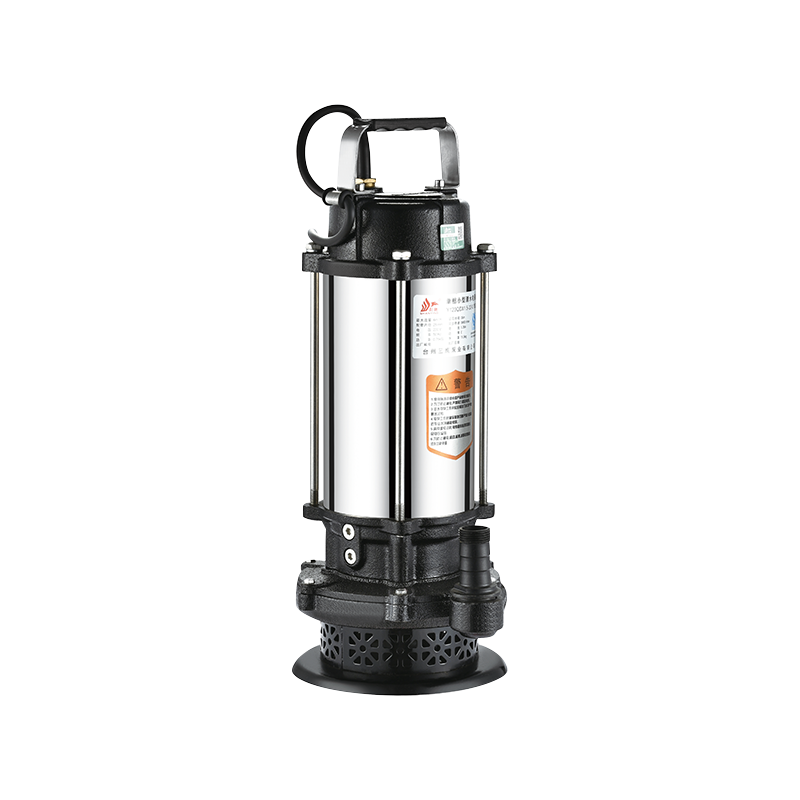
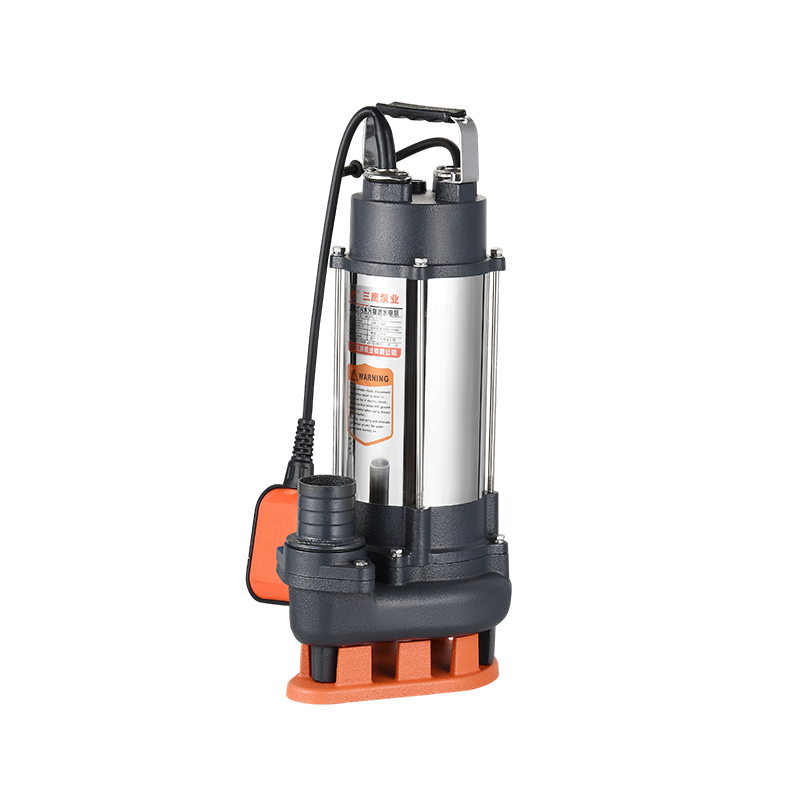
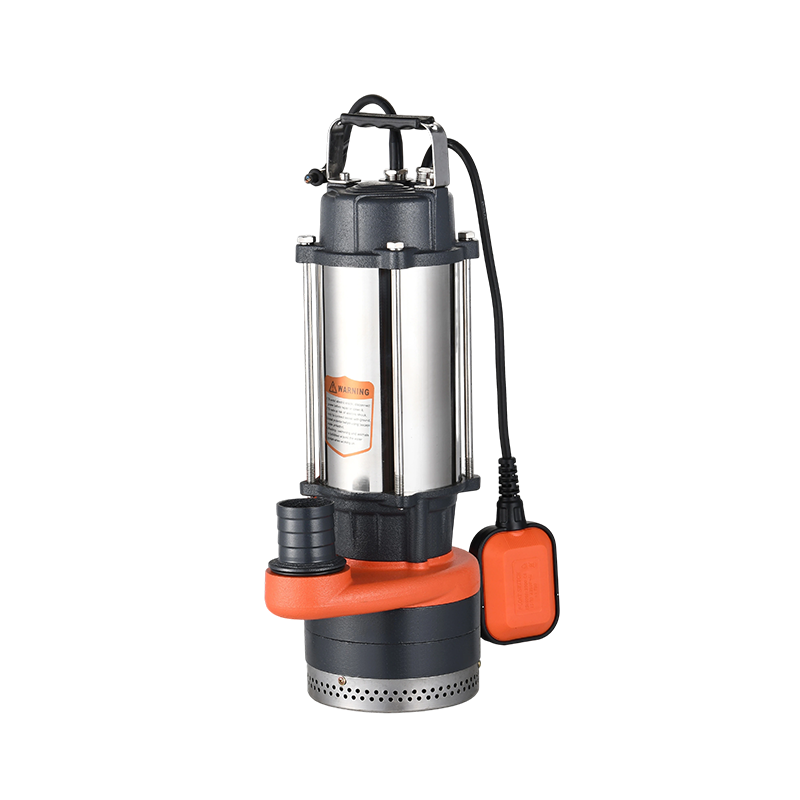
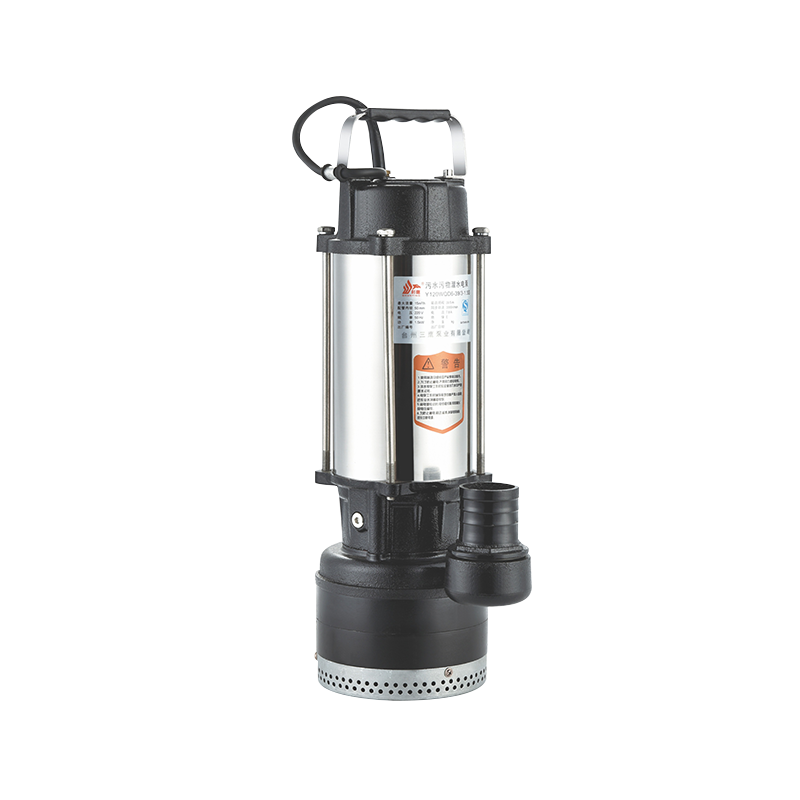
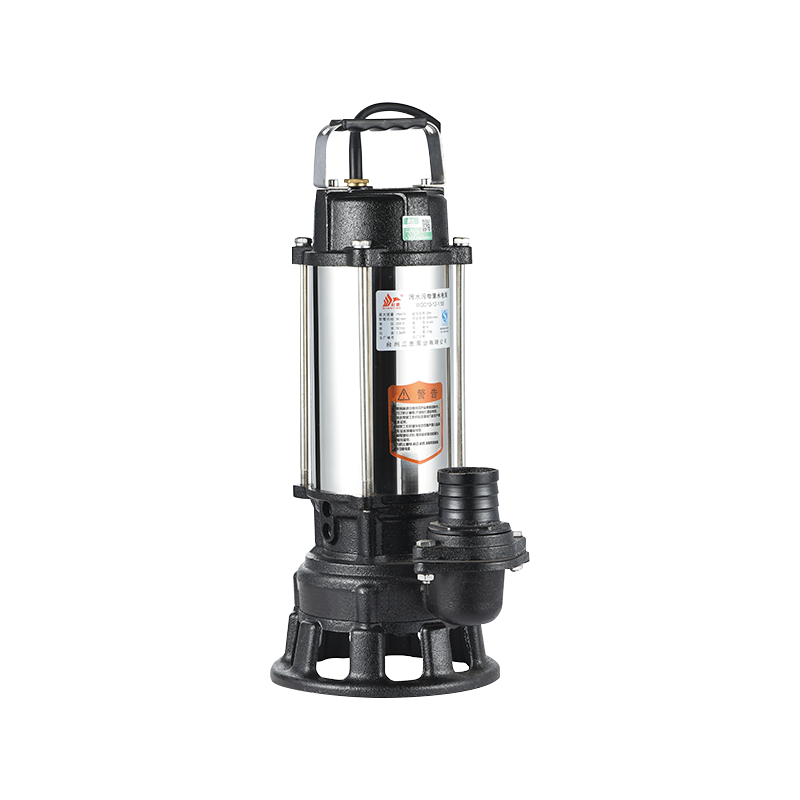
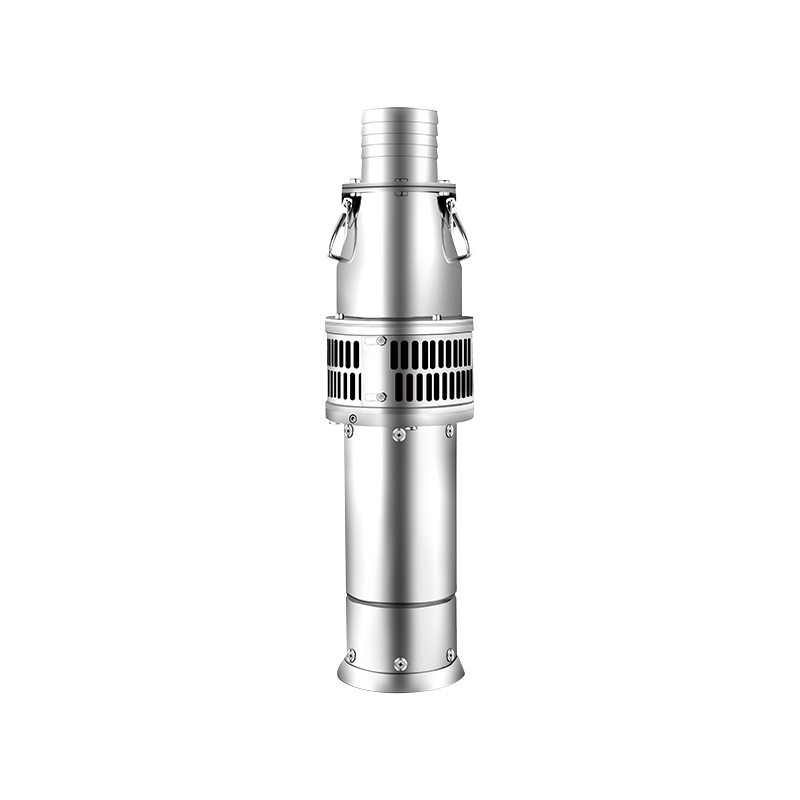
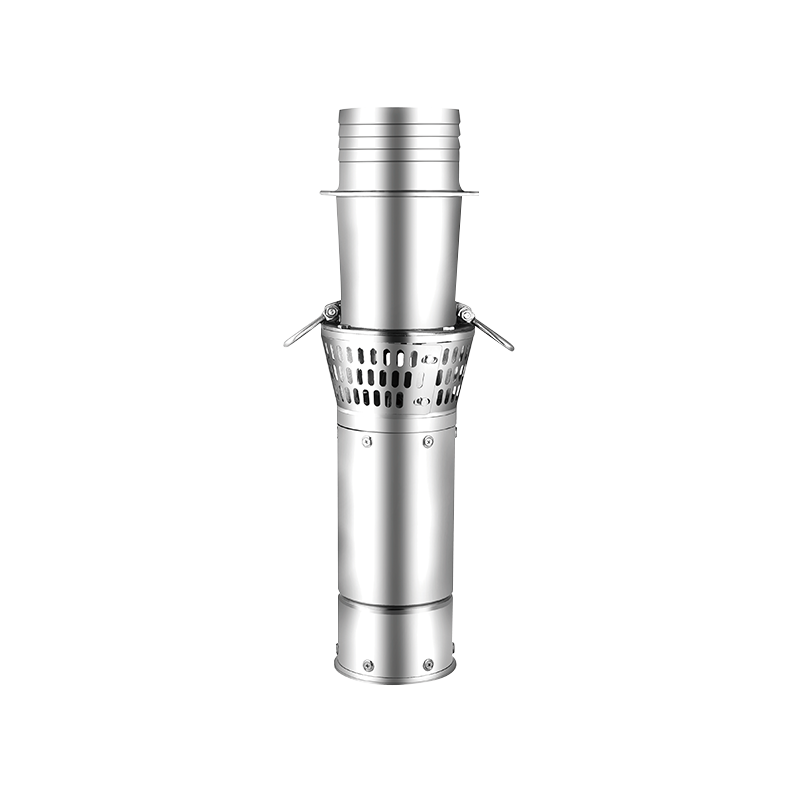
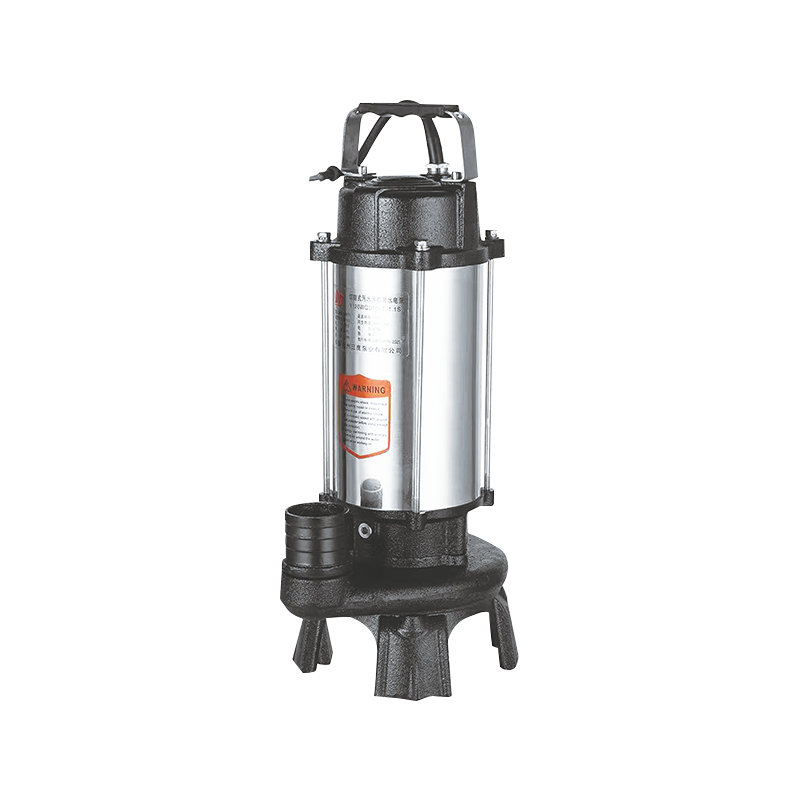
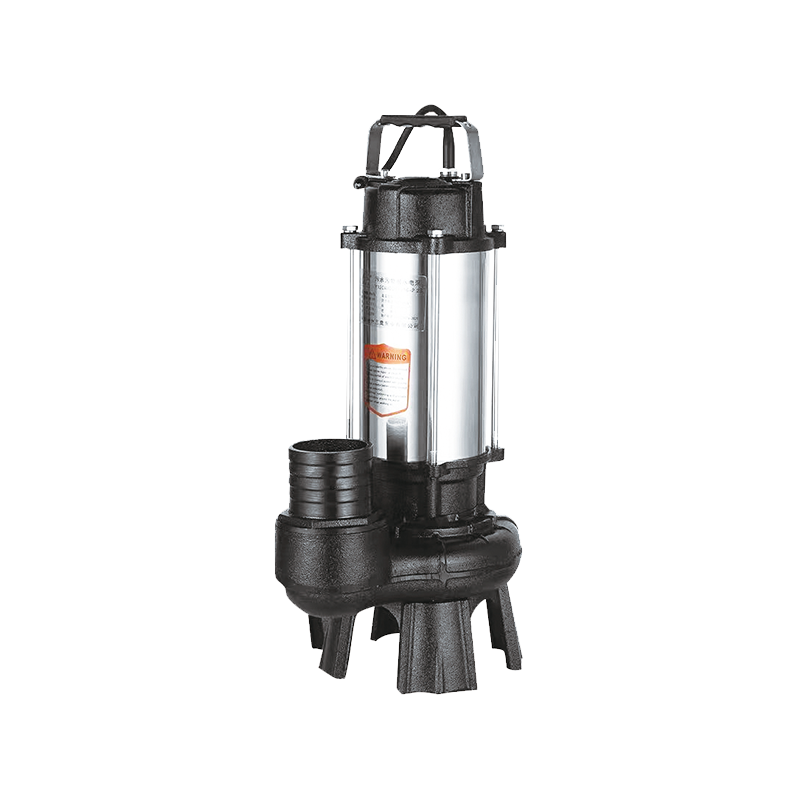
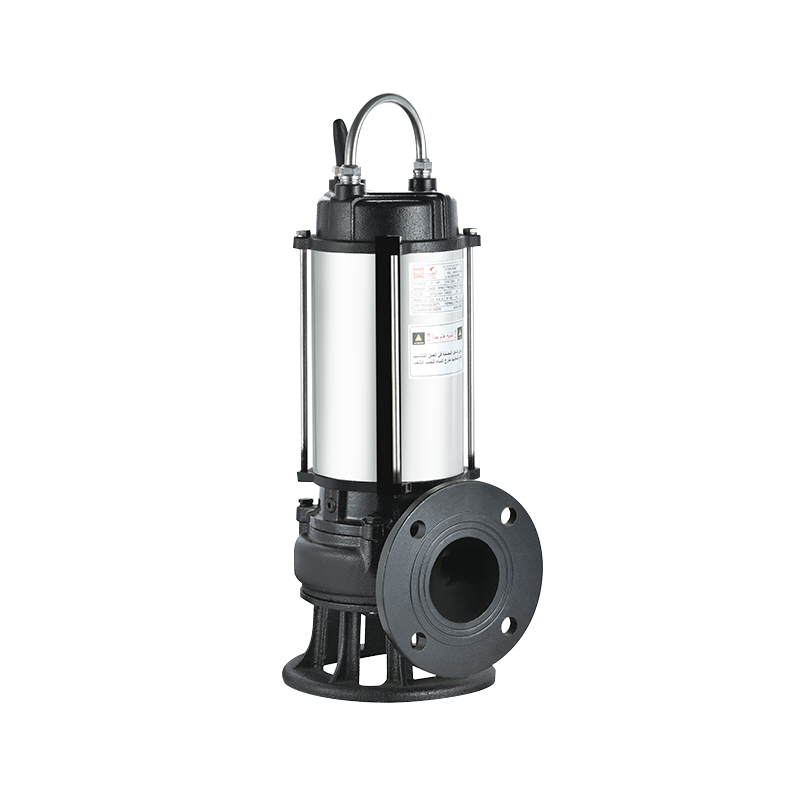
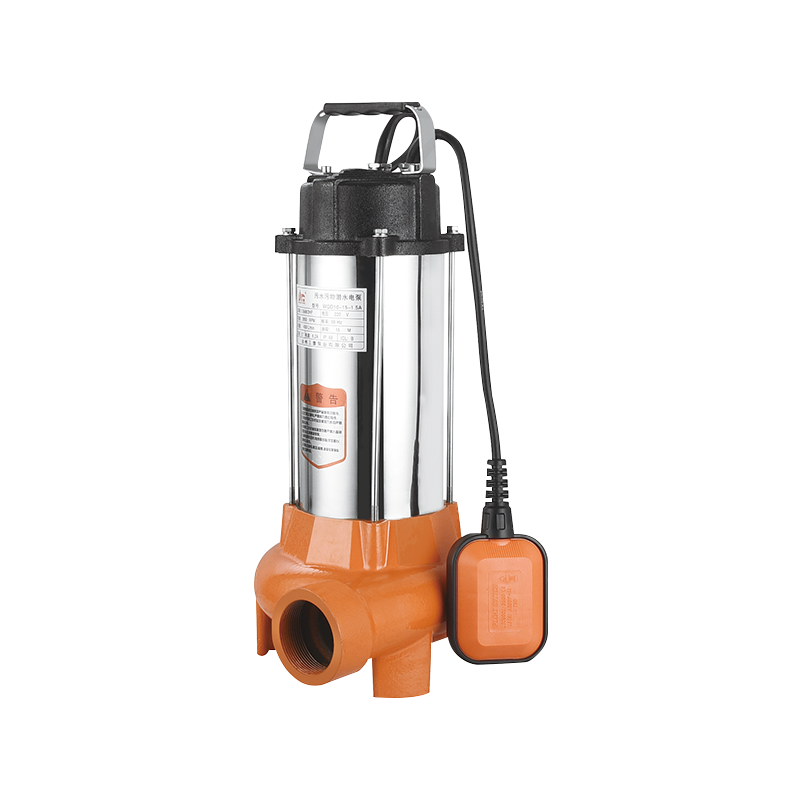
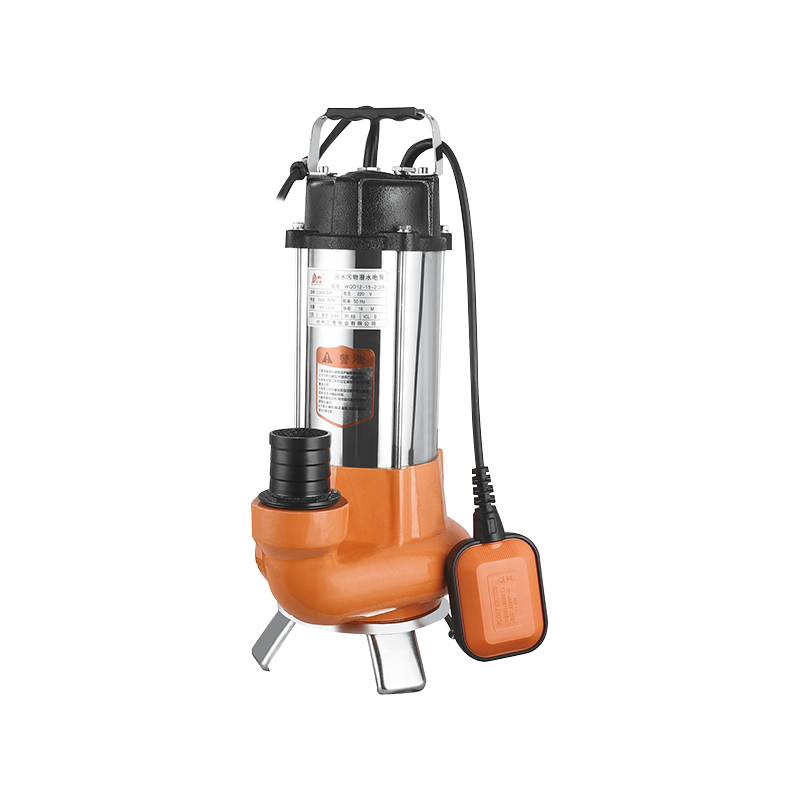
A stainless steel submersible sewage pump is a fluid handling machine specifically designed to operate underwater, transporting fluids containing solid particles, fibers, sludge, and corrosive media.
Simply put, it's a device that combines an electric motor and a stainless steel sewage pump into a single unit, designed to work directly submerged in liquid. It combines the advantages of "easy installation and low noise" of submersible pumps with the "corrosion resistance and rust-proof" properties of stainless steel.
Core Structure and Working Principle
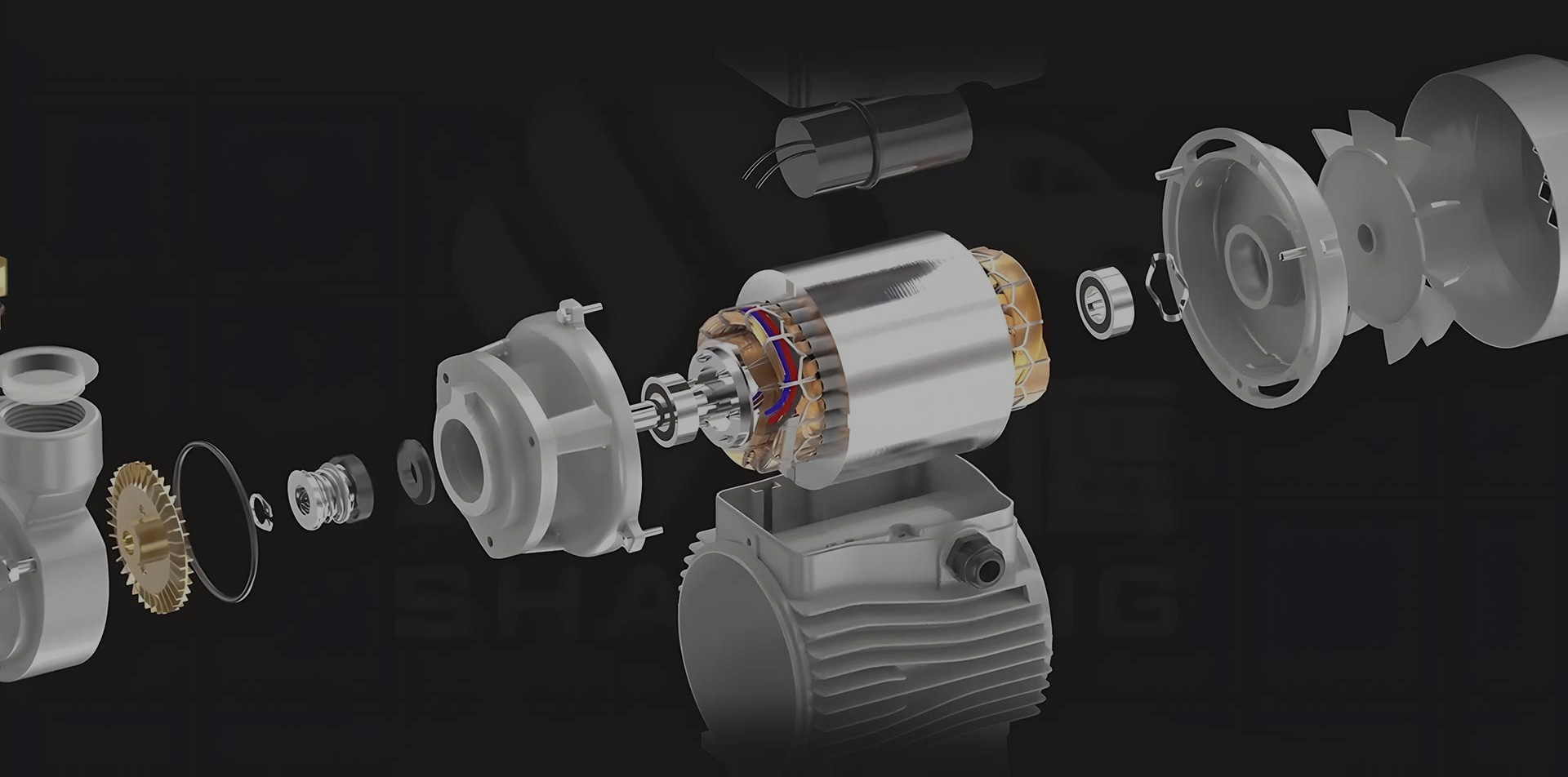
This pump mainly consists of a pump impeller, mechanical seal, stainless steel motor casing, and junction box.
Material of Wetted Parts: The parts that directly contact the liquid, such as the pump body, impeller, and pump cover, are usually made of 304 or 316L stainless steel.
304 Stainless Steel: Suitable for general corrosive sewage, domestic sewage, and weak acid and alkali environments.
316L Stainless Steel: Contains molybdenum, offering stronger corrosion resistance, suitable for seawater, strong acid and alkali chemical wastewater, and liquids with high salt content.
Impeller Design: To prevent clogging, single-channel, double-channel, or vortex impellers are usually used. This design provides a very wide flow channel, allowing the passage of solid particles up to 50% of the pump's diameter (such as stones and rags) and long fibrous materials.
Sealing System: A double-face mechanical seal (in series) is used, providing two layers of sealing protection. The sealing material is usually tungsten carbide or fluororubber, effectively preventing sewage from entering the motor and ensuring motor safety.
Main Features
Corrosion-resistant and rust-proof
This is its biggest advantage. Compared to cast iron sewage pumps, stainless steel pumps do not rust in humid, acidic, alkaline, or saline environments, do not pollute the water quality, have a longer service life, and maintain a bright and beautiful appearance.
Non-clogging and anti-winding
The unique flow channel design allows it to smoothly pass rags, plastic bags, weeds, and other debris. Some models also have a cutting blade to shred the ingested impurities before discharge.
Convenient installation and maintenance
Usually equipped with an automatic coupling device. The pump body slides down along the guide rail and automatically connects to the outlet, eliminating the need for workers to descend into the sewage pit for complex pipe connections. During maintenance, the pump can simply be lifted out, greatly reducing labor intensity.
Safe and Reliable
The motor typically features a water leakage detection sensor and stator overheat protection device. In case of seal leakage or motor overheating, the control system will automatically alarm or shut down, preventing equipment damage.
Smooth Operation
Due to its submersible operation, it operates with extremely low noise, and the water itself cools the pump body, resulting in excellent heat dissipation.
Application Scenarios
Due to its "dirt-resistant" and "corrosion-resistant" characteristics, it is widely used in various complex environments:
Chemical and Pharmaceutical Industries: Discharging industrial wastewater containing corrosive components such as acids, alkalis, and salts.
Food and Beverage Industry: Transporting cleaning water containing impurities, as the stainless steel is hygienic and non-toxic, and will not contaminate food.
Marine Aquaculture and Shipping: Due to the seawater corrosion resistance of 316L stainless steel, it is very suitable for use on the coast or on ships.
Municipal and Construction: Basement sewage lifting, civil defense drainage, and urban flood control and drainage.
Hospitals and Hotels: Discharging domestic sewage containing debris such as cotton fabrics and toilet paper.
Typical Technical Parameters (Reference)
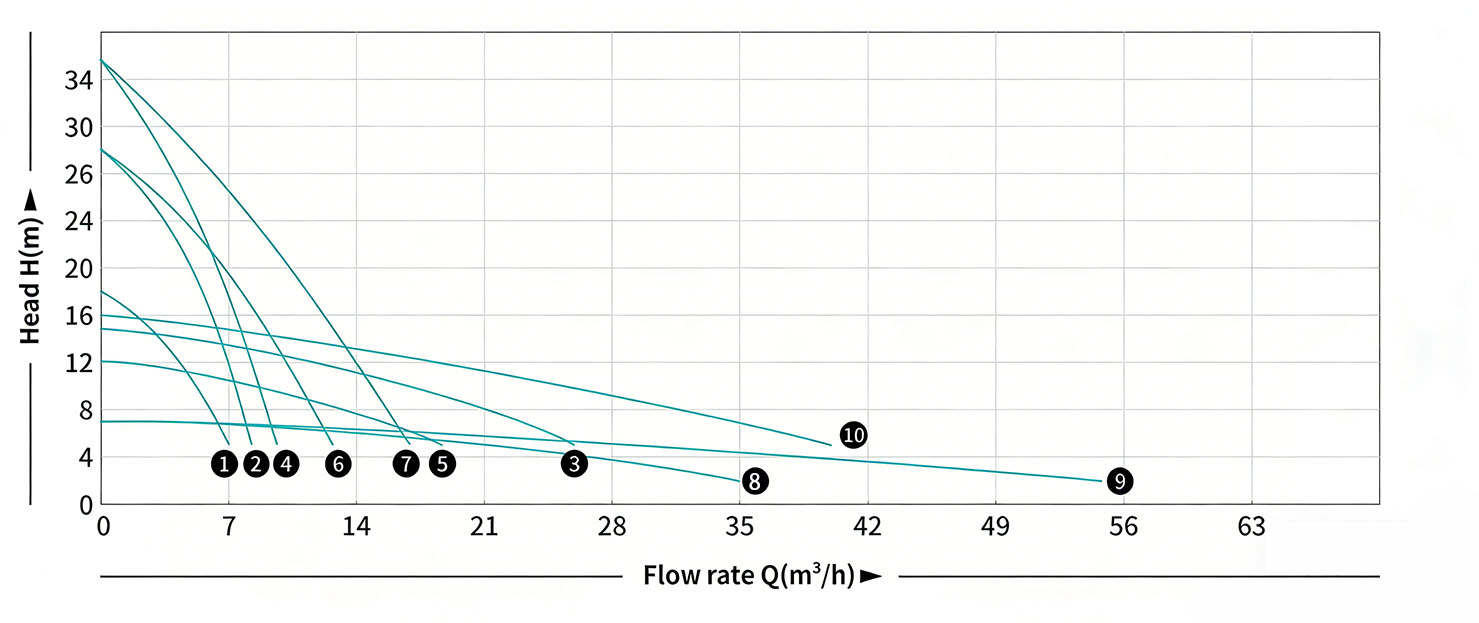
Flow Rate: 5 ~ 2000 cubic meters/hour
Head: 5 ~ 80 meters
Power: 0.75 ~ 250 kW
Diameter: DN25 ~ DN500
Medium Temperature: Generally not exceeding 60℃ ~ 80℃
Passable Particle Diameter: ≤ 50% of pump diameter
Selection and Usage Suggestions
Choose the right material: If you are only pumping ordinary muddy water, a cast iron pump is sufficient; however, if the water is yellowish, has a sour smell, contains salt, or requires high hygiene standards, be sure to choose 304 or 316L stainless steel.
Pay attention to the liquid level: Although it is a submersible pump, it must be ensured that the pump body is completely submerged in water during operation. Prolonged "dry running" (operating above the water surface) is strictly prohibited, otherwise the motor will burn out due to poor heat dissipation. Preventing clogging: If the medium contains a large amount of sediment, it is recommended to install a filter screen at the bottom of the pump or use a stirring device to prevent the pump body from getting stuck in the sludge and becoming impossible to remove.
If you are facing working conditions where the water is highly corrosive, requires hygienic cleanliness, or the environment is humid and prone to rust, a stainless steel submersible sewage pump is the best choice.


 English
 中文简体
中文简体