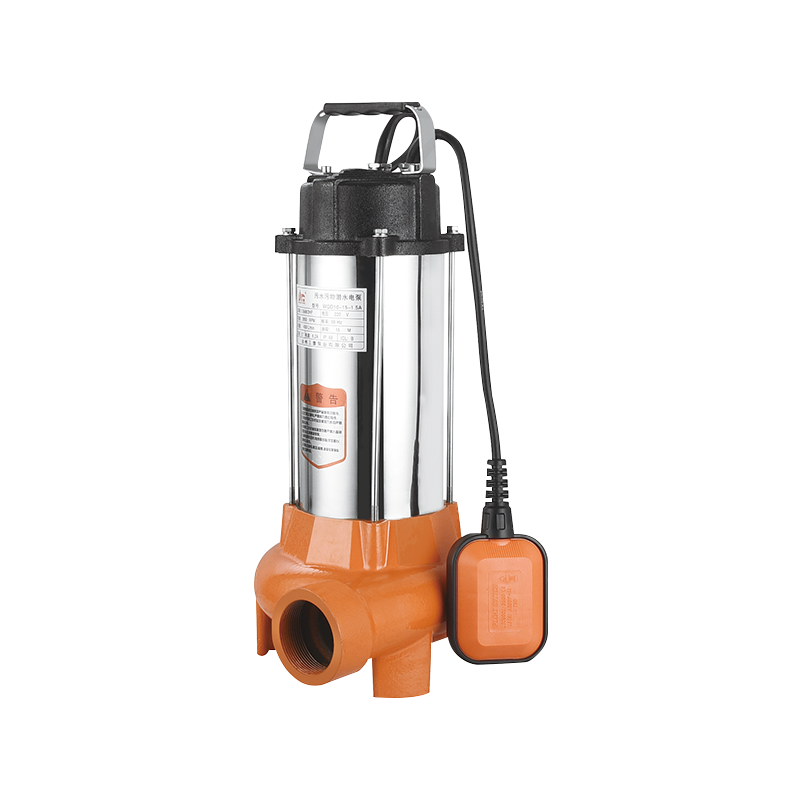
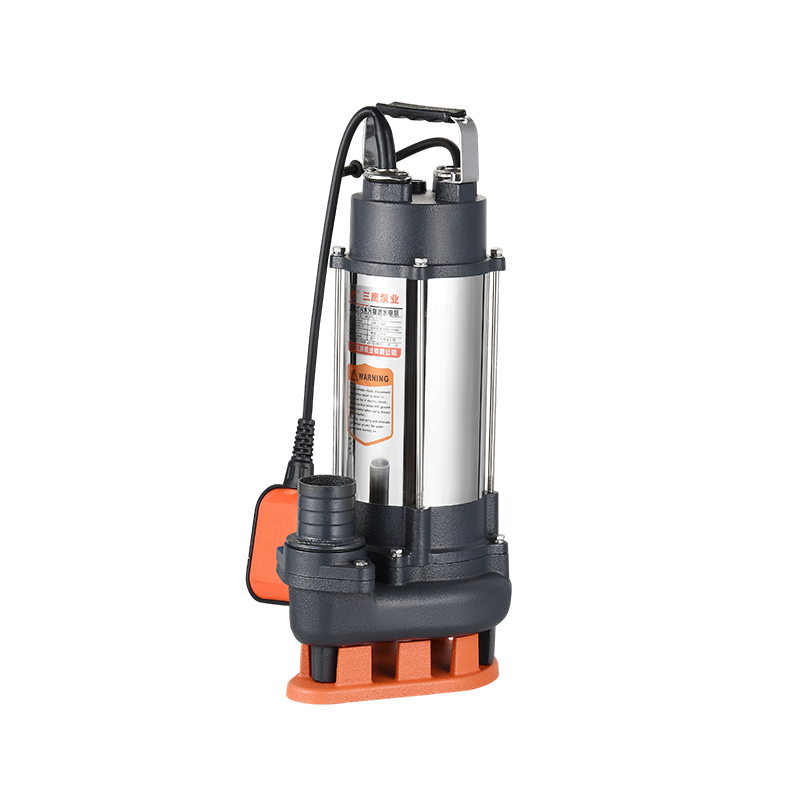
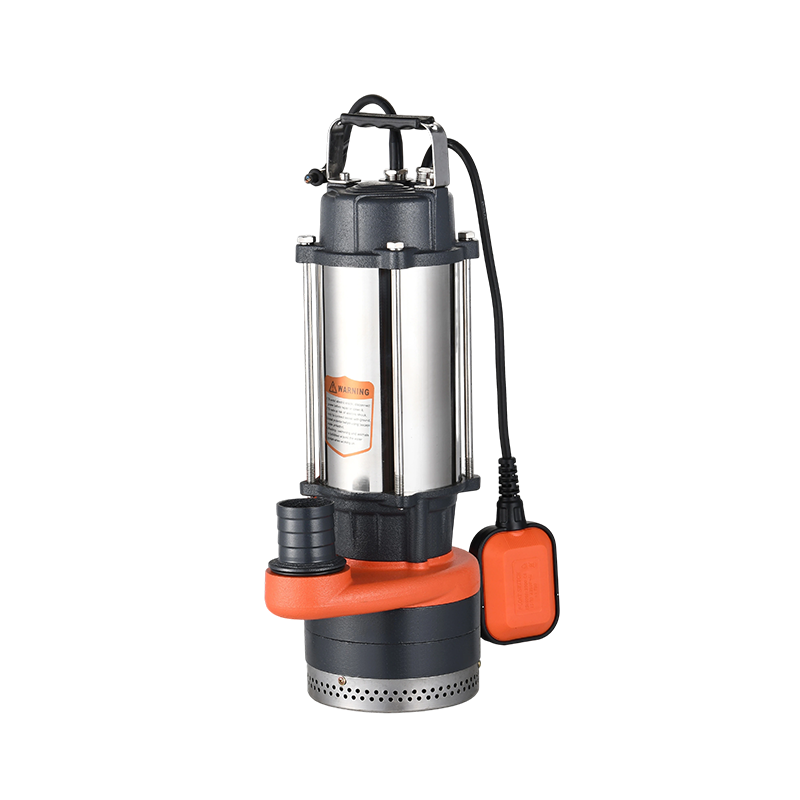
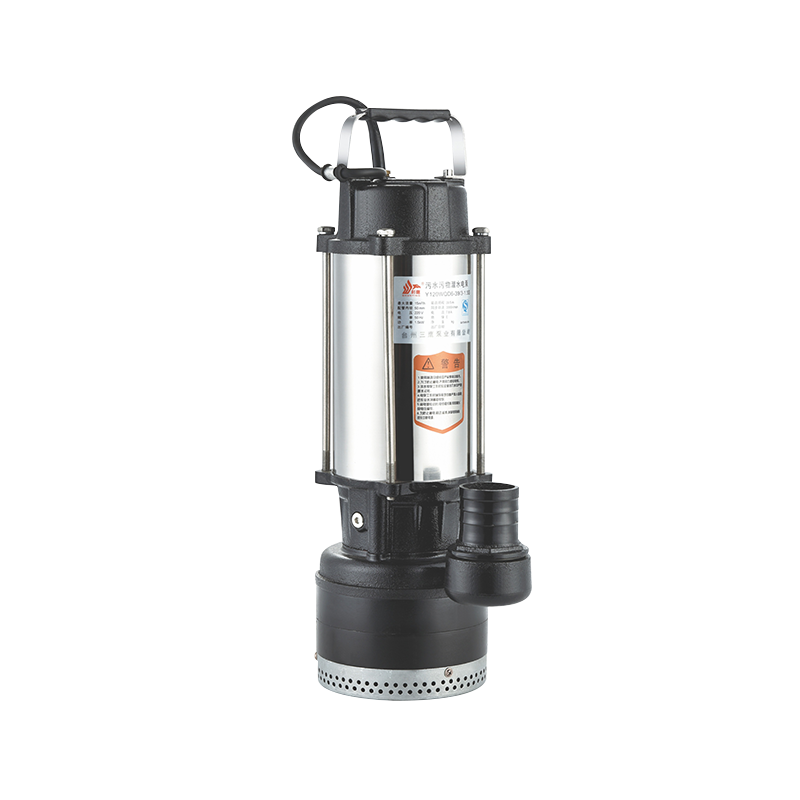
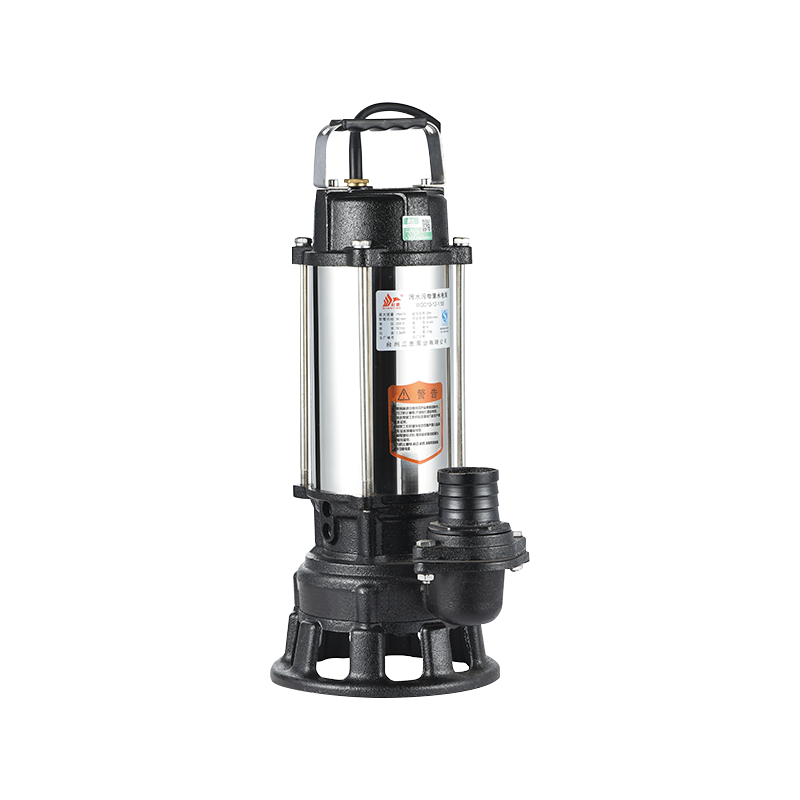
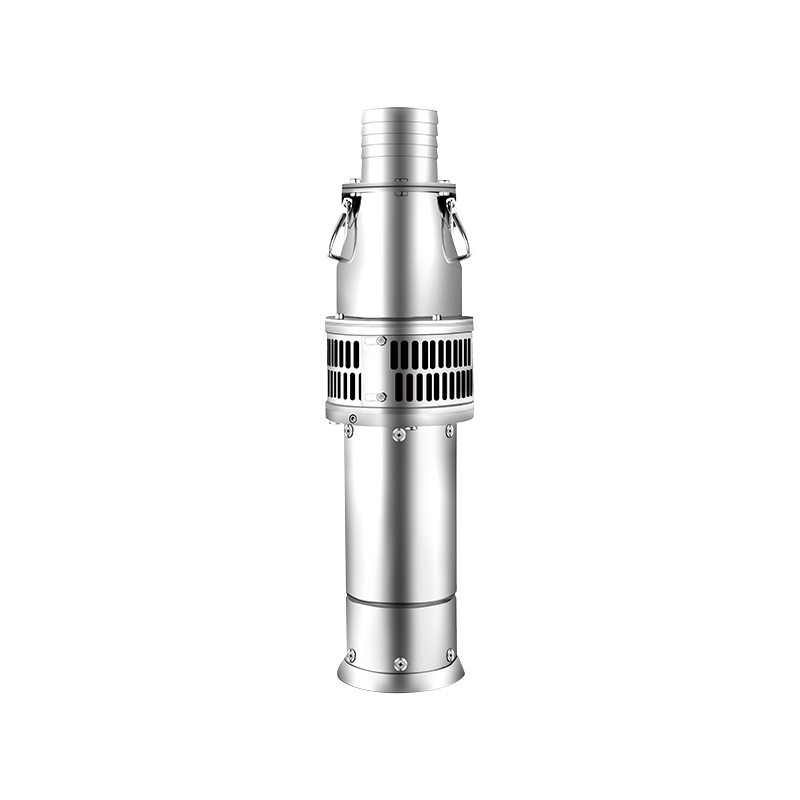
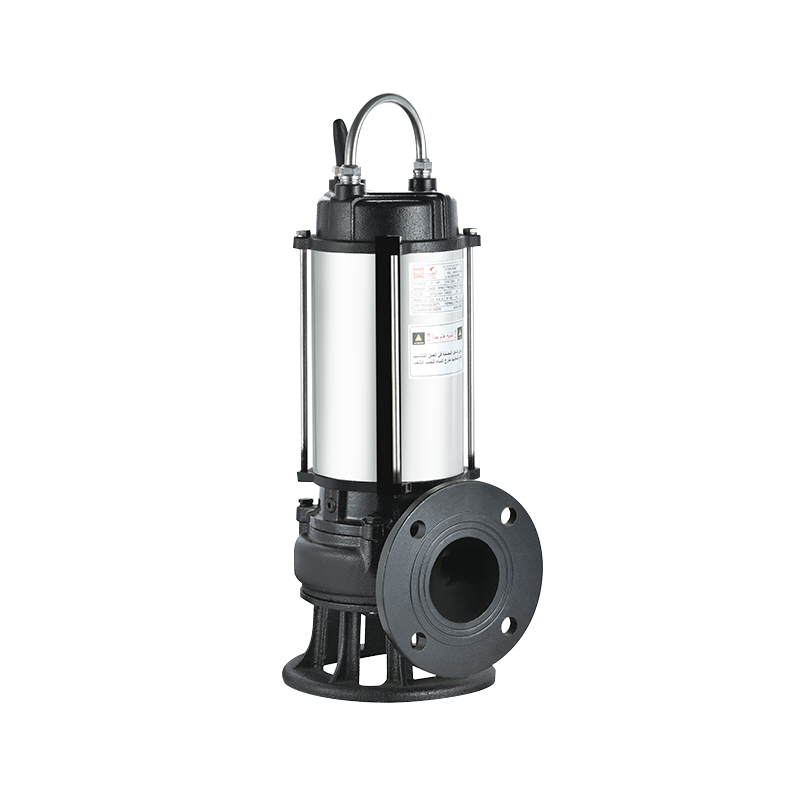
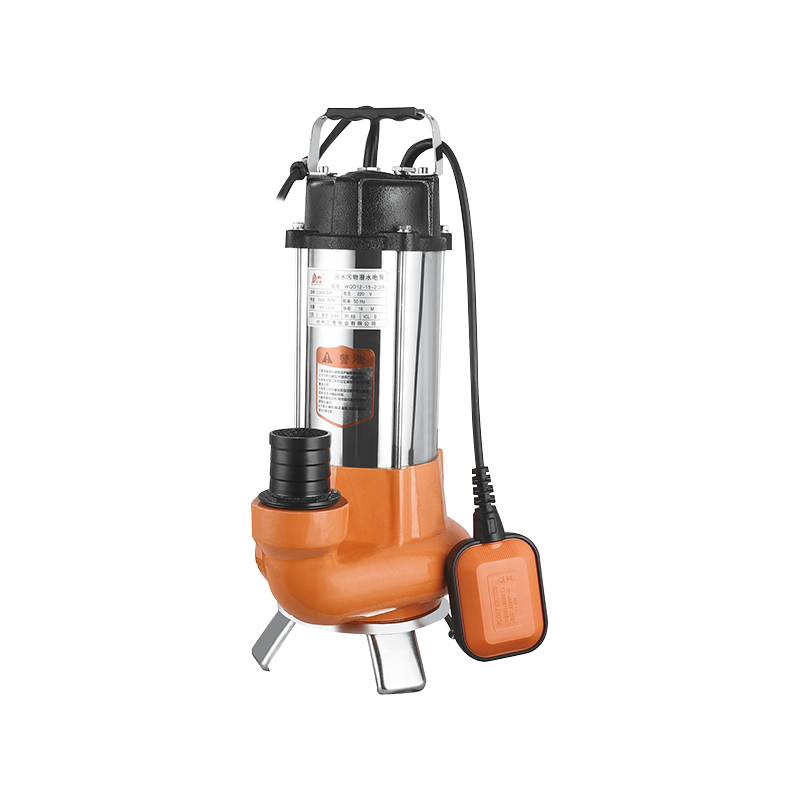
A submersible sewage pump is a fluid transfer device that integrates an electric motor and a pump, designed to operate completely submerged in sewage. It is also commonly known as a submersible wastewater pump and is a crucial component of modern drainage systems.
To provide you with a more comprehensive understanding of this equipment, I have compiled the following detailed information:
Core Definition and Working Principle
Simply put, a submersible sewage pump is an integrated "motor + pump" design that operates directly underwater.
Working Principle: Based on the principle of centrifugal force. When powered, the motor drives the impeller to rotate at high speed, drawing sewage from the inlet and pressurizing the liquid through centrifugal force before discharging it from the outlet, thus achieving the lifting and transfer of the liquid.
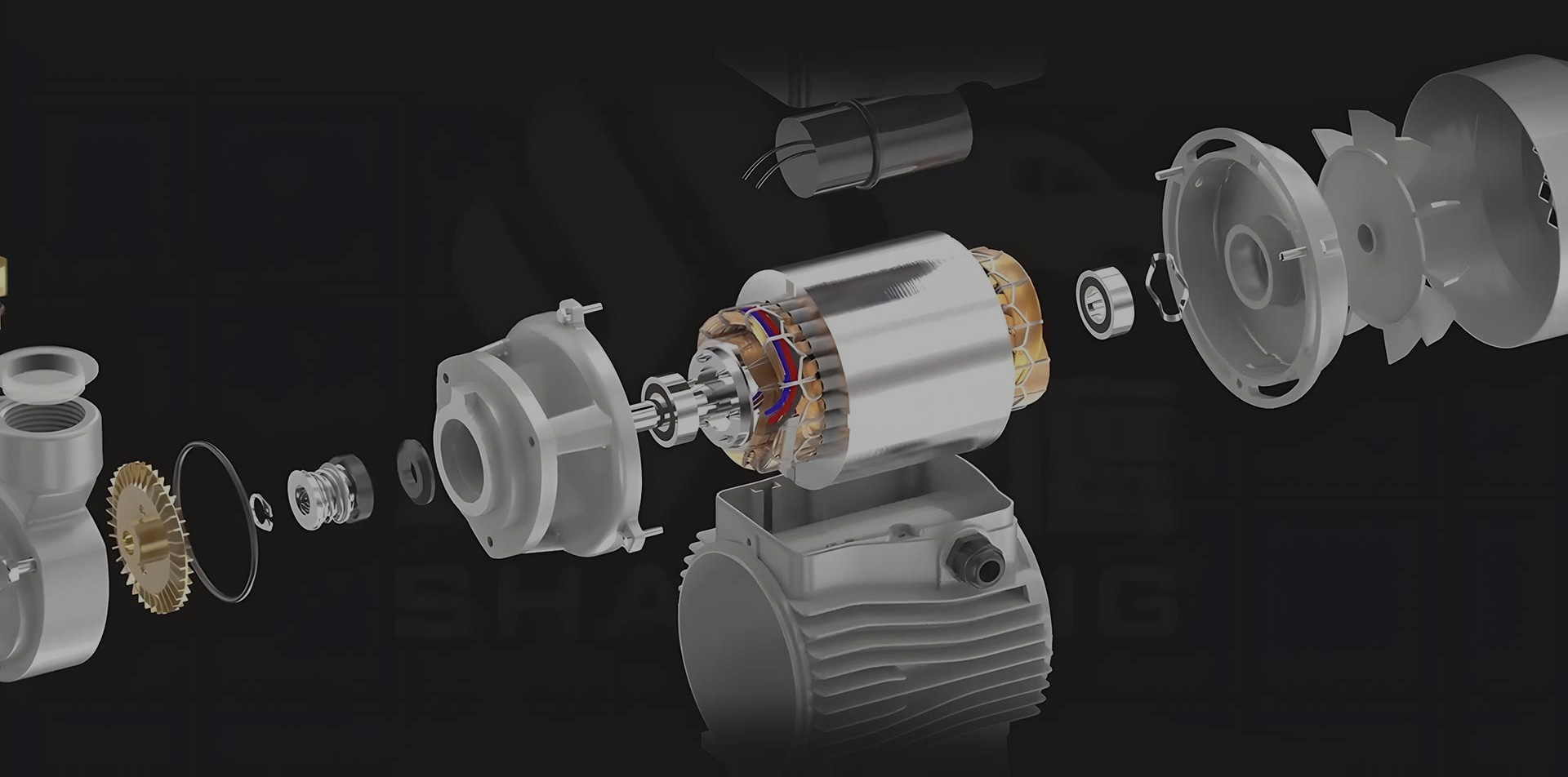
Core Structure: Mainly composed of the pump body, impeller, mechanical seal, electric motor, oil chamber (in some models), and cable.
Main Classifications
Based on different operating conditions, submersible sewage pumps are usually divided into the following categories:
Type Features Applicable Scenarios
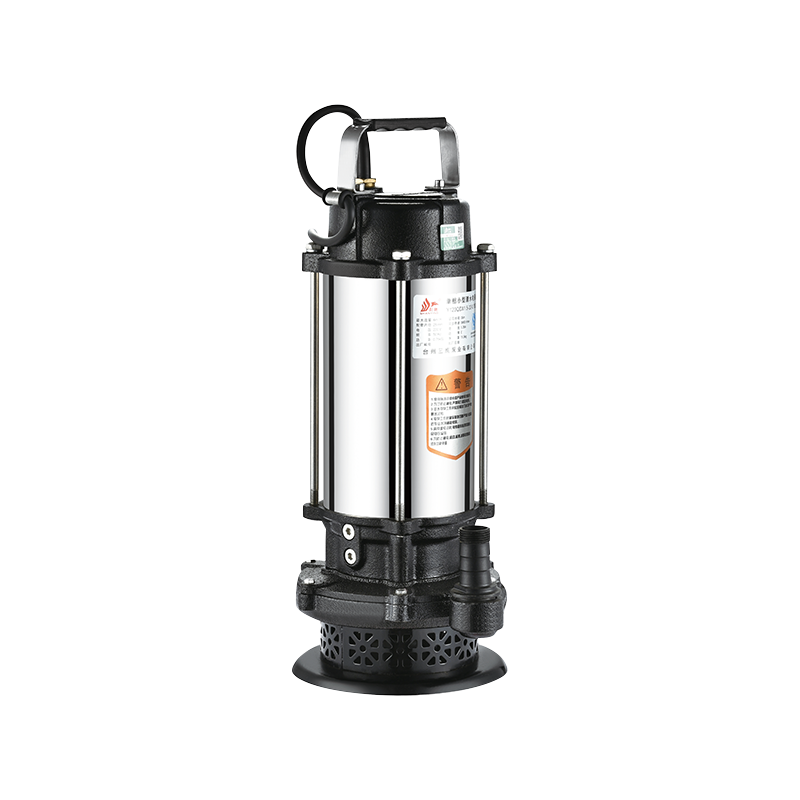
Ordinary Submersible Sewage Pump (WQ) Wide flow channel, clog-resistant, cost-effective. Drainage of construction sites, rainwater drainage, general domestic sewage.
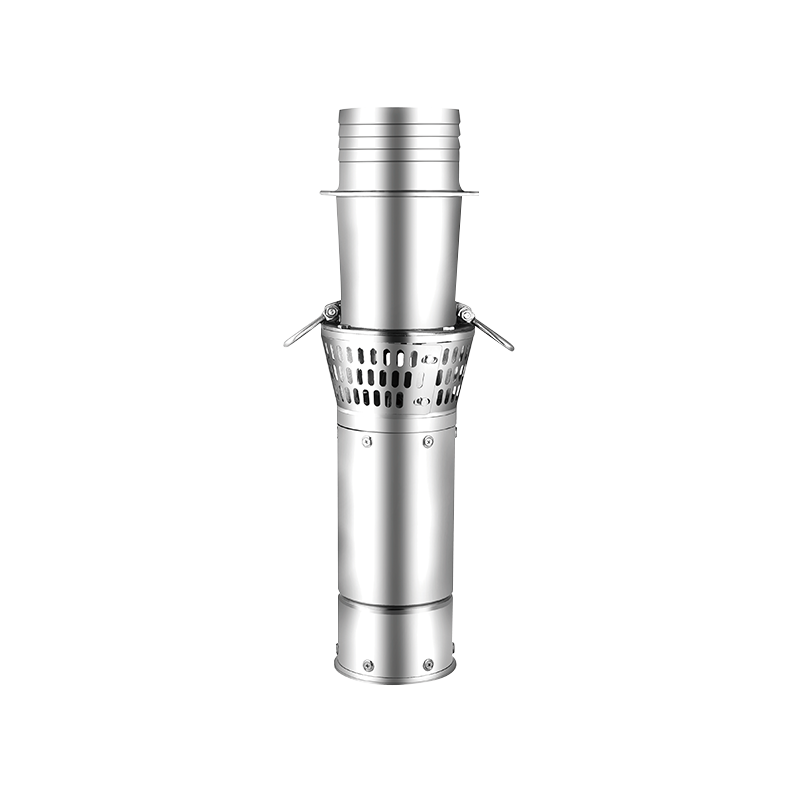
Stainless Steel Submersible Pump Corrosion-resistant, rust-proof, hygienic and pollution-free. Chemical wastewater, aquaculture, food industry, drinking water wells.
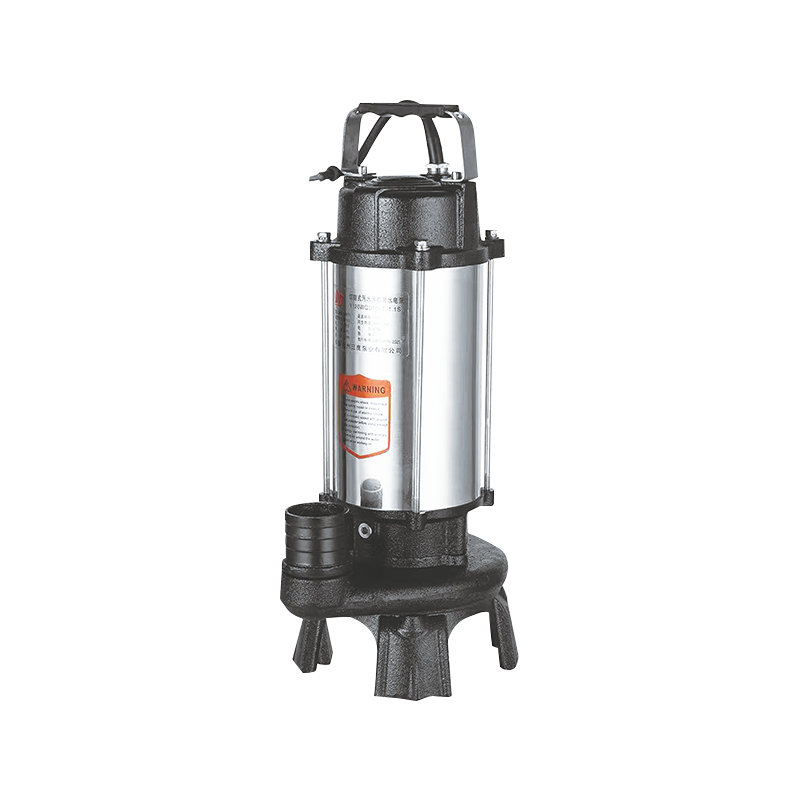
Cutting-Type Submersible Pump Equipped with alloy blades at the pump inlet to shred debris. Dirty water containing easily entangled materials such as plastic bags, rags, and weeds.
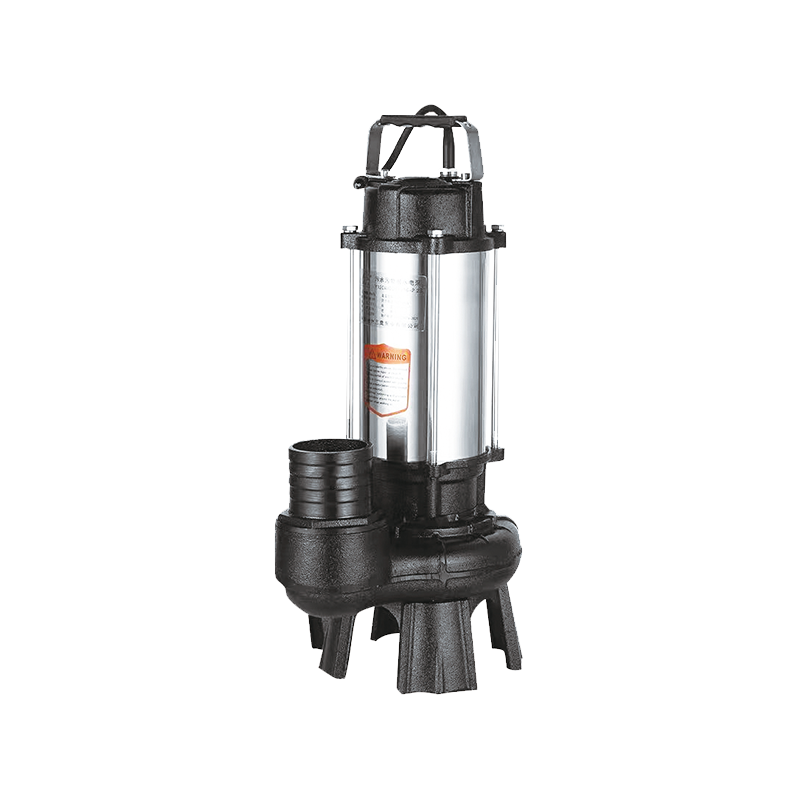
Agitating Submersible Pump Equipped with an agitating impeller to stir up sediment. Pumping and draining of sludge at the bottom of sewage tanks and sedimentation tanks.
Automatic Coupling Type Equipped with guide rails and couplers for easy installation and maintenance. Fixed installation in sewage pits and sumps.
Mobile Type Equipped with a handle or bracket, ready for use with a hose. Temporary emergency relief, agricultural irrigation, and small-scale water drainage.
Core Advantages
Why are submersible sewage pumps so popular in municipal and industrial fields? This is mainly due to the following advantages:
Convenient installation, cost savings
No need to build a dedicated pump house; it can be directly placed in a pool or pit for operation. With a dual-rail automatic coupling device, the pump body can slide in and out along the guide rails, eliminating the need for workers to descend into the sewage pit for maintenance, greatly reducing labor intensity.
Non-clogging, strong passability
Adopting a large-flow impeller or double-flow impeller design, it can smoothly pass solid particles (such as stones and rags) up to 50% of the pump's diameter and long fibrous materials, preventing clogging.
Smooth operation, low noise
Because the motor is submerged in water, the water itself acts as a cooling and sound insulation medium for the motor, resulting in very low noise during operation and good heat dissipation, extending the motor's lifespan.
Safe and reliable, multiple protection
Equipped with a double-ended mechanical seal (usually made of tungsten carbide) to prevent water from entering the motor.
Built-in protection system: such as a float switch (automatic control of water level start and stop), leakage detector (to detect whether water has entered the oil chamber), and overheat protector (to prevent motor burnout).
Typical Application Scenarios
Municipal Engineering: Urban sewage treatment plants, rainwater pumping stations, underpass tunnel drainage, overpass water drainage.
Construction Sites: Deep foundation pit dewatering, basement water drainage, construction mud water pumping.
Industrial Field: Wastewater discharge in chemical, paper, printing and dyeing, and pharmaceutical industries.
Commercial and Civil Use: Underground garage drainage, hospital/hotel sewage lifting, household basement flood control.
Agriculture: Farmland irrigation, fish pond dredging, aquaculture wastewater treatment.
Selection and Usage Suggestions
Consider the medium: For general muddy water, cast iron material is sufficient; for acid-base wastewater or seawater, be sure to choose 304 or 316L stainless steel.
Consider impurities: If the water contains a large amount of hair and plastic bags, it is recommended to choose a cutting or mixing type pump to prevent impeller entanglement.
Strictly prohibit dry running: Although it is called a submersible pump, it must be ensured that the pump body is completely submerged in water during operation. If the liquid level is too low and the motor is exposed to the water surface, it will quickly burn out due to poor heat dissipation.
Regular inspection: After long-term use, check whether the mechanical seal is worn and whether the cable is aging to ensure electrical safety. Submersible sewage pumps are powerful tools for handling dirty and muddy water; choosing the right type will make your drainage work efficient and hassle-free.


 English
 中文简体
中文简体