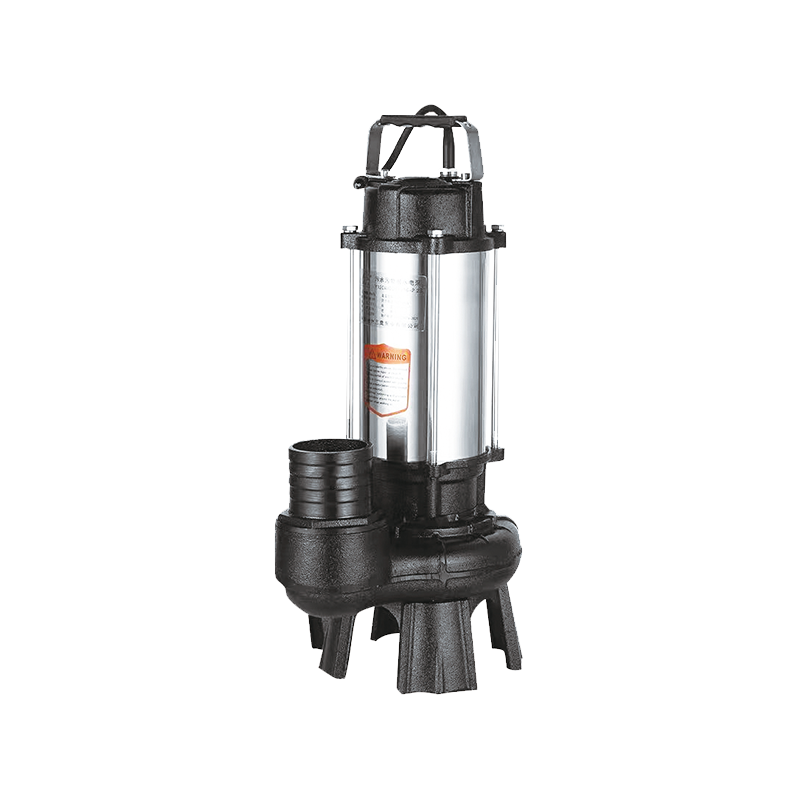
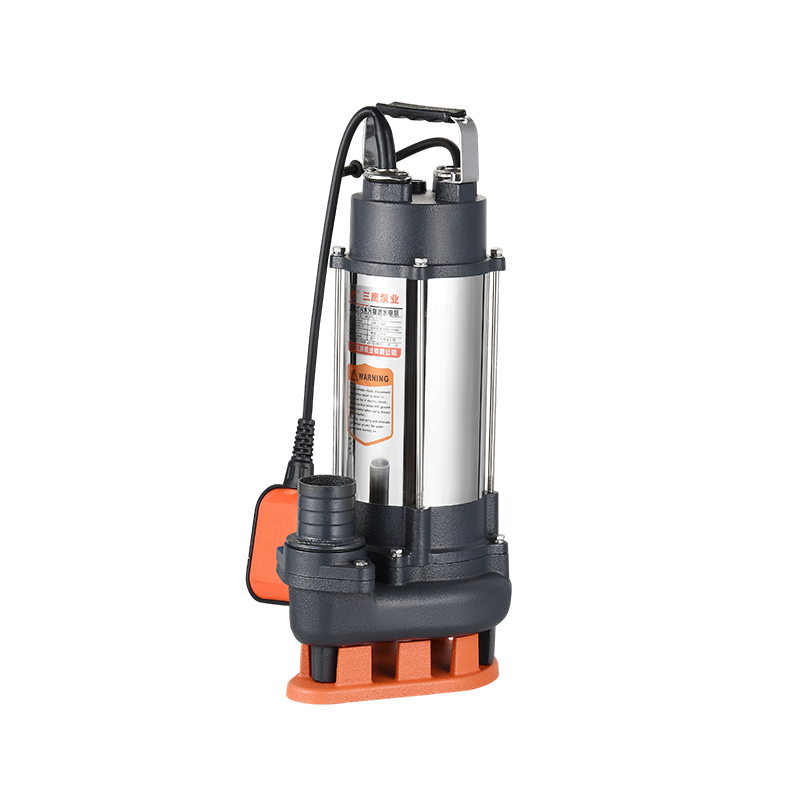
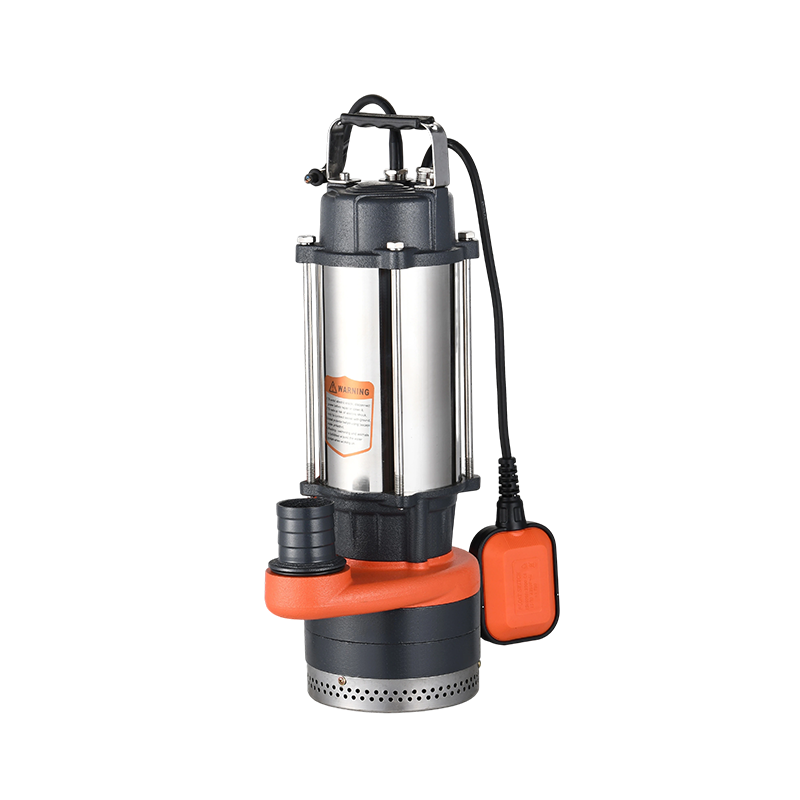
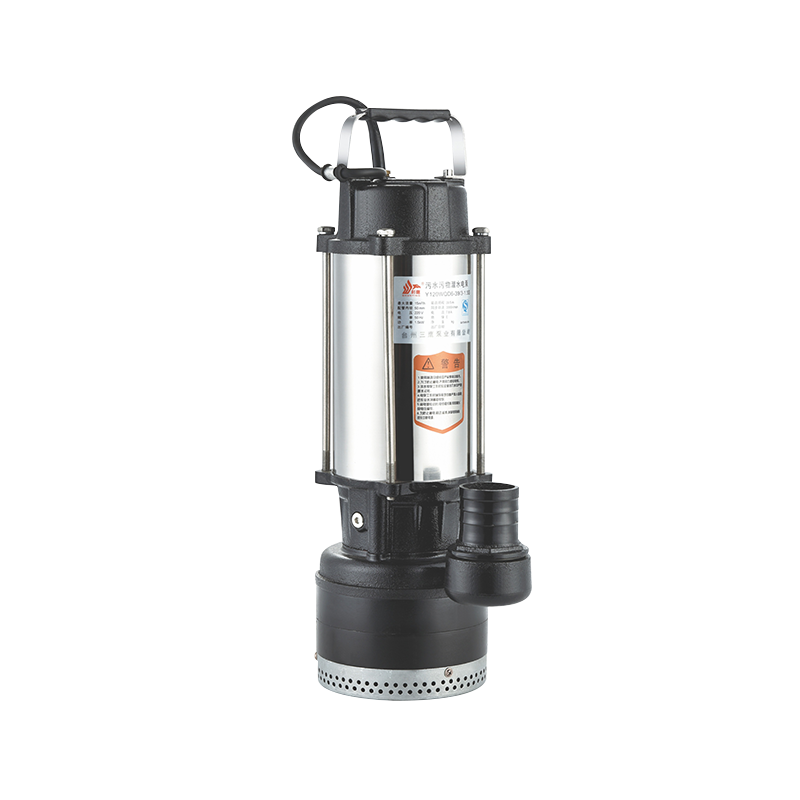
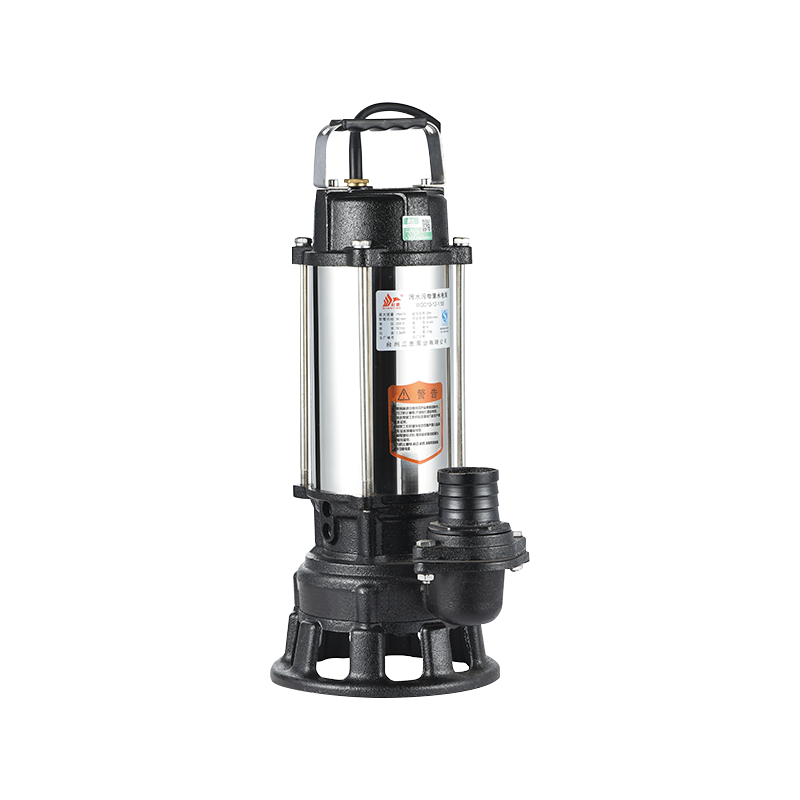
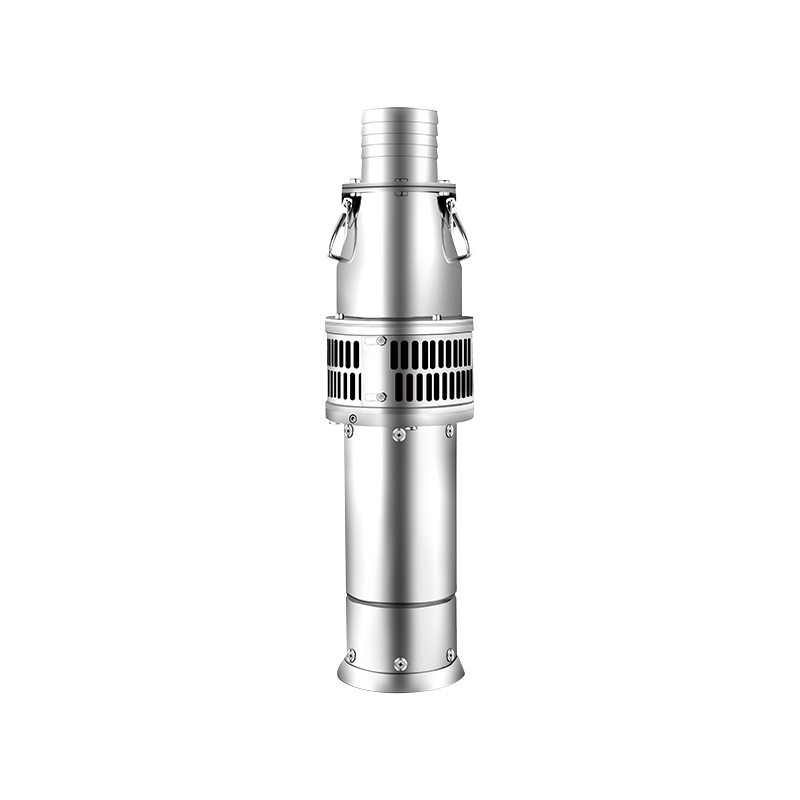
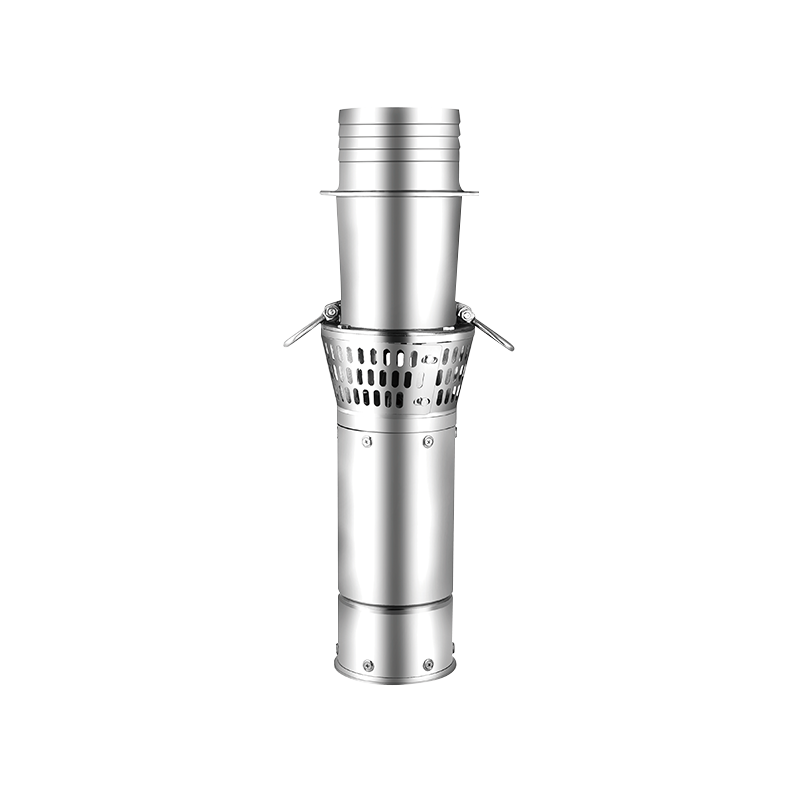
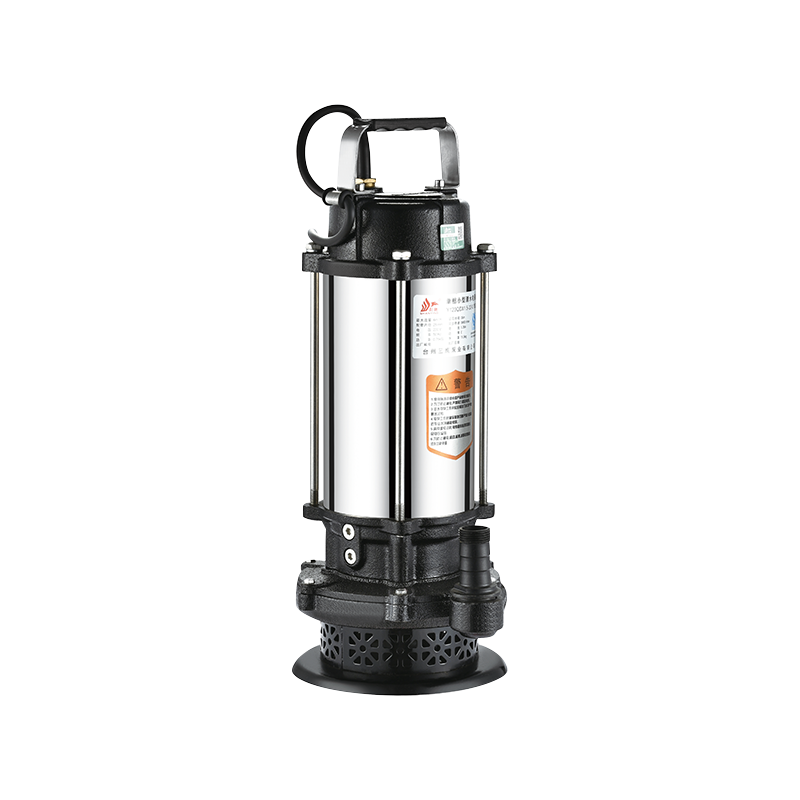
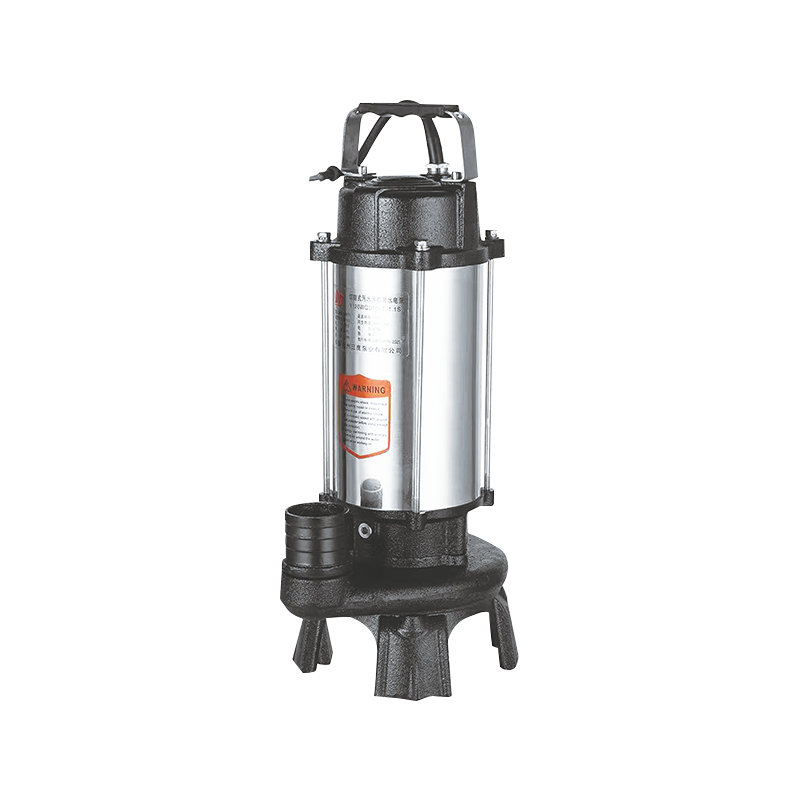
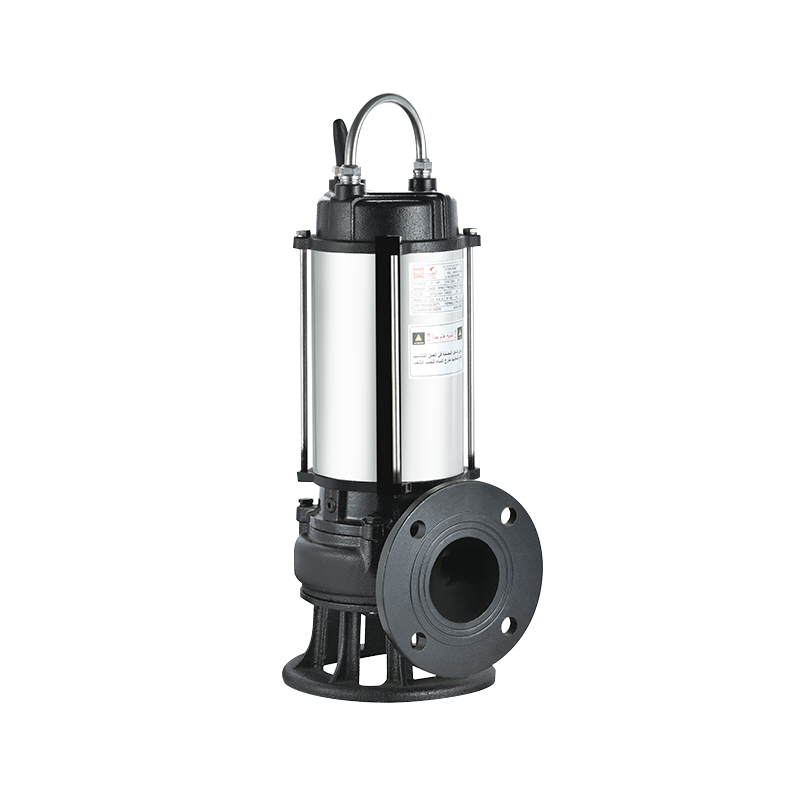
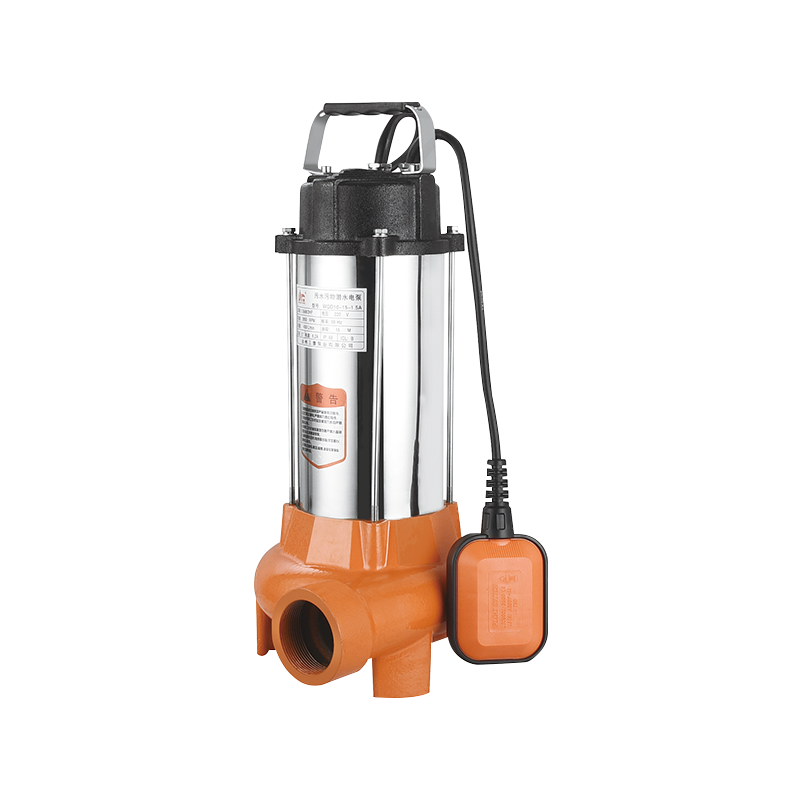
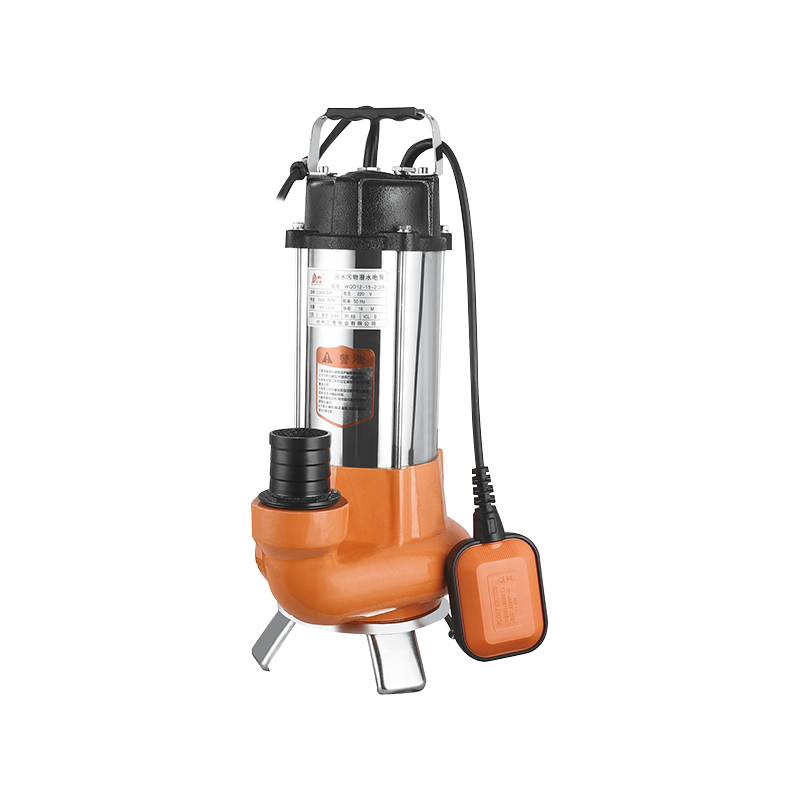
A high-flow sewage electric pump, as the name suggests, is an electric drainage device specifically designed to transport large volumes of sewage, sludge, or liquids containing solid particles per unit of time.
These pumps are typically powerful and have a large diameter, making them "workhorses" in urban flood control, industrial wastewater discharge, and agricultural irrigation and drainage. Based on the latest industry information, I have compiled its core features, classifications, and application scenarios for you:
What is a high-flow sewage electric pump?
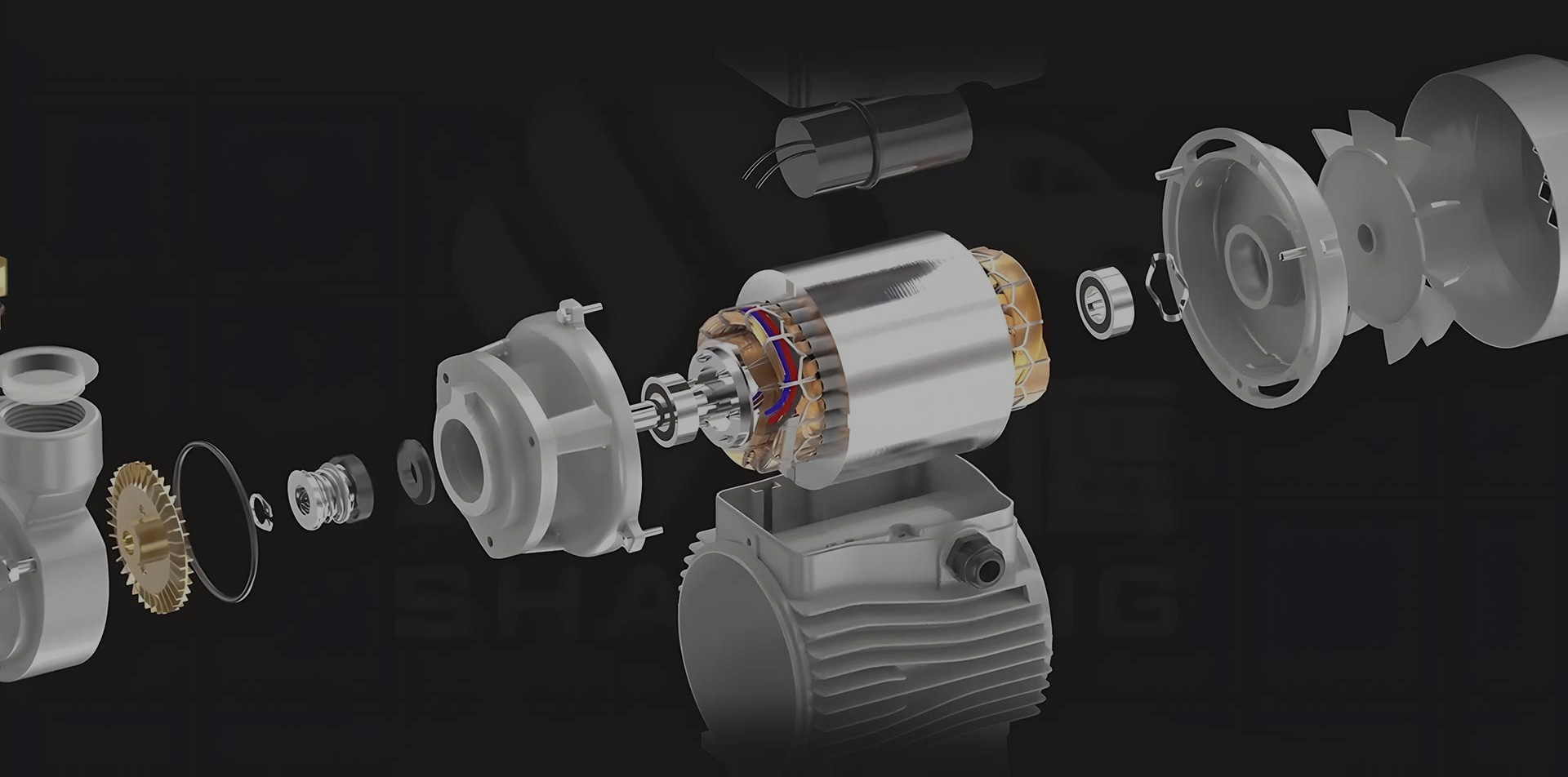
It is essentially a type of centrifugal pump, mainly composed of an electric motor, pump body, impeller, and sealing system. Unlike ordinary water pumps, its core advantages lie in its "large capacity" and "unobstructed flow":
High flow rate: Its design focuses on maximizing the drainage volume per unit of time, rather than simply pursuing high head.
Strong flow-through capacity: The flow channel is designed to be wide, allowing it to easily pass solid particles and long fibers, preventing clogging.
Main Classifications and Structural Forms
Based on installation methods and structural characteristics, high-flow sewage electric pumps are mainly divided into the following categories:
1. Submersible High-Flow Sewage Pumps (WQ / QW Series)
This is currently the most widely used type. The motor and pump body are integrated and submerged in water.
Features: No need for priming, easy installation (with automatic coupling device), low operating noise, and the motor is water-cooled for good heat dissipation.
Applications: Deep foundation pit drainage, sewage pool cleaning, flood control and drainage.
2. Horizontal/Vertical High-Flow Self-Priming Pumps (ZW / LY Series)
This type of pump is installed on the ground and uses a "self-priming" function to draw up sewage from a lower level.
Features: Convenient maintenance (no need to go underwater), strong self-priming ability (usually 5-7 meters), suitable for situations where the liquid level is below the pump body.
Applications: Mobile drainage, factory ground wastewater collection, river dredging.
3. Floating High-Flow Pumps
This is a special type of submersible pump that floats on the water surface using a float.
Features: Automatically floats with changes in water level, no fixed installation required, especially suitable for open water areas with large water level fluctuations.
Applications: Lake/reservoir circulation, large-area farmland irrigation and drainage, mine pit water discharge.
Core Technical Parameter Range (Reference)
The performance range of this type of pump is very wide, and the specific parameters depend on your actual needs:
Parameter Item Common Range Description
Flow Rate 100 - 11000 m³/h Ranging from hundreds of tons to tens of thousands of tons per hour
Head 5 - 120 m Typically, high-flow pumps have a relatively moderate head, mainly used for flat areas or short-distance transportation.
Power 11 - 900 kW Requires three-phase industrial power (380V or higher)
Inlet/Outlet Diameter DN80 - DN1000 The larger the diameter, the larger the solid particles that can pass through.
Passable Solids 20 - 145 mm Can pass solids up to 50% of the pump's inlet/outlet diameter.
Core Advantages and Features
Superb Sewage Discharge Capacity
Using single-channel or double-channel impellers (similar to bent pipe design), combined with anti-clogging mechanical seals, it can smoothly pass rags, plastic bags, sand, and even bricks without easily jamming.
High Efficiency and Energy Saving
Many of the new generation of high-flow pumps (such as the Leo WQ series) have reached the national first-class energy efficiency standard. By optimizing the hydraulic model, the efficiency is 6%-16% higher than traditional pumps, saving considerable electricity costs in long-term operation.
Safe and Reliable
Equipped with multiple protection systems, such as leakage detection sensors (to detect water ingress into the oil chamber), stator overheat protection, and oil-water probes. If any abnormality occurs, the control system will automatically alarm or shut down.
High Temperature and Corrosion Resistance (Optional)
For special working conditions, there are high-temperature resistant types (can pump hot water above 90℃) and stainless steel types (resistant to acid and alkali corrosion), offering strong adaptability.
Typical Application Scenarios
Urban Flood Control and Drainage: Rapidly pumping out accumulated water from underground overpasses, tunnels, and low-lying areas during heavy rain.
Municipal Sewage Treatment: Inlet lifting pump stations for large sewage treatment plants, transporting domestic sewage containing a large amount of impurities.
Industrial Wastewater Discharge: Applications in steel mills, paper mills, and chemical plants for discharging wastewater containing slag, fibers, or high-temperature wastewater.
Agriculture and Water Conservancy: Irrigation and drainage of large areas of farmland, fish pond water exchange, and reservoir water transfer. Construction and Mining: Dewatering of large construction pits, drainage of accumulated water in mine shafts.
Selection Suggestions
If you are planning to purchase or use this type of equipment, it is recommended to consider the following points:
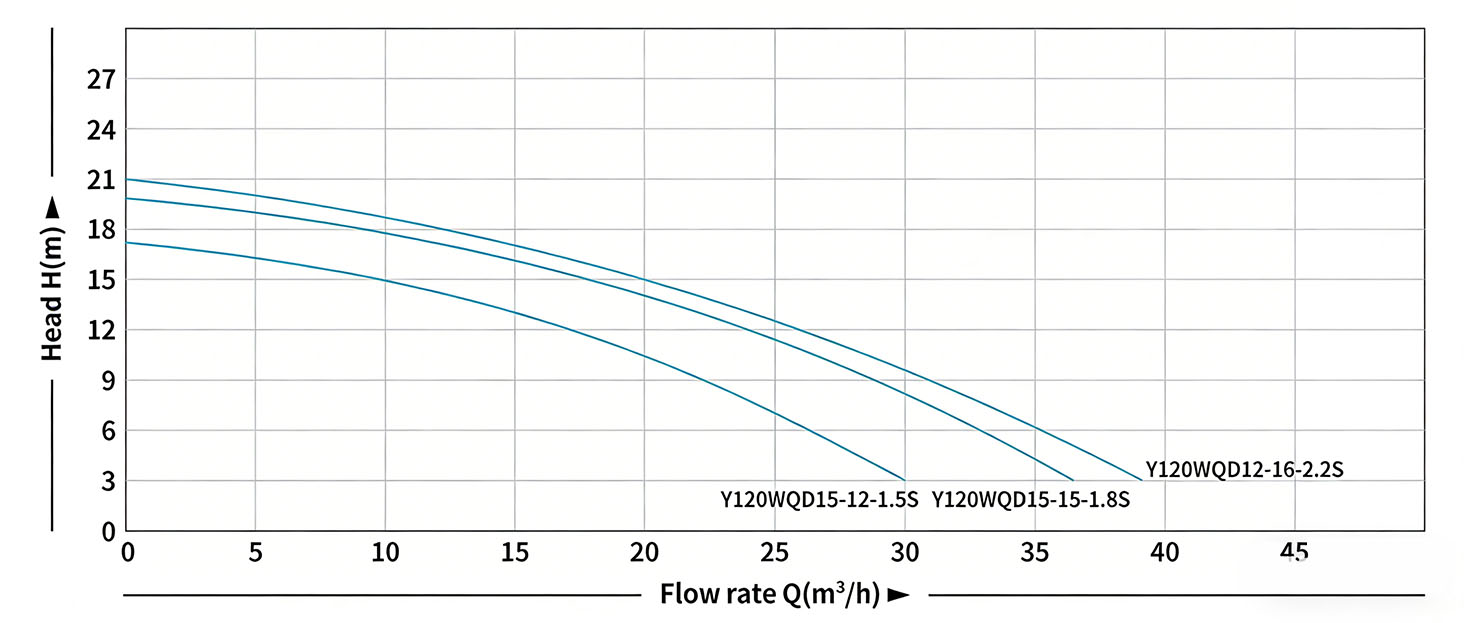
Confirm the balance between flow rate and head: Don't just look at the flow rate; consider your pipe length and height (head) when making your selection. If the head is insufficient, even a large flow rate will not be able to deliver the water.
Pay attention to "flow capacity": If the water contains a lot of debris (such as construction waste and domestic waste), it is recommended to choose a model with a cutting or mixing device.
Installation method: For fixed locations (such as pumping stations), automatic coupling installation is the most convenient; for emergency rescue or mobile use, a mobile or floating type is more flexible.
High-flow submersible electric pumps are the ultimate tool for solving the problem of transporting large volumes of dirty and contaminated liquids. Choosing the right model will make your drainage work much more efficient.


 English
 中文简体
中文简体