Home · Products · Stainless Steel Water Pump · Stainless Steel Submersible Pumps

Custom Submersible Pump

Contact us

Stainless Steel Submersible Pump

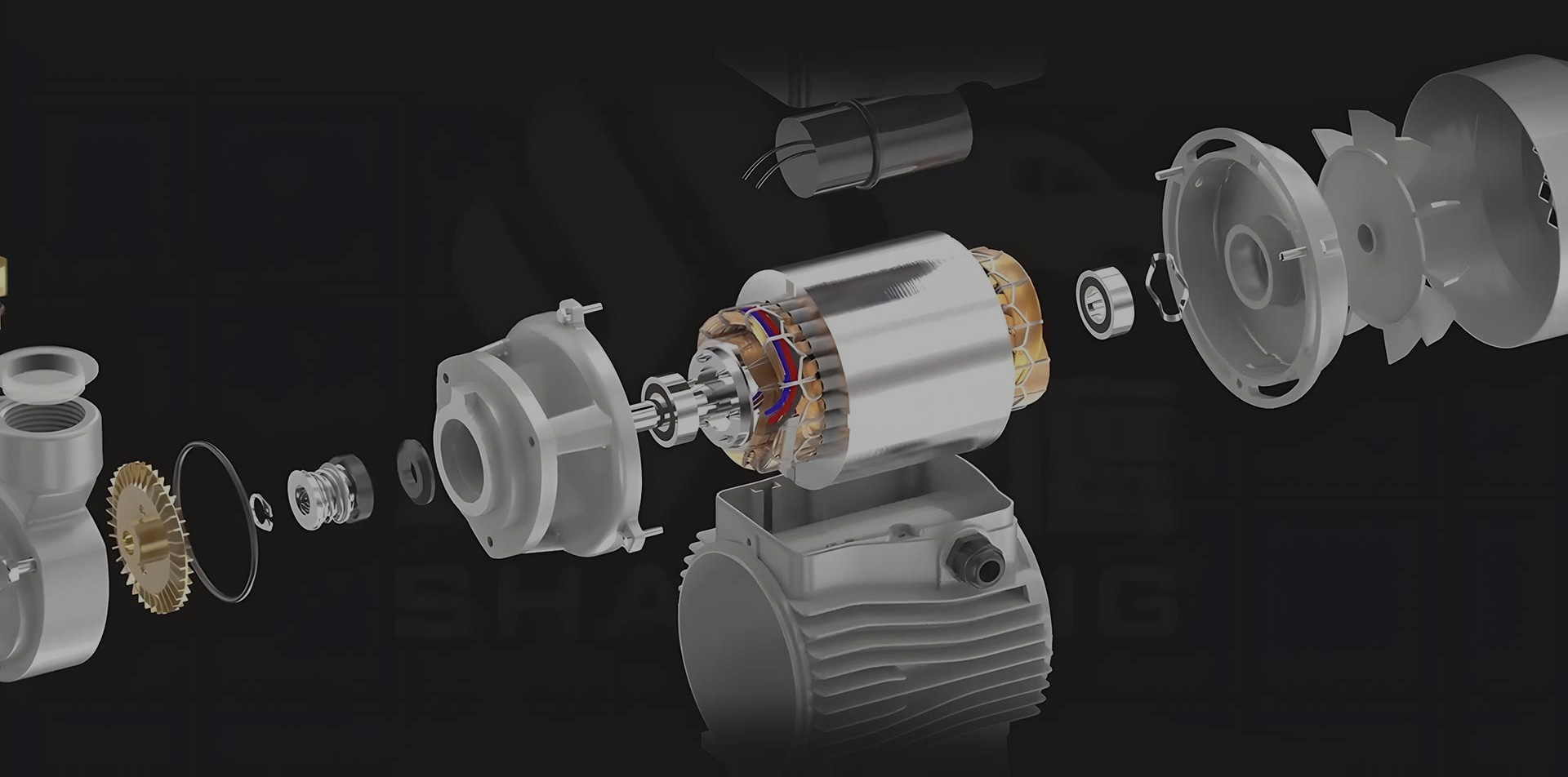
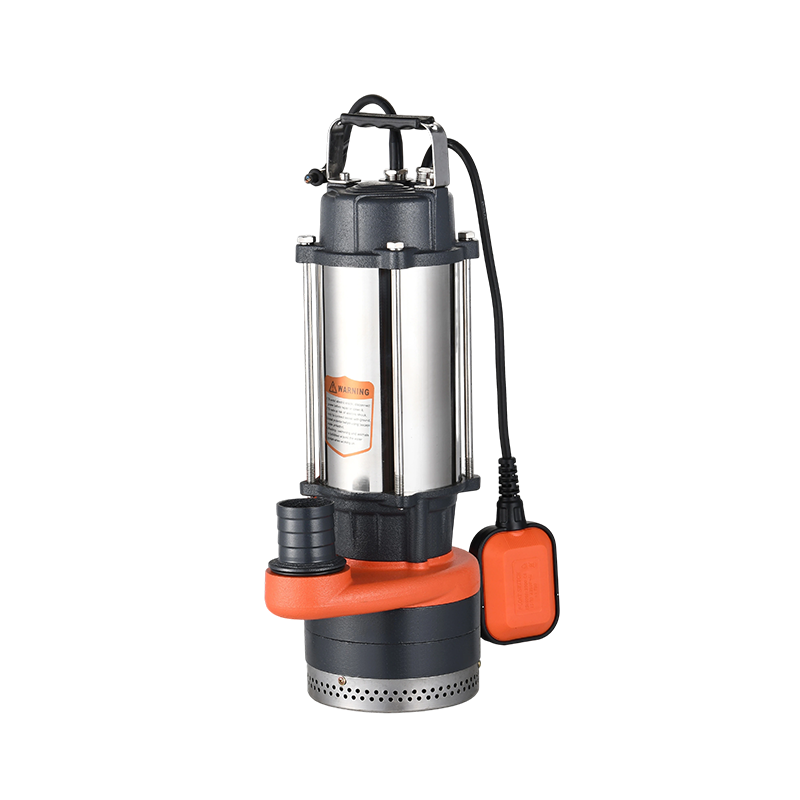
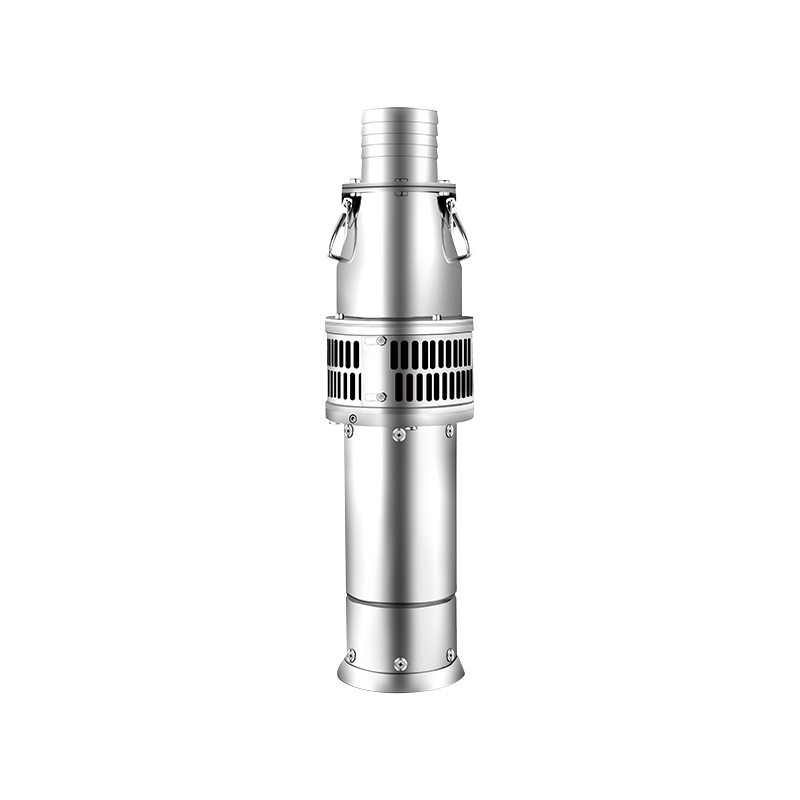
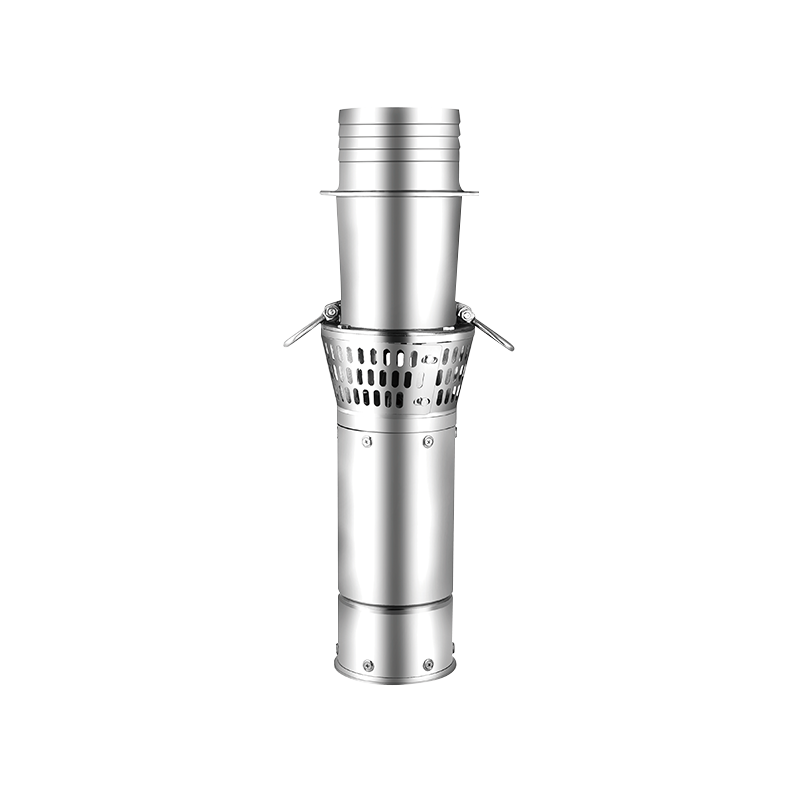
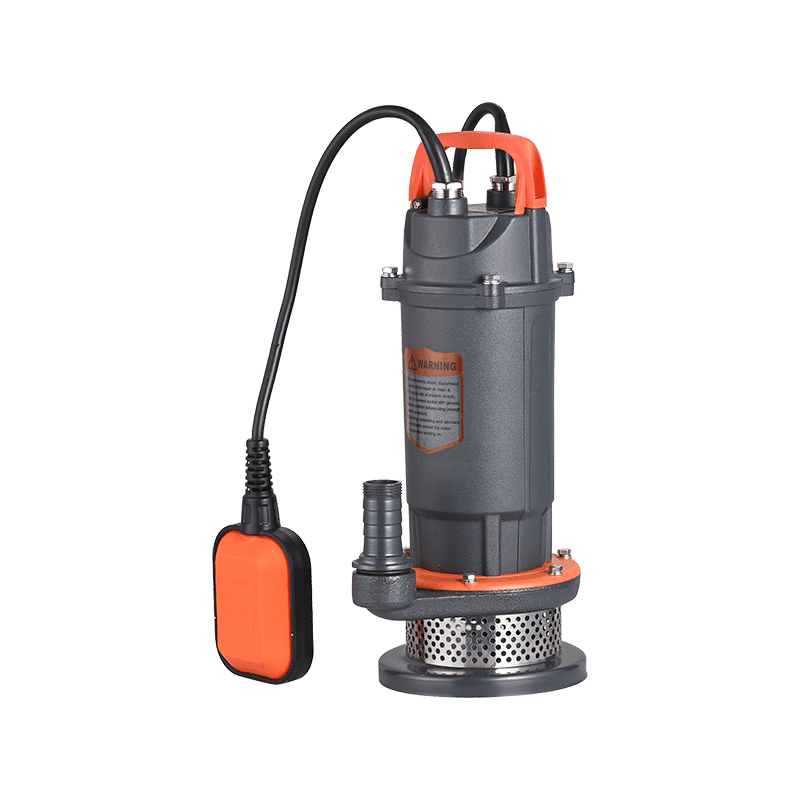
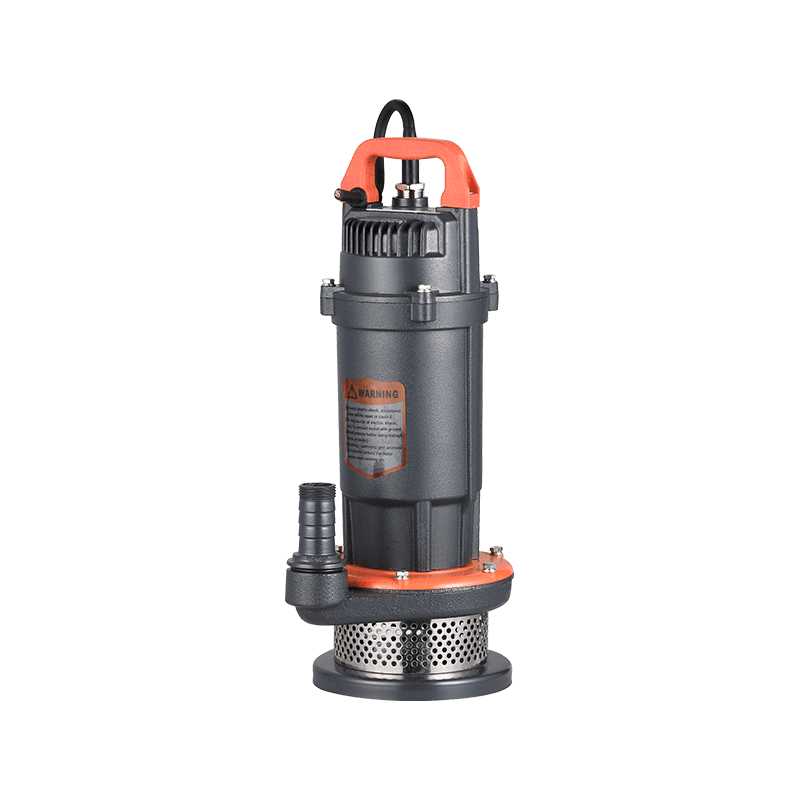
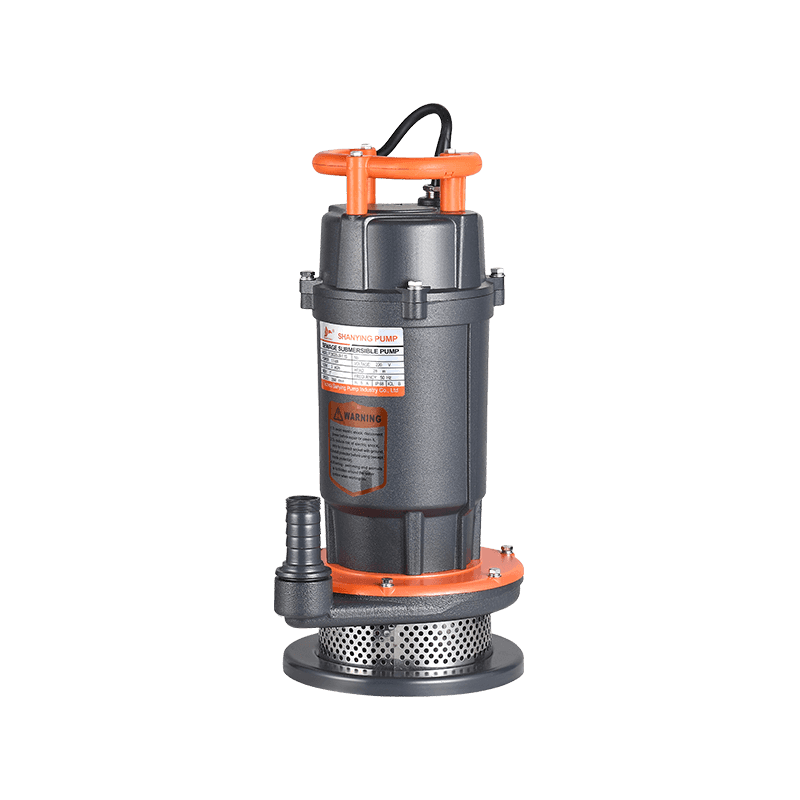
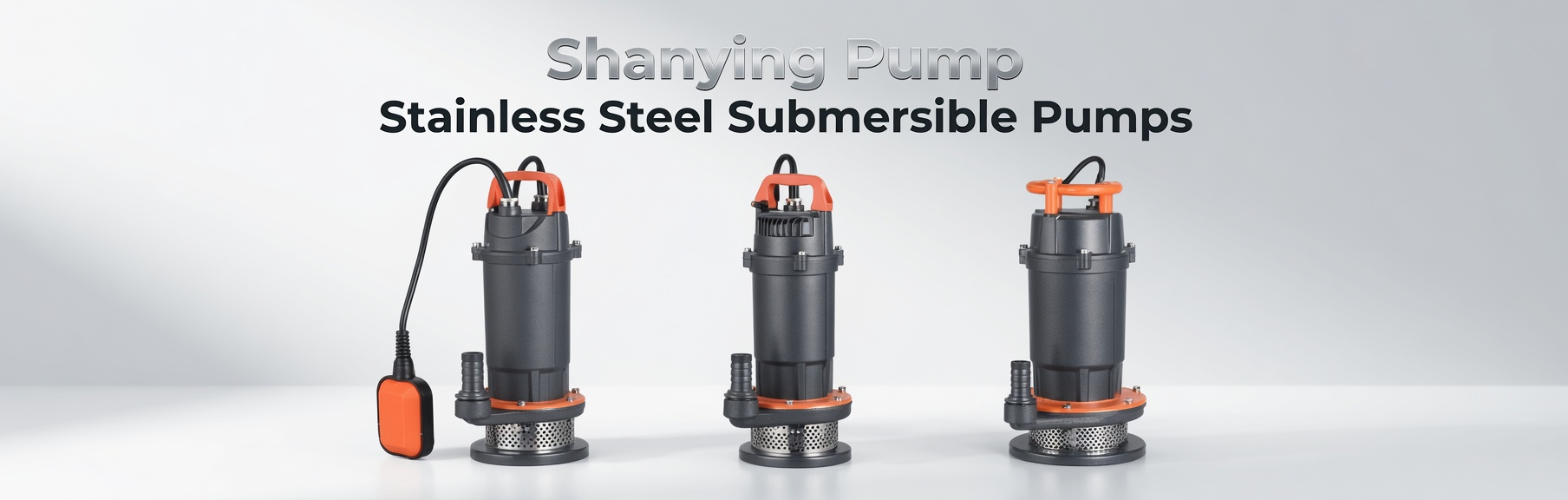
All-stainless steel construction paired with direct immersion in water — that's the operating principle behind stainless steel submersible pumps. Deep wells, rivers, ponds, industrial drainage: these pumps fit comfortably across all of these settings. Corrosion resistance and wear resistance both run high, keeping operation stable over extended periods, which is exactly why domestic water supply and light industrial water treatment lean on this pump type so often.

Main advantages:

All stainless steel construction, corrosion and wear resistant

Submersible design, saving space

Stable flow rate, low noise

Easy installation, can be directly immersed in water

Message Feedback
About
Taizhou Shanying Pump Co., Ltd.

Taizhou Shanying Pump Co., Ltd. is a Submersible Pump Supplier with product development, production, sales, and service. The company has a state Class B standard pump testing center, and actively implements the ISO9001 quality assurance system.

Because of our Automatic Submersible Pump products with stable quality, energy efficient, safe and reliable, and reasonable prices, favored by the users. Products are widely used in construction, firefighting, environmental protection, drainage, HVAC, and household.

News

Stainless Steel Submersible Pump for Deep Wells, Drainage, and Water Transfer

Lifting or transferring water directly from a submerged position — that's the job a stainless steel submersible pump gets called on to do. Surface pumps sit outside the water source; submersible pumps take the opposite approach, placed inside wells, tanks, rivers, ponds, drainage pits, or other water collection areas. Installation space gets saved through this design, suction limitations ease up, and water gets pushed upward from the source itself.

Under the Shanying Pump brand, Taizhou Shanying Pump provides stainless steel submersible pump products built for water supply, drainage, environmental protection, light industrial water handling, and general fluid transfer applications. Positioned as a China pump supplier, the company's water pump categories span stainless steel water pumps, intelligent water pumps, and solar water pumps — each supporting different installation conditions and application needs.

Overseas procurement teams, project engineers, distributors, and facility operators all share the same need: a clear understanding of the working environment before selecting the correct submersible pump. Motor power or outlet size alone should never be the deciding factor. Flow rate, head, water quality, cable length, installation depth, power supply, control method — every one of these shapes final performance.


What Is a Stainless Steel Submersible Pump?

Working underwater is exactly what a stainless steel submersible pump gets designed to do. Sealed construction across the motor and pump body makes submerged operation possible; water gets drawn in through an inlet, then pushed out through the outlet pipeline to reach the required discharge point.

Main Features

Corrosion resistance, compact installation, stable water lifting — these three requirements are usually what steer selection toward stainless steel submersible pumps.

Key characteristics include:

  • Submerged operation: The pump is installed directly in the water source.
  • Space-saving design: No separate pump room or large suction pipeline may be required.
  • Stainless steel structure: Helps resist rust, moisture, and certain mildly corrosive liquids.
  • Stable water lifting: Suitable for wells, tanks, ponds, and drainage areas.
  • Lower operating noise: Underwater operation can reduce transmitted noise in many installations.
  • Simple installation layout: The pump can often be connected directly to a discharge pipe and power cable.

Many water systems can put a stainless steel submersible pump to good use, though material and structure still need matching against the actual liquid. Clean water, sandy water, wastewater, mildly corrosive water — each of these may call for a different pump design.


Common Applications of Stainless Steel Submersible Pumps

Water removal, lifting, circulation, supply from below ground level or open water sources — stainless steel submersible pumps show up across all of these system types.

Deep Well Water Supply

Deep wells count among the most typical application areas for stainless steel submersible pumps. Below the water level is exactly where the pump sits, pushing water up to the surface or storage tank.

Common uses include:

  • Domestic well water supply
  • Rural water supply systems
  • Farm water lifting
  • Villa and residential water systems
  • Water supply from underground sources

Well diameter, dynamic water level, static water level, total lifting height, pipeline length, required daily water volume — selection for deep well applications should weigh all of these. Pump diameter and cable requirements need matching against the well structure too.

River, Pond, and Tank Water Transfer

Rivers, ponds, reservoirs, storage tanks, water collection basins — stainless steel submersible pumps handle water transfer across all of these sources. Agriculture, landscaping, construction, facility water management: these applications turn up often in each.

Typical scenarios include:

  • Irrigation water lifting
  • Garden and landscape watering
  • Tank drainage
  • Pond water transfer
  • Water storage circulation

Water quality deserves careful checking when pumping from rivers or ponds. Sand, mud, leaves, fibers, other suspended materials — any of these can affect impeller performance or trigger blockage. Depending on the site, a suitable inlet protection method may end up necessary.

Drainage and Water Removal

Direct installation in low-lying water collection areas is exactly what makes submersible pumps a common drainage choice. Humid, corrosive, exposed to variable water conditions — stainless steel construction holds up well across environments like these.

Suitable applications may include:

  • Basement drainage
  • Construction site drainage
  • Facility drainage pits
  • Rainwater collection areas
  • Environmental water discharge
  • Light industrial drainage

Particle size and solid content carry real weight for drainage use. Large solids, sludge, fibers, heavy sediment in the water call for selecting the pump structure accordingly. Not every sewage or sludge condition suits a general stainless steel submersible pump.

Light Industrial and Environmental Water Handling

Clean water, process water, washing water, compatible mildly corrosive liquids — light industrial and environmental applications often call on stainless steel submersible pumps for moving exactly these.

Application examples include:

  • Industrial clean water transfer
  • Equipment drainage
  • Water treatment support
  • Environmental protection systems
  • Auxiliary fluid transfer

Medium composition, temperature, pH range, viscosity, corrosion level — confirming all of these should come before using the pump for industrial liquids. Doing so helps determine whether the stainless steel material, mechanical seal, motor protection, and pump structure are actually appropriate.


Automatic Submersible Pump Options and Control Methods

Water level control or unattended operation — either need tends to point selection toward an automatic submersible pump. A float switch or control device handles the job in many drainage or tank applications, starting and stopping the pump according to the water level.

When Automatic Control Is Useful

Automatic control may be suitable for:

  • Basement drainage systems
  • Water tanks and collection pits
  • Rainwater discharge
  • Facility water level management
  • Intermittent drainage applications

Manual intervention drops with automatic operation, though the control method still has to match the installation environment. Enough space for the float switch to move freely, a water level range that suits the pump's start-stop conditions — both need confirming, for example.

Selection Considerations for Automatic Operation

When choosing an automatic submersible pump, confirm:

  • Start and stop water levels
  • Available space for float movement
  • Pumping frequency
  • Minimum water level for safe operation
  • Cable length and electrical protection
  • Whether continuous or intermittent operation is required

Motor life can take a hit from frequent start-stop cycles when the pump and control settings aren't properly matched.


How to Select a Suitable Stainless Steel Submersible Pump

Hydraulic performance, water conditions, installation method, power requirements — checking all four of these carries real weight when selecting a stainless steel submersible pump.

Flow Rate

How much water the pump can deliver within a given time — that's what flow rate comes down to, and matching it against actual system demand matters most.

Important questions include:

  • How much water must be pumped per hour?
  • Is the system used continuously or occasionally?
  • Is the water discharged to a tank, pipeline, irrigation system, or open area?
  • Are there peak flow requirements?

Slow drainage or inadequate water supply tends to follow when flow falls short. Push flow too far past what's needed, though, and energy consumption climbs while the pipeline system risks overload.

Head and Lifting Height

Total resistance the pump has to push through — that's head, at its core. Vertical lifting height from the water level to the discharge point, pipeline friction loss, elbows, valves, filters, outlet pressure: submersible pumps factor in all of it.

Key details include:

  • Installation depth
  • Vertical lifting height
  • Horizontal pipeline distance
  • Pipe diameter
  • Required outlet pressure
  • Number of bends and valves

Water never reaches the required position when head runs too low. Set it much higher than the job calls for, and inefficient operation tends to follow.

Water Quality

Few factors carry as much weight in submersible pump selection as water quality does. Corrosion resistance goes up with stainless steel, sure — but matching the pump structure to the actual liquid still can't be skipped.

Please confirm whether the water contains:

  • Sand or sediment
  • Mud or suspended solids
  • Fibers or leaves
  • Weak acid or weak alkaline components
  • Corrosive substances
  • Higher temperature liquid
  • Wastewater or clean water

Allowable particle size and impeller structure both need careful consideration when dirty water or wastewater is involved.

Power Supply and Installation Conditions

The pump motor sets the terms power supply has to meet. Voltage, frequency, phase options — these shift from one project to the next.

Installation conditions to confirm include:

  • Well, tank, pond, river, or drainage pit installation
  • Submerged depth
  • Cable length requirement
  • Indoor or outdoor environment
  • Available installation space
  • Need for automatic control
  • Maintenance access

Pump stability improves, avoidable operating problems drop — that's what correct installation planning tends to deliver.


Why Choose a Submersible Pump Supplier for Technical Selection

Product selection tends to land more accurately when a professional submersible pump supplier is part of the process. Stainless steel submersible pump products sit within the Shanying Pump stainless steel water pump category at Taizhou Shanying Pump Co., Ltd., and the company's product center stretches further still, covering intelligent water pumps and solar water pumps built for different water supply and transfer requirements.

A pump supplier can help evaluate:

  • Whether stainless steel construction is suitable for the liquid
  • Whether the pump can meet the required flow and head
  • Whether automatic control is needed
  • Whether the installation depth and cable length are appropriate
  • Whether the pump structure matches clean water, drainage water, or mildly corrosive media
  • Whether the power supply matches the project location

Clear technical communication cuts down on selection errors — that holds especially true for international projects and equipment sourcing. The complete system is what a suitable stainless steel submersible pump needs to match, not the water source alone.


Selection Reference for Stainless Steel Submersible Pumps

The following table summarizes key factors that influence submersible pump selection.

Selection Factor Why It Matters Information to Confirm
Flow rate Determines water delivery or drainage capacity Required volume per hour or per minute
Head Determines lifting height and discharge pressure Water level, discharge height, pipe length
Water quality Affects pump structure and material suitability Clean water, sand, particles, wastewater, corrosion
Installation depth Influences cable length and pump configuration Well depth, tank depth, submerged position
Control method Determines manual or automatic operation Float switch, control panel, water level range
Power supply Affects motor compatibility Voltage, frequency, phase, local power conditions

These factors provide a practical starting point for choosing a stainless steel submersible pump for water supply, drainage, irrigation, and light industrial applications.


Inquiry Guidance for Stainless Steel Submersible Pump Selection

Main working condition details make all the difference when it comes to a suitable stainless steel submersible pump recommendation — sharing these with Taizhou Shanying Pump Co., Ltd. is exactly where the process starts. Complete information puts Shanying Pump in a better position to understand the actual application and point toward a more suitable pump direction.

Please include:

  • Required flow rate
  • Required head or discharge pressure
  • Water source, such as deep well, tank, river, pond, reservoir, drainage pit, or pipeline system
  • Water quality, including clean water, sandy water, particles, weak acid, weak alkali, wastewater, or corrosive liquid
  • Power supply, including voltage, frequency, phase, and local electrical conditions
  • Installation depth, cable length requirement, and discharge pipeline distance
  • Application scenario, such as domestic water supply, irrigation, drainage, construction site dewatering, environmental water handling, or light industrial fluid transfer
  • Whether automatic operation or water level control is required

Flow, head, water source, water quality, power supply, application scenario — with these details in hand, Shanying Pump can support stainless steel submersible pump selection across every one of these factors.