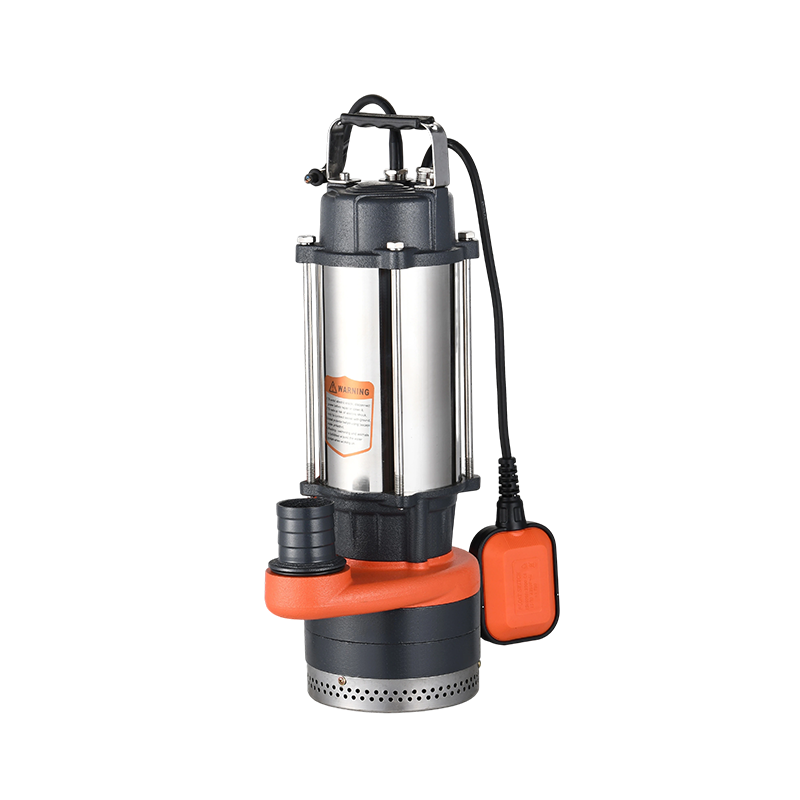
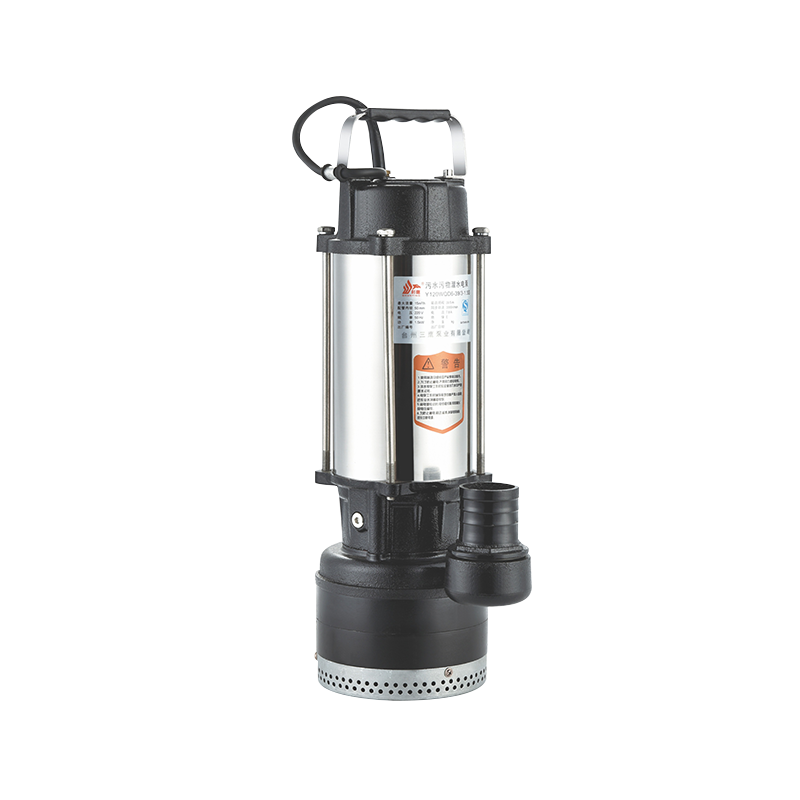
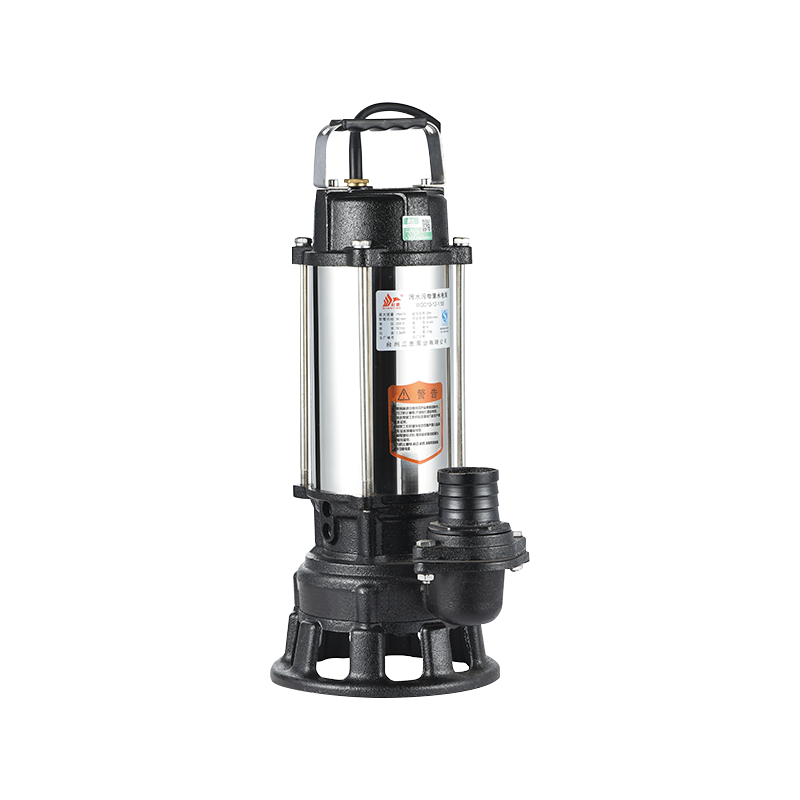
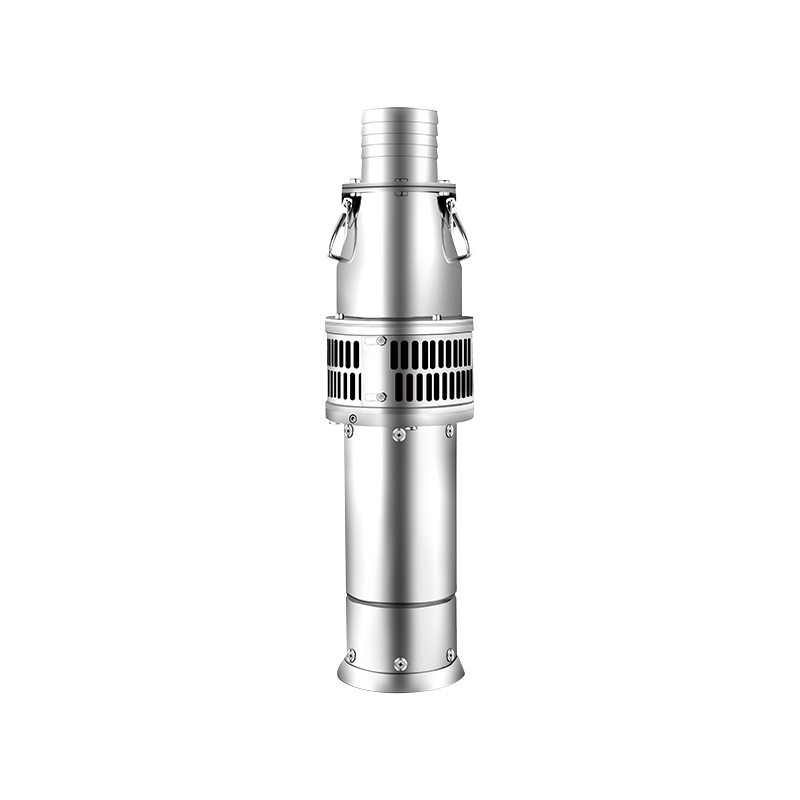
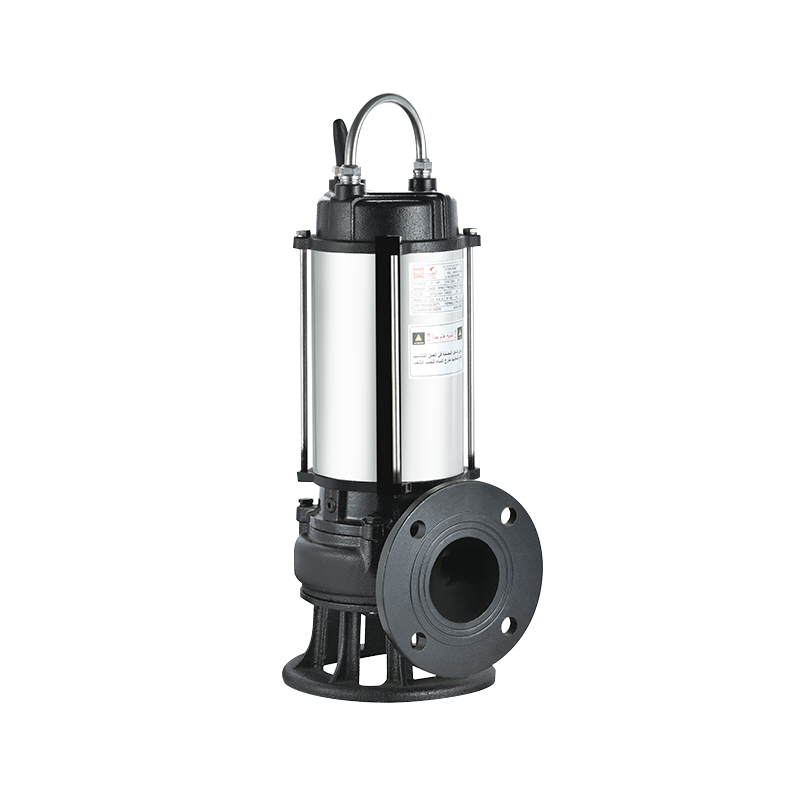
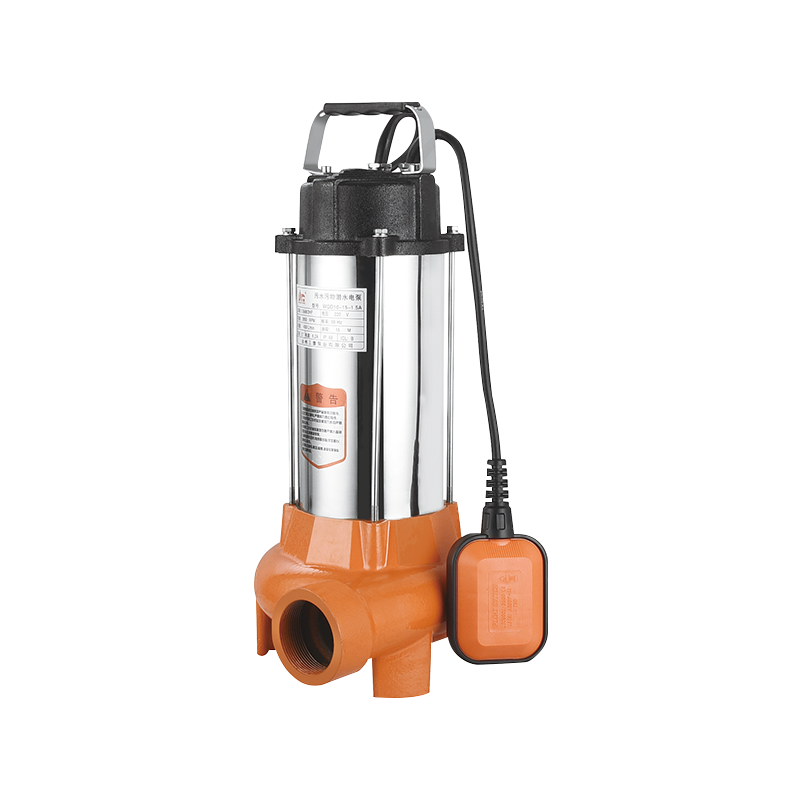
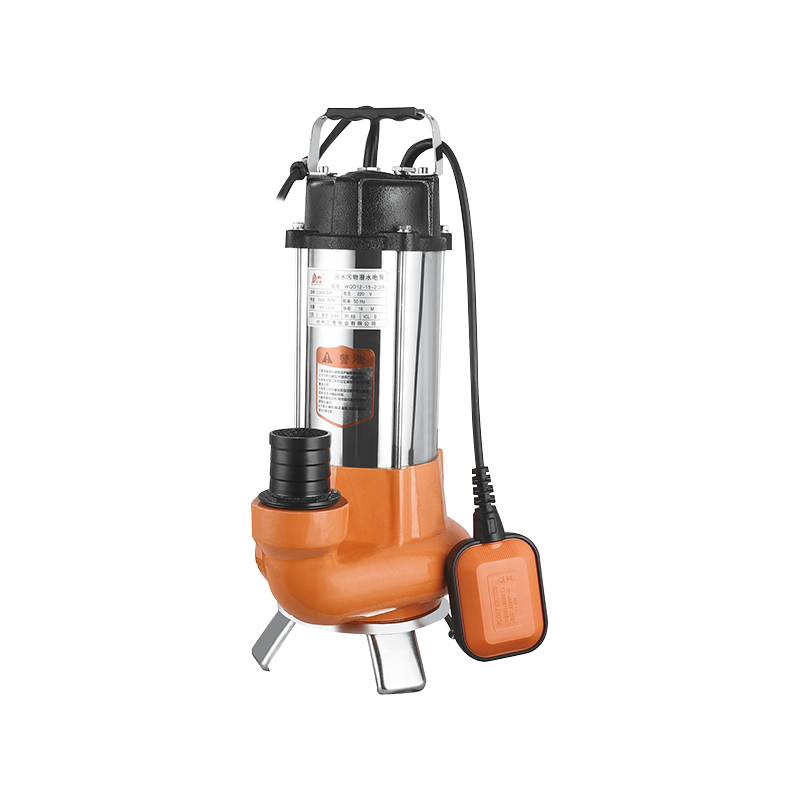
Working Principle
The core working principle of a submersible pump is centrifugal force.
1. Before starting: The pump body and suction pipe must be filled with liquid.
2. During operation: The motor drives the impeller to rotate at high speed. The liquid rotates with the blades, and under the action of centrifugal force, the liquid is thrown to the outer edge of the impeller. After being decelerated and pressurized through the pump casing channel, it is discharged.
3. Continuous water intake: A vacuum low-pressure zone is formed at the center of the impeller. The liquid in the pool, under the action of atmospheric pressure, continuously flows into the pump through the suction pipe, achieving continuous drainage.
Core Structure
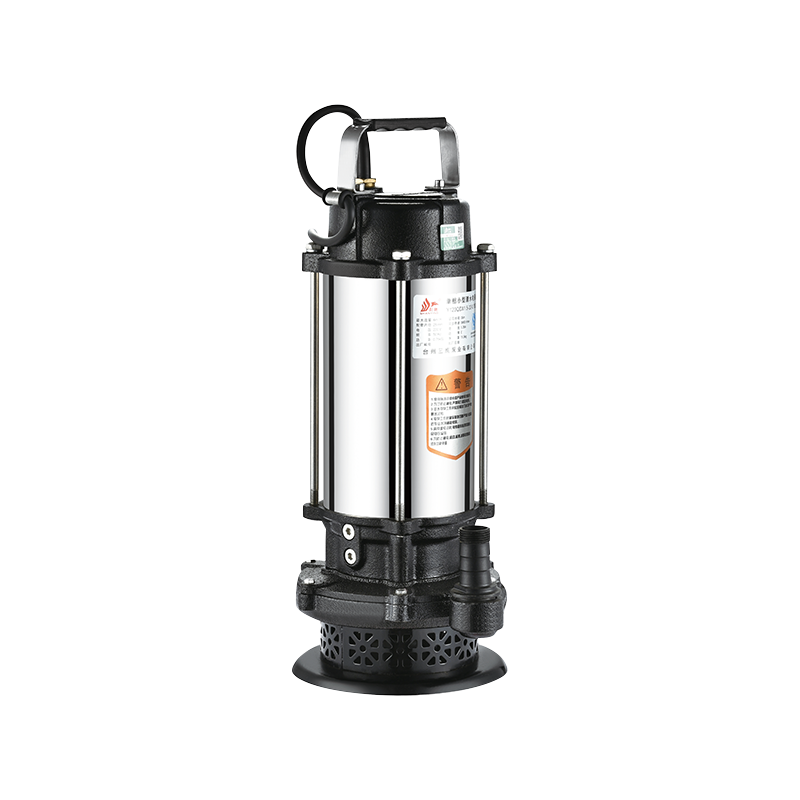
A standard submersible pump usually consists of the following main parts:
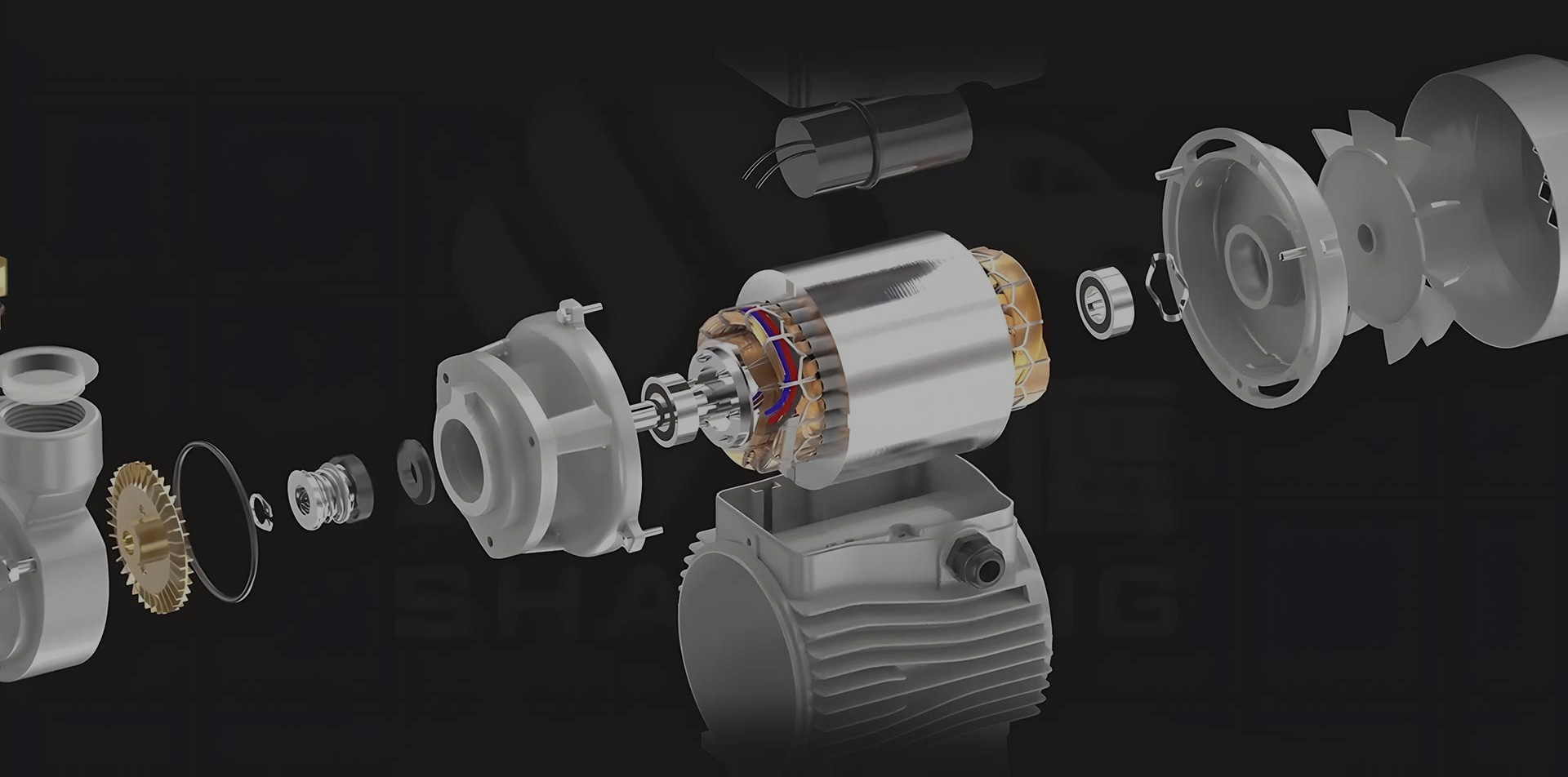
Pump section: Including the impeller, pump casing, guide vanes, etc., responsible for converting mechanical energy into kinetic and pressure energy of the liquid.
Motor section: Provides power to the pump. Based on the sealing method, it is divided into dry type, oil-filled type, and water-filled type (see classification below).
Sealing device: This is the "heart protector" of the submersible pump. Usually, a double-ended mechanical seal or a series seal is used to prevent water from entering the motor.
Auxiliary system: Including cables, control cabinet (protecting the motor from overload, leakage, etc.), delivery pipe (connecting the pump to the ground), and automatic coupling device (for easy installation and maintenance).
Main Classifications
Submersible pumps come in many types, and can usually be classified from the following dimensions:
1. Classification by Use
This is the most common classification method, which determines the material and flow channel design of the pump:
| Type | Features | Applicable Scenarios |
|----------------------|--------------------------------------------------------------------------|---------------------------------------------------------------------------------------------------------------------|
| Clean Water Submersible Pump | Smooth flow channel, high efficiency, usually multi-stage impeller. | Pumping clean water from wells, agricultural irrigation, garden sprinkler irrigation, and other clean water applications. |
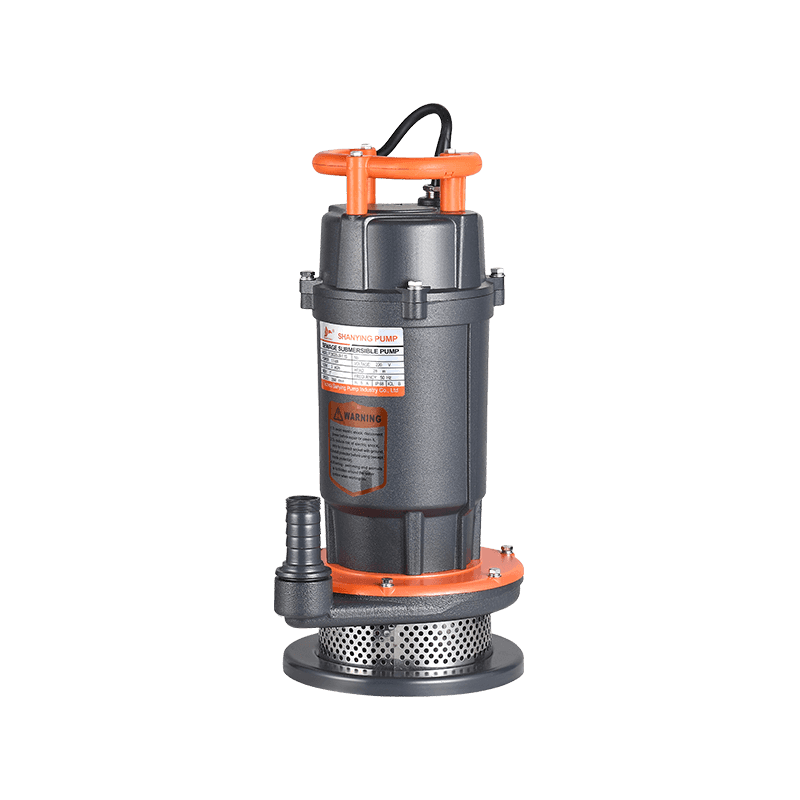
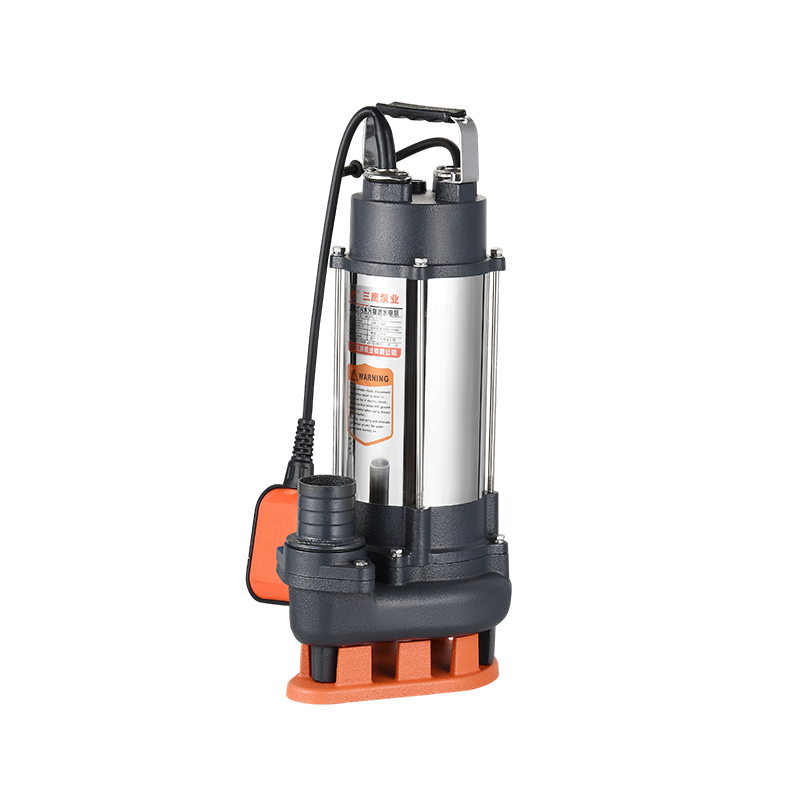
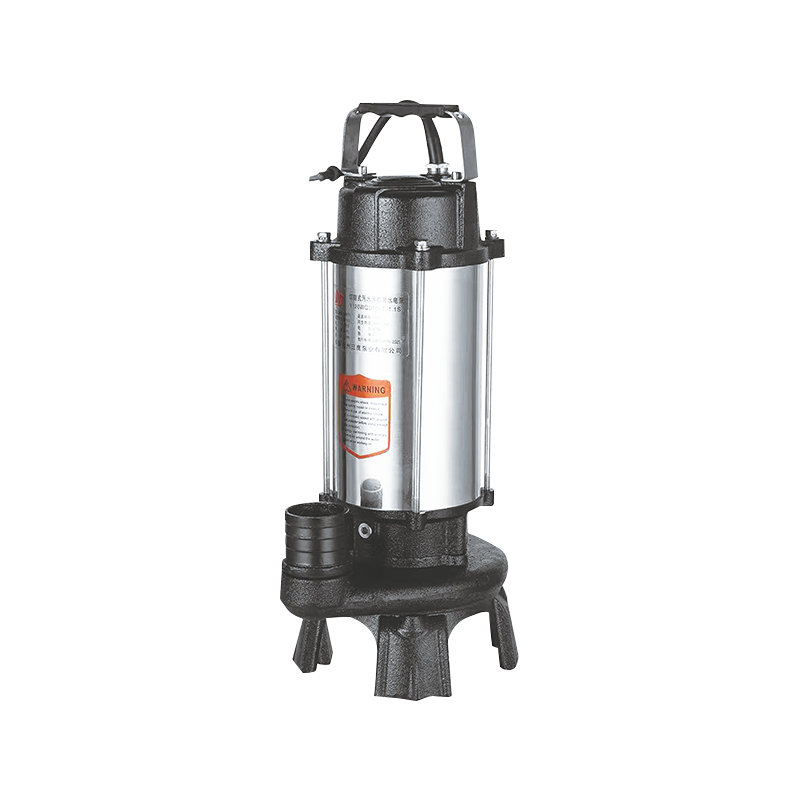
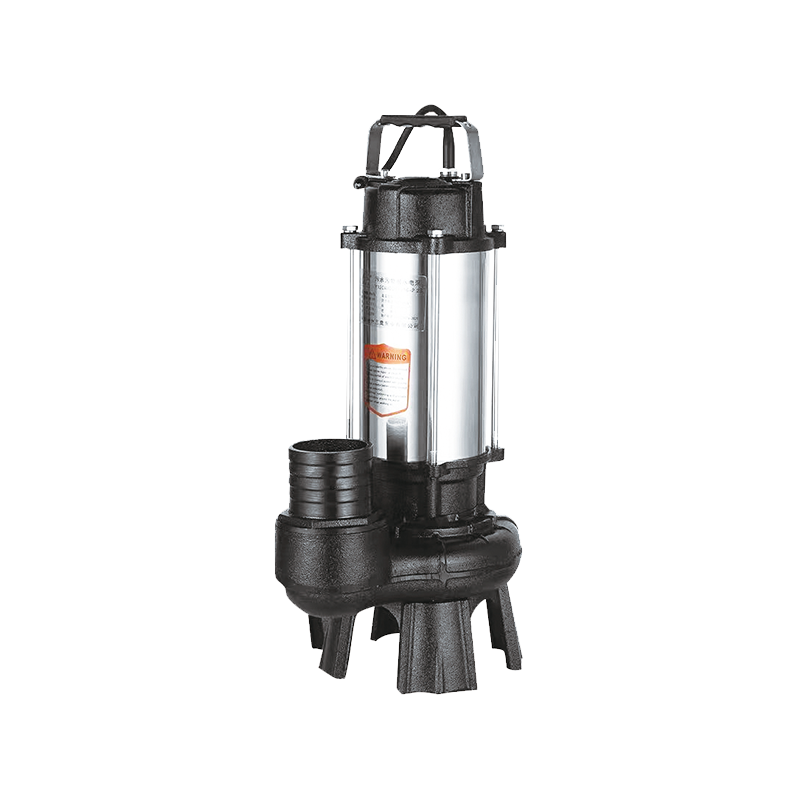
| Sewage Submersible Pump | Wide flow channel, special impeller (such as double-channel, vortex type), anti-clogging. | Urban sewage discharge, factory wastewater, drainage containing sediment and impurities. |
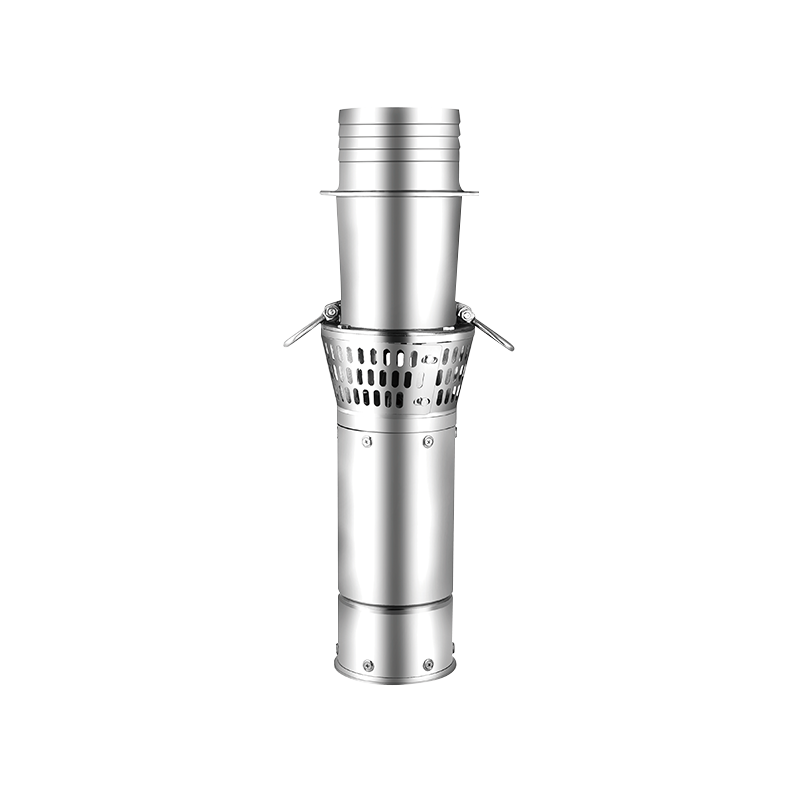
| Stainless Steel Submersible Pump | Pump body made of 304/316L stainless steel. | Seawater aquaculture, chemical liquid transportation, food industry, and other applications with corrosive or high hygiene requirements. | |
| Mining Submersible Pump | Features explosion-proof performance and robust structure. | Suitable for flammable, explosive, or high-abrasion environments such as coal mines and metal mines. |
2. Classification by Motor Sealing Method
This determines the insulation and cooling method inside the motor:
Dry-type motor: The motor is dry inside and strictly sealed, offering high efficiency, but susceptible to water ingress. Commonly used in clean water pumps.
Oil-filled motor: The motor is filled with insulating oil, providing good heat dissipation, lubricating bearings, and offering strong resistance to thermal shock. Commonly used in construction site piling pumps.
Water-filled motor: The motor is filled with water, offering a simple structure and low cost, but requiring high insulation. Commonly used in agricultural deep well pumps.
Shielded motor: The stator is sealed with a shielding sleeve, and the rotor operates in water, ensuring absolutely no leakage. Commonly used in chemical and other special applications.
Main Features and Advantages
1. Easy installation and space-saving
No need to build a pump house or prime the pump; it can work directly submerged in water. Especially pumps with an "automatic coupling device," installation and maintenance are as simple as plugging and unplugging a power cord.
2. Smooth operation and low noise
Because the motor is completely submerged in water, the water acts as a natural coolant and sound insulator, resulting in very quiet operation and excellent heat dissipation.
3. No suction lift limitation, prevents cavitation
Traditional pumps draw water from the ground, limited by atmospheric pressure, with a suction lift usually not exceeding 8-10 meters, and are prone to cavitation. Submersible pumps are submerged underwater and "push" the water rather than "suck" it, thus eliminating suction lift limitations and preventing cavitation.
4. Wide range of applications
From draining fish ponds a few meters deep to emergency rescue in mines hundreds of meters deep; from clear drinking water to sewage containing feces and plastic bags, there are corresponding submersible pump models.
Typical Application Scenarios
Agriculture and Rural Areas: Deep well water extraction, farmland irrigation, drought relief and flood drainage, drinking water for people and livestock in mountainous areas.
Municipal and Environmental Protection: Urban sewage treatment plants, rainwater pumping stations, flood control and drainage, water removal from underpass tunnels.
Industry and Construction: Factory cooling water circulation, construction pit dewatering, piling construction drainage, mine rescue. Life and Business Applications: Basement sewage lifting, fountain landscaping, hot spring bathing, central air conditioning water circulation.
Purchasing and Usage Recommendations:
1. Choose the right "material": Cast iron or bronze for pumping clean water; wear-resistant cast iron for pumping sewage; stainless steel for pumping seawater or acidic/alkaline liquids.
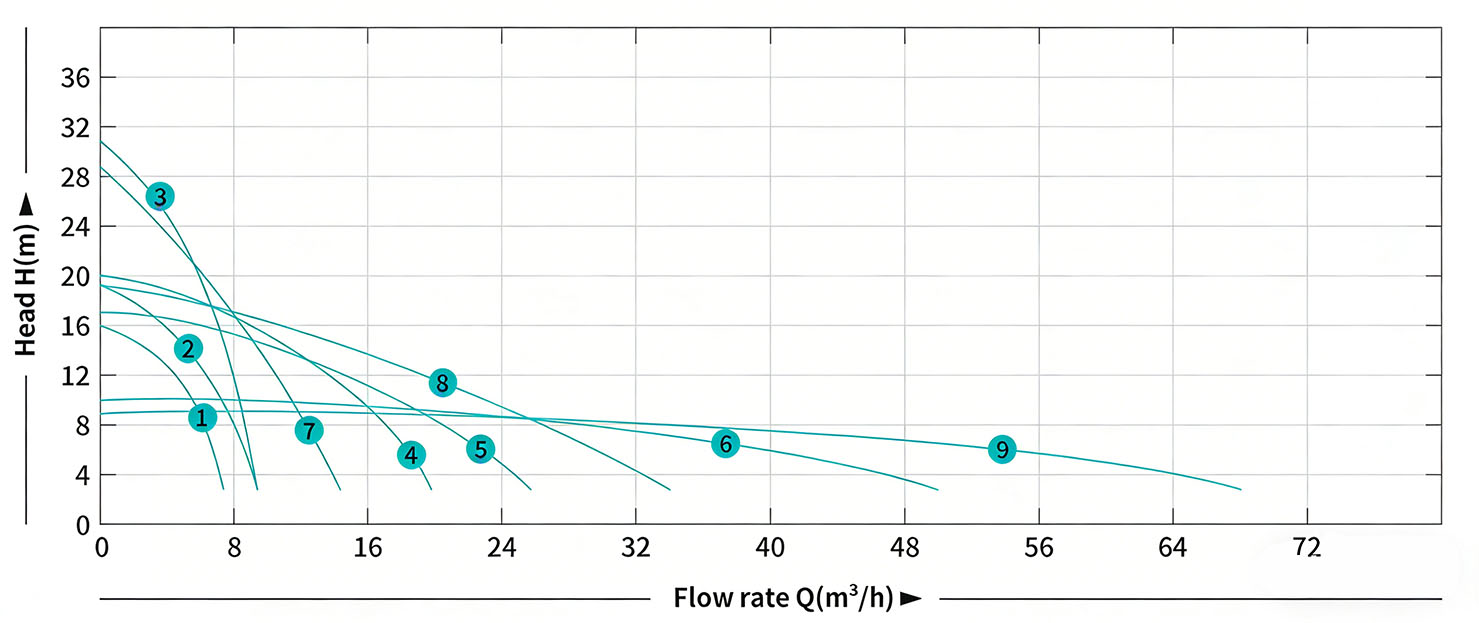
2. Understand the "parameters": Determine the flow rate (how many cubic meters of water per hour) and head (how high or how far the water needs to be pumped) based on actual needs.
3. Strictly avoid "dry running": Most submersible pumps must be submerged in water to operate, relying on the water to cool the motor. If operated for a long time without water (dry running), the motor will quickly overheat and burn out.
4. Pay attention to power safety: A leakage protection device must be installed, and the power cable should be overhead or properly protected to prevent wear and leakage.
Summary: Submersible pumps are indispensable equipment in modern drainage and water supply systems. Their "submersible and plug-and-play" characteristics greatly expand the application scope of water pumps, making them a powerful tool for solving various complex drainage problems.


 English
 中文简体
中文简体