Home · Products · Stainless Steel Water Pump · Stainless Steel JET Pumps

OEM Water Jet Pump

Contact us

Stainless Steel Jet Pump

    information to be updated

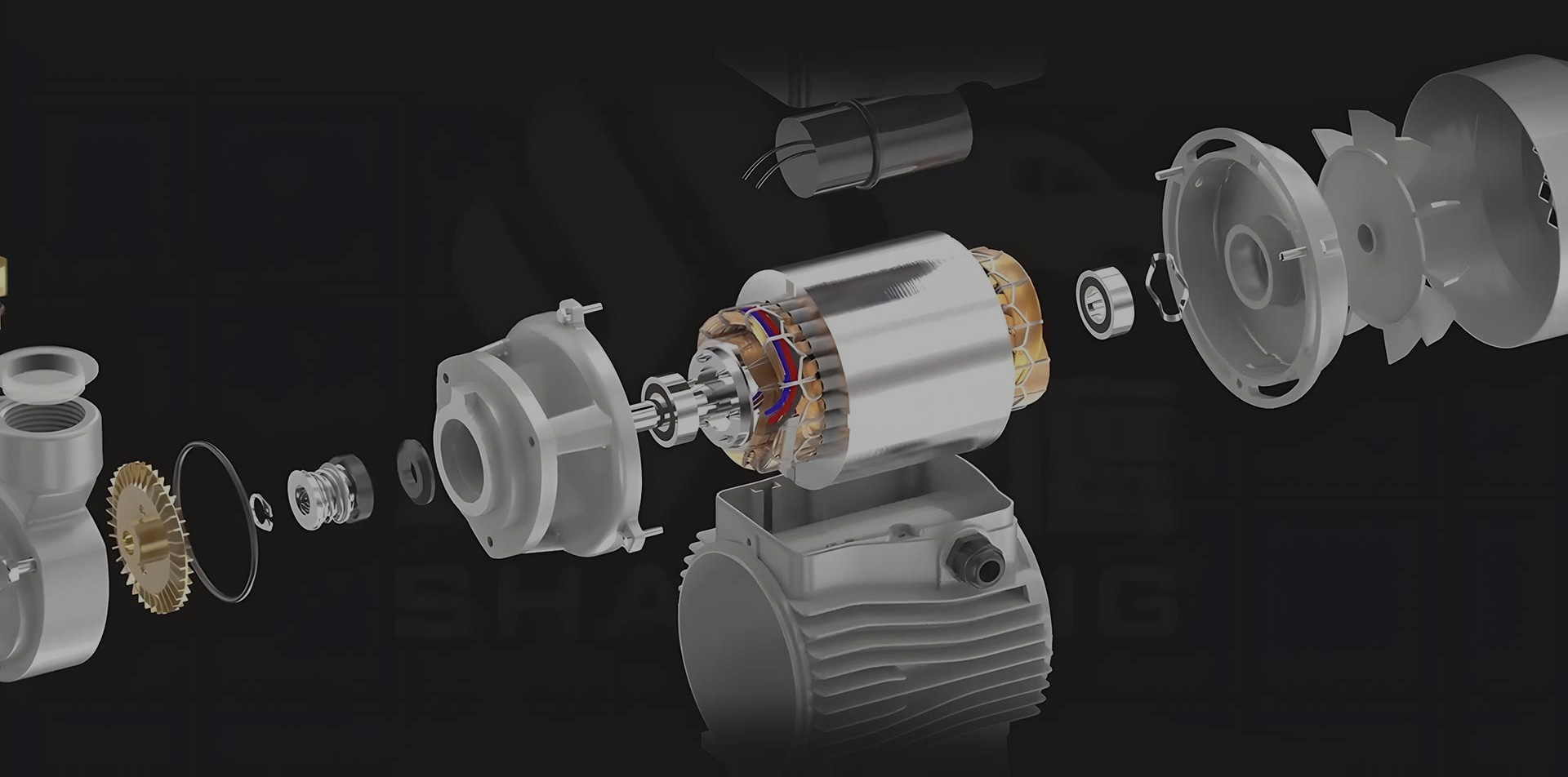
Liquids get drawn in and pressurized through jet action — this is the working mechanism behind stainless steel jet pumps, and it translates directly into practical use across water supply, pressure boosting, and process circulation systems. Since every component comes from stainless steel, corrosion resistance follows naturally, and that resistance opens up reliable use in food, pharmaceutical, and light industrial settings.

Main advantages:

High corrosion resistance, suitable for clean water and mildly corrosive liquids

Capable of high-head suction and pressure boosting

Compact structure, saving installation space

Simple maintenance and reliable operation

Message Feedback
About
Taizhou Shanying Pump Co., Ltd.

Taizhou Shanying Pump Co., Ltd. is a Jet Pump Manufacturer with product development, production, sales, and service. The company has a state Class B standard pump testing center, and actively implements the ISO9001 quality assurance system.

Because of our Stainless Steel Water Jet Pump products with stable quality, energy efficient, safe and reliable, and reasonable prices, favored by the users. Products are widely used in construction, firefighting, environmental protection, drainage, HVAC, and household.

News

Stainless Steel Jet Pump for Water Supply, Pressure Boosting, and Light Industrial Fluid Transfer

Stable suction, reliable pressure boosting, and resistance to corrosion — packed into one compact structure — is what a stainless steel jet pump is built around. Understanding how jet pump technology functions, where stainless steel construction earns its place, and how to match a pump to real site conditions matters most for procurement teams working across borders. Under the brand Shanying Pump, Taizhou Shanying Pump Co., Ltd. supplies stainless steel water pump solutions covering water supply, pressure systems, process circulation, and related fluid handling needs.

Working logic, suitable applications, selection factors, and practical considerations for stainless steel jet pumps all get covered on this page — written with engineering, project, and sourcing professionals in mind, for those who want solid product knowledge before locking in a technical decision.


What Is a Stainless Steel Jet Pump?

Pair a centrifugal pump with a jet system, and you get a stainless steel jet pump — a design built to create suction and lift water more effectively. A nozzle and venturi structure inside generates a pressure difference, and that difference is what draws water in and pushes it back out at higher pressure.

Suction performance tends to be the deciding factor when choosing a jet pump over a standard centrifugal one. Wells, tanks, underground reservoirs, and similar sources all fall within its reach — anywhere the pump needs to draw water first before pushing it into a pressure system.

Rust and corrosion resistance come from the stainless steel build itself, holding up well across many clean water and mildly corrosive liquid environments. That resistance opens the door to domestic water systems, light industrial facilities, commercial buildings, agricultural water transfer, and select process circulation setups.

Key characteristics usually include:

  • Stainless steel pump body delivering corrosion resistance
  • Jet structure supporting suction and pressure boosting
  • Compact design suited to limited installation spaces
  • Stable operation across water supply systems
  • Compatibility with clean water and mildly corrosive liquids
  • Maintenance-friendly, practical installation structure

Sewage, slurry, and liquids packed with solids sit outside what a stainless steel jet pump is meant for. Clean or relatively clean fluids are its territory — specifically where both suction lift and discharge pressure carry real weight.


How Stainless Steel Jet Pumps Work

Centrifugal force teams up with jet-assisted suction to keep a jet pump running. The motor turns the impeller, which speeds up the fluid moving through the pump. A portion of that water gets forced through a nozzle, flow velocity climbs, and a low-pressure area forms — and it's this low-pressure zone that pulls additional water in through the suction line.

From there, the venturi structure converts part of that velocity energy back into pressure, giving the pump what it needs to deliver water to the outlet. This is exactly why jet pumps hold their own in applications where water has to be lifted up from below the pump's own level.

In practical terms, a stainless steel jet pump ends up supporting:

  • Water extraction from shallow wells or storage tanks
  • Pressure boosting across water supply pipelines
  • Water transfer between tanks or process points
  • Circulation within clean liquid systems
  • Stable supply for residential, commercial, or light industrial settings

How much suction capacity actually gets delivered comes down to installation conditions, pipe design, priming status, air leakage control, and the pump's own technical configuration.


Typical Application Areas

Water supply and pressure boosting systems make up the bulk of where stainless steel jet pumps get used. Getting the application match right pays off directly — longer service life, better system efficiency.

Water Supply Systems

Drawing water from a source and delivering it to taps, equipment, or storage systems — that's the common role jet pumps play in water supply setups. Houses, villas, small commercial buildings, workshops, and service facilities all fit this pattern.

When water quality or the surrounding environment brings corrosion risk into the picture, a stainless steel structure earns its keep. Even in clean water supply scenarios, it keeps the pump body more durable under humid installation conditions.

Pressure Boosting

Insufficient pipeline pressure is where a jet pump steps in, pushing water pressure up for more stable delivery. Buildings, garden systems, small facility water networks, and equipment supply lines all benefit from this boost.

Flow demand, starting frequency, pressure tank configuration, and control method all deserve careful attention in pressure boosting applications. Go too small on the pump, and demand won't get met; go too large, and energy use climbs while cycling turns unstable.

Agricultural and Garden Irrigation

A relatively clean water source — wells, properly filtered ponds, storage tanks — opens the door for stainless steel jet pumps in irrigation support roles. Garden watering, greenhouse supply, and small-scale agricultural water transfer all sit well within their range.

Sand, mud, or organic debris in the water calls for a filter or some pre-treatment step. Heavy sediment and dirty water applications simply weren't part of the design brief for jet pumps.

Light Industrial Fluid Transfer

Clean water transfer, washing systems, equipment supply, process circulation, mildly corrosive liquid movement — these are the roles stainless steel jet pumps tend to fill in light industrial settings. Food-related processing support, pharmaceutical auxiliary systems, cleaning systems, and general facility operations are typical fits.

Fluid compatibility needs checking before any of this goes ahead. Stainless steel handles corrosion resistance well across many conditions, but not every chemical falls within its comfort zone — liquid composition, temperature, concentration, and operating cycle all need confirming before a selection gets made.


How to Decide Whether a Stainless Steel Jet Pump Is Suitable

Clean or mildly corrosive liquid handling, suction capability, pressure delivery — when an application calls for this combination, a stainless steel jet pump fits well. Heavy solids, fibrous materials, sludge, or strong chemicals in the liquid, though, push it outside its comfort zone.

A handful of points are worth clarifying before settling on this pump type:

  • Is the fluid clean water, or does it carry mild corrosivity?
  • Does the system call for suction lift from a well, tank, or lower-positioned water source?
  • What flow rate does normal operation require?
  • What discharge pressure or total head does the application need?
  • Is the installation site dry, humid, indoor, or outdoor?
  • Will operation run continuously, or in intermittent cycles?
  • Does the setup call for automatic control?

Wastewater, sewage, or particle-containing liquid in the mix? That's the point where a stainless steel sewage pump, or another more fitting pump type, deserves consideration instead.


Key Selection Factors

Working conditions, not just a product name, should drive pump selection. Here's a table summarizing the key information needed to get that selection right.

Selection Factor What to Confirm Why It Matters
Fluid type Clean water or mildly corrosive liquid Determines material compatibility and pump suitability
Suction condition Water source depth and suction pipe length Affects priming and suction performance
Flow requirement Required water volume per minute or hour Ensures stable supply for the system
Total head Vertical lift, pipe length, and pressure demand Determines pump performance range
Installation site Indoor, outdoor, humid, or limited space Influences protection and layout planning
Control method Manual, pressure switch, or tank system Supports stable operation and pressure management

Match these details to the actual system, and the risk of insufficient pressure, unstable suction, or wasted energy consumption drops significantly.


Why Stainless Steel Construction Matters

Corrosion resistance being a major concern is usually what tips the material choice toward stainless steel. Humidity, oxygen, variable water quality, mild chemical traces — pump components in water supply and light industrial settings face all of this, and stainless steel helps cut down on rust-related problems while supporting longer service under the right conditions.

Stainless steel construction brings several advantages to the table:

  • Stronger corrosion resistance compared with many ordinary materials
  • Surface cleanliness and appearance suited to commercial systems
  • Improved durability across humid environments
  • Compatibility with many clean water and mild liquid applications
  • Lower risk of pump body deterioration caused by rust

Matching stainless steel to the actual liquid still matters, though. Strong acids, strong alkalis, high chloride content, special chemical media — any of these calls for additional technical review before moving forward.


Working with a Jet Pump Manufacturer

Checking a product title is only the surface layer of selecting a jet pump manufacturer. A practical one goes further — helping clarify application conditions, recommending a suitable pump structure, and supporting clear communication around water source depth, flow demand, pressure requirements, and installation layout.

Project companies, engineering teams, equipment integrators, and sourcing departments all find manufacturer communication carries extra weight when the pump lands in pressure systems or continuous facility operations. Clear technical information lets the supplier fine-tune recommendations and steer clear of any mismatch between pump performance and system demand.

A stainless steel jet pump inquiry runs smoother with the following included:

  • Fluid type and temperature
  • Required flow rate
  • Required head or outlet pressure
  • Suction depth and pipe length
  • Power supply details
  • Installation environment
  • Expected operating hours
  • Control system requirements

With this information in hand, it becomes clear whether a stainless steel jet pump fits the bill — or whether another stainless steel water pump type deserves a look instead.