Home · Products · Solar Water Pump · Solar Water Pump Inverter

MPPT Solar Pump Inverter

Contact us

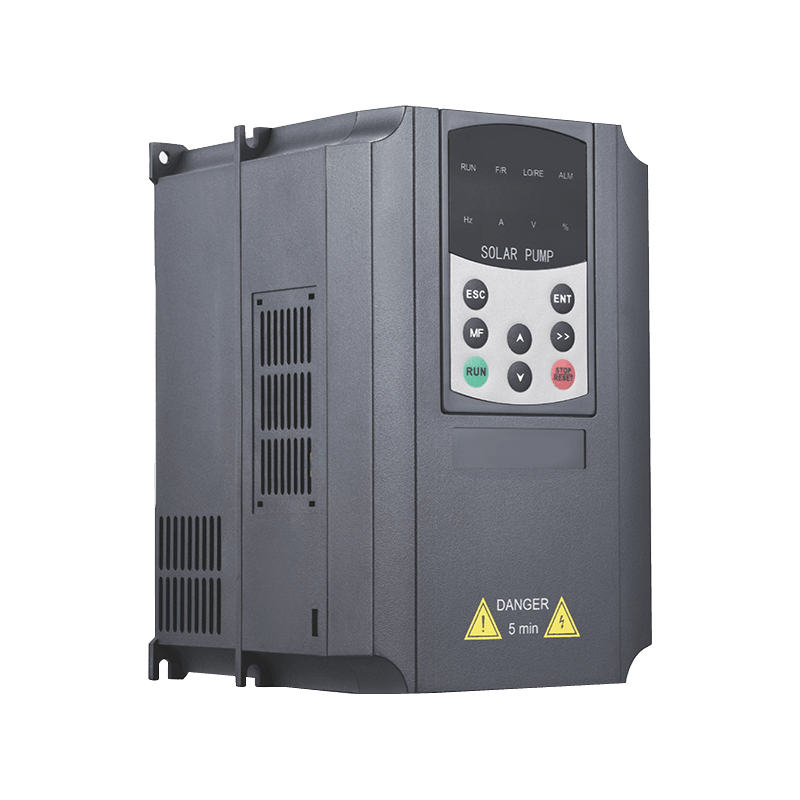
Solar Water Pump Inverter

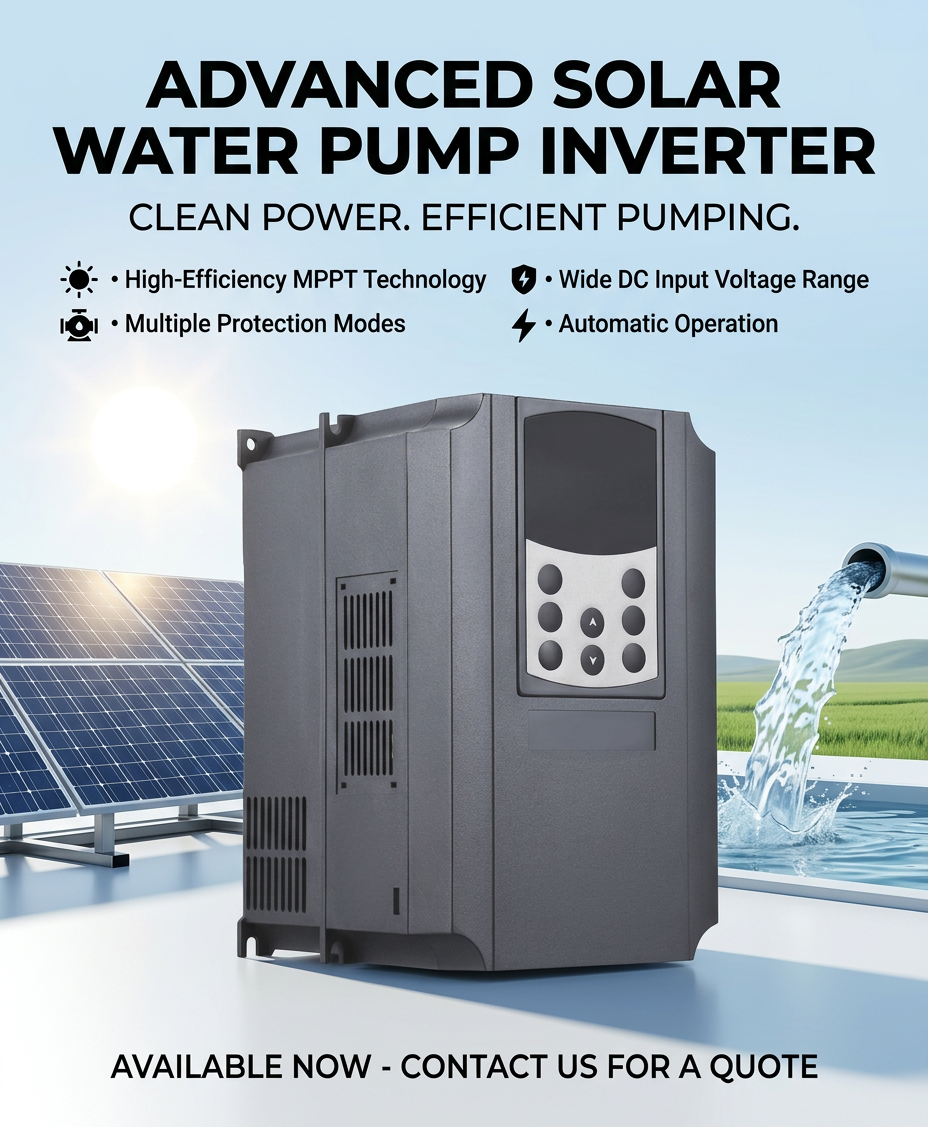
A solar water pump inverter takes DC photovoltaic power and converts it into AC power the pump can actually use, supporting constant current output, constant voltage output, maximum power point tracking (MPPT), and a full set of protection functions along the way. It fine-tunes pump performance while lifting overall system efficiency and stability.

1. Apply to all kinds of single-phase or three-phase AC induction motors

2. With Infineon IGBT, MPPT function, fast response speed

4. Can be powered by both AC and DC, but does not use both AC and DC at the same time

3. Good stability, high efficiency of 99.99%

5. Remote control supported by RS323 and RS485

6. Outdoor working environment temperature -10-+50 degree

7. Start in the morning and stop in the late afternoon automatically

8. Full protections: overload, overcurrent, overvoltage, undervoltage, short circuit, dry pumping, etc

9. Reverse protection

Message Feedback
About
Taizhou Shanying Pump Co., Ltd.

Taizhou Shanying Pump Co., Ltd. is a MPPT Solar Pump Inverter Supplier with product development, production, sales, and service. The company has a state Class B standard pump testing center, and actively implements the ISO9001 quality assurance system.

Because of our maximum power point tracking inverter products with stable quality, energy efficient, safe and reliable, and reasonable prices, favored by the users. Products are widely used in construction, firefighting, environmental protection, drainage, HVAC, and household.

News

Solar Water Pump Inverter Selection Guide for Photovoltaic Pumping Systems

A solar water pump inverter functions as the key control device inside photovoltaic pumping systems. It takes DC power generated by solar panels and converts it into AC power suited for driving water pump motors, while also helping the system adjust to sunlight conditions that keep shifting throughout the day. Across irrigation, livestock watering, well pumping, remote water supply, and tank filling, the inverter shapes pump startup, motor protection, power conversion, and overall operating stability in a very direct way.

Within a solar pumping system, the pump itself is only one piece of the puzzle. The inverter has to line up with the motor type, input voltage range, solar panel configuration, application duty cycle, and site conditions all at once. Taizhou Shanying Pump Co., Ltd., under the Shanying Pump brand, offers solar water pump inverter solutions for anyone needing to weigh hydraulic demand, photovoltaic input, motor compatibility, and protection functions together.


What Is a Solar Water Pump Inverter?

A solar water pump inverter is an electrical control unit that turns photovoltaic DC power into AC power ready for pump operation. It's commonly paired with single-phase or three-phase AC induction motors across solar-powered water supply systems.

Solar panels generate DC electricity, yet plenty of water pumps are built to run on AC power instead. The inverter closes that gap by converting solar input into a controlled AC output. Alongside that conversion, it also fine-tunes frequency, voltage, and operating status based on available solar power and what the pump actually needs.

A typical solar pump inverter setup may include:

  • Photovoltaic solar panels
  • Solar water pump inverter
  • AC water pump motor
  • A water source such as a well, reservoir, pond, or tank
  • Pipeline, valves, and fittings
  • Water level sensors
  • Optional AC input source, depending on system design
  • Remote communication interface where required

The inverter carries real weight in solar pumping precisely because photovoltaic power isn't a fixed quantity. Sunlight shifts constantly through the day, and the inverter has to help the pump keep running safely across those changing energy levels.


How an MPPT Solar Pump Inverter Works

An MPPT solar pump inverter leans on Maximum Power Point Tracking technology to squeeze more value out of solar energy. Solar panel output moves with sunlight intensity, panel temperature, shading, and installation angle. MPPT helps the inverter zero in on the most suitable operating point, letting the system pull more usable power from the photovoltaic array.

DC to AC Power Conversion

The inverter's core job is converting DC solar power into AC power for the pump motor. That's what allows solar panels to drive the AC induction motors found across so many agricultural, industrial, and water supply applications.

The inverter manages output frequency and voltage to control pump speed. When sunlight runs strong, the pump can operate at higher output. When sunlight weakens, the inverter can dial back speed or bring the system to a safe stop.

Automatic Morning Start and Afternoon Stop

Solar pump inverters can support automatic operation tied to available solar power. Many installations start running once morning sunlight becomes sufficient and wind down in the late afternoon as solar input tapers off.

That automatic behavior proves useful for:

  • Agricultural irrigation
  • Storage tank filling
  • Remote water supply
  • Livestock drinking systems
  • Off-grid pumping stations

The system can run without needing frequent manual switching, so long as installation and protection settings are configured properly from the start.

Constant Current and Constant Voltage Control

A solar water pump inverter may support constant current and constant voltage output functions. These help regulate electrical output reaching the pump motor and boost system stability even as photovoltaic input keeps varying.

That matters because sudden swings in sunlight can otherwise trigger unstable motor behavior, repeated starting, or a drop in pumping efficiency.


Key Features to Consider

Selecting a solar pump inverter calls for looking past power rating alone. Motor compatibility, protection functions, power input options, communication capability, and installation environment all shape how the system performs over the long haul.

Motor Compatibility

MPPT Solar Pump Inverter

A solar pump inverter needs to match the pump motor type it's paired with. Plenty of systems are built around single-phase or three-phase AC induction motors.

Before settling on a choice, confirm:

  • Motor phase type
  • Motor rated voltage
  • Motor power range
  • Pump starting requirements
  • Cable distance between inverter and motor
  • Whether the pump is submersible or surface-mounted

Getting motor matching right helps cut overload risk and supports steadier water output.

MPPT Function

MPPT ranks among the most important features in solar pumping applications. It lets the inverter adjust to shifting solar power and hold onto better energy use across different sunlight conditions.

MPPT proves especially valuable in areas dealing with:

  • Variable cloud cover
  • Long morning and afternoon operating stretches
  • Seasonal sunlight shifts
  • Partial shading risks
  • Remote installations where energy use needs careful optimization

AC and DC Power Options

Some solar water pump inverters can run on both AC and DC input sources, though never both at the same moment. That opens up real flexibility for sites that lean on photovoltaic power during the day and switch to AC power from the grid or a generator once solar energy drops away.

Before relying on dual power options, the electrical design should confirm:

  • Input voltage range
  • Switching method
  • Wiring safety
  • Generator compatibility
  • Protection requirements
  • Whether the system needs manual or automatic changeover

This carries particular relevance for agricultural and remote water supply systems that need a more predictable operating schedule.

Protection Functions

Water pumping systems can run into dry running, overload, abnormal voltage, short circuit, and wiring problems along the way. A solar pump inverter built with protection functions helps cut damage risk and lift overall system safety.

Common protection functions include:

  • Overload protection
  • Overcurrent protection
  • Overvoltage protection
  • Undervoltage protection
  • Short circuit protection
  • Dry pumping protection
  • Reverse protection

These features matter a great deal for wells, irrigation lines, and remote pumping systems where daily supervision often runs thin.

Remote Communication

Remote control or monitoring may be supported through communication interfaces like RS232 or RS485, depending on the inverter's configuration. That gives operators a way to check system status, tweak settings, or fold the inverter into a broader control setup.

Remote communication pays off for:

  • Farmland irrigation networks
  • Remote wells
  • Multi-pump water supply points
  • Facility water management systems
  • Solar-powered pumping stations

Application Scenarios for Solar Pump Inverters

Solar water pump inverters get put to work wherever photovoltaic power needs to drive AC pump motors reliably. Their value stretches well past energy conversion alone — they also handle system control, protection, and adaptation to field conditions.

Application Typical Requirement Inverter Selection Focus
Agricultural Irrigation Daily water delivery for crops MPPT, motor matching, flow stability
Deep Well Pumping Lifting water from underground sources Voltage range, motor protection, dry-run protection
Livestock Watering Filling tanks or troughs Automatic start/stop, sensor support
Remote Water Supply Operation where grid access is limited Solar input range, protection functions
Reservoir or Tank Filling Scheduled water transfer Control stability, level protection
Off-Grid Pumping Systems Independent photovoltaic operation Energy conversion, MPPT, environmental durability

This table makes clear that inverter selection should follow the logic of the application itself. A deep well system tends to prioritize motor protection and dry pumping prevention, while an irrigation system leans more toward stable flow and solid solar energy utilization.


How to Select the Right Solar Water Pump Inverter

A well-chosen inverter needs to reflect both pump motor requirements and photovoltaic system design together. Oversizing components or mismatching them can lead to unstable operation, reduced output, or system complexity that nobody asked for.

1. Confirm Pump Motor Parameters

Start with the pump motor itself. The inverter has to match the motor's phase, voltage, current, and power requirements.

Key details to nail down:

  • Single-phase or three-phase motor
  • Rated motor voltage
  • Rated motor power
  • Rated current
  • Pump application type
  • Cable length
  • Starting torque requirements

Motor compatibility forms the foundation that inverter selection builds on.

2. Calculate Hydraulic Demand

Even though the inverter is an electrical device, it still has to support the pump's hydraulic task properly. Flow and total head should shape pump selection before final inverter matching gets locked in.

Hydraulic factors include:

  • Water source depth
  • Vertical lift
  • Pipe length and diameter
  • Friction loss
  • Outlet pressure
  • Daily water volume
  • Operating hours

If the pump itself isn't sized correctly, no inverter can make up for a poor hydraulic selection.

3. Match Solar Panel Configuration

The photovoltaic array needs to deliver suitable voltage and power for the inverter. Solar panels should be configured to fit the inverter's DC input requirements alongside local sunlight conditions.

Important factors to weigh:

  • Solar panel open-circuit voltage
  • Working voltage range
  • Total panel power
  • Series and parallel arrangement
  • Panel orientation and tilt
  • Shading conditions
  • Temperature influence
  • Cable loss

Getting solar panel matching right helps improve starting performance and keeps operation more stable overall.

4. Review Site Environment

Outdoor pump inverter applications regularly face heat, dust, moisture, and sun exposure. The installation environment deserves a review before finalizing the cabinet, wiring layout, and protection level.

Worth considering:

  • Ambient temperature
  • Ventilation
  • Rain protection
  • Dust exposure
  • Distance from pump and panels
  • Grounding requirements
  • Maintenance access

A well-planned installation layout helps protect the inverter and supports steady daily use.

5. Decide Whether AC Backup Is Needed

Some applications only need to run during sunlight hours. Others need more flexibility built in. If AC input is called for, confirm whether the inverter actually supports AC power and how that power source will be managed.

This proves useful for:

  • Irrigation running on fixed schedules
  • Water systems facing cloudy seasons
  • Facilities that need more predictable pumping time
  • Remote areas relying on generator support

Why Manufacturer Support Matters

A solar water pump inverter has to be matched carefully with the pump, motor, solar panels, wiring, sensors, and the application's specific requirements. Technical support from a pump manufacturer helps head off configuration mistakes and supports more practical system planning from the outset.

Manufacturer support can help clarify:

  • Suitable inverter type for the pump motor
  • Solar panel voltage and power matching
  • AC and DC input planning
  • MPPT function requirements
  • Protection function configuration
  • Dry pumping and water level control
  • Installation guidance for wells, tanks, and irrigation systems
  • Remote communication needs

This proves especially valuable when a project involves variable sunlight, long cable runs, deep wells, or a mix of power sources.


Within photovoltaic pumping systems driven by AC motors, the solar water pump inverter plays a role that's hard to overstate. It handles the conversion from DC solar power to AC output, keeps MPPT solar energy tracking running smoothly, oversees how the motor behaves, and builds in protection functions that make pumping both safer and more dependable.

Picking an MPPT solar pump inverter comes down to weighing several things side by side: motor compatibility, hydraulic demand, solar panel configuration, voltage range, protection functions, whether AC or DC power is needed, communication options, and the installation environment itself. Get that matching right, and solar water pump systems tend to run noticeably more efficiently — whether the job is irrigation, livestock watering, well pumping, tank filling, or supplying water to remote locations.

```