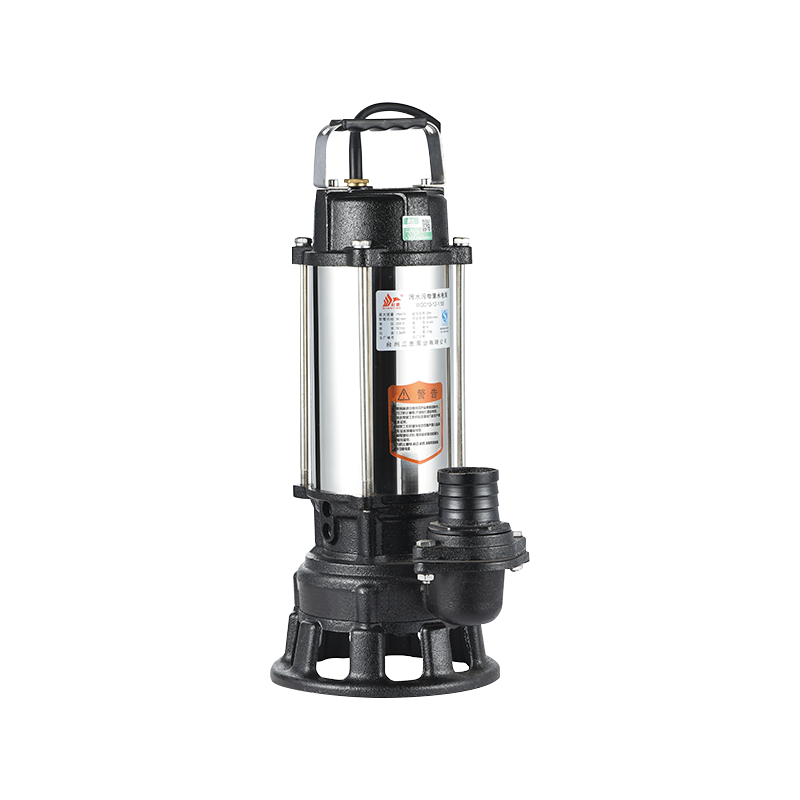
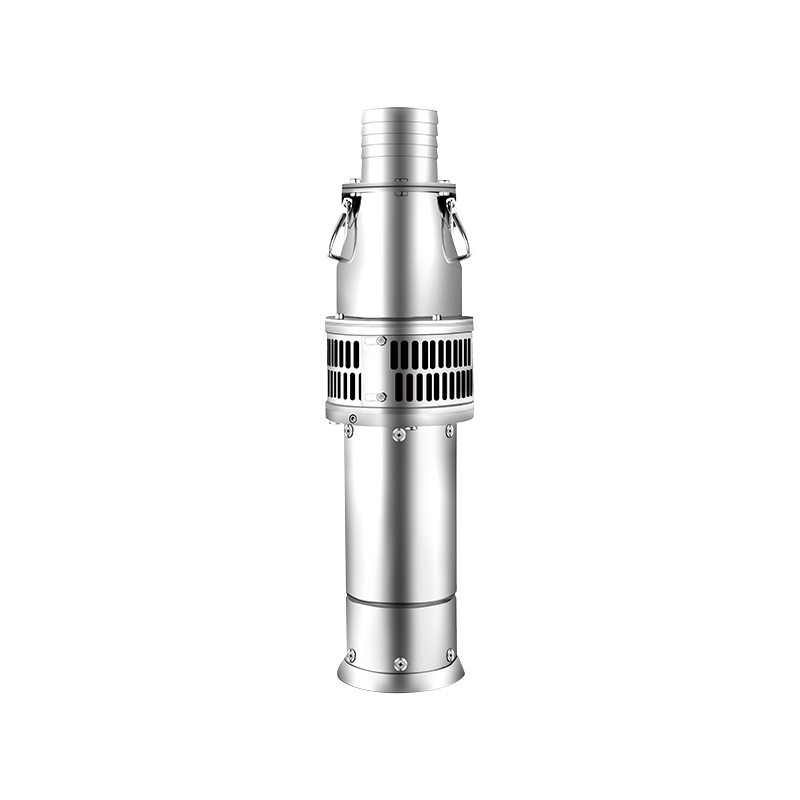
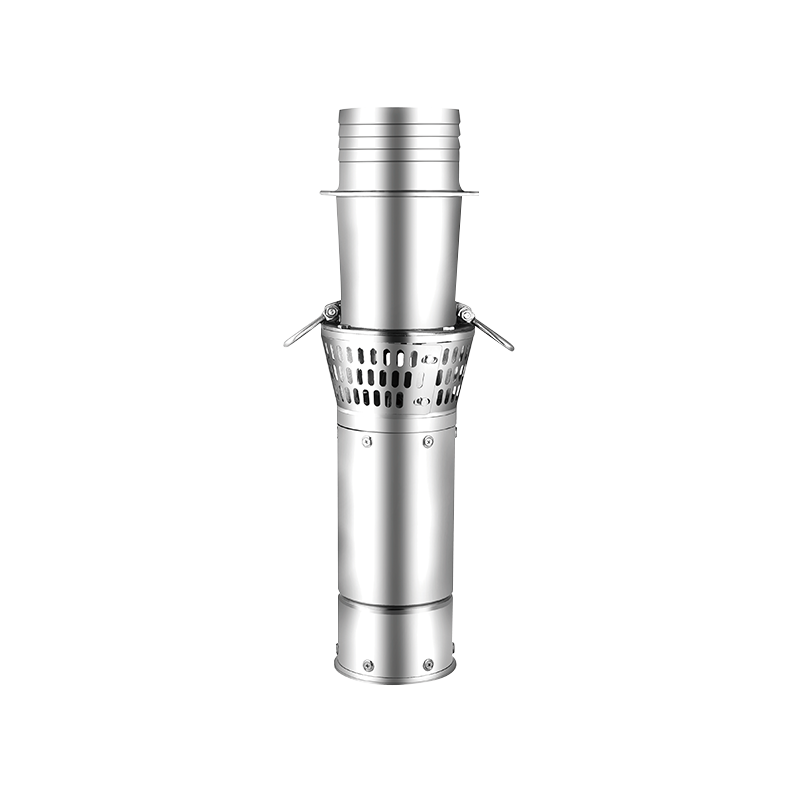
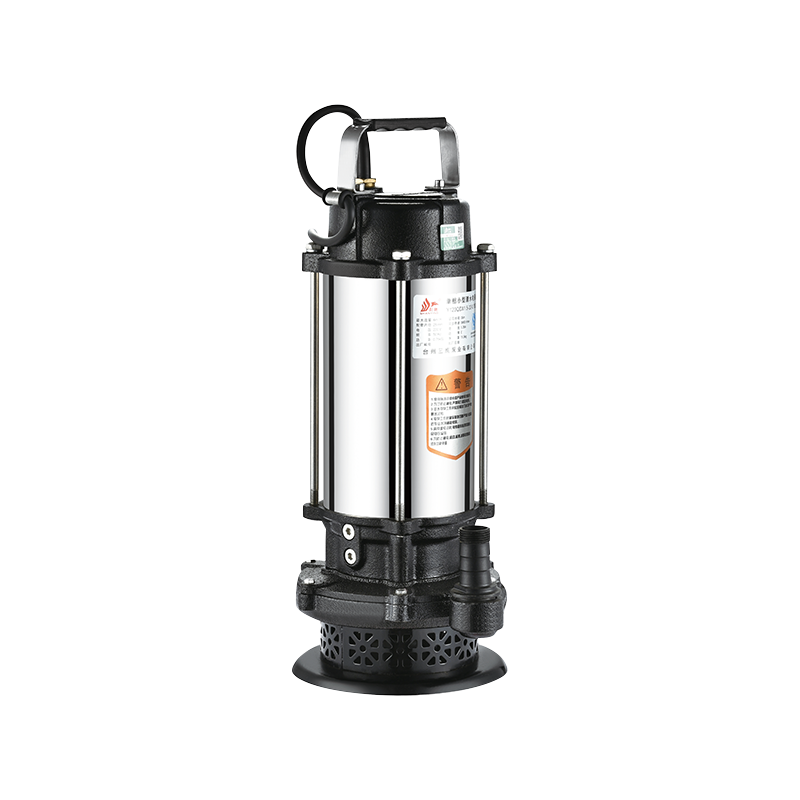
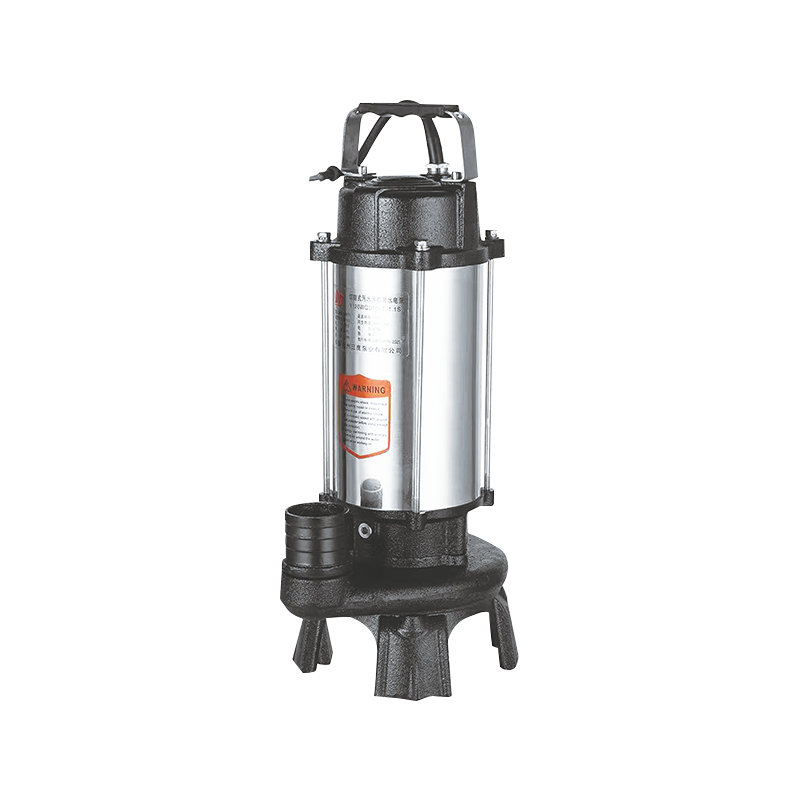
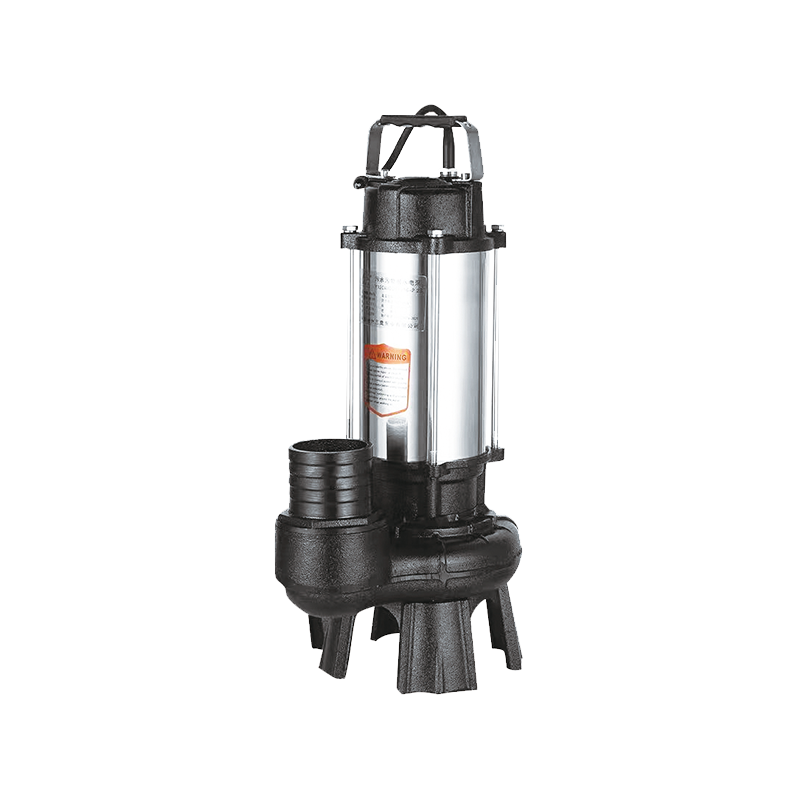
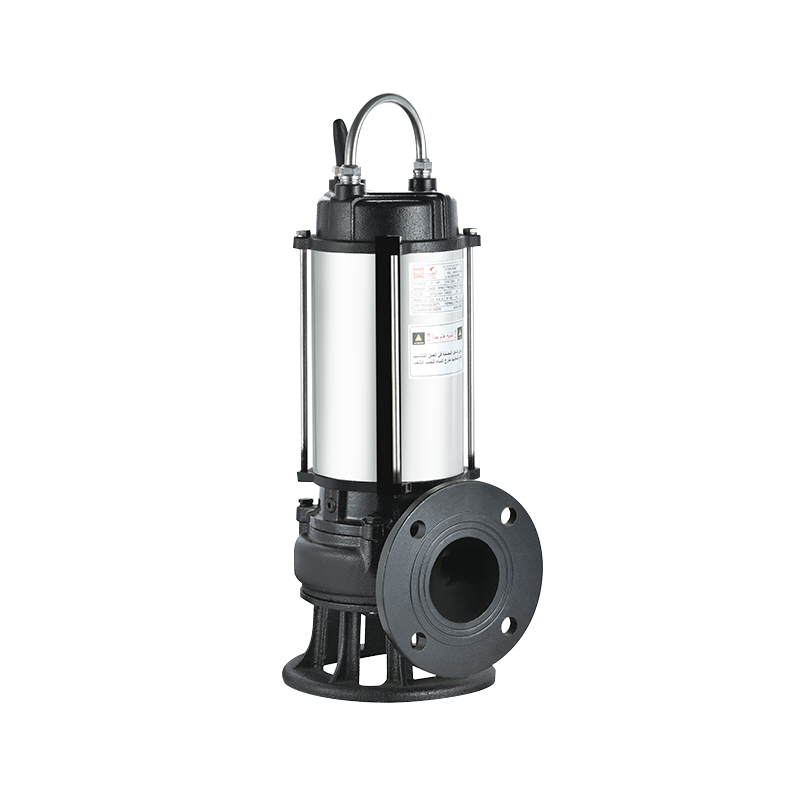
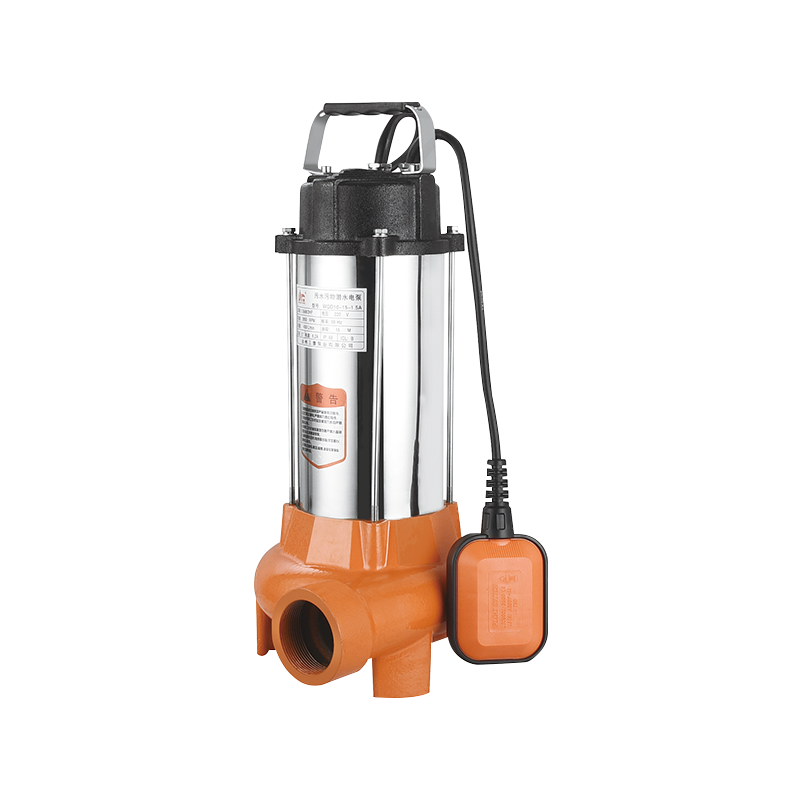
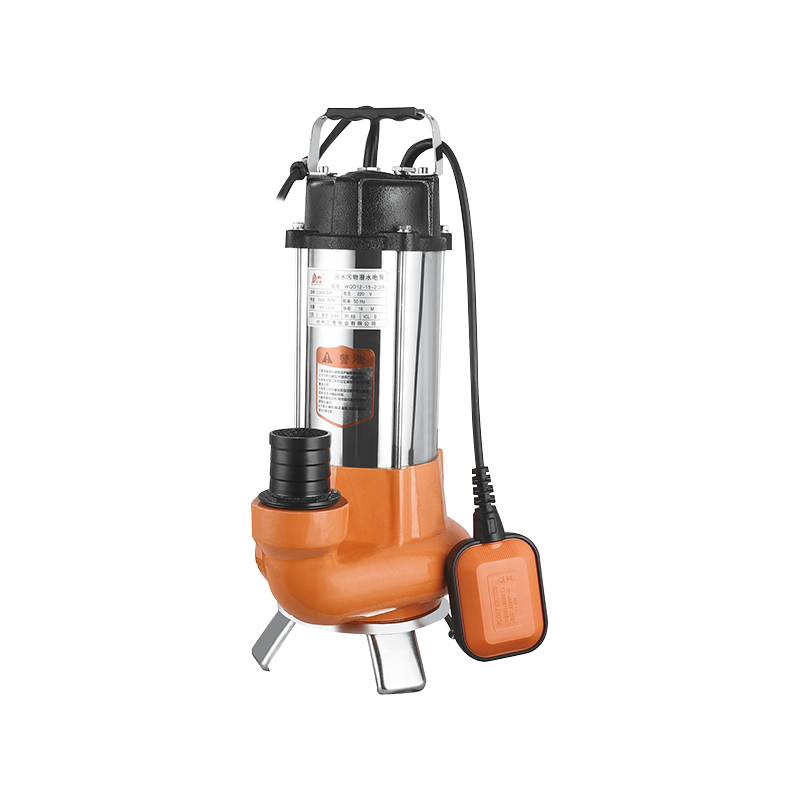
Matching a pump to the actual system it's going into — that's really what makes it work properly. Flow, head, water quality, and power supply sit at the core of nearly every selection decision.
Flow Rate
How much water needs moving, and how fast — that's what flow rate comes down to. Irrigation systems, household water supply, drainage projects, industrial water transfer: each one pulls a different flow requirement out of the equation.
Key points to consider include:
- Required water volume per hour
- Number of outlets used at the same time
- Continuous or intermittent operation
- Peak water demand
- Daily operating time
Getting the flow rate right keeps the whole system running efficiently. Fall short on flow, and water demand goes unmet. Push too far past what's needed, and energy gets wasted, pipeline pressure starts causing problems.
Head and Pressure
Head is the total height and resistance a pump has to push through while running — vertical lifting height, pipeline length, pipe diameter, bends, valves, filters, plus whatever outlet pressure the job requires.
Head plays a particularly large role in:
- Well water lifting
- Long-distance water transfer
- Building pressure boosting
- Irrigation over uneven terrain
- Drainage from lower areas
Set the head too low, and water never reaches where it's supposed to go. Set it much higher than the job calls for, and the system starts running inefficiently. Nailing down an accurate head estimate does a lot for performance and long-term service stability.
Water Source and Water Quality
The water source dictates a lot about what pump structure and material make sense. Sediment, particles, fibers, minerals, corrosive substances — different sources bring different combinations of these into play.
Common water sources include:
- Wells
- Tanks
- Rivers
- Ponds
- Municipal pipelines
- Basements
- Drainage pits
- Wastewater collection areas
Water quality shapes the selection directly. Clean water transfer typically calls for a different pump than drainage water or water carrying sand would. Whether it's a stainless steel water pump, an intelligent water pump, or a solar water pump, the medium condition needs to be nailed down clearly before anything gets chosen.
Power Supply and Installation Environment
Power conditions steer both the pump type and the control system that goes with it. Electric pumps need the right voltage, frequency, and phase conditions lined up. Intelligent pumps often need steady power just to keep their control functions running. Solar water pumps, meanwhile, live and die by sunlight conditions and how the solar system itself is configured.
The installation environment deserves just as much attention, covering:
- Indoor or outdoor installation
- Submerged or surface-mounted operation
- Pipeline connection method
- Ambient temperature
- Cable distance
- Space for maintenance
- Protection from rain, dust, or flooding
Getting the pump matched to its site environment goes a long way toward keeping operation safe and stable.


 English
 中文简体
中文简体