Home · Products · Intelligent Water Pump · Intelligent Booster Pumps

Booster Pump Supplier

Contact us

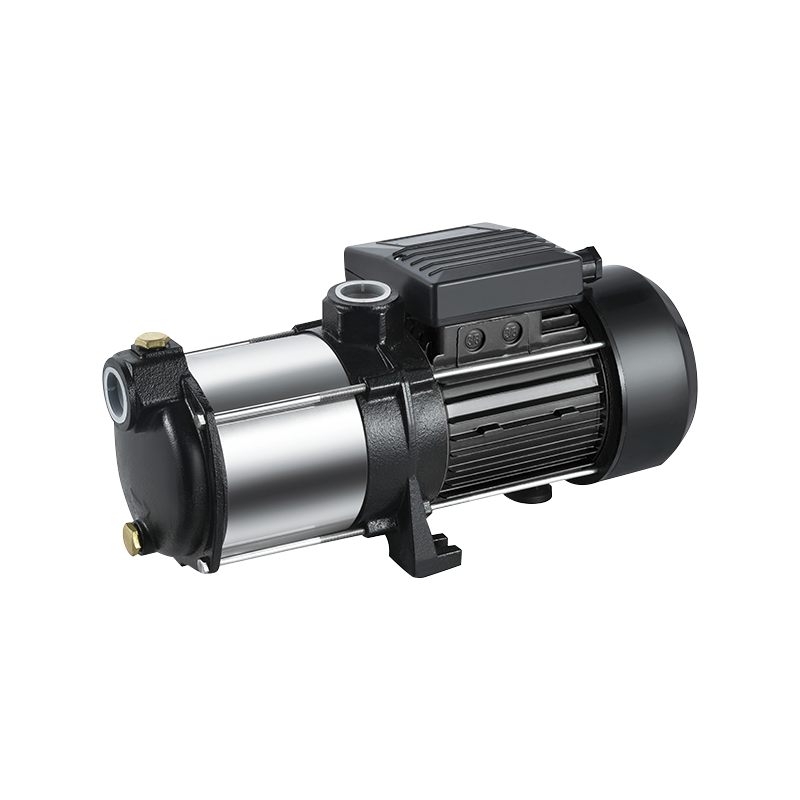
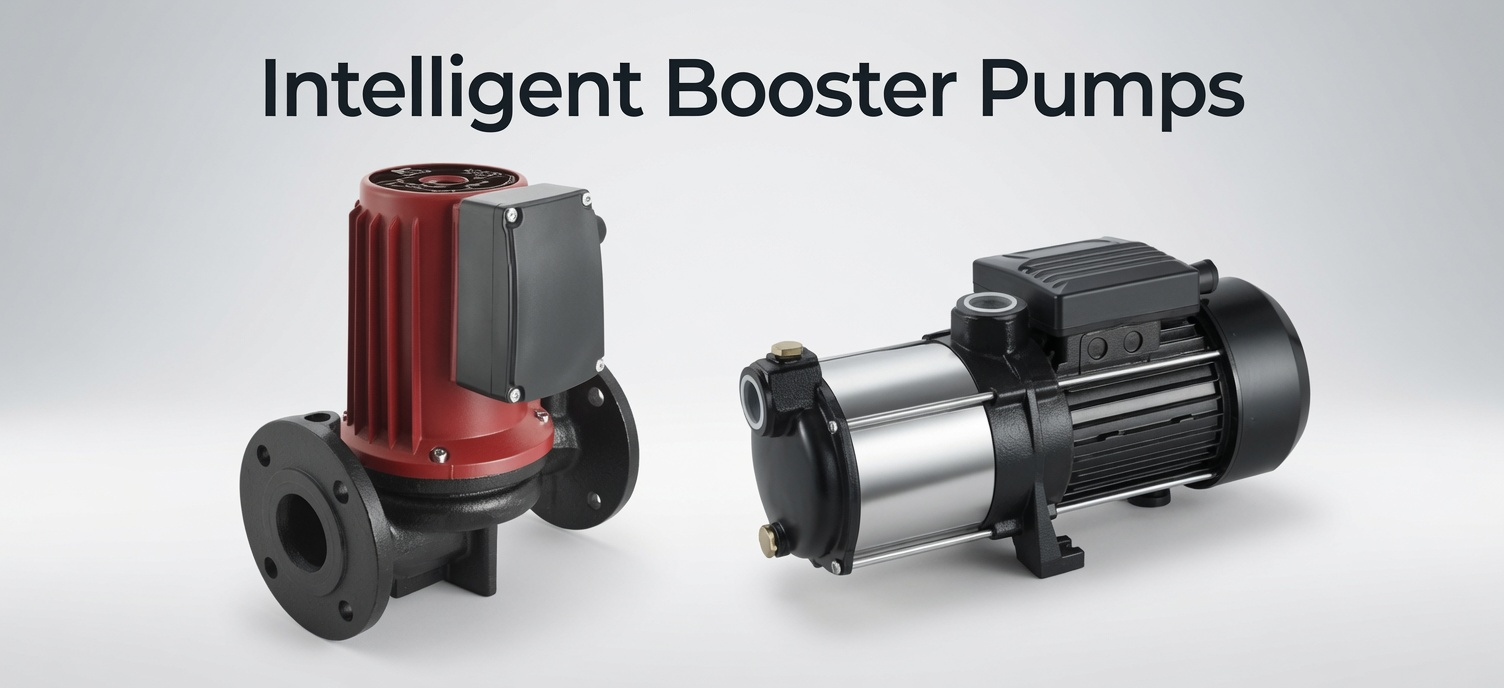
Intelligent Booster Pumps

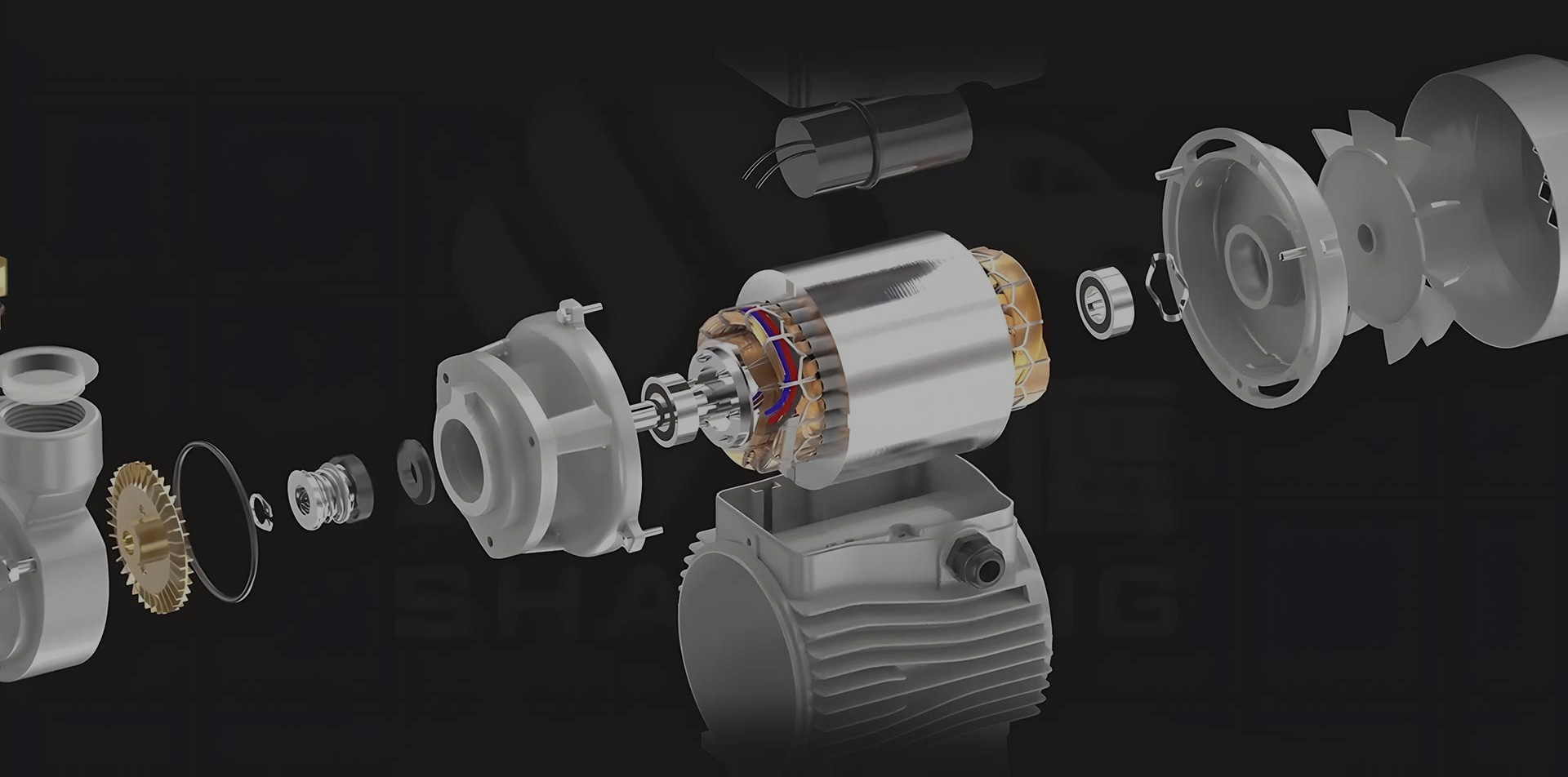
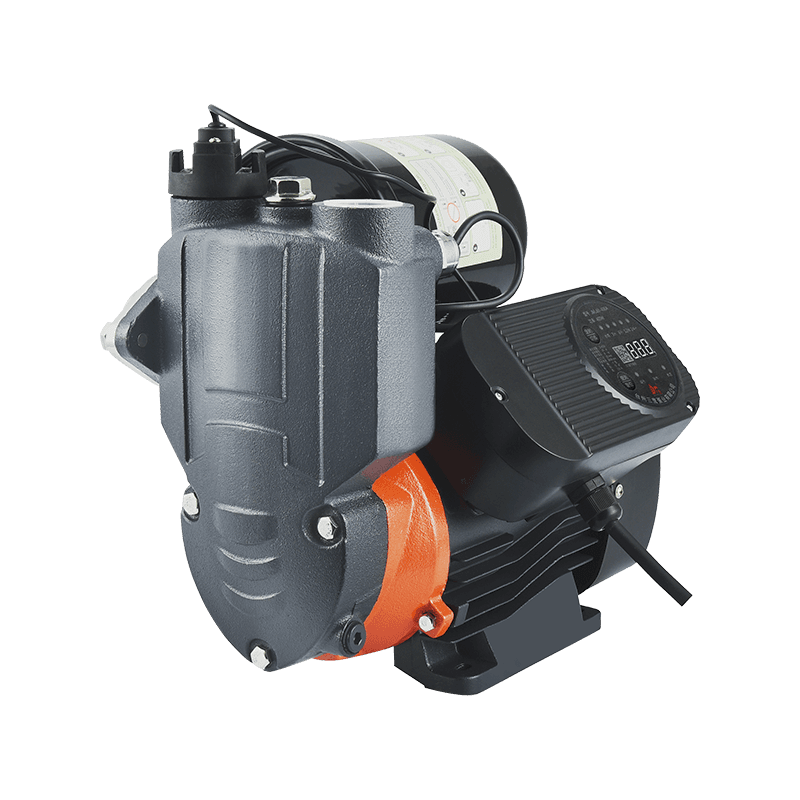
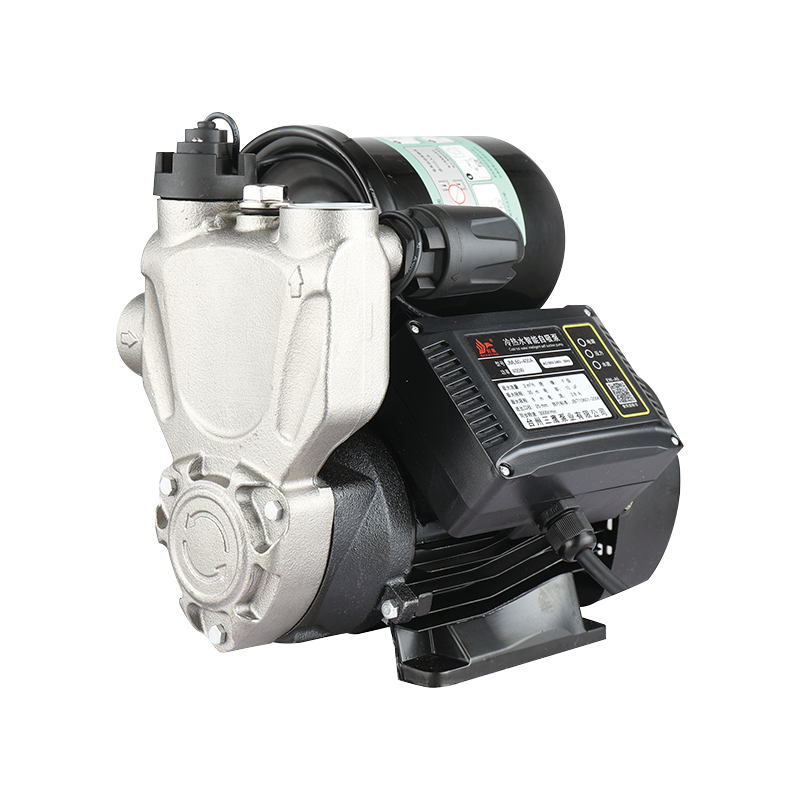
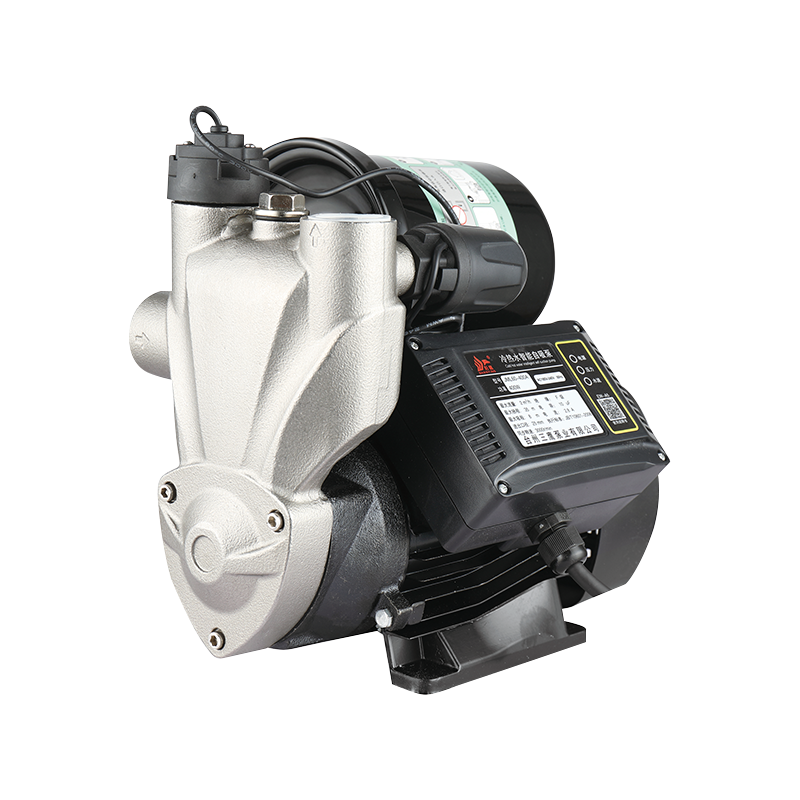
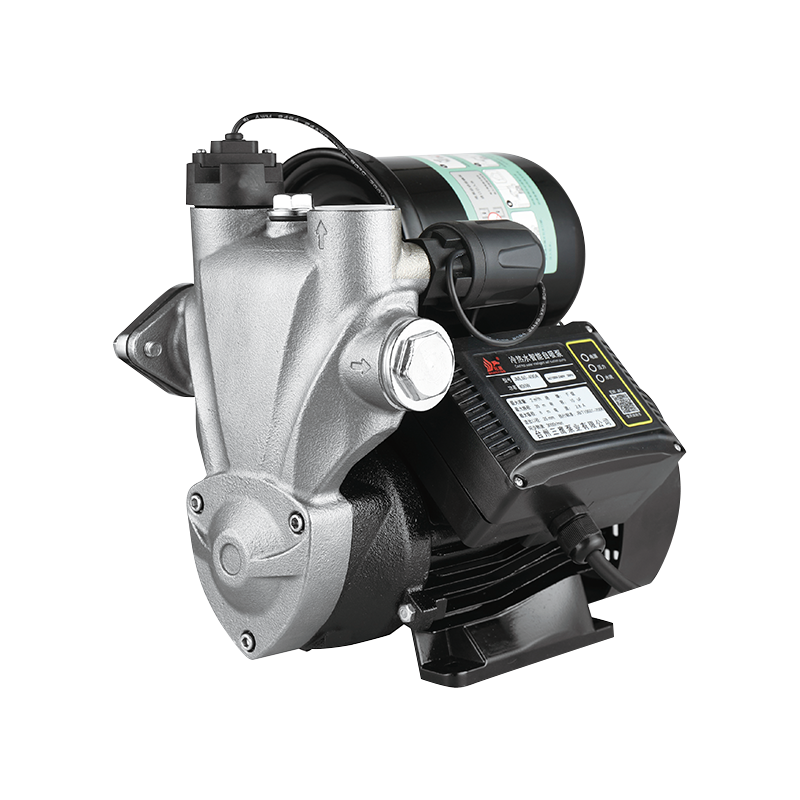
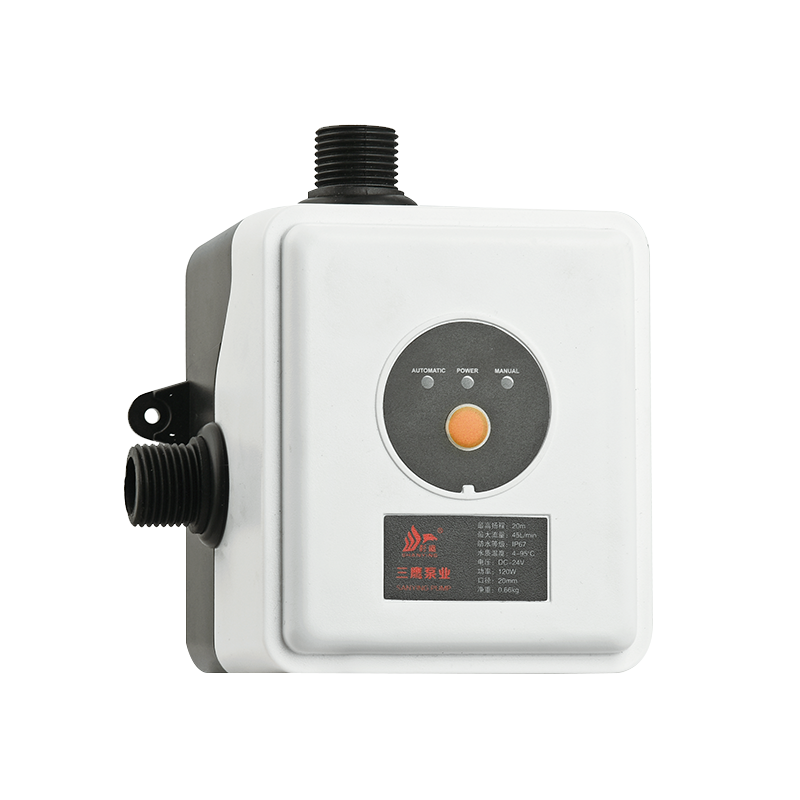
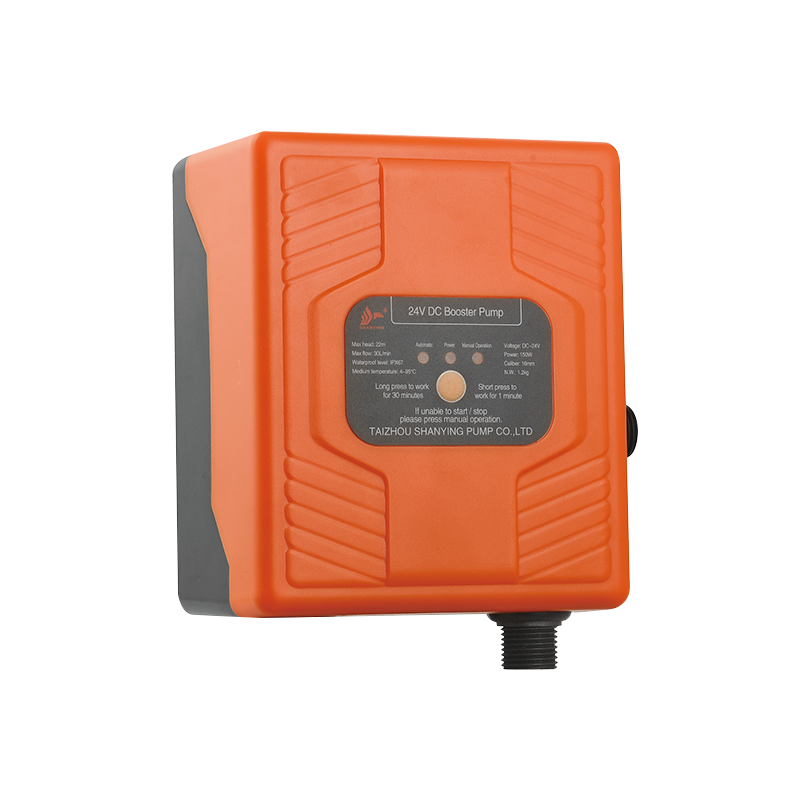
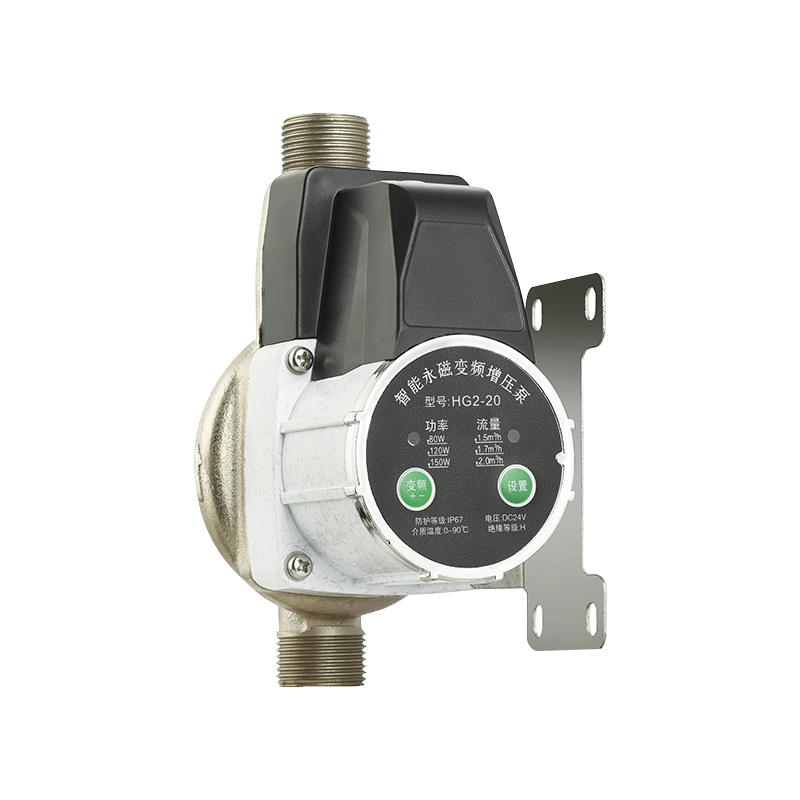
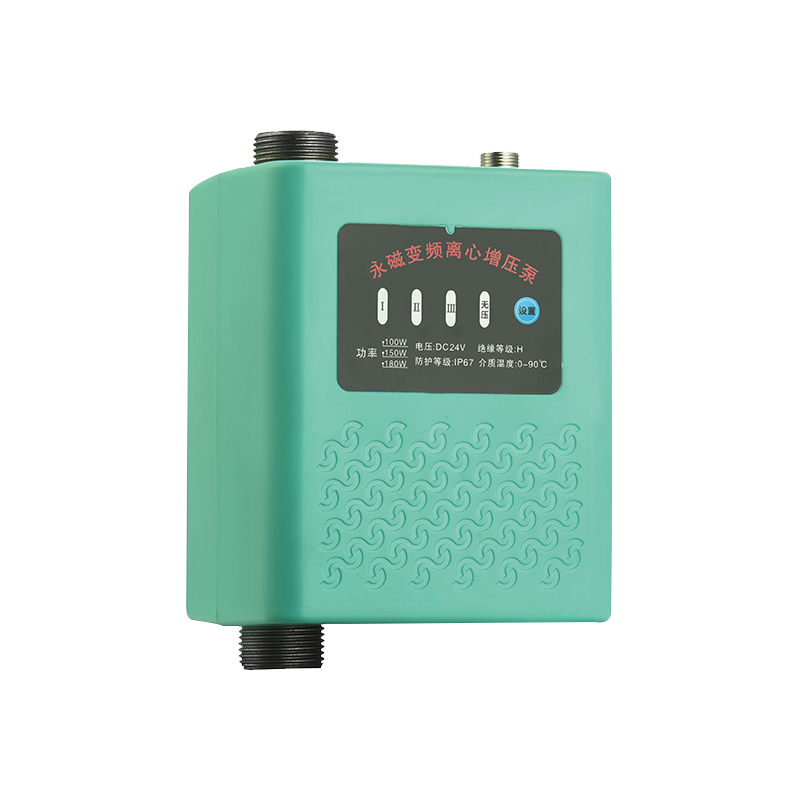
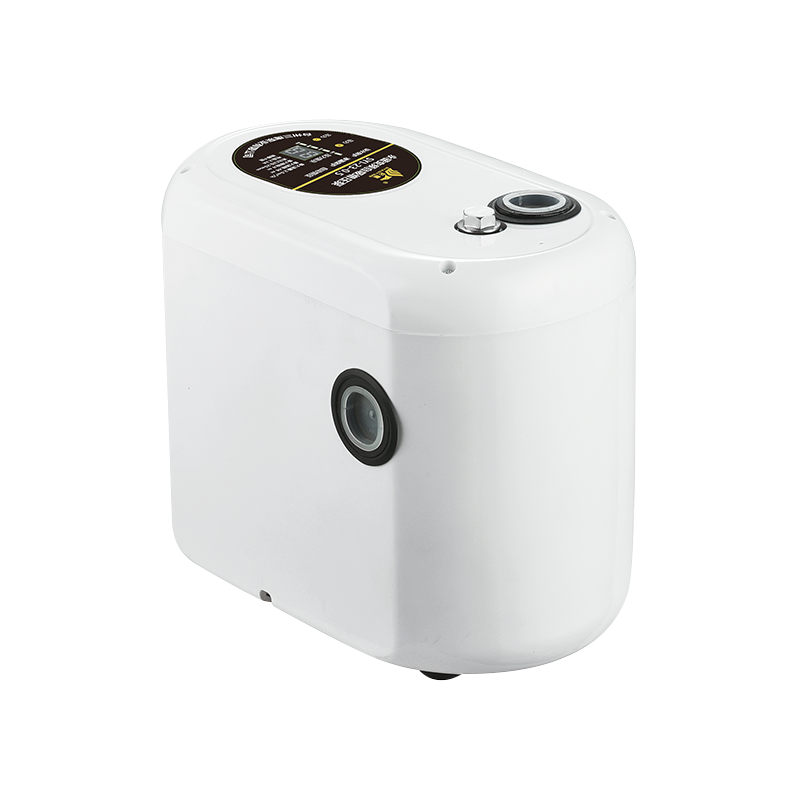
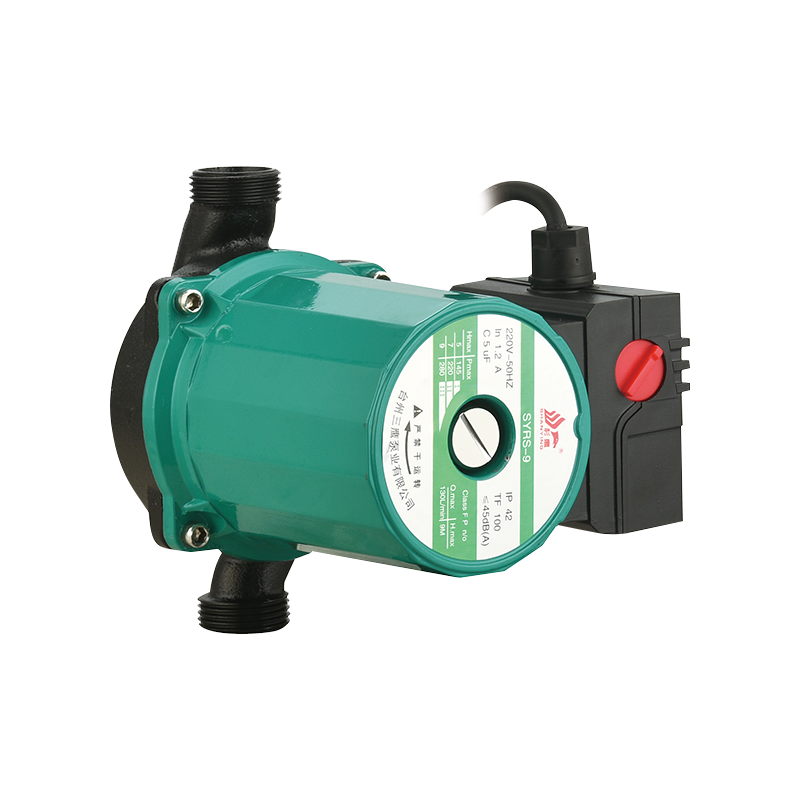
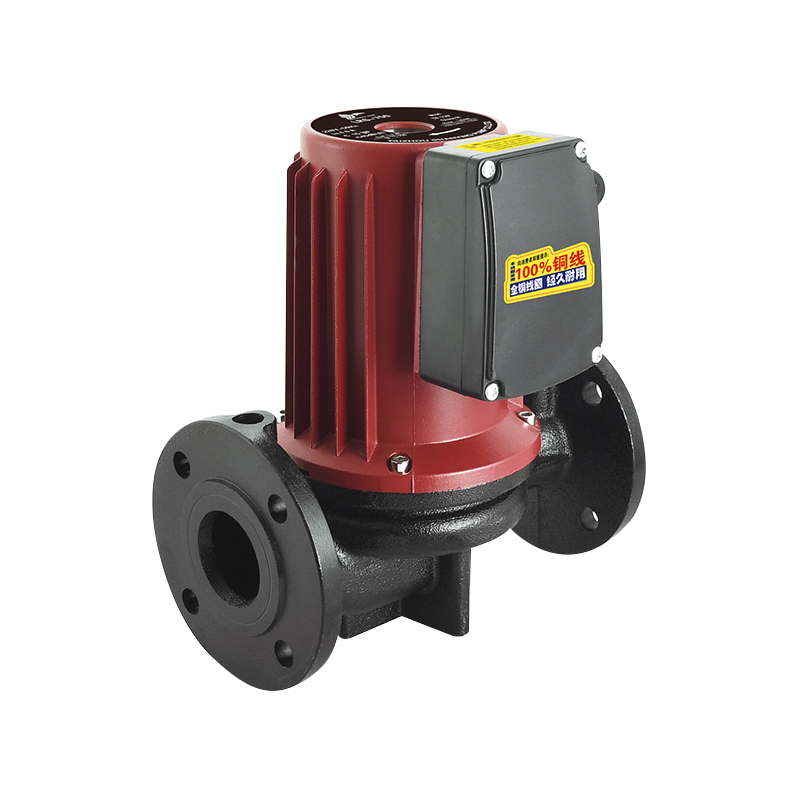
System pressure governs when the intelligent booster pump starts and stops automatically, and that mechanism translates directly into a constant pressure water supply. Residential, commercial, and industrial water supply systems all draw on this pump type widely. An intelligent control system built into the design brings energy savings, reduced consumption, and a longer pump lifespan along with it.

Main advantages:

Constant pressure water supply paired with automatic flow adjustment

Energy-efficient operation cutting down on energy waste

Convenient remote monitoring made possible through an intelligent control system

Simple installation adapting well to various water supply environments

Message Feedback
About
Taizhou Shanying Pump Co., Ltd.

Taizhou Shanying Pump Co., Ltd. is a water booster pump manufacturer with product development, production, sales, and service. The company has a state Class B standard pump testing center, and actively implements the ISO9001 quality assurance system.

Because of our water booster pump products with stable quality, energy efficient, safe and reliable, and reasonable prices, favored by the users. Products are widely used in construction, firefighting, environmental protection, drainage, HVAC, and household.

News

Intelligent Booster Pumps for Stable Water Pressure and Automatic Water Supply

Stable pressure, automatic operation, more efficient pump control — water supply systems calling for this combination are exactly where intelligent booster pumps get designed to fit. Sensors and an electronic control system take the place of manual switching or basic pressure devices, letting an intelligent booster pump monitor pipeline pressure and adjust operation according to real water demand. Residential buildings, commercial facilities, light industrial systems, irrigation support, HVAC circulation, and other applications requiring consistent water pressure all fall within its reach as a result.

Whether a pump can move water isn't the main question for project selection. Maintaining suitable pressure under changing demand, starting and stopping at the right time, protecting itself from abnormal conditions, and matching the hydraulic requirements of the system — these carry far more weight. Taizhou Shanying Pump Co., Ltd., operating under Shanying Pump, provides intelligent water pump solutions for pressure boosting and automatic water supply applications.


What Is an Intelligent Booster Pump?

What separates an intelligent booster pump from an ordinary one comes down to a single design choice: automatic control functions get wired directly into a pressure-boosting water pump. Water pressure across pipelines, storage tank systems, building water supply networks, and equipment water circuits rises specifically because this pump type handles the job.

Intelligent Booster Pumps

A standard booster pump, by contrast, usually needs external pressure switches, tanks, or manual control devices to function properly. Detecting pressure changes and responding automatically becomes possible for an intelligent booster pump precisely because control logic gets built into the pump system itself, rather than bolted on from outside.

Typical functions may include:

  • Automatic start and stop
  • Constant pressure control
  • Pressure sensing
  • Flow detection
  • Dry-running protection
  • Overload protection
  • Fault alarm
  • Display or control panel
  • Variable-speed or adaptive operation, depending on configuration

Opening a water outlet sends pipeline pressure downward, a change the pump registers immediately, kicking off automatic startup as a direct response. When water use ends and pressure works its way back into the set range, the pump follows suit by reducing speed, stopping, or dropping into standby mode, depending on how its control system has been configured.

This automatic response is precisely what allows manual intervention to drop off while water supply stability holds firm, even as consumption swings across the system.


How Intelligent Booster Pumps Improve Water Supply Systems

Insufficient municipal pressure, long pipeline distance, elevation differences, multiple water outlets, changing demand throughout the day — any of these can trigger the pressure fluctuation that plagues many water systems. Actual pressure conditions dictate how an intelligent booster pump responds, and that responsiveness is exactly what resolves the issue.

Constant Pressure Performance

Among all the functions an intelligent booster pump performs, maintaining stable discharge pressure sits near the top of the list. Frequent shifts in water demand tend to occur in buildings or facilities with multiple outlets, and proper control being absent opens the door to low pressure during peak usage or excessive pressure during low demand.

Responding to these changes becomes possible for the pump once an intelligent control system enters the picture. This can improve:

  • Water pressure stability
  • Outlet flow consistency
  • Equipment water supply reliability
  • Comfort in residential and commercial applications
  • System control under variable demand

Constant pressure water supply proves especially useful across apartments, villas, offices, hotels, workshops, irrigation systems, and service facilities.

Automatic Operation

Far less necessity attaches to manual start and stop once intelligent booster pumps enter the setup. Demand appearing triggers operation, demand ending triggers a stop — unnecessary running time gets prevented and operational complexity drops as a direct result.

Automatic operation is useful in:

  • Rooftop tank supply systems
  • Basement water transfer
  • Domestic pressure boosting
  • Small commercial water supply
  • Garden and greenhouse irrigation
  • Equipment support systems

Protection Functions

Damage risk from abnormal operation gets reduced through self-protection features built into many intelligent booster pumps — that's precisely their purpose. Dry-running protection, overload protection, overheating response, and pressure abnormality alarms typically make up this protective set.

Situations involving an unstable water source, changing suction conditions, or a pump running without continuous supervision — these are exactly where such functions matter most.


Suitable Applications for Intelligent Booster Pumps

Pressure control requirements are exactly what draw clean water systems toward intelligent booster pumps on a regular basis. Flow rate, head, water source condition, control requirements, and installation environment — all five should shape the selection process.

Residential and Building Water Supply

Houses, villas, apartments, and small buildings dealing with low water pressure from tanks or municipal pipelines find their fix through an intelligent booster pump. Showers, taps, washing systems, and other daily water use points all benefit from this setup as a result.

Even when multiple outlets operate simultaneously, a more consistent pressure range tends to hold, with the outcome shaped by system design and pump capacity.

Commercial Facilities

Hotels, offices, restaurants, schools, and service buildings increasingly treat automatic pressure boosting for daily water supply as a genuine requirement. Shifting water demand across different time periods doesn't disrupt stable operation once intelligent booster pumps take charge.

Important selection factors for these facilities include operating noise, pressure range, control logic, installation space, and maintenance convenience.

Light Industrial Water Supply

Booster pumps find a role in light industrial applications wherever equipment cooling, washing systems, process water transfer, or auxiliary water supply come into play. Intelligent control keeps pressure steady for equipment that depends on consistent water input.

The expected liquid type generally lands on clean water or a compatible low-viscosity liquid. Particles in the water call for filtration consideration before the pump inlet.

Irrigation and Greenhouse Systems

Sprinklers, drip lines, and water distribution pipelines across garden irrigation, greenhouse watering, and small agricultural systems frequently need steady pressure to function well. Water demand shifting across different irrigation zones is precisely where an intelligent booster pump helps maintain that pressure.

A clean or filtered water source is what keeps sensors, impellers, seals, and control components protected.

HVAC and Circulation Support

Heat exchangers, terminal units, and piping networks in HVAC and cooling systems have their performance shaped directly by pressure and circulation stability. Wherever these systems demand it, intelligent booster pumps step in to deliver both automatic pressure control and reliable circulation support.


How to Select the Right Intelligent Booster Pump

A full understanding of the water supply system underpins correct pump selection. Choosing only by pump appearance, motor power, or pipe connection size may lead to unstable pressure, frequent cycling, noise, or inefficient operation.

Flow Rate

How much water the pump can deliver within a given time — that's what flow rate indicates. The number of outlets, simultaneous water use, irrigation zone demand, or equipment water consumption all shape the required flow figure.

Peak demand may go unsupplied with insufficient flow. Excessive flow may push the pump outside its efficient working range, creating unnecessary system stress.

Head and Pressure

Overcoming elevation and resistance is what head represents in terms of pump capability. More than vertical height alone should factor into total head for pressure boosting systems.

Important elements include:

  • Height difference between water source and outlet
  • Pipeline length
  • Pipe diameter
  • Resistance from elbows, valves, filters, and fittings
  • Required terminal pressure
  • Safety margin for stable operation

Friction loss can add up significantly for buildings with multiple floors or long pipelines. Delivering the required pressure becomes far more achievable for the selected booster pump once accurate head calculation is in place.

Water Source Condition

Performance takes a strong hit or gain depending on the pump's suction condition. A storage tank, underground tank, rooftop tank, municipal pipeline, well system, or treated water source may all serve as the water source.

Before selection, confirm:

  • Whether the inlet pressure is stable
  • Whether the pump needs suction lift
  • Whether the inlet pipe is properly sized
  • Whether air may enter the pipeline
  • Whether filtration is required
  • Whether the water level may drop during operation

Cavitation, vibration, unstable flow, and reduced pump life all tend to follow poor suction conditions.

Control Requirements

Different levels of control may come with different intelligent booster pumps. Simple automatic start-stop operation is the design focus for some, while constant pressure or variable-speed control takes priority for others.

Common control needs include:

  • Automatic pressure detection
  • Constant pressure water supply
  • Reduced start-stop frequency
  • Dry-running protection
  • Fault alarm indication
  • Display interface
  • Remote monitoring compatibility, where applicable

How the system will be used should determine which control function gets selected.

Power Supply and Installation Environment

Electrical compatibility deserves a check before installation gets underway. Voltage, frequency, phase, cable connection, and protection requirements should all match the local power condition and application environment.

Installation should also consider:

  • Stable foundation
  • Ventilation around the motor
  • Protection from rain or direct exposure when required
  • Easy access for inspection
  • Correct inlet and outlet pipe layout
  • Space for valves, filters, and maintenance

Why Work with a Booster Pump Factory

Product selection turns more practical and technically accurate once a booster pump factory gets involved. Hydraulic performance and control system matching both come into play with intelligent booster pumps, making technical communication essential before final selection.

A suitable manufacturer can help review:

  • Required flow and pressure
  • Pump type and structure
  • Control function needs
  • Power supply compatibility
  • Installation conditions
  • Pipeline layout
  • Water source characteristics
  • Maintenance requirements

Selection errors drop and long-term operating stability improves for intelligent water supply systems, thanks to this kind of support.


Automatic pressure control, stable operation, convenient management — water supply systems demanding this combination find a fit in an intelligent booster pump. Residential buildings, commercial facilities, light industrial systems, irrigation, HVAC support, and clean water pressure boosting applications all draw on it regularly.

Flow rate, total head, pressure demand, suction condition, liquid quality, control function, and installation environment — correct selection hinges on all seven. Clear evaluation of these factors pays off directly: a water booster pump that fits the system and supports reliable daily operation.

```