Home · Products · Solar Water Pump · AC/DC Hybrid Brushless Solar Pump

AC DC Hybrid Solar Pump

Contact us

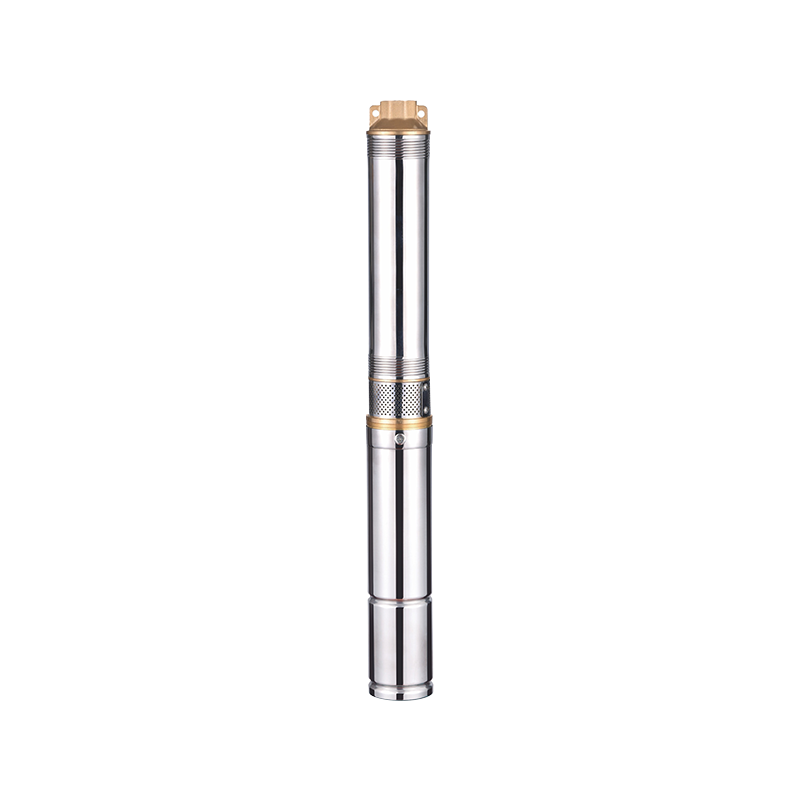
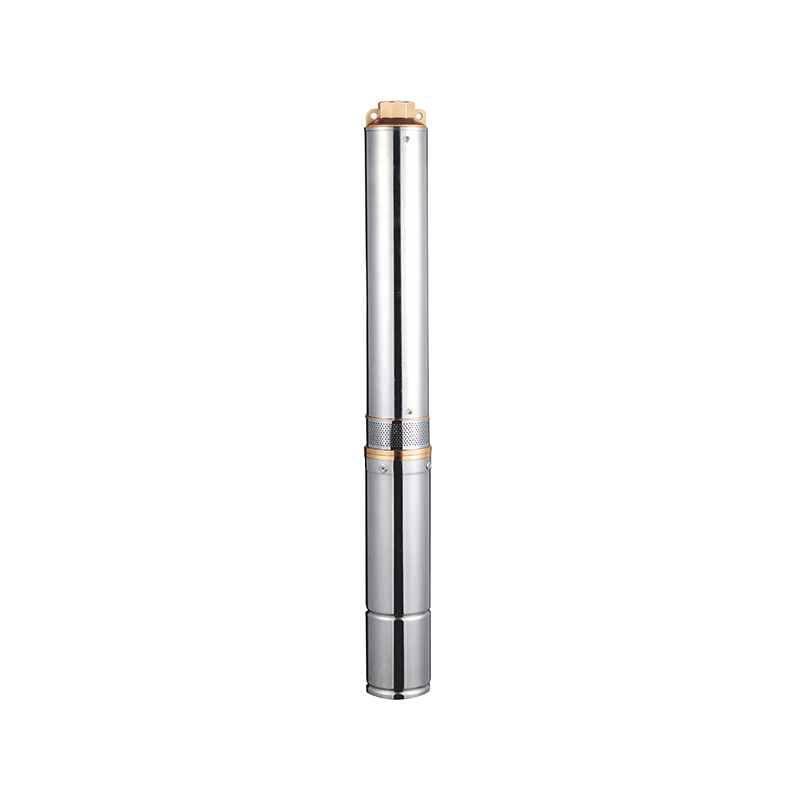
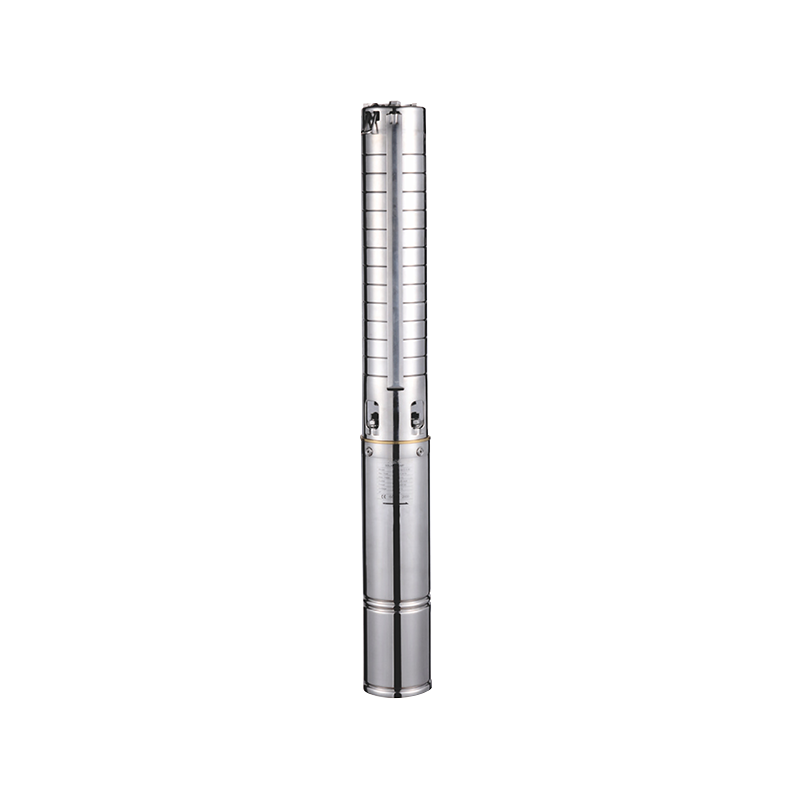
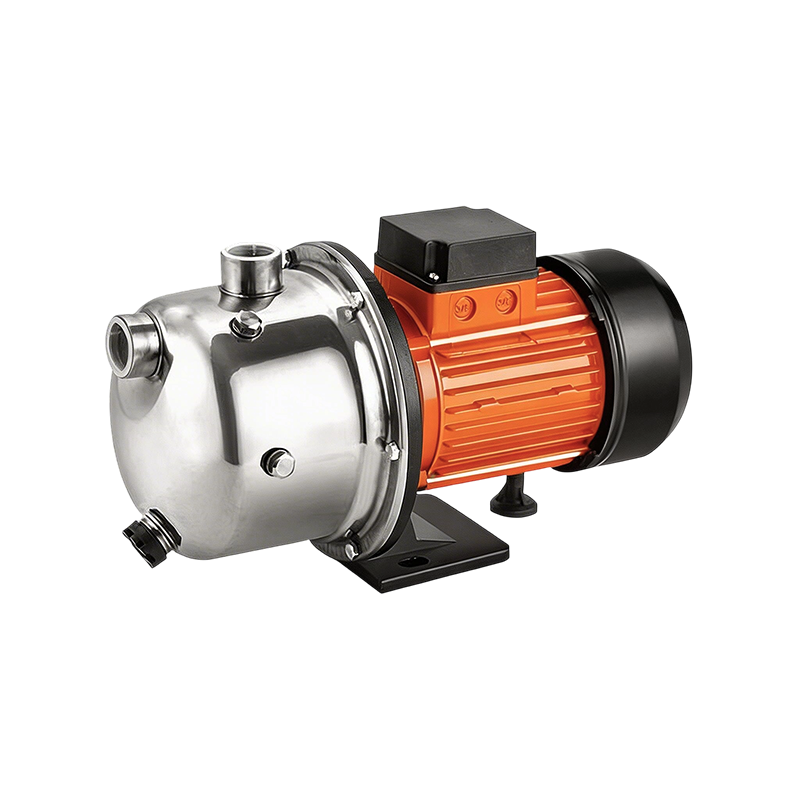
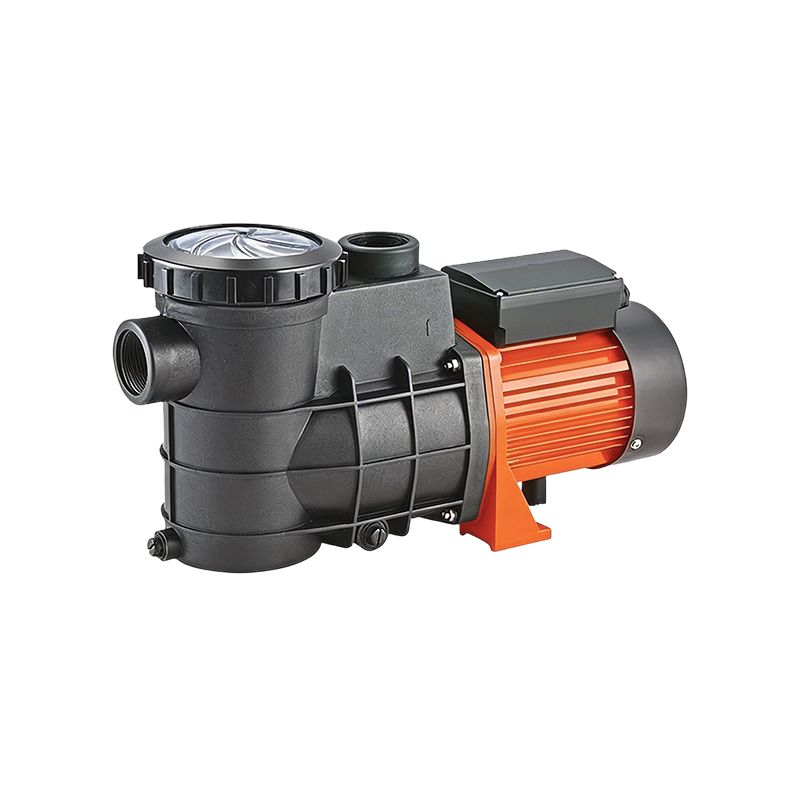
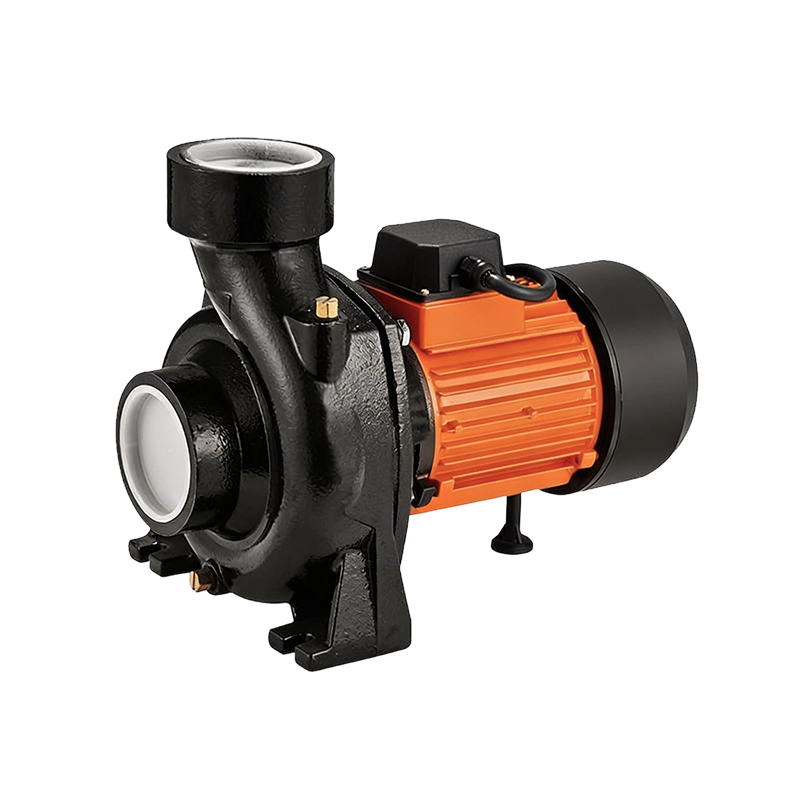
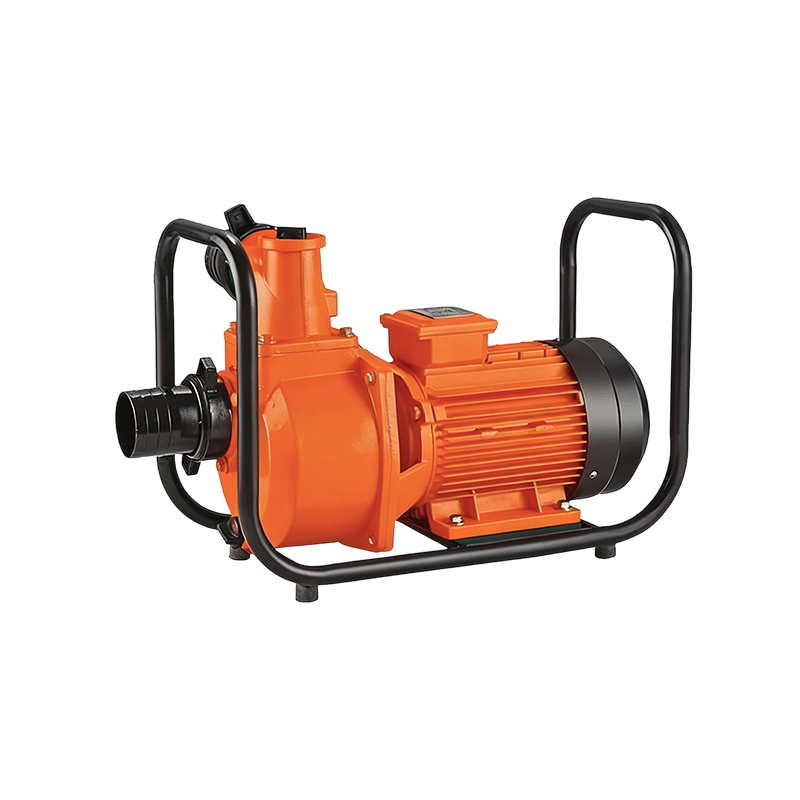
AC/DC Hybrid Brushless Solar Pump

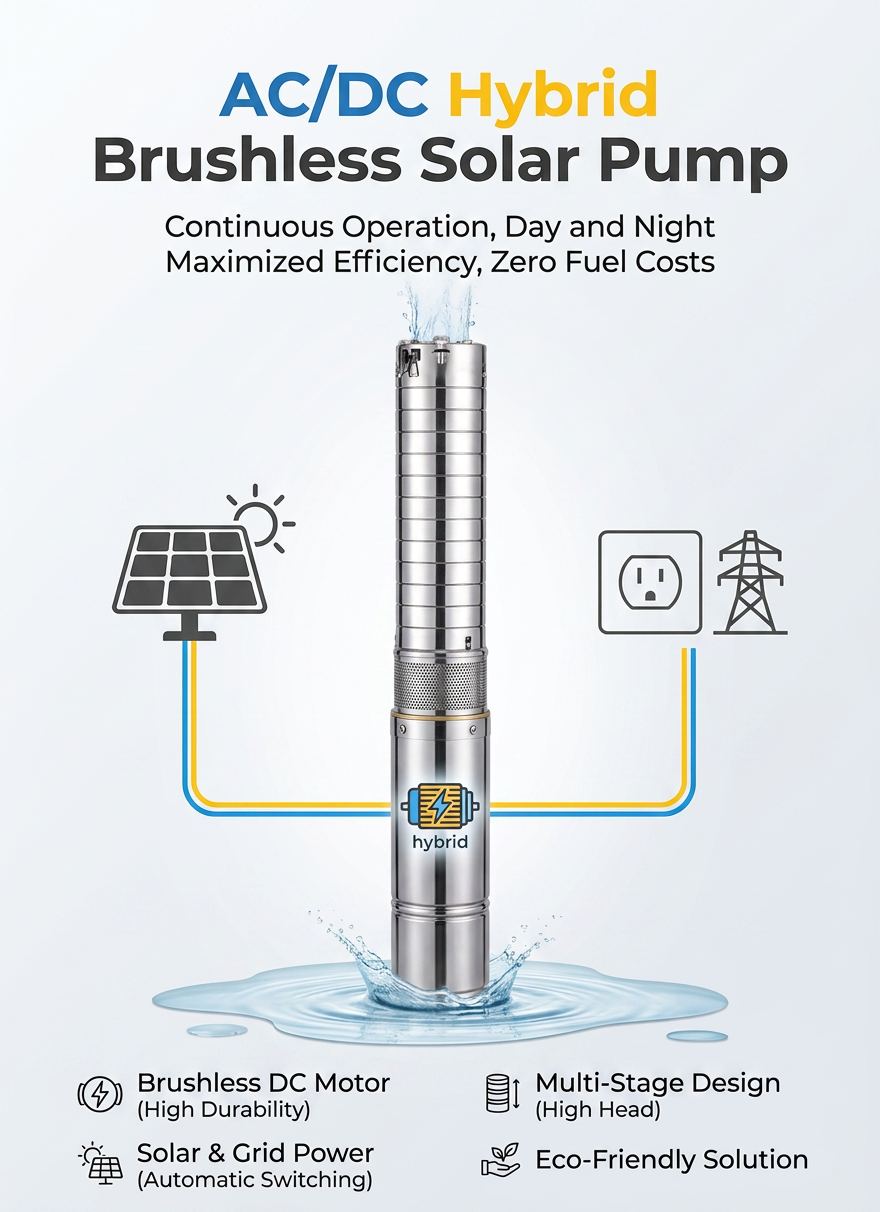
This AC/DC hybrid brushless solar pump can run on DC photovoltaic power or standard AC electricity, and it switches between the two on its own to keep water moving without any gaps in supply. It pulls together solid efficiency, real energy savings, and steady system performance, which makes it a good match for water supply setups that combine solar and grid power side by side.

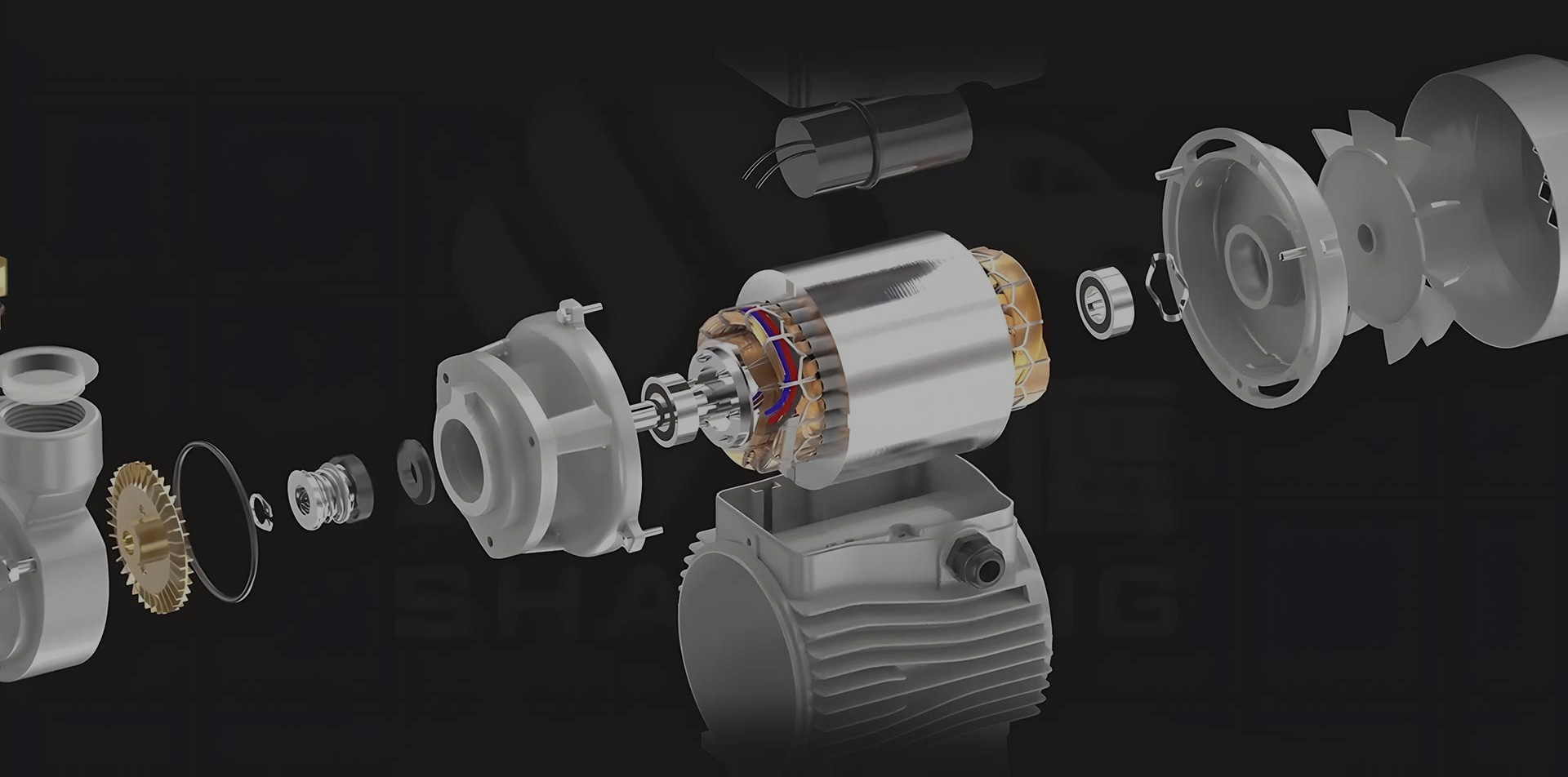
Built around a brushless permanent magnet motor, delivering a 20%–40% efficiency boost, with frequency conversion and the controller housed externally

Uses a soft-start process when powering up, which helps the motor last longer over time

Runs on AC or DC power — AC drawn from either grid electricity or a generator, DC drawn from solar panels or a battery

Accepts a supply voltage span of 90–460V DC (solar panel Voc voltage), or 90–240V AC across 50/60Hz

Protects against reverse polarity connection

Has MPPT integrated right into the unit

Carries overcurrent protection

Includes locked rotor protection

Covers phase deficiency protection

Stops automatically once the low water level sensor triggers

Stops automatically once the high water level sensor triggers

Lets the AC/DC input be switched manually

Comes with an optional remote control system

Message Feedback
About
Taizhou Shanying Pump Co., Ltd.

Taizhou Shanying Pump Co., Ltd. is a AC DC Hybrid Solar Pump Supplier with product development, production, sales, and service. The company has a state Class B standard pump testing center, and actively implements the ISO9001 quality assurance system.

Because of our hybrid solar pump products with stable quality, energy efficient, safe and reliable, and reasonable prices, favored by the users. Products are widely used in construction, firefighting, environmental protection, drainage, HVAC, and household.

News

Understanding Hybrid Solar Water Pumps: Power Options, Applications, and Selection Factors

An AC/DC hybrid brushless solar pump is built for water systems that need flexible power options, steady performance, and better energy use as field conditions keep shifting. Unlike a solar pump that only runs on photovoltaic power, this hybrid design can pull DC power from solar panels or batteries and AC power from the grid or a generator, switching between them as needed. That flexibility matters a lot in situations where sunlight is plentiful during the day but water still needs to keep flowing on schedule through cloudy stretches, early mornings, evenings, or seasonal dips in daylight.

Across irrigation, livestock watering, remote water supply, greenhouse systems, and off-grid water transfer, keeping power stable often matters just as much as the pump's raw performance. A hybrid solar pump eases that pressure by letting the system shift between solar and AC input whenever conditions call for it. Taizhou Shanying Pump Co., Ltd., under the Shanying Pump brand, offers solar water pump solutions built to support practical selection across varying water sources, power setups, and installation environments.


What Is an AC/DC Hybrid Brushless Solar Pump?

An AC/DC hybrid brushless solar pump brings together brushless motor technology and dual power compatibility in a single system. It can run on DC power drawn from photovoltaic panels or batteries, and it can just as easily switch to AC power from a grid connection or generator.

This dual-input design makes the pump far more adaptable than a standard single-power unit. Wherever sunlight is strong, the system can lean on solar energy first during daylight hours. Once sunlight fades or drops away, AC power can step in to keep things running, assuming the system is configured to allow it.

A typical AC/DC hybrid solar pump setup tends to include:

  • Photovoltaic solar panels
  • Brushless permanent magnet motor
  • Pump controller or inverter
  • AC input connection
  • DC input connection
  • Water level sensors
  • Cables, pipes, and valves
  • Optional remote control function
  • Optional battery connection, depending on the overall design

Because the brushless motor design skips mechanical brushes, wear drops noticeably and operation stays smoother overall. Paired with a controller, the pump can manage incoming power, protect the motor itself, and hold onto operating stability even as working conditions shift around it.


Why Hybrid Power Matters in Solar Pumping

Solar water pumps earn their value from tapping renewable energy — but that energy isn't constant. It shifts across the day and across seasons. Clouds roll in, rain falls, daylight hours shrink in winter, panels get shaded, dust builds up — all of it chips away at output. Some applications can absorb that variability just fine, since water gets stored in a tank during the sunny stretches. Others need water flowing on a tighter schedule that doesn't bend so easily.

That's exactly where an AC/DC hybrid solar pump earns its place — sites that need solar operation alongside the flexibility of backup power.

More Flexible Energy Use

The pump can run on DC solar power whenever sunlight allows and switch to AC power the moment it's needed. That flexibility softens the limitations that weather and time of day would otherwise impose.

Typical AC power sources:

  • Grid electricity
  • Generator power

Typical DC power sources:

  • Solar panels
  • Battery systems

This kind of flexibility proves genuinely useful for farms, rural facilities, water stations, and irrigation systems that simply can't lean on sunlight alone to get the job done.

Better Continuity for Water Supply

A standalone solar pump tends to slow down or stop altogether once sunlight drops off. A hybrid solar water pump avoids that trap by letting a second power source take over whenever it's called for, keeping water transfer far more continuous.

That continuity matters for:

  • Livestock watering systems
  • Greenhouse irrigation
  • Remote household water supply
  • Agricultural irrigation running on fixed schedules
  • Tank filling systems
  • Facilities where daily water demand fluctuates

Efficient Brushless Motor Operation

The brushless permanent magnet motor plays a central role here. Skipping carbon brushes means mechanical wear stays low, which stretches out service intervals and makes the pump a solid fit for outdoor or remote installations.

Brushless motor technology also sharpens energy conversion efficiency — something that matters a great deal for solar equipment, given how much available energy swings throughout the day.

Smooth Start and Motor Protection

Soft-start operation eases the mechanical and electrical strain that comes with powering up. That translates into smoother motor behavior and softens the impact of sudden current surges.

For pumps working in wells, irrigation pipelines, and remote installations, a gentle startup goes a long way toward protecting both the motor and everything connected to it.


Typical Applications of Hybrid Solar Water Pumps

AC/DC hybrid brushless solar pumps get chosen wherever water demand, sunlight availability, and backup power planning all need weighing together. They hold up well in both off-grid settings and areas where grid power runs weak or unreliable.

Application Power Condition Main Selection Focus
Agricultural Irrigation Solar power with grid or generator support Flow rate, total head, irrigation schedule
Livestock Watering Solar operation with backup input Stable delivery, tank filling, water level control
Greenhouse Water Supply Mixed power availability Pressure stability, daily operating time
Remote Facility Water Supply Limited or unstable grid access Power flexibility, system protection
Well Pumping Solar and AC power options Lift height, water level, motor protection
Tank Filling Systems Daytime solar with backup power Automatic control, sensor configuration

What this table really highlights is that a hybrid pump's real value goes beyond just moving water — it's about adapting to whatever energy situation the site presents. A farm blessed with strong sunlight might lean almost entirely on solar, while a greenhouse could need AC backup during cloudy stretches or to keep scheduled watering cycles on track.


Key Functions to Consider

A hybrid solar water pump deserves evaluation as a complete system, not a single component. Pump, motor, controller, power input, sensors, and pipeline conditions all shape the end result together.

AC/DC Power Input

The defining feature of this pump category is straightforward — it works with both AC and DC power. Depending on the operating environment and controller design, the system connects to photovoltaic DC power, standard AC electricity, or both.

Before locking in a pump, it's worth confirming:

  • Solar panel voltage range
  • AC input requirements
  • DC input requirements
  • Cable distance
  • Voltage drop
  • Generator compatibility, if applicable
  • Whether power selection needs to be manual or automatic

Getting the power matching right helps head off unstable operation and cuts down the risk of electrical faults down the line.

Built-In MPPT Function

MPPT, or Maximum Power Point Tracking, helps the solar controller squeeze more value out of photovoltaic energy. Since panel output shifts with sunlight intensity, MPPT continuously adjusts the operating point to sharpen energy conversion.

For irrigation and remote water supply work, MPPT helps the pump hold onto steadier water output even as sunlight conditions keep changing.

Motor and Electrical Protection

Outdoor pump systems regularly deal with shifting conditions. Built-in protection functions help boost safety and cut down potential damage.

Common protection features include:

  • Reverse connection protection
  • Overcurrent protection
  • Locked rotor protection
  • Phase deficiency protection
  • Low water level sensor protection
  • High water level sensor protection

These features carry particular weight when the pump runs without regular on-site supervision.

Water Level Sensor Control

Low water level protection stops the pump from running dry when the water source falls short. High water level protection halts pumping once a tank fills up. Together, these sensor functions keep operation far better controlled.

Water level control proves useful for:

  • Well water pumping
  • Storage tank filling
  • Livestock drinking systems
  • Irrigation reservoirs
  • Remote water points

Optional Remote Control

Certain hybrid solar pump systems support remote control functions. That's genuinely valuable for installations scattered across farmland, distant wells, or remote water supply points that aren't easy to reach for regular checks.

Remote functions should be picked based on actual management needs, communication conditions on-site, and how accessible the location really is.


How to Choose the Right AC/DC Hybrid Solar Pump

Choosing a hybrid solar pump means carefully weighing hydraulic demand against power availability. A well-suited pump needs to match the water source, pipeline layout, required output, and overall energy supply plan.

1. Identify the Water Source

The source might be a deep well, shallow well, river, pond, reservoir, underground tank, or storage tank — and each one calls for a different set of considerations.

Important details to nail down:

  • Static water level
  • Dynamic water level while pumping
  • Water depth
  • Seasonal water level shifts
  • Water cleanliness
  • Sand or particle content
  • Distance from source to outlet

For wells, pump depth and lift height carry extra weight. For surface water transfer, suction conditions and filtration deserve closer attention instead.
AC/DC Hybrid Brushless Solar Pump

2. Calculate Flow Requirement

Flow rate needs to be grounded in actual water demand. Irrigation systems should factor in crop area, watering method, number of outlets, and daily watering duration. Livestock systems need to account for drinking demand and available storage. Greenhouse systems often call for steady flow within a controlled schedule rather than a high peak rate.

The flow chosen should meet the job at hand without wasting energy or forcing an oversized pipeline.

3. Determine Total Head

Total head brings together vertical lift, pipeline friction loss, discharge pressure, valves, elbows, filters, and pipe length — arguably the single most important figure in the whole selection process.

Get this calculation right, and water arrives at its destination with the pressure and flow the job actually requires.

4. Evaluate Solar and AC Power Conditions

The site needs a review covering both solar exposure and backup power availability.

Solar-side factors:

  • Average sunlight hours
  • Panel installation space
  • Shading from trees, buildings, or terrain
  • Seasonal weather shifts
  • Panel angle and orientation

AC-side factors:

  • Grid availability
  • Generator use
  • Voltage stability
  • Power distance
  • Safety requirements

A hybrid pump delivers the most value once both energy sources can be planned out clearly from the start.

5. Review Control and Protection Requirements

The controller needs to fit the working environment it'll actually operate in. For remote or outdoor systems especially, sensor protection, voltage protection, current protection, and fault management all matter for smooth day-to-day use.


Why Work with a Pump Manufacturer?

Selecting a hybrid solar pump touches on quite a few technical factors at once. The pump has to work in harmony with the water source, pipeline, solar panel input, AC power source, controller, and operating schedule. That's precisely where a pump manufacturer adds value — helping review all these pieces together rather than in isolation.

Manufacturer support typically helps clarify:

  • Which pump type suits the application
  • What flow and head range is actually needed
  • How solar panels and controller should be matched
  • What AC and DC input requirements apply
  • What sensor and protection functions are necessary
  • Installation considerations for wells, tanks, or irrigation systems
  • Whether water storage or battery support makes sense

For projects spanning agricultural irrigation, livestock watering, remote water supply, or hybrid energy setups, careful technical matching pays off in stronger long-term system performance.


AC/DC hybrid brushless solar pumps are built for water systems that need solar energy paired with the flexibility of backup power. Running on both DC photovoltaic power and AC power sources makes them a strong fit for irrigation, livestock watering, greenhouse water supply, well pumping, tank filling, and remote water transfer.

Choosing a hybrid solar water pump means reviewing water source depth, required flow, total head, pipeline layout, sunlight conditions, AC power availability, controller functions, and sensor protection all together. A properly matched hybrid system delivers steady water supply across shifting power conditions while cutting down reliance on any single energy source.

```