Home · Products · Solar Water Pump · Plastic Solar Water Pump

Lightweight Solar Water Pump

Contact us

Plastic Solar Water Pump

    information to be updated

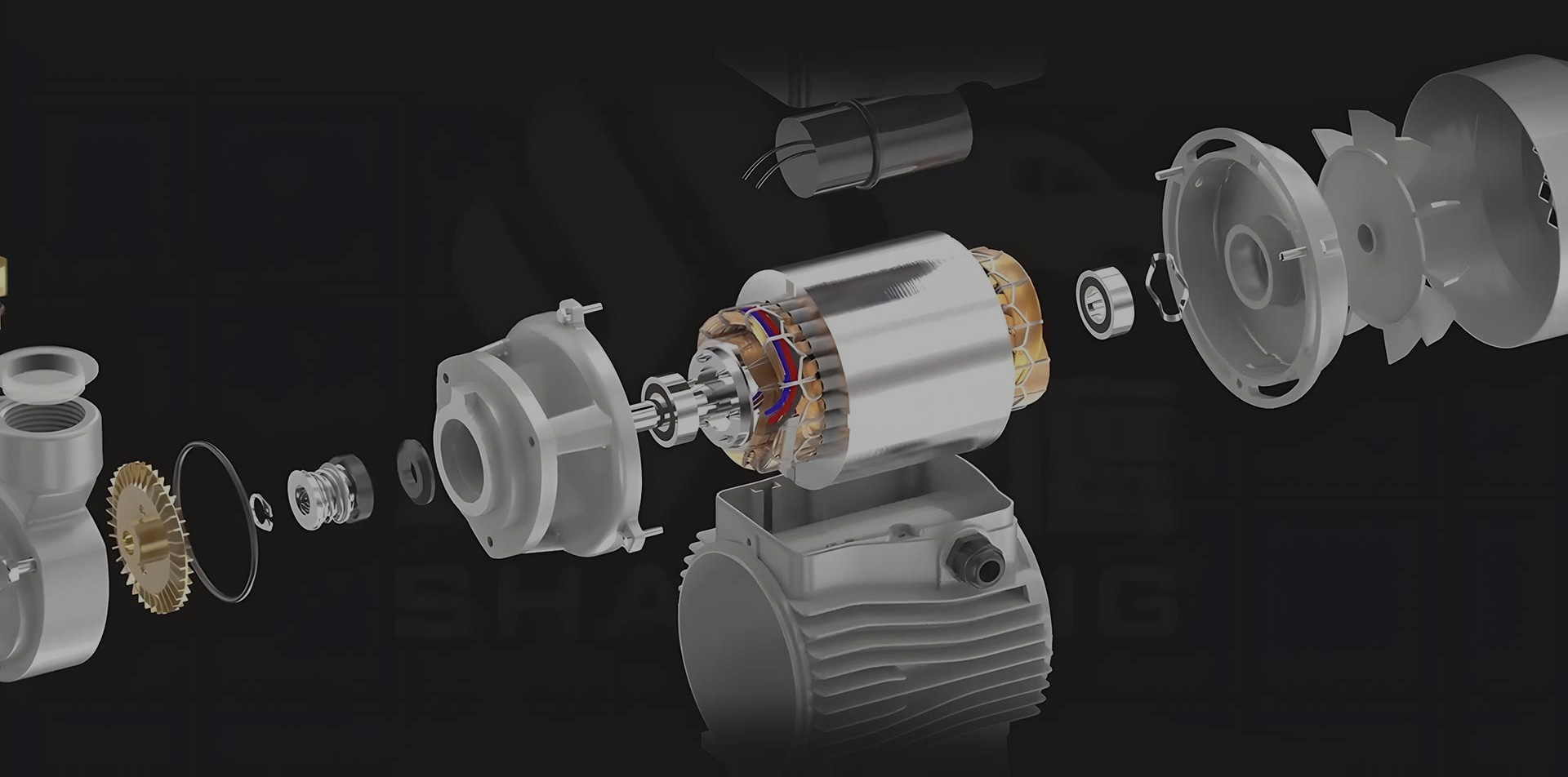
Made from durable, high-grade engineering plastic, this solar-powered pump manages to stay both lightweight and genuinely resistant to corrosion. It moves clean water just as readily as mildly corrosive liquids, which makes it a natural pick for garden irrigation, solar-based water supply setups, and fountains in landscaped areas. The combination of a light frame and tough materials means installing it — and keeping it running — rarely turns into a chore.

Main advantages:

Crafted from high-strength plastic that stands up to corrosion and UV exposure alike

Light in weight, so moving or mounting it takes little effort

Handles clean water alongside mildly corrosive liquids without issue

Comes at an affordable price point, staying practical with minimal upkeep required

Message Feedback
About
Taizhou Shanying Pump Co., Ltd.

Taizhou Shanying Pump Co., Ltd. is a plastic solar water pump supplier with product development, production, sales, and service. The company has a state Class B standard pump testing center, and actively implements the ISO9001 quality assurance system.

Because of our plastic solar water pump products with stable quality, energy efficient, safe and reliable, and reasonable prices, favored by the users. Products are widely used in construction, firefighting, environmental protection, drainage, HVAC, and household.

News

Plastic Solar Water Pump Selection Guide for Garden Irrigation and Clean Water Transfer

When lightweight construction, resistance to corrosion, and quick installation matter most, a plastic solar water pump tends to be the go-to choice for solar-powered water transfer. Built around high-strength engineering plastic, this pump style handles clean water or mildly corrosive liquids well, which is why it shows up so often in home garden irrigation, landscape fountains, compact solar water supply setups, and light-duty circulation tasks. For jobs where the unit gets relocated frequently, fitted into tight spaces, or left exposed outdoors, a plastic build tends to make day-to-day handling and upkeep noticeably easier.

Planning a water system on an international scale, though, comes down to more than confirming a plastic solar water pump can move water at all. What really matters is whether its materials, motor layout, hydraulic output, and photovoltaic power source line up with actual site conditions. Taizhou Shanying Pump Co., Ltd., operating under the Shanying Pump brand, offers solar pump solutions for anyone who needs to weigh pump materials, environmental factors, and overall system design together.


What Is a Plastic Solar Water Pump?

A plastic solar water pump is a solar-driven unit that relies on engineering plastic for its core structural parts — the casing, and in some designs, the hydraulic components as well. Set against metal pump bodies, plastic construction tends to cut down weight while improving resistance to certain corrosive elements. That combination suits it well for clean water transfer, garden irrigation, fountain circulation, and select mildly corrosive applications.

Within a standard setup, the pump pairs with photovoltaic panels that convert sunlight into usable electricity. Depending on how the pump is engineered, it might draw power straight from the solar panels, or route through a controller, inverter, or battery-backed arrangement instead.

A plastic solar water pump system may include:

  • Photovoltaic solar panel
  • Plastic solar-powered pump
  • Pump controller or inverter, depending on the design
  • Power cable
  • Water pipe and fittings
  • Filter or strainer
  • Water source such as a tank, pond, reservoir, or shallow well
  • Optional battery or water storage system

That plastic structure earns its keep especially in setups calling for straightforward installation, lighter equipment overall, and baseline durability against outdoor exposure.


Why Plastic Material Matters in Solar Pumping

The material a pump is built from shapes its weight, its resistance to corrosion, how much upkeep it needs, and which applications it fits. For light- to medium-duty solar water movement, engineering plastic holds up as a sensible choice — provided the liquid being pumped and the working environment are a reasonable match.

Lightweight Structure

Compared to an equivalent metal pump, a plastic solar water pump is typically much easier to work with by hand. That translates into smoother installation across gardens, small irrigation zones, fishponds, landscape features, and short-term water supply points.

A lighter build pays off when:

  • The pump gets moved between different sites
  • Available installation space is tight
  • Handling is done manually rather than with equipment
  • Use is seasonal rather than year-round
  • The project involves small-scale solar circulation

This feature tends to cut down on installation headaches, particularly outdoors where lifting gear isn't always on hand.

Corrosion Resistance

Engineering plastic holds up against many water conditions that would otherwise cause surface wear on certain metal parts. As a result, plastic solar pumps work well with clean water and mildly corrosive liquids — so long as the specific liquid type suits the pump's material makeup.

Typical use cases include:

  • Garden water circulation
  • Landscape fountains
  • Rainwater collection systems
  • Small pond circulation
  • Solar water supply for non-industrial settings
  • Light irrigation using relatively clean water

For liquids carrying strong chemical properties, high heat, abrasive grit, or heavy sediment, it's worth double-checking material compatibility before committing to a selection.

UV and Outdoor Suitability

Given that solar pump systems usually sit outdoors, UV resistance becomes a real factor for any exposed plastic parts. High-strength engineering plastic engineered with UV resistance in mind can slow down degradation caused by ongoing sun exposure.

That said, outdoor durability still hinges on getting the installation right. Cables, connectors, piping, and panels all need protection from excessive bending, impact, flooding, or sustained mechanical strain.


Typical Applications of Plastic Solar Water Pumps

Small and medium water systems that call for easy setup and solar-powered operation regularly turn to plastic solar water pumps. Their lightweight build makes them a natural fit for residential, agricultural, and landscape uses where water quality stays relatively clean.

Application Typical Water Source Selection Focus
Home Garden Irrigation Tanks, ponds, rainwater systems Flow rate, pipe distance, sunlight hours
Landscape Fountains Pools, ponds, decorative basins Continuous circulation, compact layout
Small Solar Water Supply Tanks or shallow wells Lift height, daily water demand
Pond Circulation Garden ponds or reservoirs Water cleanliness, filtration, runtime
Greenhouse Watering Storage tanks or reservoirs Stable flow, solar input, pipe layout
Temporary Water Transfer Tanks, barrels, small reservoirs Portability, easy setup, maintenance access

As this table shows, plastic solar water pumps often get picked for practical installations where easy handling and corrosion resistance outweigh the need for heavy-duty construction.


How to Know Whether a Plastic Solar Pump Is Suitable

Choosing a plastic solar water pump should hinge on the working environment it's headed for. It fits plenty of clean water applications well, but it shouldn't be treated as a catch-all solution for every liquid type or duty cycle out there.

Suitable Conditions

This pump type generally works well when:

  • The liquid is clean water or a mildly corrosive fluid
  • Sand or solid particles in the water stay limited
  • Flow and head requirements sit at a moderate level
  • Installation needs to stay simple and lightweight
  • The system runs mostly during daylight hours
  • The pump serves garden, fountain, irrigation, or tank transfer purposes
  • Maintenance access is readily available

Conditions Requiring Additional Evaluation

A different pump material or structure may serve better when:

  • The liquid carries abrasive particles
  • The water source deals with heavy sediment
  • The liquid runs strongly acidic or alkaline
  • The system demands high pressure or high head
  • The pump needs to run continuously over long stretches
  • Installation sits exposed to mechanical impact
  • The application touches industrial chemical transfer

For tougher water conditions, stainless steel or other material choices may fit better, depending on the medium involved and the site's specific demands.


Key Selection Factors

Settling on a plastic solar water pump means weighing both hydraulic needs and solar power conditions together. Even with a lightweight unit, getting the sizing right stays essential for steady operation.

1. Water Source and Liquid Quality

Begin by pinning down the water source. Common sources range across garden ponds, water tanks, rainwater collection tanks, shallow wells, reservoirs, and landscape pools.

Points worth checking include:

  • Water cleanliness
  • Presence of sand, mud, or leaves
  • Liquid temperature
  • Possible chemical content
  • Water level variation
  • Distance between the source and outlet

Where the water carries particles, adding a filter or strainer can protect the pump and cut down on blockage risk.

2. Required Flow Rate

Flow rate needs to line up with the application at hand. A garden irrigation setup might need a solid volume of water within a set watering window, while a fountain usually calls for steady circulation rather than sheer discharge volume.

Flow requirements hinge on:

  • Watering area size
  • Number of outlets
  • Irrigation method
  • Fountain dimensions
  • Tank filling time
  • Daily operating schedule

Picking a pump with mismatched flow can lead to insufficient water delivery or wasted energy consumption.

3. Total Head Calculation

Total head combines vertical lift with pipeline resistance, making it one of the most critical factors in pump selection.

Total head gets shaped by:

  • Vertical distance from the water surface to the outlet
  • Pipe length
  • Pipe diameter
  • Number of elbows and valves
  • Filters or nozzles in the line
  • Required outlet pressure

A pump choice should factor in flow and head together. Focusing on flow alone tends to produce disappointing field results.

4. Solar Panel Matching

Solar pump performance rides on photovoltaic input. The solar panel needs to deliver appropriate voltage and power for the pump it's paired with.

Key factors include:

  • Pump voltage requirement
  • Solar panel power capacity
  • Local sunlight conditions
  • Panel installation angle
  • Shading from trees, walls, or buildings
  • Cable length and voltage drop
  • Seasonal weather shifts

If the solar panel doesn't match up properly, the pump may start sluggishly, cut out frequently, or deliver reduced output during weak sunlight.

5. Controller or Battery Requirement

Some plastic solar water pumps run straight off solar panels, while others rely on a controller or battery system instead. Which setup fits depends on the pump's design and how the application schedule works.

Battery support proves useful when water needs to flow outside daylight hours. Many garden and irrigation projects also lean on water storage — the pump fills a tank during sunny stretches, and stored water gets used later on.


Installation and Maintenance Considerations

Plastic solar water pumps are usually straightforward to install, but getting the installation right still shapes long-term performance. A lightweight pump needs protection from vibration, impact, blockage, and faulty electrical connections.

Worthwhile installation practices include:

  • Positioning the solar panel where it won't be shaded
  • Using cable sized correctly to limit voltage drop
  • Keeping pipe diameter matched to pump flow
  • Adding filtration where the water source carries debris
  • Avoiding dry running when water levels fluctuate
  • Shielding cables from water damage and mechanical pulling
  • Keeping the pump reachable for inspection and cleaning

Routine maintenance can involve checking the filter, cleaning the pump inlet, inspecting cable connections, and keeping an eye on panel surface cleanliness. Dust or fallen leaves covering solar panels can quietly cut into pump output.


Why Work with a Pump Manufacturer?

A plastic solar water pump might look straightforward on the surface, but getting the selection right depends on material compatibility, flow demand, total head, power supply, and installation setting all coming together. Working alongside a pump manufacturer makes it easier to compare different solar pump structures and land on a configuration that fits the actual application.

Manufacturer support can help clarify:

  • Whether plastic material suits the liquid involved
  • The flow and head range needed
  • A suitable solar panel configuration
  • Whether controller or battery support is necessary
  • Installation type for garden, pond, tank, or irrigation systems
  • Filtration needs for water carrying debris
  • Maintenance planning for outdoor use

This kind of technical matching helps cut down on system mismatch and supports better day-to-day water delivery performance.


Plastic solar water pumps fit clean water and mildly corrosive liquid transfer well, particularly where lightweight structure, corrosion resistance, and easy installation matter. They show up regularly in home garden irrigation, landscape fountains, small solar water supply systems, pond circulation, greenhouse watering, and temporary water transfer.

When choosing a plastic solar water pump, it pays to look closely at water quality, required flow, total head, pipe layout, solar panel capacity, sunlight conditions, controller needs, and maintenance access. A well-matched system delivers practical, solar-powered water movement for light- to medium-duty applications while keeping both installation and handling refreshingly simple.

```