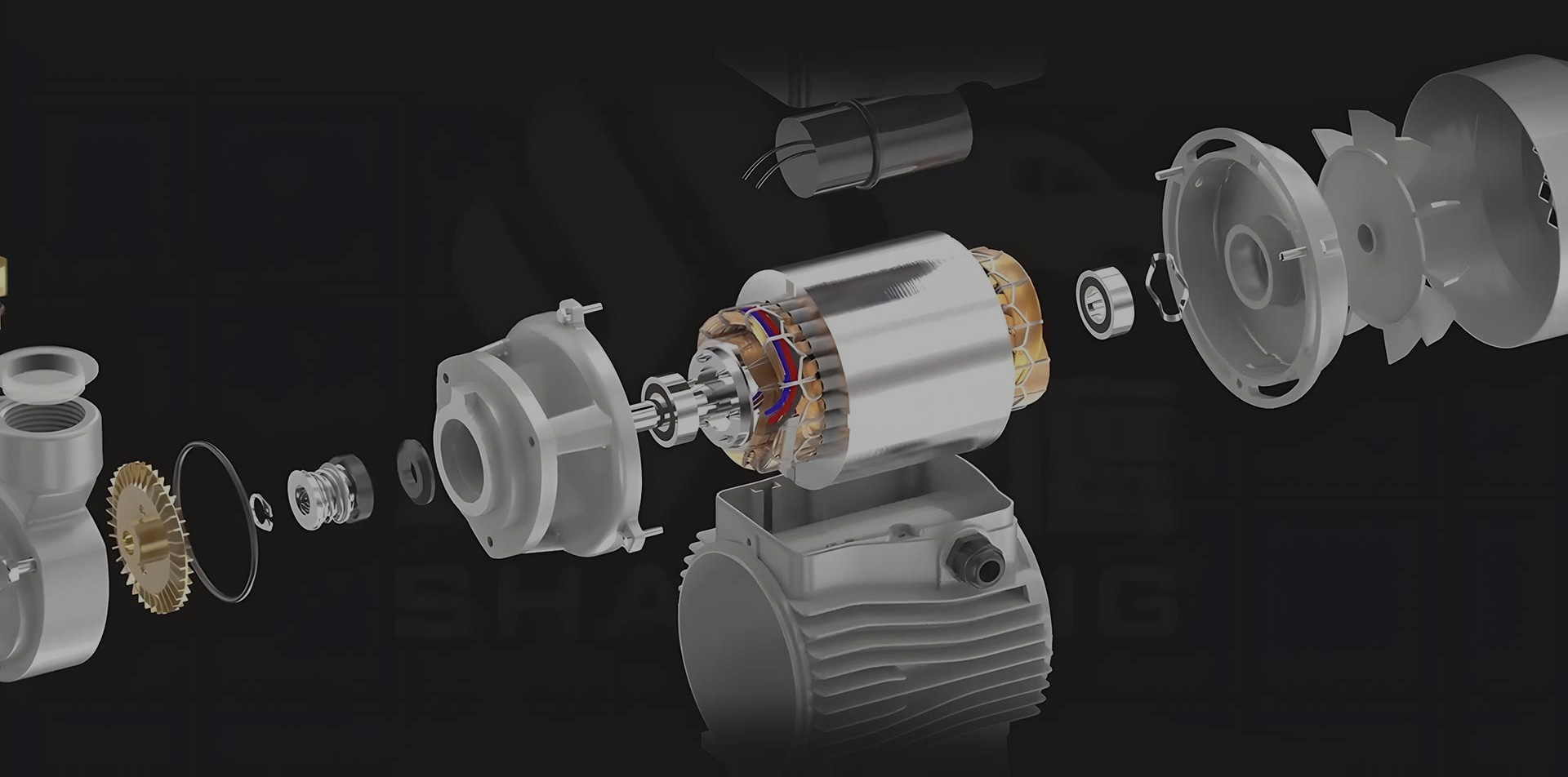
Actual system demand — not pipe size or motor power alone — should drive pump selection. Working close to its intended performance range is what makes a peripheral pump suitable, rather than a superficial match on dimensions.
Flow Rate Requirement
How much liquid the pump can deliver within a certain time — that's what flow rate captures, typically expressed in liters per minute, cubic meters per hour, or gallons per minute.
The number of outlets, equipment water demand, irrigation area, or circulation volume all shape the required flow figure for a pressure supply system. Set the selected flow too low, and the system falls short on water. Oversize the pump considerably, and inefficient operation follows, placing unnecessary stress on components along the way.
Head and Pressure Requirement
Among the parameters that matter most for a peripheral water pump, head sits near the top — representing the pump's ability to overcome vertical height, pipeline resistance, and outlet pressure demand all at once.
A complete head estimate should consider:
- Vertical distance from water source to discharge point
- Pipeline length
- Pipe diameter
- Number of elbows and fittings
- Valve and filter resistance
- Required terminal pressure
- Safety margin for stable operation
Pipe friction loss gets underestimated easily in many installations. Long pipelines, narrow pipes, or systems packed with bends and valves make this an especially important point to get right.
Suction Condition
Favorable suction conditions tend to be a baseline requirement for peripheral pumps. Reducing air entry, flow restriction, and cavitation risk calls for proper inlet pipeline design from the start.
Important suction-side considerations include:
- Short and straight inlet piping where possible
- Proper pipe diameter
- Secure sealing of joints
- Stable water source level
- Avoidance of excessive suction lift
- Installation of a foot valve when required
Noise, unstable flow, pressure fluctuation, or pump damage tend to trace back to poor suction conditions.
Material Selection
Resistance to rust and suitability for clean water handling are what usually put stainless steel on the shortlist. Humid environments, water supply systems, and applications demanding better durability from wetted parts all benefit from this material choice.
When reviewing material suitability, consider:
- Water quality
- Chloride concentration
- Liquid temperature
- Installation environment
- Cleaning frequency
- Corrosion exposure
Ordinary clean water systems find stable performance readily available from stainless steel peripheral pumps. Special liquids, on the other hand, call for a material review grounded in the actual chemical characteristics at play.


 English
 中文简体
中文简体