Home · Products · Solar Water Pump · Brushless Solar Water Pump

Solar Water Pump for Irrigation

Contact us

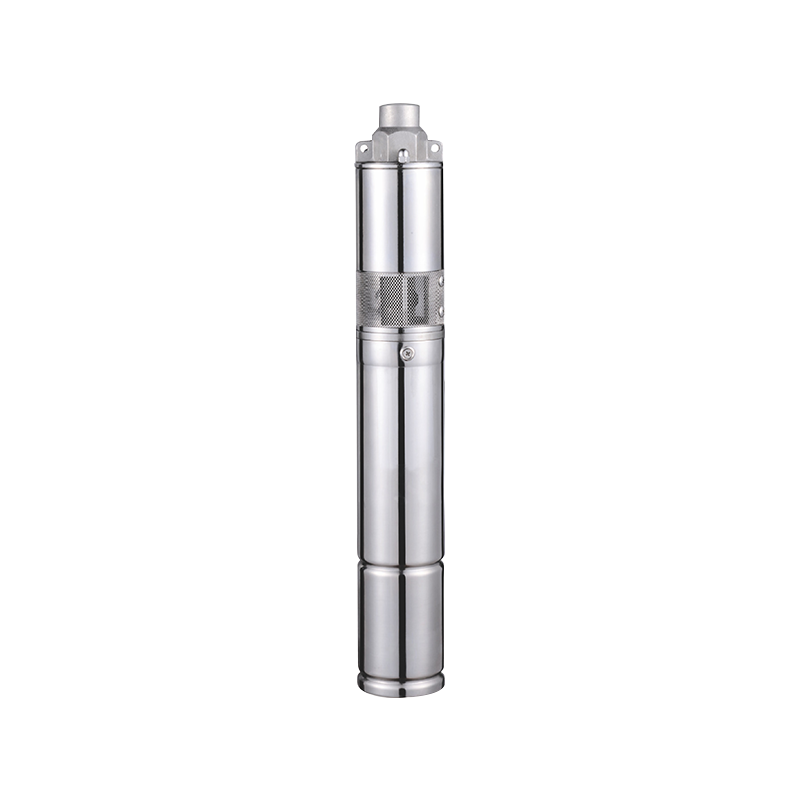
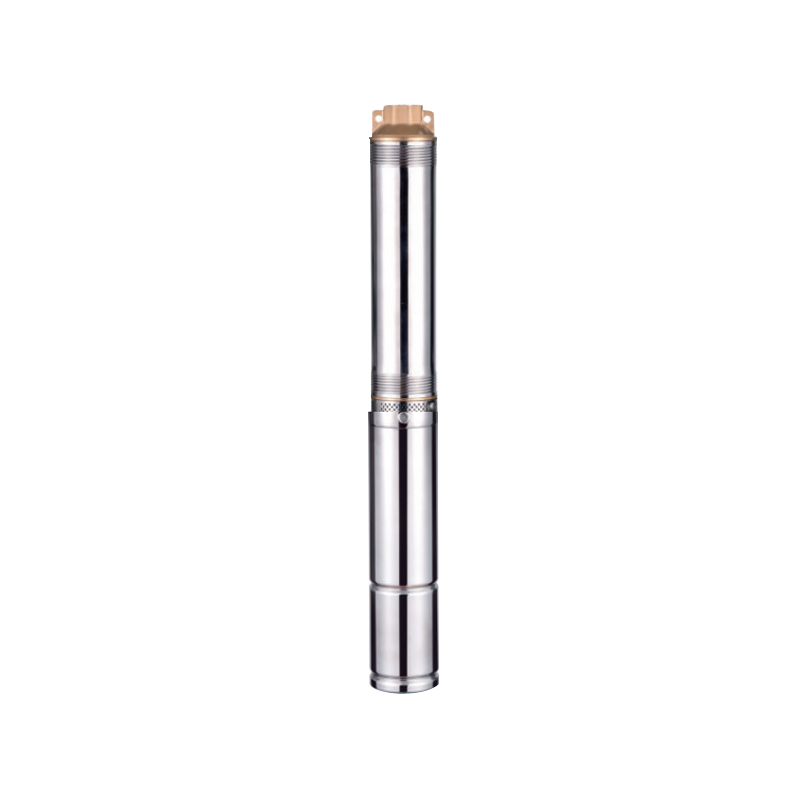
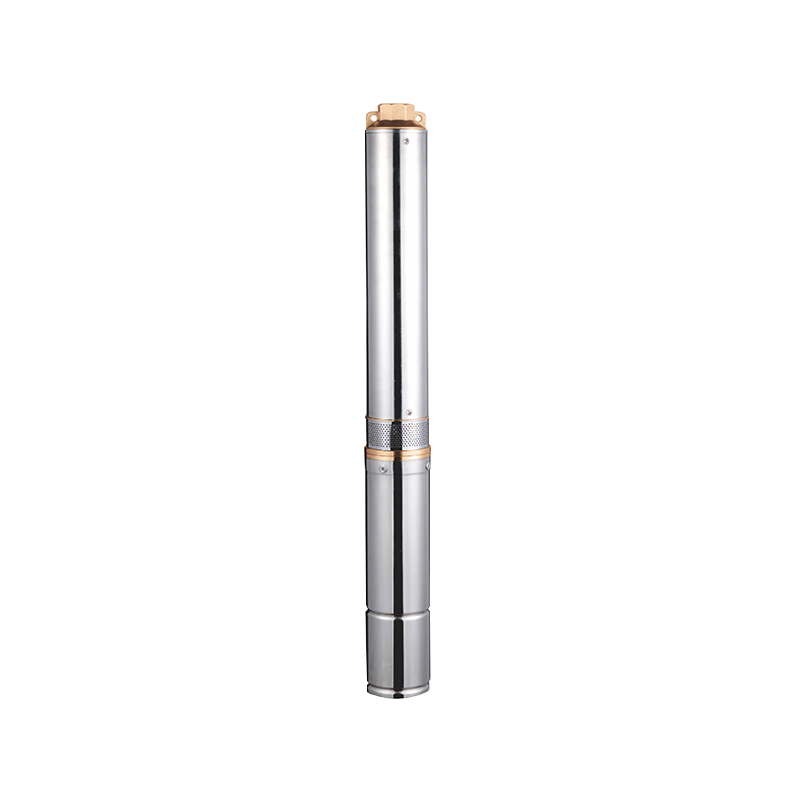
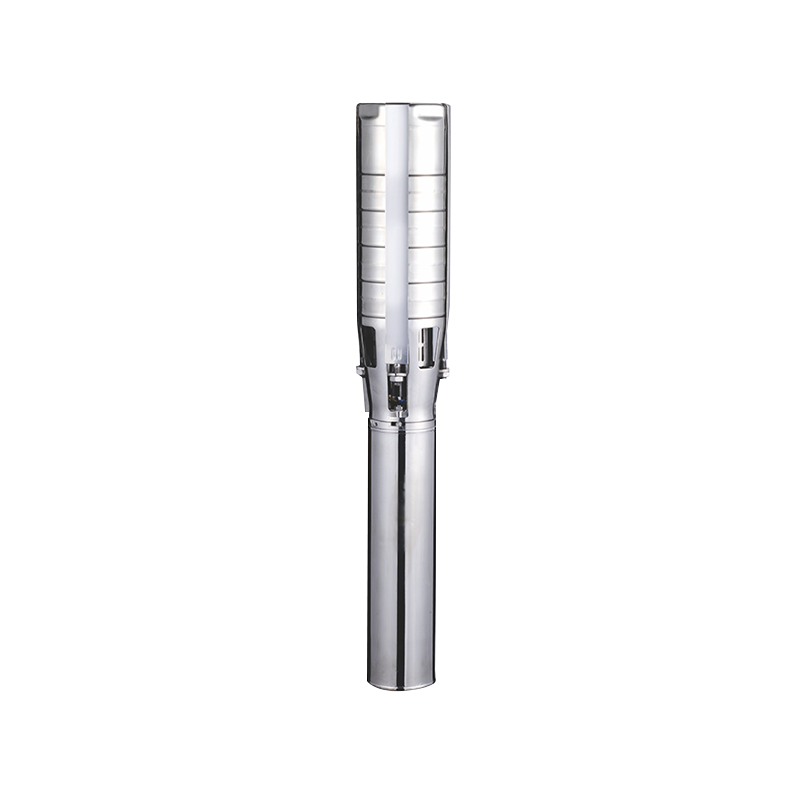
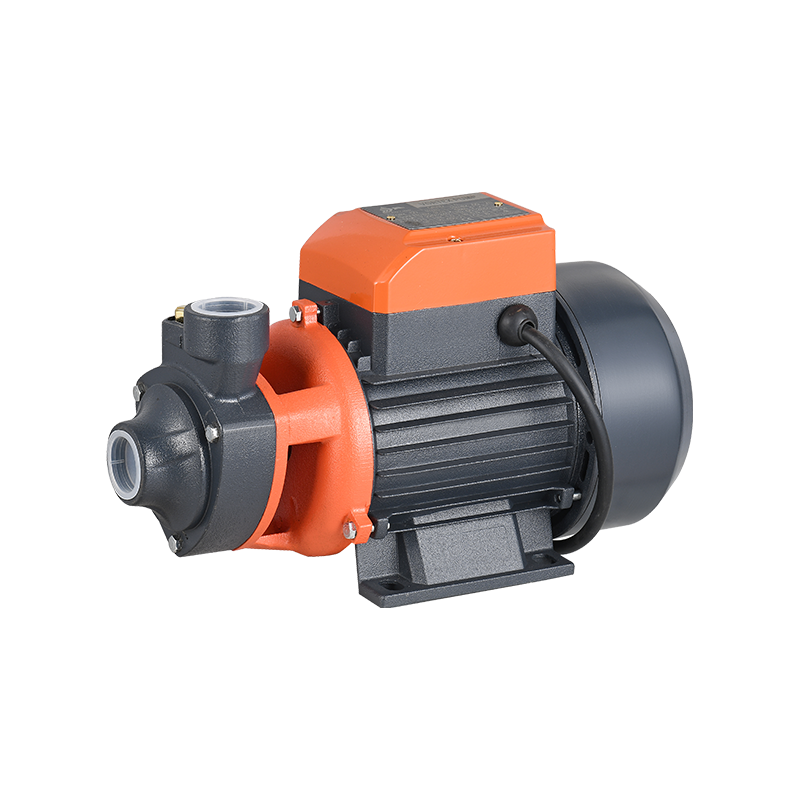
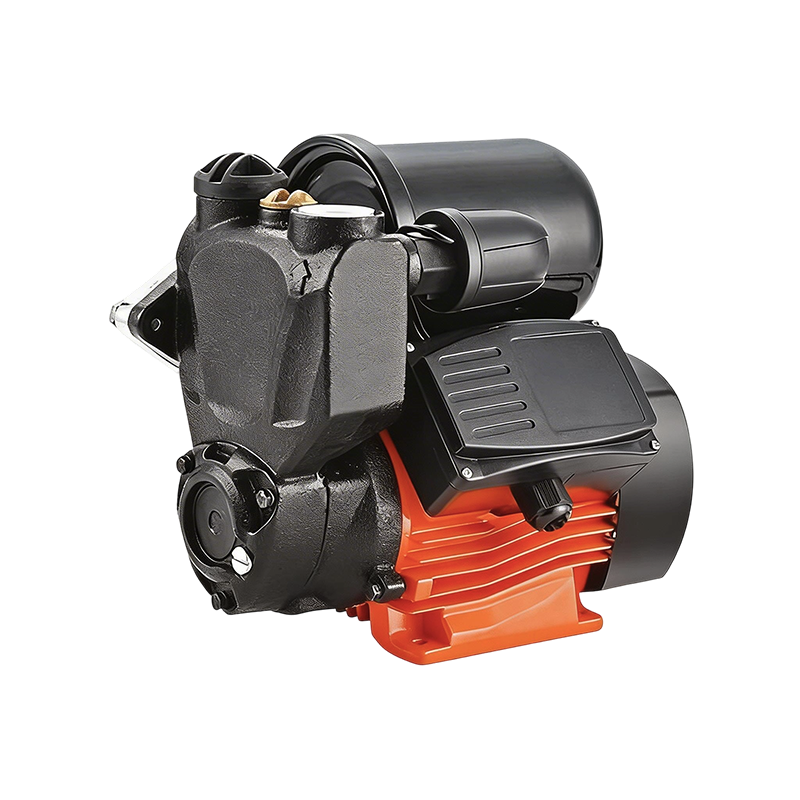
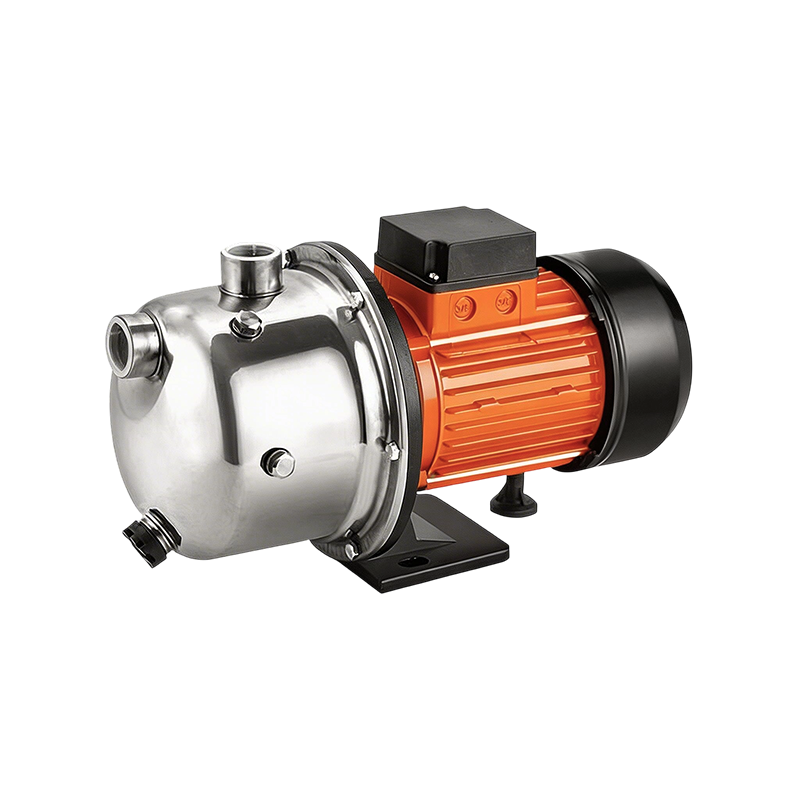
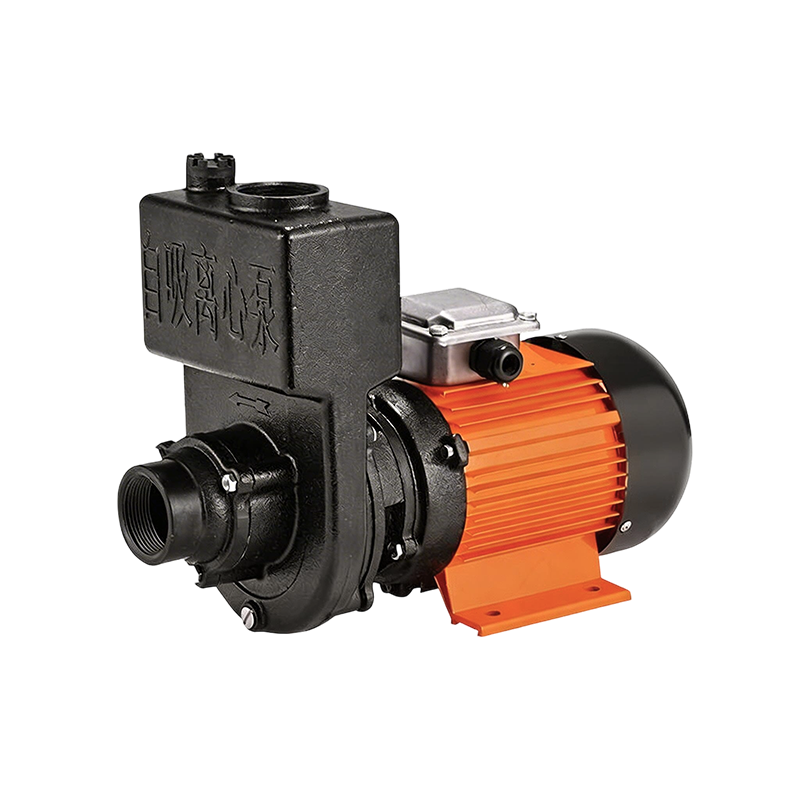
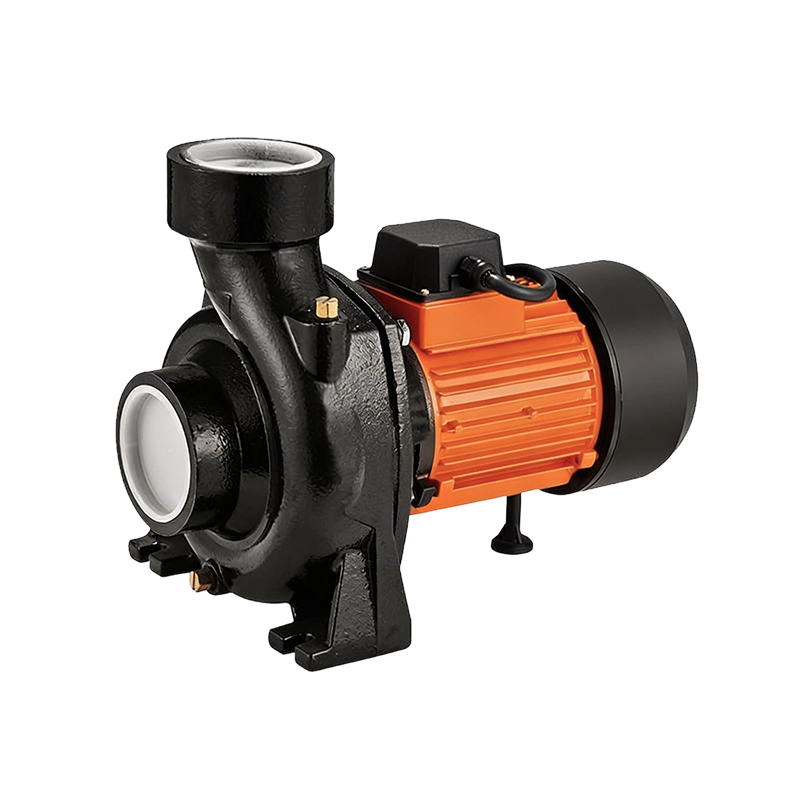
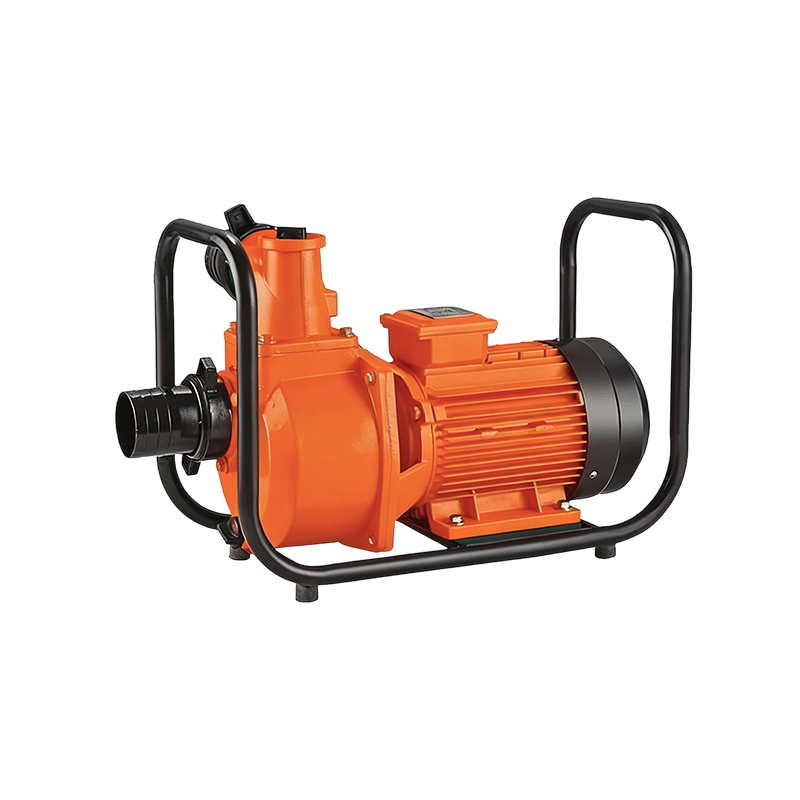
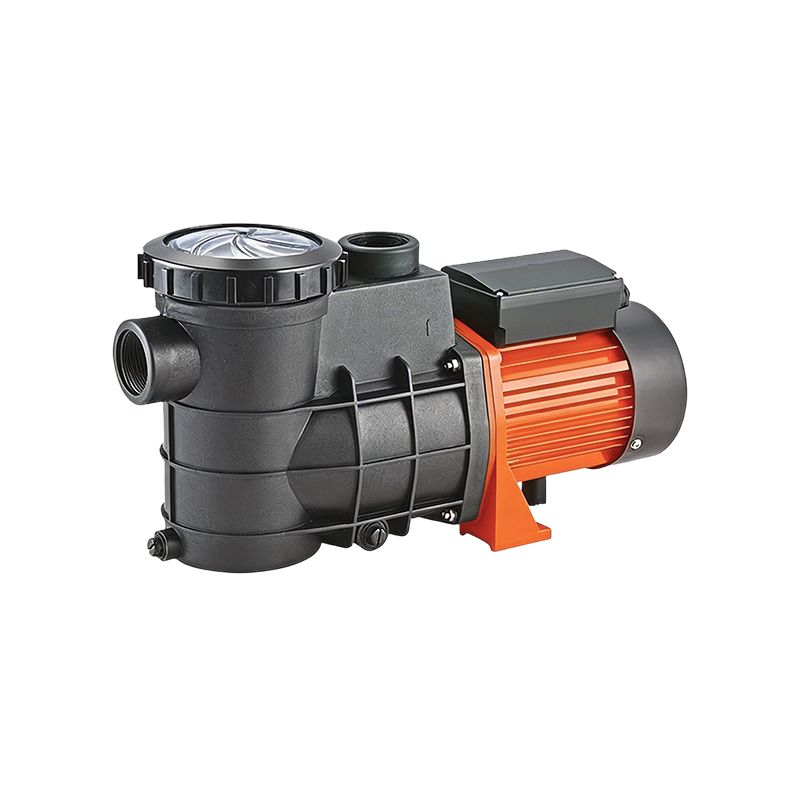
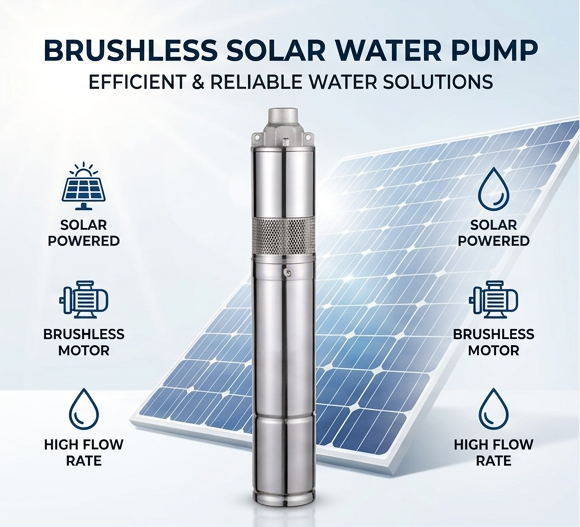
Brushless Solar Water Pump

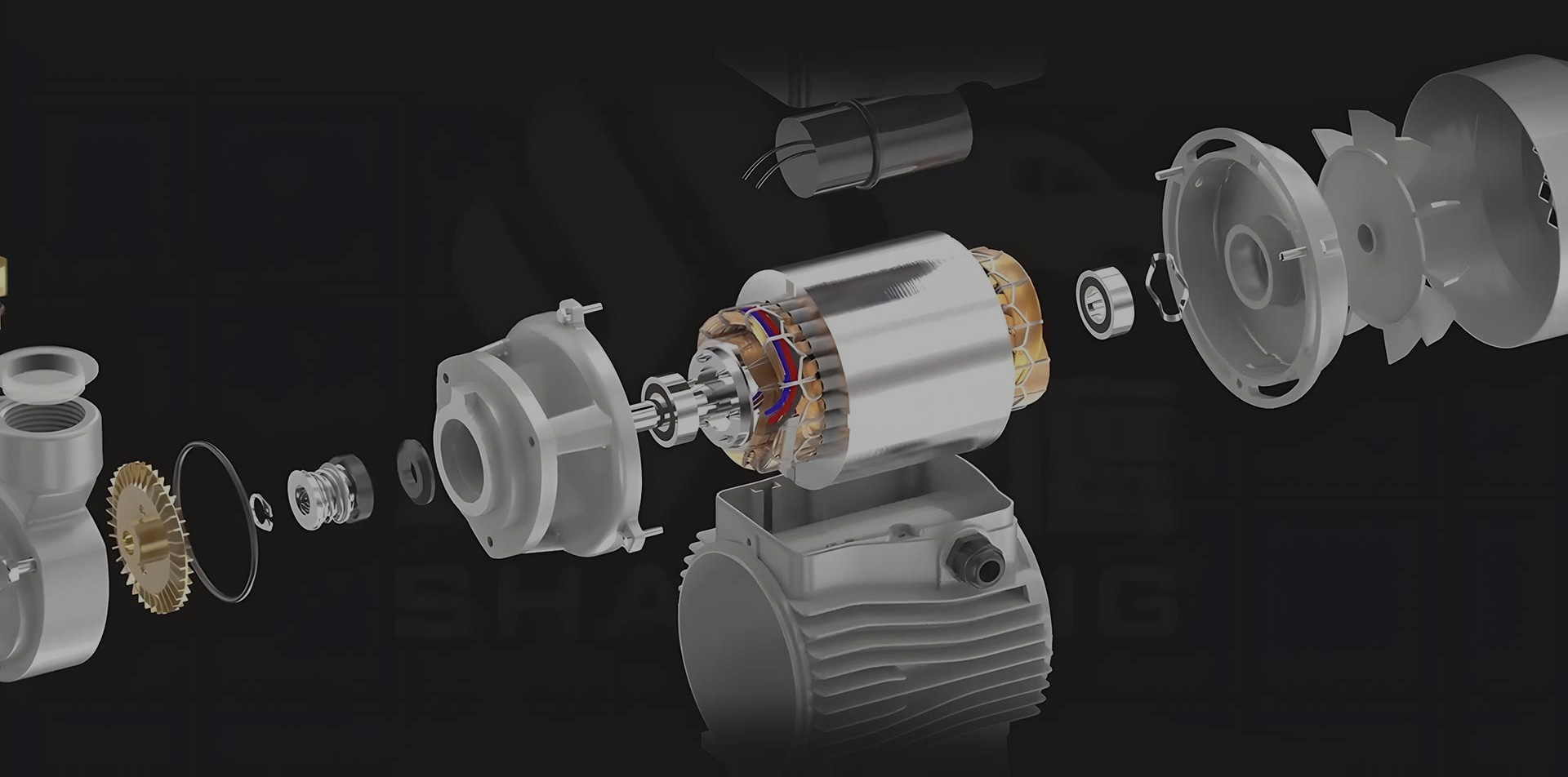
What sets brushless solar pumps apart is the brushless DC motor at their core — a design that delivers solid efficiency gains, holds up for years, and needs essentially zero upkeep along the way. That makes them a natural fit for farmland irrigation work, garden fountain setups, and solar water supply installations, where they run smoothly, stay quiet, and pair seamlessly with photovoltaic DC power.

Draws power from either a solar panel or a battery, whichever fits the setup

Relies on clean, environmentally sound energy throughout

Built around a high-efficiency permanent magnet motor, pushing efficiency up 20–40%

Protected against both overvoltage and undervoltage swings

Backed by overcurrent protection

Equipped with locked rotor protection

Covered by phase failure protection

Cuts off automatically when the low water level sensor triggers

Cuts off automatically when the high water level sensor triggers

Shields the system from reverse polarity connection

Runs an MPPT function to squeeze maximum output from available sunlight

Maintains a low temperature rise during continuous operation

Offers optional remote control system compatibility

Message Feedback
About
Taizhou Shanying Pump Co., Ltd.

Taizhou Shanying Pump Co., Ltd. is a solar pump supplier with product development, production, sales, and service. The company has a state Class B standard pump testing center, and actively implements the ISO9001 quality assurance system.

Because of our energy efficient solar water pump products with stable quality, energy efficient, safe and reliable, and reasonable prices, favored by the users. Products are widely used in construction, firefighting, environmental protection, drainage, HVAC, and household.

News

Brushless Solar Water Pump Selection Guide for Irrigation and Off-Grid Water Supply

Brushless solar water pumps are built for water systems that need efficient solar operation, minimal upkeep, and steady performance out in the field. Combining photovoltaic energy with a brushless DC motor, this pump category fits naturally into agricultural irrigation, garden water circulation, livestock watering, remote water supply, and off-grid pumping setups — anywhere conventional electricity is either missing or too unreliable to depend on.

For project planners, engineering teams, and water system operators, the real question isn't just whether a brushless solar pump can move water — it's whether it actually matches the water source, the flow needed, the total head, the sunlight available, and the control setup that the installation site calls for. Getting these factors right is what improves system reliability and leads to a more accurate pump choice from the start.

Taizhou Shanying Pump Co., Ltd., operating under the Shanying Pump brand, offers solar water pump solutions built around practical water transfer, solar compatibility, and selection tailored to the actual application.


What Is a Brushless Solar Water Pump?

A brushless solar water pump is simply a solar-driven pump powered by a brushless DC motor. Unlike traditional brushed motors, this design skips carbon brushes entirely for electrical commutation. That structural difference cuts down mechanical wear, lightens maintenance demands, and keeps operation steadier over the long run.

Here's how a typical solar pumping setup plays out: photovoltaic panels catch sunlight and turn it into electrical energy. The controller then regulates that power input and feeds electricity to the brushless DC motor. From there, the motor drives the impeller or pumping mechanism, pushing water from the source toward the outlet, storage tank, irrigation pipeline, fountain system, or wherever else it needs to go.

A complete brushless solar water pump system typically includes:

  • Photovoltaic solar panels
  • Brushless DC pump
  • Solar pump controller
  • Power cables and connectors
  • Water level sensors
  • Pipeline and valves
  • Optional battery or remote control system

This pump type tends to get chosen wherever energy efficiency, outdoor durability, and a long working life sit high on the priority list.


How Brushless Motor Technology Supports Solar Pumping

The motor sits at the heart of any solar pump system. Since solar output shifts constantly with sunlight intensity, both motor and controller need to respond smoothly as power conditions change throughout the day.

Reduced Wear and Lower Maintenance

Brushless motors eliminate carbon brushes altogether — components that wear down over time in conventional brushed designs. Removing them cuts back on friction-related upkeep and makes the pump a better fit for long stretches of outdoor use.

That matters most at remote sites. A pump sitting out in a field, on pasture land, or at some isolated water point should need servicing as rarely as possible, simply because getting there isn't always convenient.

Efficient Use of Solar Energy

A brushless DC motor converts electrical energy into mechanical output with strong efficiency. Pair that with a well-matched controller, and the whole system starts squeezing more value out of whatever photovoltaic power happens to be available.

Efficiency matters a lot here, since sunlight strength keeps shifting across the day. A motor that runs efficiently helps the pump hold onto useful water output even as conditions change — whether that's early morning, mid-afternoon, or a stretch of partial cloud cover.

Stable Operation with Lower Noise

Brushless solar pumps often get picked specifically for jobs where continuous running and quieter operation matter. Garden fountains, landscape water circulation, small-scale irrigation, and residential outdoor water points all benefit from that smoother motor behavior.

Compatibility with DC Solar Power

Most brushless solar water pumps are built to run directly on photovoltaic DC power, which makes them well-suited to direct solar pumping setups. Some configurations can also support battery operation whenever the application calls for it.


Common Applications of Brushless Solar Water Pumps

Brushless solar water pumps get put to work wherever sunlight is available and the pump has to deliver genuine efficiency. What matters during selection shifts depending on the specific application.

Application Typical Water Source Selection Focus
Agricultural Irrigation Wells, ponds, reservoirs, rivers Flow rate, total head, solar panel capacity
Garden Fountains Tanks, ponds, landscape pools Stable circulation, low noise, continuous operation
Livestock Watering Wells or storage tanks Water delivery reliability, level control
Remote Water Supply Underground or surface water Lift height, daily water demand, protection functions
Greenhouse Irrigation Tanks, shallow wells, reservoirs Pressure stability, operating schedule
Off-Grid Water Systems Wells, tanks, ponds Solar compatibility, controller protection, storage design

What this table really shows is that pump selection needs to reflect actual operating conditions on the ground. A garden fountain pump, for instance, won't need anywhere near the head or flow that farmland irrigation demands. And a livestock watering system usually cares more about dependable automatic control than raw discharge pressure.


Key Functions to Review Before Selection

A brushless solar water pump deserves evaluation as a full system, not just a standalone part. Motor, pump body, controller, sensors, and solar panels all shape how well the final setup performs.

1. Solar Panel and Battery Compatibility

Plenty of brushless solar pumps run straight off solar panels, and some setups can also lean on battery support when needed. Going purely solar makes sense when water demand mostly falls during daylight hours. Battery-backed systems come into play when water delivery needs to happen during low-light stretches or at particular times of day.

Before locking in a system, it's worth confirming:

  • Solar panel voltage and power range
  • Controller input requirements
  • Pump operating voltage
  • Cable distance and voltage drop
  • Whether battery operation is actually needed
  • Whether the site has room for the panels required

Getting the pump and photovoltaic modules properly matched is what keeps operation stable.

2. MPPT Control Function

MPPT — Maximum Power Point Tracking — helps the controller squeeze more value out of the solar power on hand. Since sunlight intensity keeps shifting through the day, MPPT technology adjusts electrical operating conditions on the fly to sharpen energy conversion efficiency.

For agricultural irrigation, remote water supply, and other jobs dealing with variable sunlight, MPPT control helps the pump hold onto a more consistent water output.

3. Electrical and Motor Protection

Outdoor pumping systems deal with constantly shifting conditions — unstable sunlight, changing water levels, pipeline resistance that varies. Built-in protection functions help cut down the risk of damage from all of that.

Protection features commonly found include:

  • Overvoltage protection
  • Undervoltage protection
  • Overcurrent protection
  • Locked rotor protection
  • Reverse connection protection
  • Phase-related protection where applicable
  • Low water level sensor protection
  • High water level sensor protection

These prove especially valuable for unattended systems or sites where checking in manually just isn't practical very often.

4. Water Level Sensor Protection

Water level protection exists to stop the pump running when there isn't enough water to work with. A low water level sensor halts operation once the source runs short, cutting down dry-running risk. A high water level sensor, meanwhile, helps manage filling when the pump is feeding a storage tank.

This proves useful across:

  • Well pumping
  • Tank filling systems
  • Livestock water storage
  • Remote water stations
  • Irrigation reservoirs

5. Optional Remote Control System

Some brushless solar pump systems come with remote control or remote monitoring built in. That's a real advantage for installations spread across farmland, remote facilities, or water points that aren't easy to check on regularly.

Whether remote functions make sense depends entirely on how the site actually needs to be managed day to day.


How to Choose the Right Brushless Solar Water Pump

A well-matched brushless solar water pump needs to line up with both hydraulic demand and solar energy conditions at once. Here's a step-by-step path through that process.

Step 1: Confirm the Water Source

The source might be a deep well, shallow well, pond, river, reservoir, tank, or landscape pool. What matters here: water depth, how the level shifts over time, sand content, water cleanliness, and how far the source sits from the outlet.

For wells, both static and dynamic water levels need consideration. For surface water, suction conditions and water quality take priority instead.

Step 2: Calculate Required Flow

Flow rate needs to match actual daily water demand. Irrigation setups might need larger flow depending on crop area and watering method. Livestock watering systems should factor in drinking demand alongside storage volume. Fountains and circulation systems, on the other hand, usually care more about steady flow than high pressure.

Step 3: Determine Total Head

Total head wraps together vertical lift, pipeline friction loss, outlet pressure, pipe length, pipe diameter, valves, elbows, and filters. Underestimate this figure, and the pump ends up struggling to deliver enough water where it's needed.

Step 4: Evaluate Sunlight Conditions

Solar pumping performance hinges on how much sunlight the site actually gets. That means checking for adequate sun exposure, a workable installation angle for the panels, and minimal shading from buildings, trees, or terrain nearby.

Step 5: Match Controller and Protection Needs

The controller has to align with both the pump motor and the solar panel setup. For field installations especially, protection functions like dry-run prevention, overcurrent protection, and low water level sensing carry real weight.


Why Work with a Solar Pump Manufacturer?

Picking a brushless solar water pump goes well beyond just choosing a motor type. A genuinely suitable solution means coordinating pump structure, brushless DC motor, controller function, solar panel input, pipeline design, and the water conditions specific to the site.

A solar pump manufacturer helps clarify things like:

  • Which pump type suits the water source
  • What flow and head range is actually required
  • How solar panels and controller should be matched
  • What sensor and protection functions are needed
  • Whether direct solar or battery-supported operation makes more sense
  • What installation considerations apply to the outdoor environment

For projects touching irrigation, remote water supply, fountains, livestock watering, or off-grid systems, manufacturer guidance goes a long way toward avoiding a mismatch between the pump and the real conditions it'll face.


Brushless solar water pumps suit applications that call for solar-powered water transfer, efficient motor performance, and lighter maintenance demands. Their brushless DC motor structure keeps operation stable, while controller features like MPPT, voltage protection, current protection, rotor protection, and water level sensing all boost usability out in the field.

Choosing the right brushless solar water pump means reviewing the water source type, the flow required, total head, sunlight conditions, solar panel compatibility, controller features, and storage needs together. Line all of that up properly, and the resulting system supports irrigation, garden fountains, livestock watering, remote water supply, and off-grid water management with consistent, practical performance.

```