Home · Products · Solar Water Pump · Brush Solar Water Pump

OEM Brush Solar Water Pump

Contact us

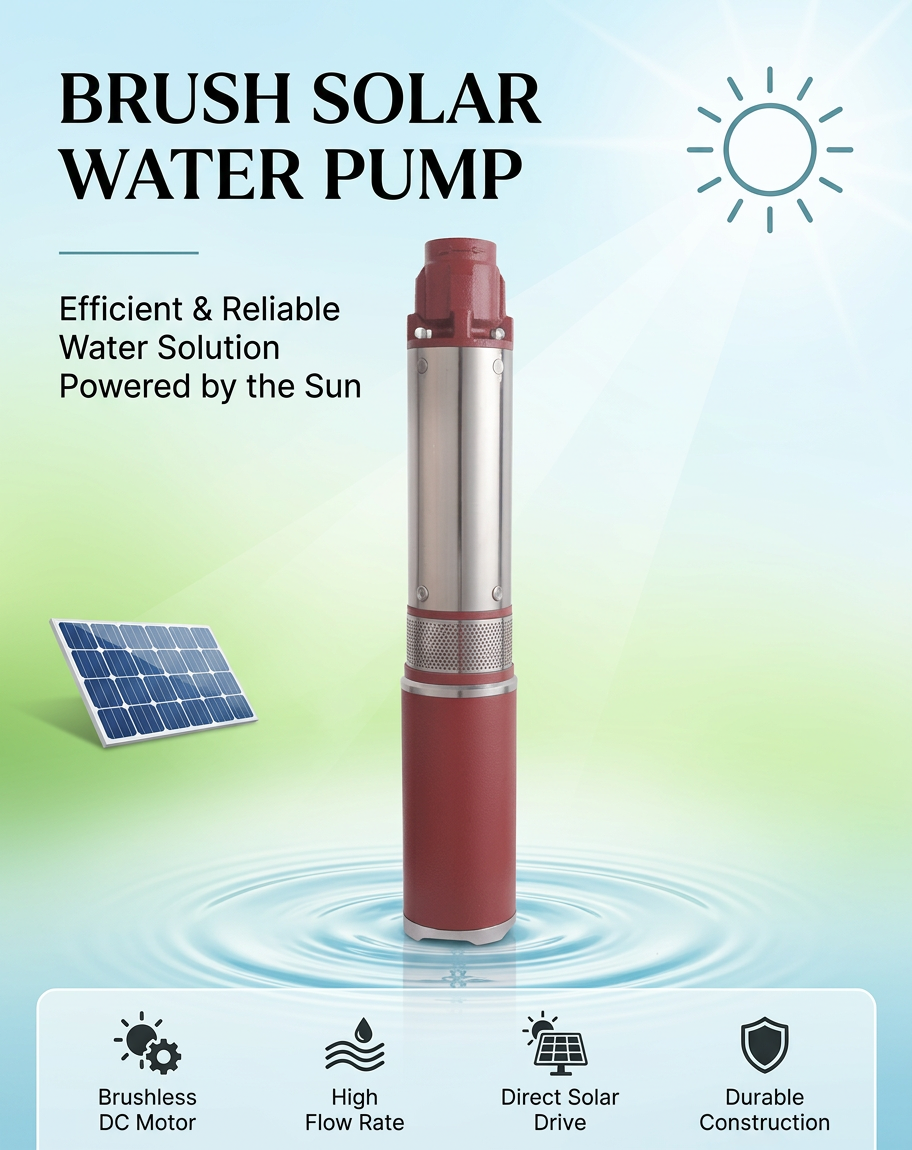
Brush Solar Water Pump

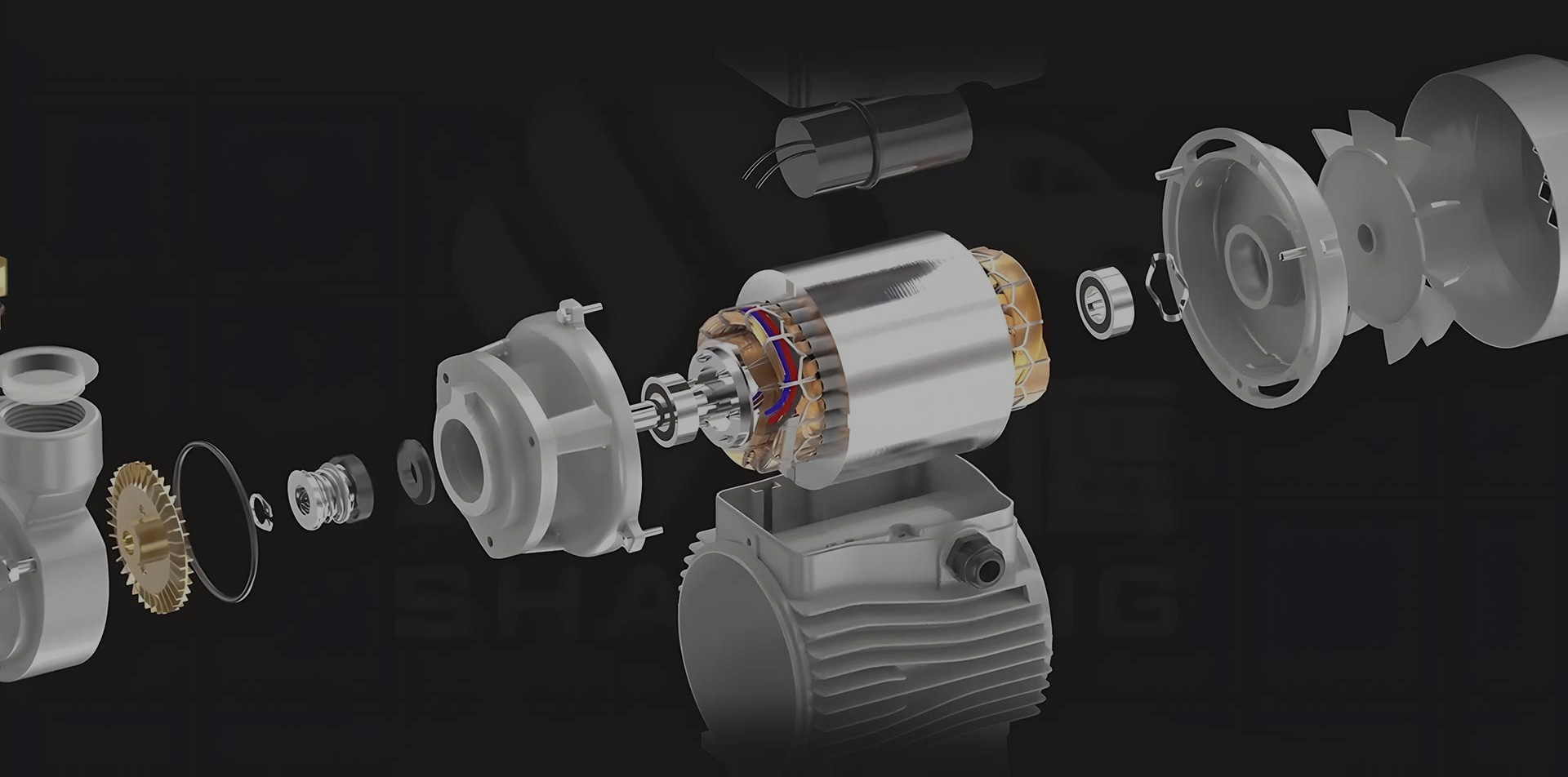
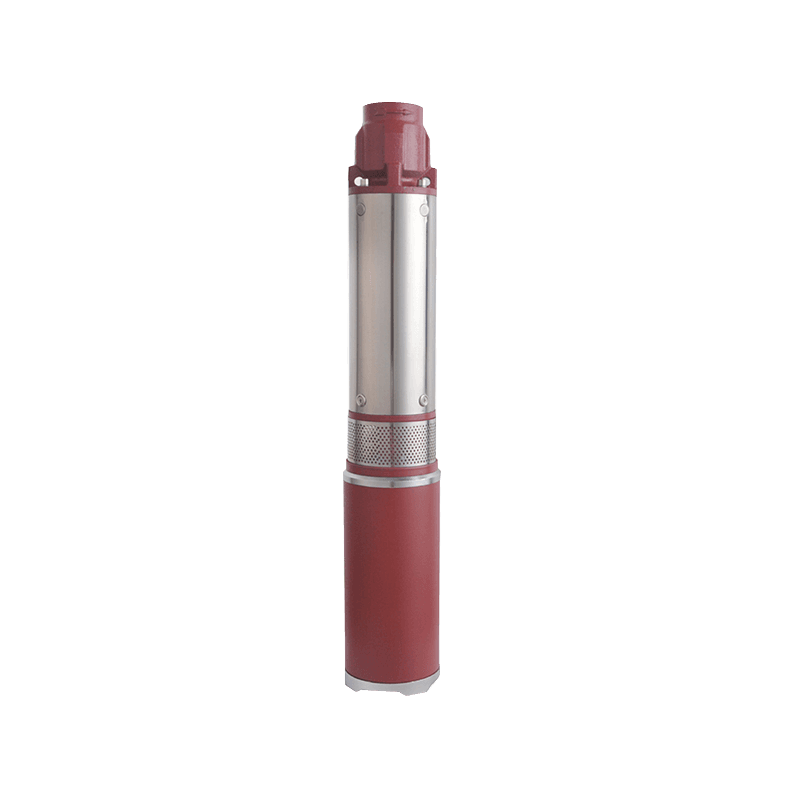
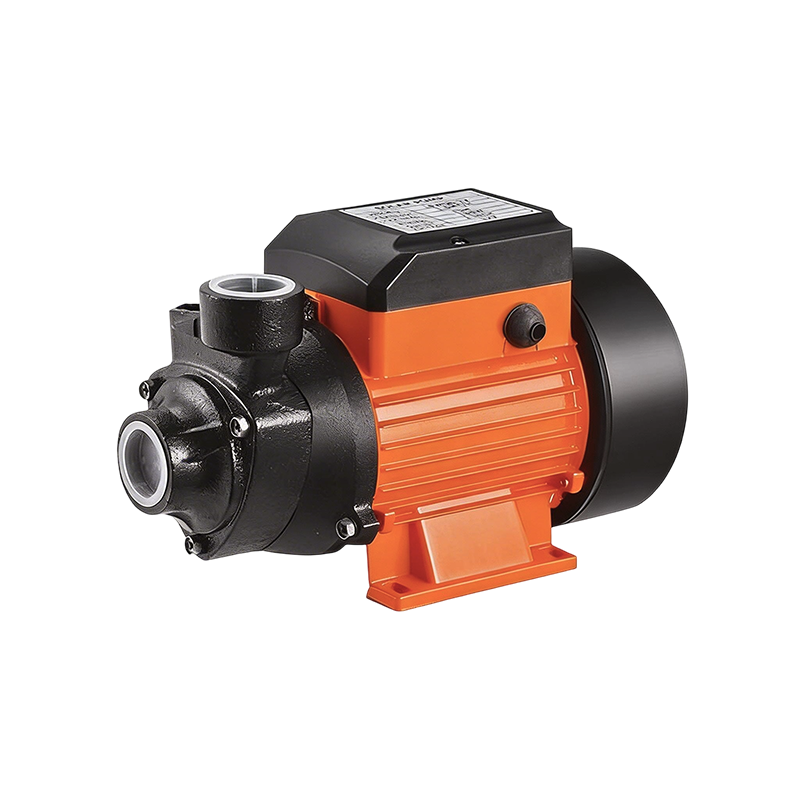
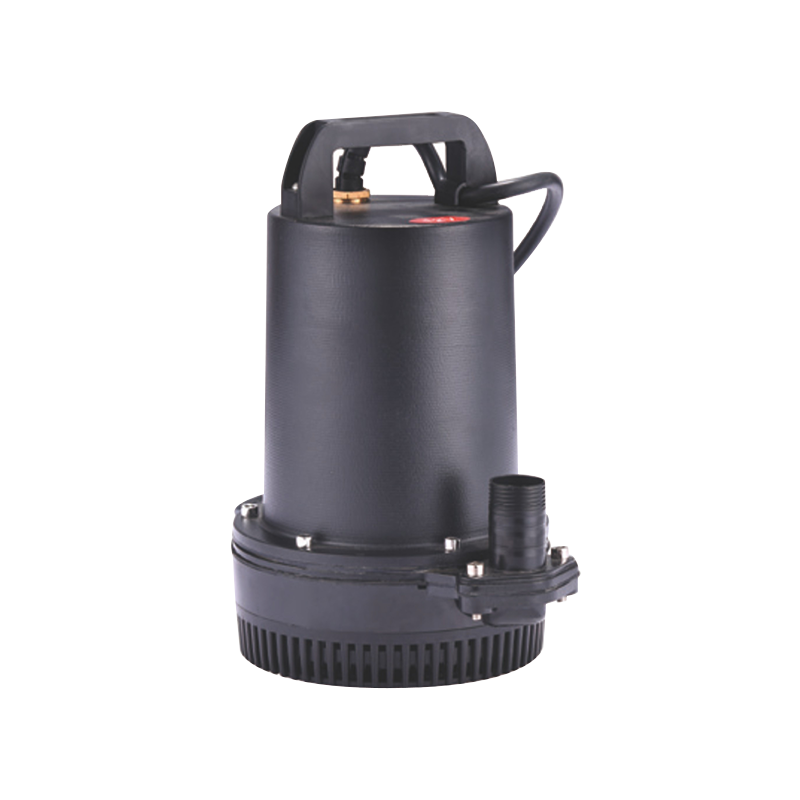
Brush-type solar pumps run on brushed motors, which keeps costs down and the internal structure straightforward, making them a solid pick for short-term or light-duty water needs. Maintenance cycles tend to run shorter than brushless alternatives, but these pumps make up for it with real versatility, showing up regularly in garden fountains, small water features, and temporary irrigation setups.

Runs on a DC brush motor that delivers strong working efficiency

Installs and operates with minimal fuss

Connects directly to a solar panel, with no controller needed

Backed by straightforward after-sales support

Draws power from either a solar panel or a battery

Comes at a low price point

Includes reverse connection protection

Fits well for irrigation, livestock watering, home use, and garden fountains

Message Feedback
About
Taizhou Shanying Pump Co., Ltd.

Taizhou Shanying Pump Co., Ltd. is a solar submersible water pump supplier with product development, production, sales, and service. The company has a state Class B standard pump testing center, and actively implements the ISO9001 quality assurance system.

Because of our solar submersible water pump products with stable quality, energy efficient, safe and reliable, and reasonable prices, favored by the users. Products are widely used in construction, firefighting, environmental protection, drainage, HVAC, and household.

News

How Brush Solar Water Pumps Support Garden Fountains, Irrigation, and Household Water Transfer

A brush solar water pump offers a practical solar-powered pumping option for jobs that call for simple construction, a direct photovoltaic connection, and light-duty water transfer. Set against more elaborate solar pump systems, a brushed DC solar pump installs and runs with far less effort, since it can often hook straight up to a solar panel without needing an external controller. That makes it a good fit for garden fountains, small irrigation areas, livestock water supply, household water transfer, and temporary outdoor water needs where a compact build and straightforward solar operation matter most.

For teams evaluating a brush solar water pump, the real value lies in understanding exactly where this pump type fits best. It isn't built for every solar pumping project out there. It suits short-cycle operation, moderate water demand, and situations where easy replacement and basic maintenance are perfectly acceptable trade-offs. Taizhou Shanying Pump Co., Ltd., under the Shanying Pump brand, offers solar water pump solutions for anyone needing to match pump structure, power input, installation conditions, and application needs in a genuinely practical way.


What Is a Brush Solar Water Pump?

A brush solar water pump is a DC solar pump driven by a brushed motor. That motor relies on carbon brushes to carry current to the rotating part inside. This structure shows up widely across small DC motor applications precisely because it's simple, keeps costs in check, and stays easy to grasp from both an installation and servicing standpoint.

In a standard solar water pumping setup, the pump connects to a photovoltaic panel and runs through daylight hours. Some systems can also draw on battery power, depending on voltage and how the wiring is configured.

A brush solar pump system may include:

  • DC brushed solar water pump
  • Solar panel
  • Optional battery
  • Water pipe
  • Power cable
  • Filter or strainer where needed
  • A water source such as a pond, tank, shallow well, or reservoir

Since plenty of brushed solar pumps skip the need for a separate controller, the whole layout stays simple. That trims down installation steps and makes the pump a solid fit for small-scale water circulation, decorative water features, and temporary pumping tasks.


How Brush Solar Pumps Work

A brush solar water pump turns DC electricity from solar panels into mechanical energy through a brushed DC motor. Once sunlight hits the panel, it generates DC power, which the motor picks up and uses to drive the impeller or pumping mechanism that moves the water.

Water output hinges on several factors:

  • Solar panel power
  • Sunlight intensity
  • Pump voltage and current requirements
  • Total head
  • Pipe length and diameter
  • Water source depth
  • Installation type
  • Battery support, if used

Because solar energy keeps shifting through the day, pump output shifts right along with it. Strong sunlight pushes flow higher. Weak sunlight, cloudy weather, or shaded spots bring flow down, or can stop the pump altogether.

That behavior is entirely normal for simple solar-powered systems. For jobs that need constant pressure or steady flow around the clock, a brushless solar pump with controller functions tends to be the better fit.


Main Features of Brush Solar Water Pumps

Brush solar water pumps earn their reputation through simple construction and straightforward use. Their features make the most sense once weighed against the actual working environment and expected running time.

Direct Solar Panel Connection

Plenty of brush solar pumps connect straight to a solar panel. That cuts out the need for external control equipment and keeps field installation simple.

This feature suits:

  • Small garden water circulation
  • Landscape fountains
  • Outdoor decorative water features
  • Temporary irrigation
  • Simple livestock drinking systems
  • Household water transfer

Direct connection also means pump operation leans heavily on sunlight availability. Solar panel matching needs to be right to avoid weak startup or unstable running.

DC Brushed Motor Structure

The DC brushed motor is simple and easy to service. It carries fewer electronic control demands than some brushless systems, which suits situations where a basic mechanical and electrical structure is exactly what's wanted.

That said, carbon brushes are wear components. Over time, they may call for inspection or replacement depending on running hours, load conditions, and resistance within the water system.

Battery Compatibility

Some brush solar water pumps can run on solar panels and batteries alike. Battery support can stretch operating time beyond direct sunlight hours, provided voltage and capacity line up with what the pump needs.

Battery use helps particularly with:

  • Evening water circulation
  • Small animal watering
  • Short-term household water use
  • Intermittent irrigation
  • Areas with unstable sunlight

The battery system should be chosen with care to avoid voltage mismatch and disappointingly short running time.

Reverse Protection

Reverse protection helps cut down the risk of damage from wiring connected the wrong way round. That matters in field installations, where positive and negative polarity has to be hooked up correctly.

Even with reverse protection in place, sound wiring practice still matters for stable operation and electrical safety.


Suitable Applications

Brush solar water pumps show up regularly in small and light-duty water supply systems. They earn their place especially where installation simplicity outweighs the need for advanced control functions.

Application Typical Use Condition Selection Focus
Garden Fountains Decorative water circulation Stable daylight operation, compact size
Small Irrigation Light watering tasks Flow demand, pipe distance, solar input
Livestock Watering Small drinking systems Tank filling, battery option, easy maintenance
Household Water Transfer Non-complex water movement Lift height, operating time, water cleanliness
Temporary Outdoor Pumping Seasonal or mobile use Easy setup, direct solar connection
Small Water Features Ponds and landscape systems Continuous circulation during sunlight hours

This table helps clarify where the pump fits best. A brush solar pump makes a practical choice for small water movement needs, but it deserves careful evaluation before use in applications involving long daily running time, high lift, or strict pressure control.


When Is a Brush Solar Pump a Suitable Choice?

A brush solar water pump makes sense when the application stays fairly simple and the required duty cycle isn't too demanding. It's often the pick when the system runs mainly during sunlight hours and doesn't need much in the way of advanced automation.

Suitable Conditions

This pump type generally works well when:

  • Water demand sits at a moderate level
  • The system runs mainly during daylight
  • Installation space is limited
  • A simple DC solar pump is the preference
  • The site doesn't need constant pressure output
  • Maintenance access is available
  • The application can tolerate seasonal or intermittent operation

Conditions Requiring More Evaluation

A brush solar pump may not be the first pick when:

  • The pump needs to run for long hours every day
  • The application demands precise flow control
  • The system requires constant pressure
  • The water source sits deep or proves difficult to access
  • The pipeline carries high resistance
  • Maintenance access is limited
  • The site calls for advanced motor protection functions

In these situations, a brushless solar water pump or a solar pump with controller functions tends to be the more sensible fit.


How to Select the Right Brush Solar Water Pump

Selecting a brush solar water pump means matching it carefully against the water source, solar panel, and the actual application at hand. Even a simple pump still needs proper sizing to perform well.Brush Solar Water Pump
1. Confirm the Water Source

Start by pinning down where the water actually comes from. Common sources include ponds, tanks, reservoirs, shallow wells, garden pools, and rainwater collection systems.

Important details include:

  • Water depth
  • Water cleanliness
  • Sediment or particles
  • Distance from water source to outlet
  • Seasonal water level changes
  • Whether the pump is submersible or surface-mounted

For submersible solar water pumps, installation depth and cable protection need close attention. For surface pumps, suction conditions deserve a careful review instead.

2. Determine Flow Requirement

Flow rate should reflect the purpose behind the system. A fountain might need continuous circulation, while irrigation might call for a specific water volume within a set timeframe.

Worthwhile questions to ask:

  • How much water is needed each day?
  • How long will the pump run?
  • Is the water drawn continuously or on and off?
  • Does the system fill a tank or feed outlets directly?
  • Are multiple watering points connected?

Picking a pump with excessive flow drives up energy needs unnecessarily, while insufficient flow leaves daily water demand unmet.

3. Calculate Total Head

Total head brings together vertical lift and pipeline resistance. Even in small systems, head calculation matters, since friction loss from long or narrow pipes can chip away at actual output.

Total head gets shaped by:

  • Vertical height from water surface to outlet
  • Pipe length
  • Pipe diameter
  • Elbows and valves
  • Filters or strainers
  • Outlet pressure requirement

A pump should be chosen based on flow and head together, never flow alone.

4. Match the Solar Panel

The solar panel needs to deliver voltage and power suited to the pump. If panel output runs too low, the pump may start sluggishly, cut out repeatedly, or deliver less flow than expected.

Key factors to check:

  • Pump voltage requirement
  • Solar panel open-circuit voltage
  • Rated power
  • Local sunlight conditions
  • Panel angle and direction
  • Shading from trees, buildings, or walls
  • Cable length and voltage drop

For steadier operation, the solar panel belongs in a spot with strong, direct sunlight.

5. Consider Battery Use

Battery support proves useful when water supply is needed outside strong daylight hours. That said, battery sizing needs to match pump power and expected running time.

For plenty of small water systems, a storage tank offers another practical route. The pump fills the tank during the day, and that water gets used later through gravity or another distribution method.


Why Work with a Pump Manufacturer?

A brush solar water pump might look simple on the surface, but getting the selection right still depends on hydraulic conditions, solar power input, motor structure, and installation layout. Working alongside a pump manufacturer helps compare pump types and sidestep mismatched configurations.

Manufacturer support can help clarify:

  • Whether a brushed solar pump suits the application
  • Whether a brushless pump should be considered instead
  • Required flow and head range
  • Solar panel matching
  • Submersible or surface installation choice
  • Battery compatibility
  • Maintenance and replacement considerations
  • Suitable use for irrigation, livestock, home use, or garden fountains

This kind of technical review pays off especially when a project spans different water sources, seasonal sunlight swings, or a mix of application needs.


Brush solar water pumps suit light-duty solar water transfer, garden fountains, small irrigation systems, livestock water supply, household use, and temporary outdoor pumping. Their standout advantages come down to simple construction, direct solar panel connection, easy operation, and compatibility with solar panels or batteries in suitable configurations.

When selecting a brush solar pump, it's worth reviewing the water source, required flow, total head, pipe layout, solar panel capacity, sunlight conditions, and maintenance access. For simple applications where easy installation and basic solar operation top the priority list, a brushed DC solar pump makes a genuinely practical choice. For systems needing a longer working life, constant pressure, advanced protection, or higher duty cycles, brushless solar pump options deserve a look too.

```