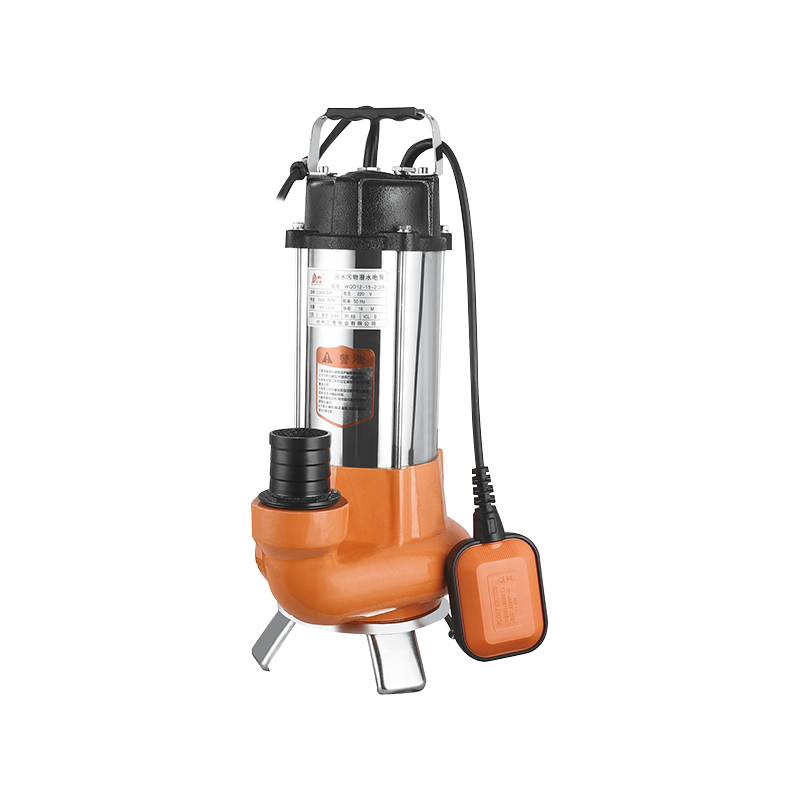
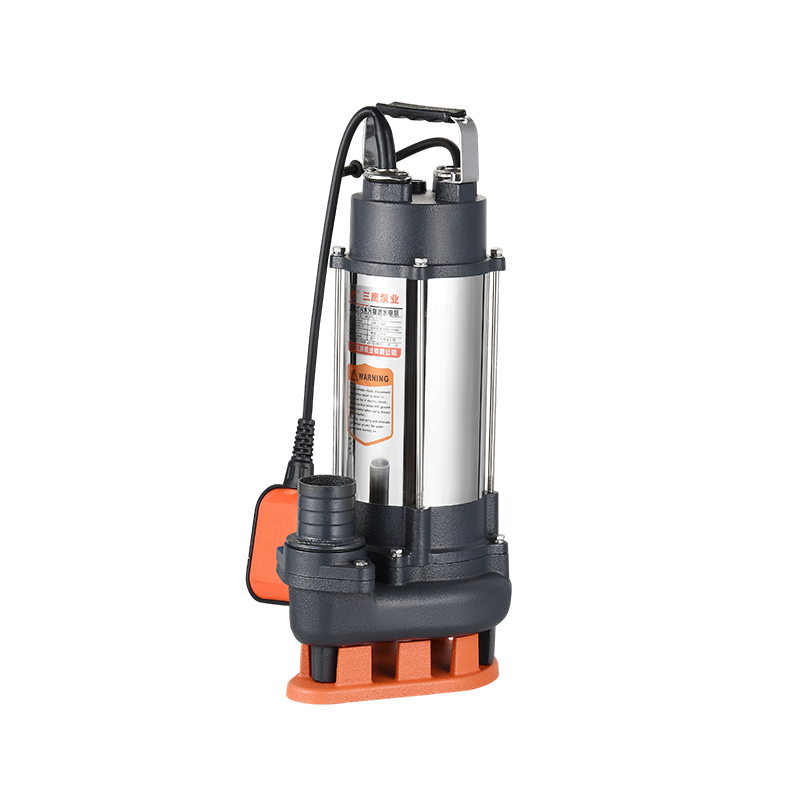
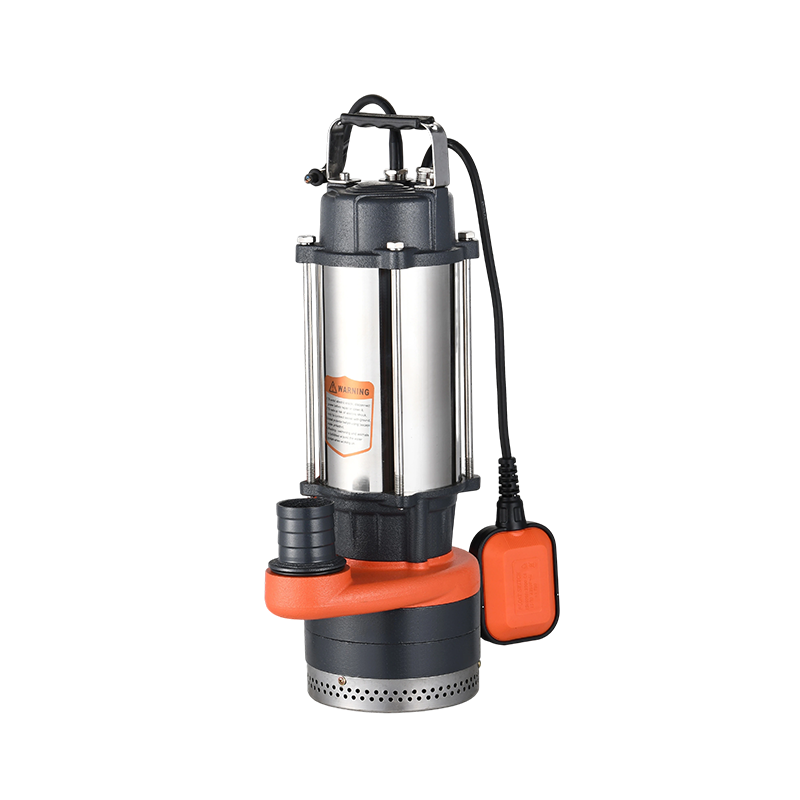
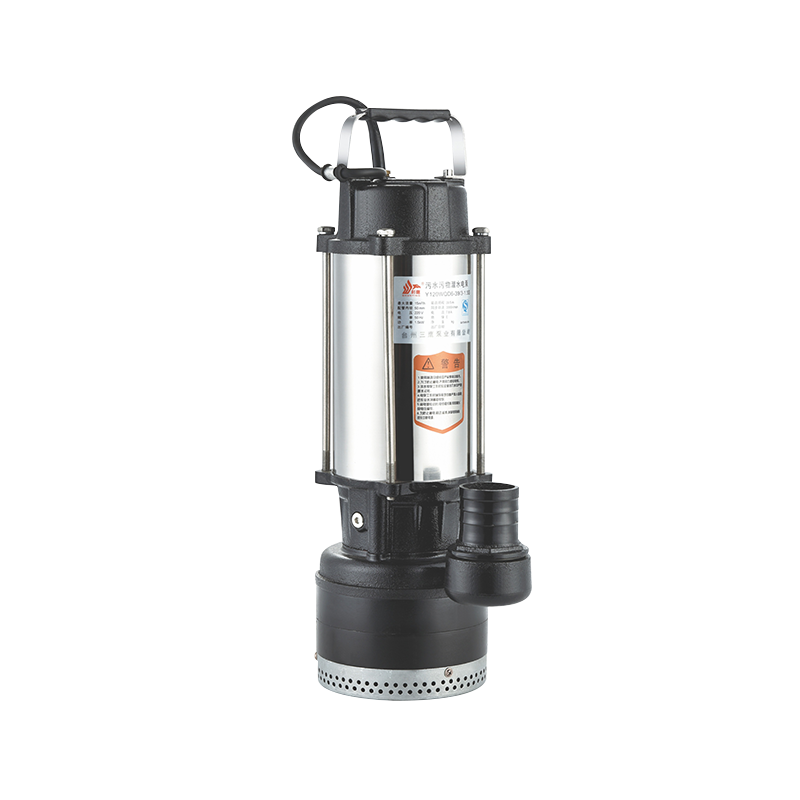
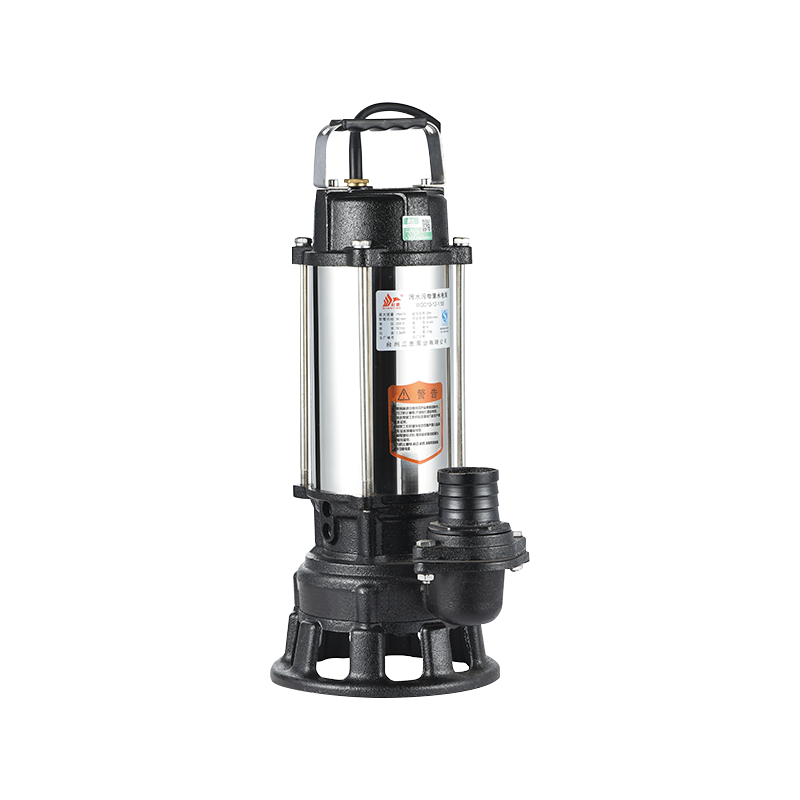
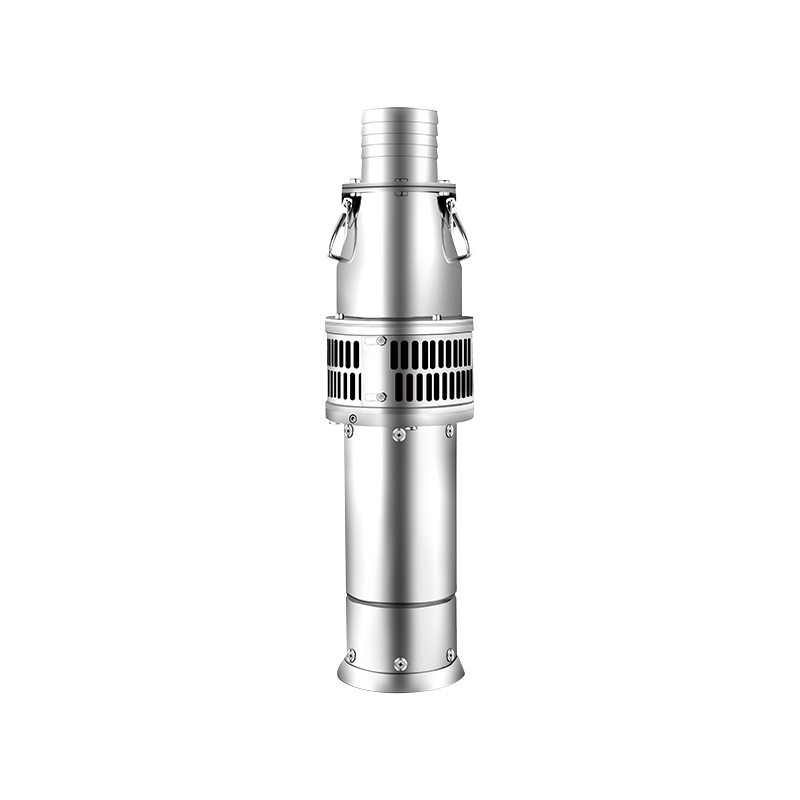
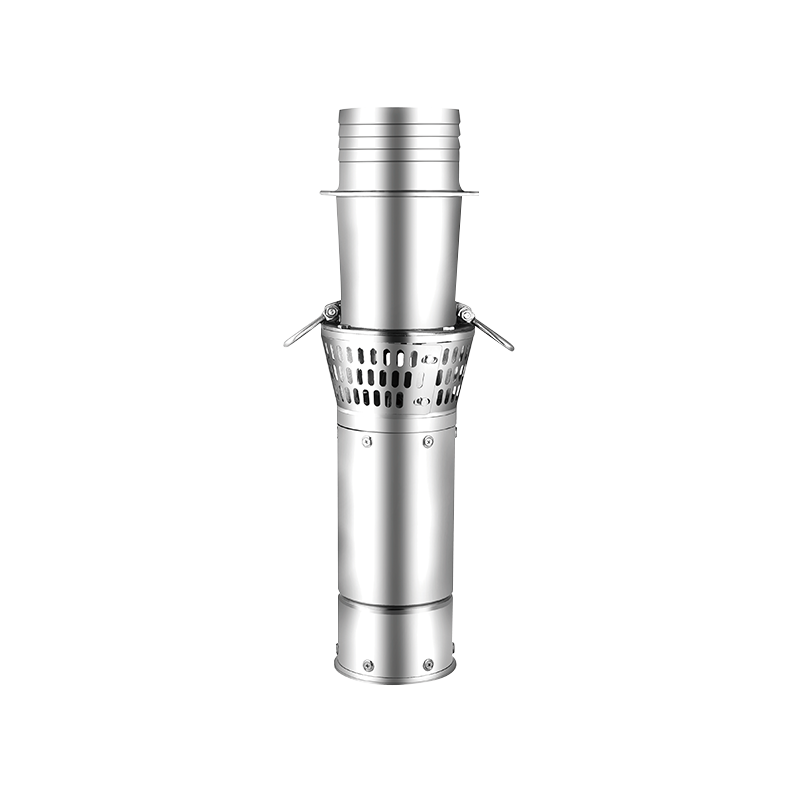
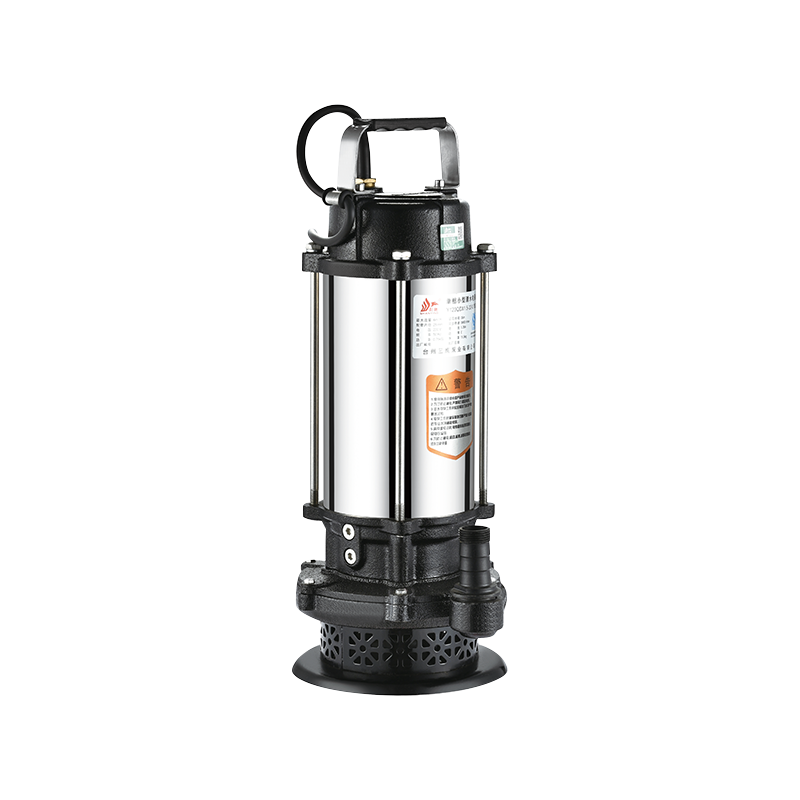
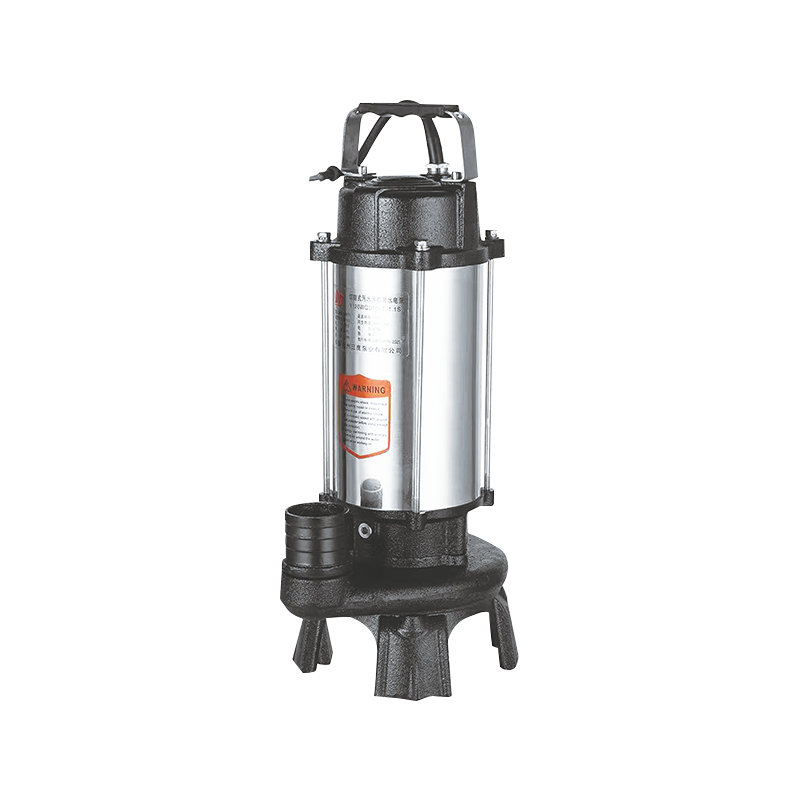
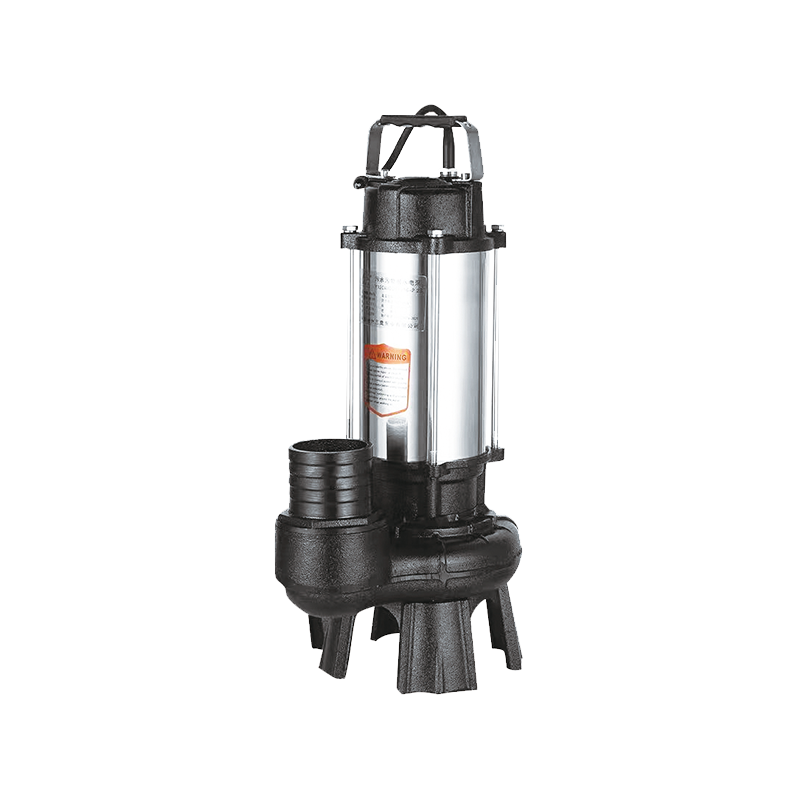
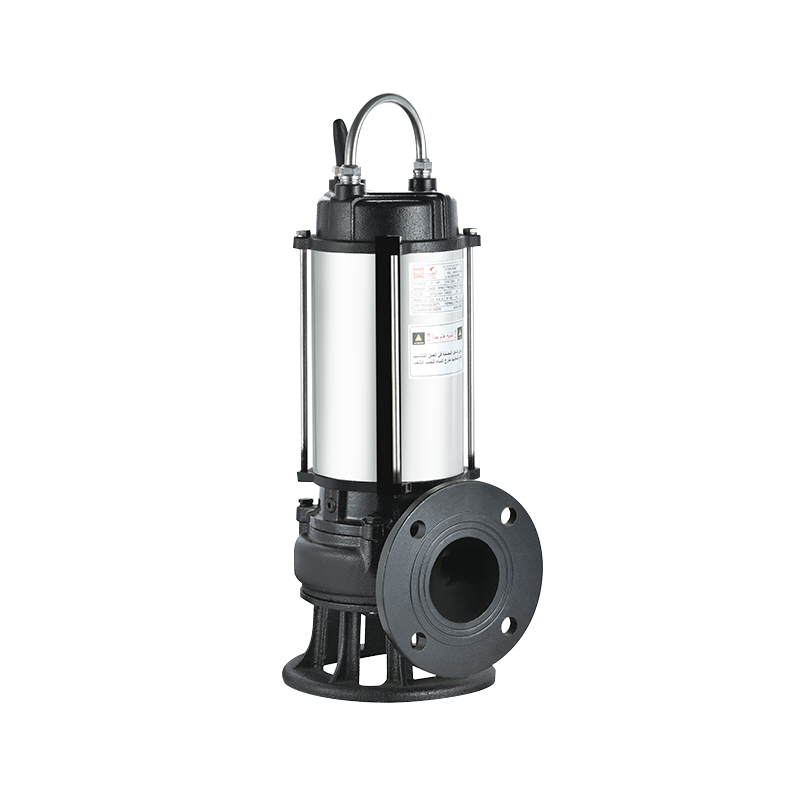
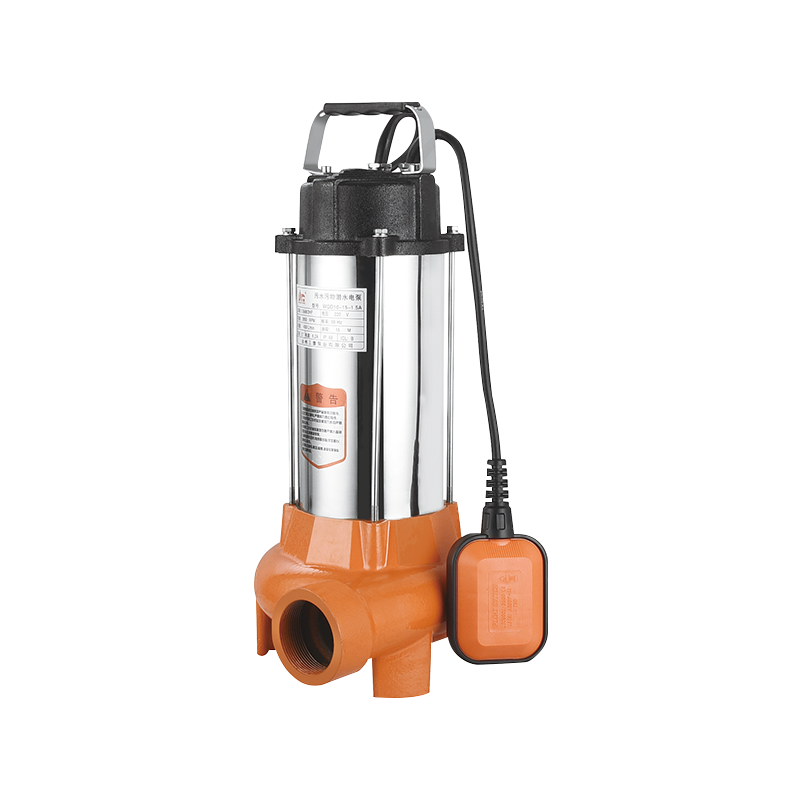
A cutting submersible pump is a powerful sewage disposal device specifically designed to handle complex impurities containing long fibers, plastics, rags, and solid particles.
You can visualize it as an underwater "shredder + water pump." It not only possesses the pumping function of a regular submersible pump but also has a powerful active cutting capability, which can shred blockages into small particles, thus completely solving the problem of entanglement and clogging common in ordinary pumps.
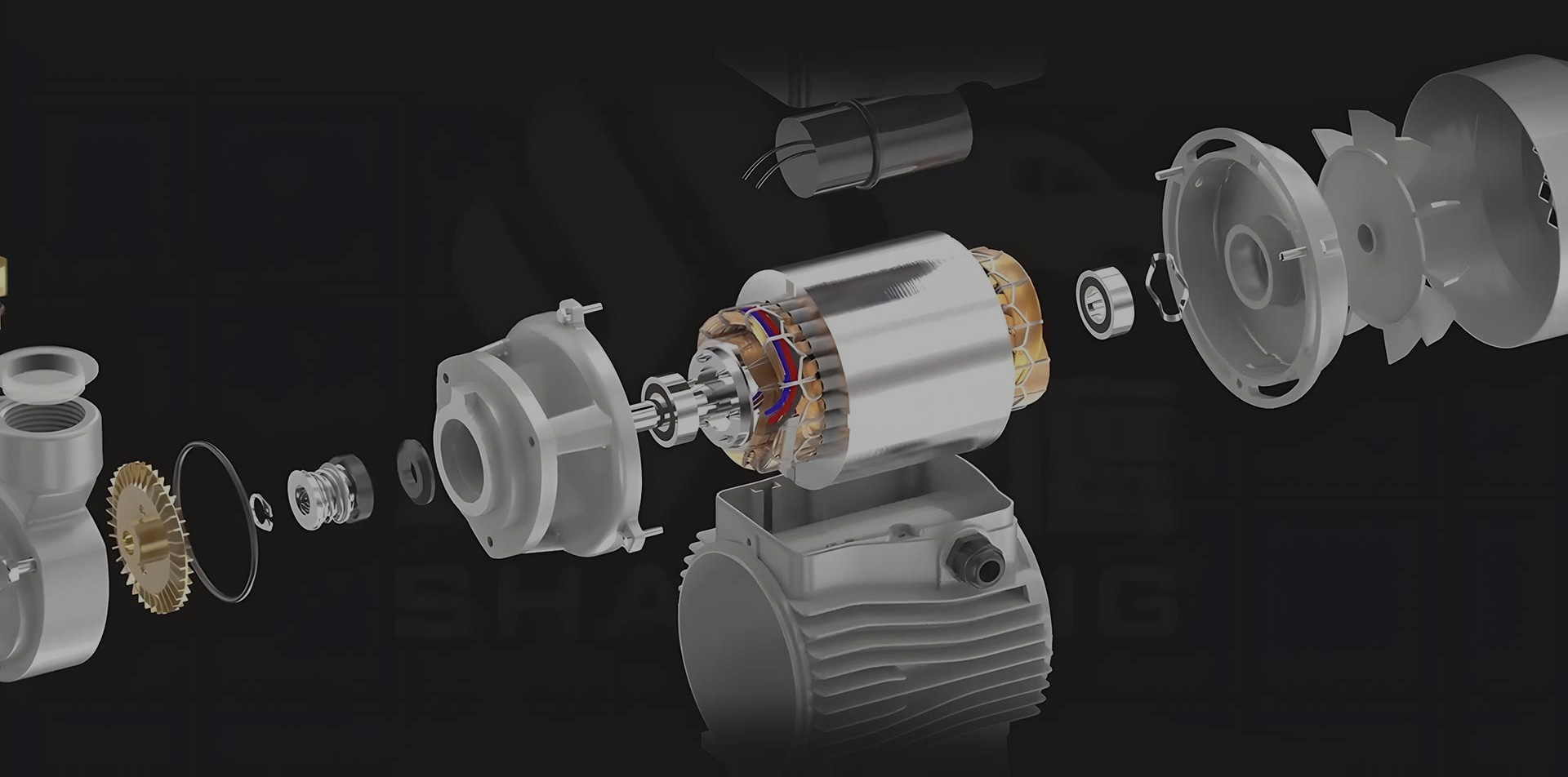
Core Structure and Working Principle
The core of the cutting submersible pump lies in the cooperation of its unique cutting system and impeller:
Cutting Mechanism ("Teeth"):
At the pump's suction inlet, there is a set of rotating blades (moving blades) and a fixed blade holder (stationary blades) made of high-chromium alloy or stainless steel.
The motor, through high torque output, drives the blades to rotate at high speed, using shear force to instantly shred the incoming debris (usually shredded into particles ≤10mm).
Impeller Design ("Heart"):
Typically uses a semi-open or vortex impeller.
This design has wide flow channels, which not only cooperate with the cutting system to shred impurities but also ensure that the shredded mixture is smoothly discharged without accumulating in the pump body.
Sealing and Protection:
Due to harsh working conditions, double-face mechanical seals (in series) are usually used, equipped with oil chamber lubrication and leakage detection devices to prevent sewage from entering the motor.
Main Features
Powerful Cutting, No Clogging
It can effectively shred plastic bags, rags, ropes, gloves, and even animal hair and feces. This is its biggest advantage, especially suitable for handling dirty water with complex components.
Strong Adaptability
It has strong passing capacity, not only capable of shredding fibers but also discharging larger solid particles (some models can handle particles up to 50mm or more in diameter).
Corrosion Resistant, Long Lifespan
Key components (such as the cutting disc and impeller) are usually subjected to high-frequency quenching or made of wear-resistant alloy materials, with high hardness and wear resistance, resulting in a service life far exceeding that of ordinary sewage pumps.
Intelligent Protection
Modern cutting pumps are usually equipped with automatic reverse rotation function (automatic reversal to clear blockages), overload protection, and leakage alarm, making operation safer. Application Scenarios
This pump is an expert in handling "extremely dirty" media and is widely used in the following places:
Municipal engineering: Urban sewage pipeline dredging, septic tank cleaning, and grease trap emptying.
Industrial wastewater:
Textile factories: Wastewater containing a large amount of cotton yarn and fabric scraps.
Food/slaughterhouses: Wastewater containing animal hair, belts, vegetable leaves, and uneaten feed.
Paper mills: Wastewater containing pulp fibers.
Farms: Pumping and draining of manure containing undigested straw or feed bags from pigs and chickens.
Construction sites: Accumulated water in foundation pits mixed with sand, plastic film, and construction waste.
Hospitals and hotels: Discharge of domestic sewage containing a large amount of toilet paper and cotton fabrics.
Cutting-type vs. Ordinary Submersible Pumps
Feature Cutting-type Submersible Pump Ordinary Submersible Pump
Method of handling impurities Active cutting (shredded before discharge) Passive passage (bypassing through wide flow channels)
Anti-clogging ability Extremely strong (not afraid of fabric scraps, hair) Weak (easily entangled and jammed by fibers)
Applicable media Dirty water containing long fibers, plastics, feces, and weeds Relatively clean sewage containing short fibers, sand, and particles
Maintenance frequency Relatively low (less prone to clogging) Higher (requires regular cleaning of entangled materials)
Energy consumption and cost Slightly higher (complex structure, blades require maintenance) Lower
Selection and Usage Suggestions
Material selection:
For general sewage, choose cast iron material (high cost-effectiveness).
If it is seawater, acid-alkaline wastewater, or requires high hygiene standards (such as food factories), be sure to choose 304/316L stainless steel material.
Distinguishing between "hard objects" and "soft objects":
Cutting pumps are good at handling flexible debris (cloth, grass, plastic).
If the water contains a large amount of rigid hard objects (such as bricks, stones, and metal), the cutting system may be ineffective or even damaged. In this case, it is recommended to use a mixing-type or non-clogging vortex pump.
Regular inspection of blades:
Although the blades are very hard, prolonged handling of high-hardness impurities will wear down the blades. It is recommended to regularly check the sharpness of the blades and sharpen or replace them as needed to maintain optimal cutting efficiency. If you are dealing with wastewater containing a large amount of debris, complex components, and materials that are prone to entanglement, a submersible pump with a cutting mechanism is the best choice to ensure unobstructed drainage.


 English
 中文简体
中文简体