

 English
 中文简体
中文简体


Home · News · Industry News · How to Choose and Use an Electric Submersible Sewage Pump
Industry News
How to Choose and Use an Electric Submersible Sewage Pump
2026-08-05Wastewater handling really is a core part of a lot of residential, commercial, and industrial systems. Once water starts carrying suspended materials, organic waste, or other particles, ordinary water transfer equipment often just doesn't hold up to the job. Picking suitable pumping equipment takes real attention to the working environment, installation method, flow requirements, and how much maintenance the setup can realistically handle.
An Electric Submersible Sewage Pump is built to operate right inside wastewater environments, moving liquid through an underwater installation approach. That said, picking a suitable model really isn't just about checking power ratings or overall size. Pump structure, impeller design, material choice, and the actual application conditions all shape how the equipment performs once it's running day to day.
For buyers, engineers, and distributors, getting a feel for how these pumps work and how they line up with different applications can help sidestep a lot of common selection mistakes. From wastewater transfer and drainage setups through to industrial use, having a clear picture of what these pumps actually do makes the whole buying process a lot more grounded.
What Is an Electric Submersible Sewage Pump and How Does It Work in Wastewater Applications
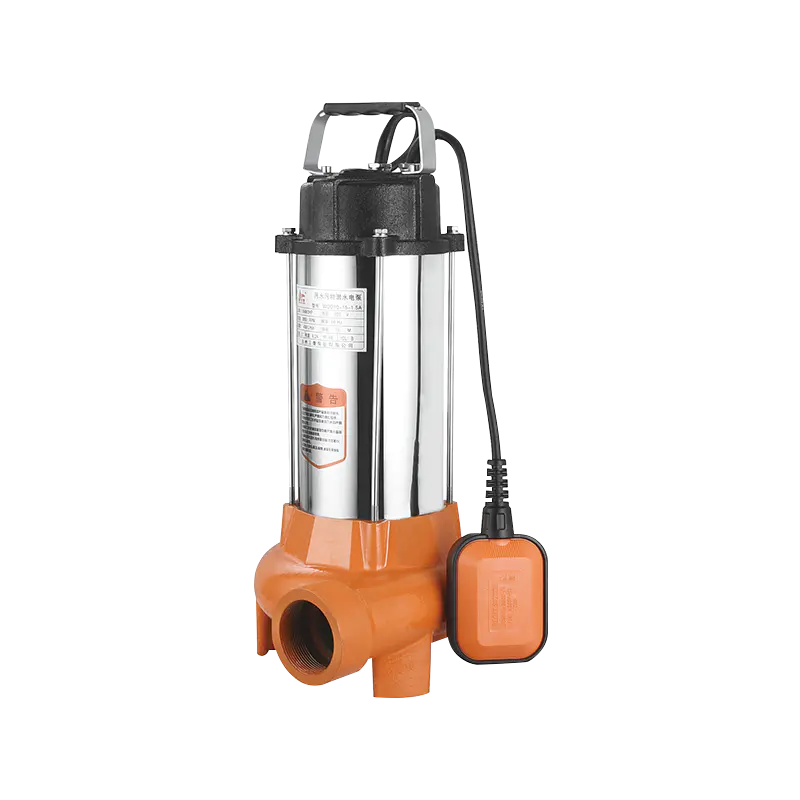
An Electric Submersible Sewage Pump is pumping equipment built to move wastewater while sitting below the liquid surface itself. Unlike traditional pumps mounted outside the water source, this design works directly inside the collection area, letting wastewater flow into the pump before getting pushed out through connected pipes.
The basic process runs through a handful of components working together:
- The motor supplies power for operation
- The impeller creates movement and pushes liquid through the pump body
- The casing guides wastewater toward the outlet
- Sealing components help keep internal parts protected from water contact
Once the pump kicks on, the motor spins the impeller, and that movement pushes wastewater along the discharge path. Because the equipment sits directly in the liquid, it tends to suit locations where space runs tight or where wastewater needs pulling up from somewhere lower down.
Different wastewater environments carry different materials. Household drainage, industrial wastewater, and construction site drainage can all behave pretty differently. Getting a read on the liquid's condition before picking equipment helps users land on a configuration that genuinely fits the environment.
| Component | Function |
|---|---|
| Motor | Provides operating power for the pump system |
| Impeller | Creates liquid movement and supports wastewater transfer |
| Pump casing | Guides water flow through the internal passage |
| Seal system | Helps protect internal parts during operation |
The installation environment really does tie directly into pump performance. A model suited for a cleaner drainage area probably has different requirements than one meant for wastewater loaded with particles. That's really why product selection should start with a clear understanding of the actual application first.
Why Are Electric Submersible Sewage Pumps Used for Wastewater With Solid Particles
Wastewater behaves pretty differently from clean water, mostly because it can carry suspended particles, fibers, or small solid bits along with it. Equipment built for this kind of environment needs a design that lets wastewater pass through smoothly while keeping blockage risk down.
The impeller structure matters a lot here. Different impeller designs create different flow paths inside the pump. Some leave more room for particles to pass through cleanly, while others lean toward stronger cutting or mixing action for specific jobs.
How well a pump handles particles really comes down to a handful of things:
- The size and type of solid materials in the liquid
- The pump's internal passage design
- The installation environment
- How consistent the maintenance routine actually is
Wastewater from a commercial building, for instance, often carries different materials than wastewater coming out of a manufacturing process. A suitable pump design really should match the liquid's actual characteristics, rather than getting picked off a generic shortlist.
Another reason these pumps show up so often in wastewater systems comes down to installation flexibility. Since they work underwater, they can sit inside collection tanks, drainage pits, or storage areas where mounting traditional equipment would be genuinely difficult.
How to Choose the Right Electric Submersible Sewage Pump for Different Applications
Picking suitable pumping equipment takes more than judging a model by how it looks on a spec sheet. The right choice really depends on where the pump's actually going to work and what kind of wastewater it needs to handle day in and day out.
Before buying, it's worth thinking through:
- What type of liquid needs transferring?
- Are solid particles part of the mix?
- How far does the wastewater need to travel?
- How often will the pump actually run?
- What installation conditions are available on-site?
Different applications carry different requirements, plain and simple. A small drainage project might just need easy installation and simple operation, while an industrial setup might demand tougher materials and the ability to run continuously without much fuss.
A practical selection process tends to run through a few steps:
| Selection Factor | Why It Matters |
|---|---|
| Wastewater type | Determines suitable structure and material choices |
| Flow requirement | Affects water transfer efficiency |
| Installation location | Influences pump size and connection method |
| Operating frequency | Helps determine suitable product design |
Material choice matters here too. Wastewater environments can create corrosion risk depending on what's actually in the chemical mix. Picking suitable materials upfront helps keep operation steady through regular use.
Which Factors Should You Consider When Buying an Electric Submersible Sewage Pump for Your Project
Buying decisions usually come down to balancing performance needs, operating conditions, and how much maintenance the project can realistically support. A suitable product should really match the project environment as a whole, rather than getting picked over one standout feature.
Construction quality is one factor worth weighing carefully. Whatever materials go into the pump body, shaft, and internal parts shapes how the equipment responds to different working conditions over time.
Maintenance convenience matters just as much. Equipment that's easier to inspect and clean tends to cut down on downtime across longer stretches of operation.
Buyers might also want to think through:
- Supplier production capability
- Product customization options
- Technical support availability
- Compatibility with existing systems
For engineering projects, clear communication between buyers and manufacturers really matters. Sharing details about wastewater conditions, installation space, and expected operation helps manufacturers point toward genuinely suitable solutions.
A clear buying process tends to cut down on unnecessary adjustments after installation and keeps equipment selection lined up with what the project actually needs.
Where Can Electric Submersible Sewage Pumps Be Installed and What Applications Need Them
Installation location really shapes equipment selection quite a bit. These pumps show up commonly wherever wastewater needs collecting and moving from a lower position upward.
Typical applications include:
- Basement drainage systems
- Commercial building wastewater collection
- Industrial wastewater transfer areas
- Construction site drainage systems
- Municipal wastewater facilities
In basement drainage setups, the pump helps clear out water that's pooled in collection areas. In industrial settings, it might be handling wastewater generated as part of a production process.
The surrounding environment's worth thinking through before installation gets underway. Available space, liquid characteristics, electrical connection conditions, and pipe layout can all shape the final configuration one way or another.
Proper installation genuinely helps keep operation steady too. Poor positioning, mismatched piping connections, or limited maintenance access can all create headaches down the road.
How Does Impeller Design Affect the Performance of an Electric Submersible Sewage Pump
The impeller's one of the more important internal parts shaping how wastewater actually moves through the pump. Its shape, passage design, and general operating traits affect both liquid transfer and how well it handles particles.
Different impeller structures suit different working conditions. Some are built to let particles pass through the internal passage smoothly, while others are designed around wastewater that needs a bit more handling capability.
Impeller choice tends to influence:
- Flow movement inside the pump
- Resistance caused by particles
- Energy use during operation
- Maintenance requirements
When picking equipment, it's worth weighing the actual wastewater characteristics, rather than settling on an impeller type based purely on general preference.
Manufacturers often adjust impeller structures around specific application needs. Wastewater carrying different materials, for instance, might call for a different internal design to keep operation running smoothly.
What Are Common Problems With Electric Submersible Sewage Pumps and How Can They Be Solved
Even a well-chosen pump can run into trouble if installation or maintenance conditions aren't quite right. Getting familiar with common issues helps users respond faster when something goes wrong.
A pretty common problem is the pump running but not actually discharging water. That can trace back to blocked passages, incorrect installation, or trouble somewhere in the connected pipe system.
Other situations that tend to come up:
- Unusual operating noise
- Reduced water movement
- Motor stopping unexpectedly
- Increased vibration during operation
Regular inspection helps catch issues before they ripple out into the whole system. Checking connections, clearing out accumulated material, and keeping an eye on operating conditions are all genuinely practical maintenance habits.
When something goes wrong, it's worth checking the working environment first. A blockage usually just needs cleaning out, while an electrical issue might call for a professional to take a closer look.
What Should Buyers Know About Electric Submersible Sewage Pump Manufacturing and Custom Options
For distributors and project buyers, getting a sense of the manufacturing process helps a lot when picking a reliable supplier. Different projects can call for adjustments in materials, structure, connection methods, or specific application features.
Manufacturers usually work through several stages during production:
- Material preparation
- Component processing
- Assembly procedures
- Performance inspection
Customization might touch on installation requirements, operating environments, or specific project specs the customer brings to the table. Clear communication between buyers and manufacturers really helps make sure the final product actually fits the intended application.
When working with a supplier, it's worth sharing:
- Wastewater characteristics
- Installation conditions
- Expected operation requirements
- Required product adjustments
A cooperative approach between manufacturers and customers supports smoother project planning and tends to produce an Electric Submersible Sewage Pump setup that genuinely fits the specific usage conditions at hand.
Choosing suitable wastewater equipment really comes down to attention across application details, rather than fixating on any single product feature. By working through operating principles, selection factors, installation environments, and maintenance needs together, users can land on clearer decisions for whatever wastewater handling situation they're dealing with.
Contact Us
Your email address will not be published. Required field are marked*


- Tel: +86-0576-89933666
- Mob: +86-18608118888
- FAX: +86-0576-89933668
- Email: [email protected]
- Add: Building 13, Zeguo Electronmechaical Entrepreneurship Park, Wenling City, Zhejiang Province, China
Please contact us and look forward to happy cooperation with you.
Copyright © Taizhou Shanying Pump Co., Ltd. All Rights Reserved.
 China Pump Supplier

