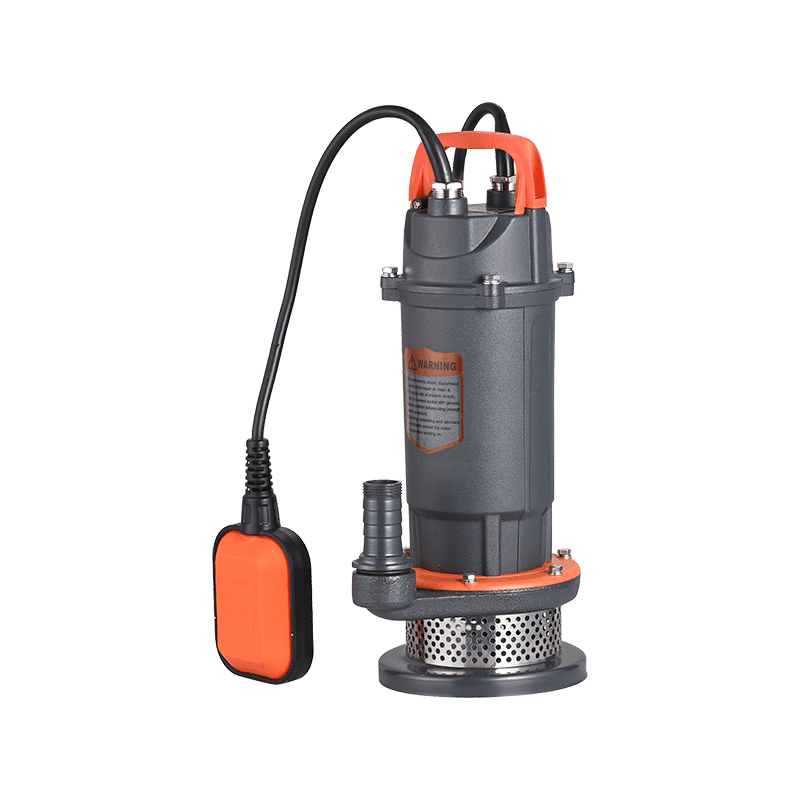
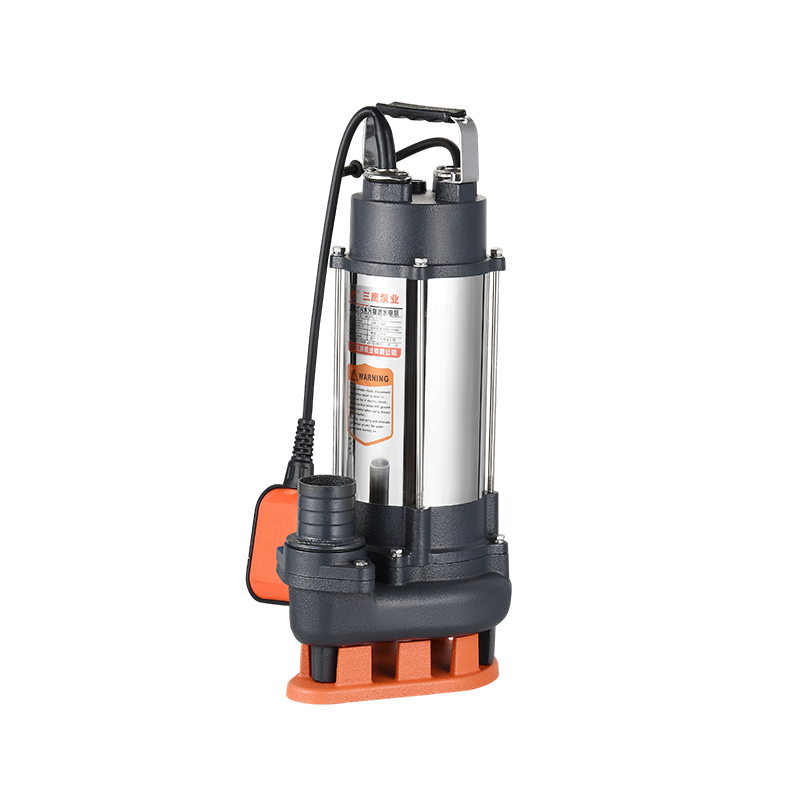
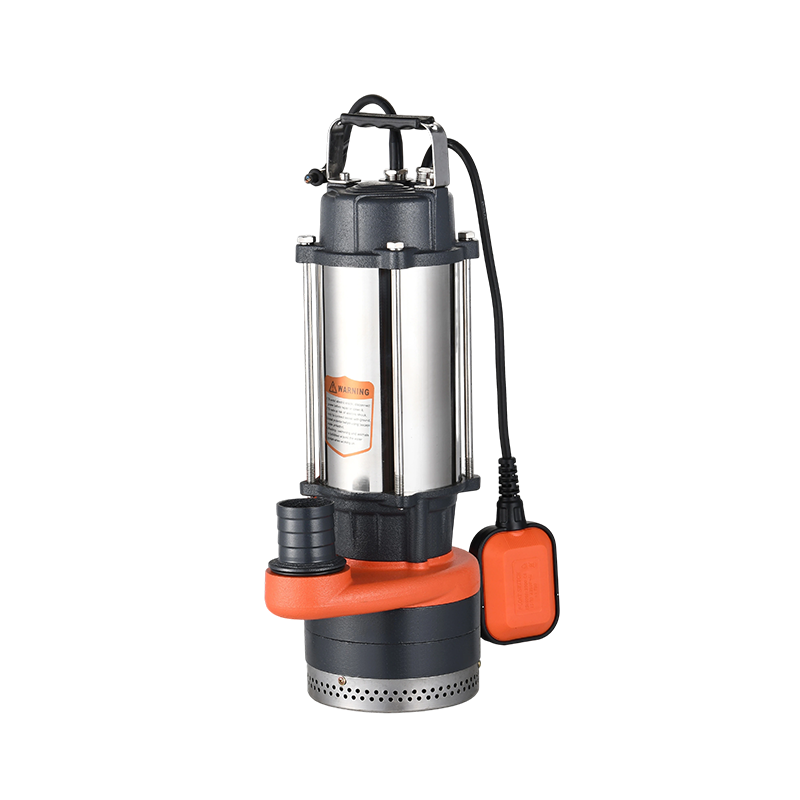
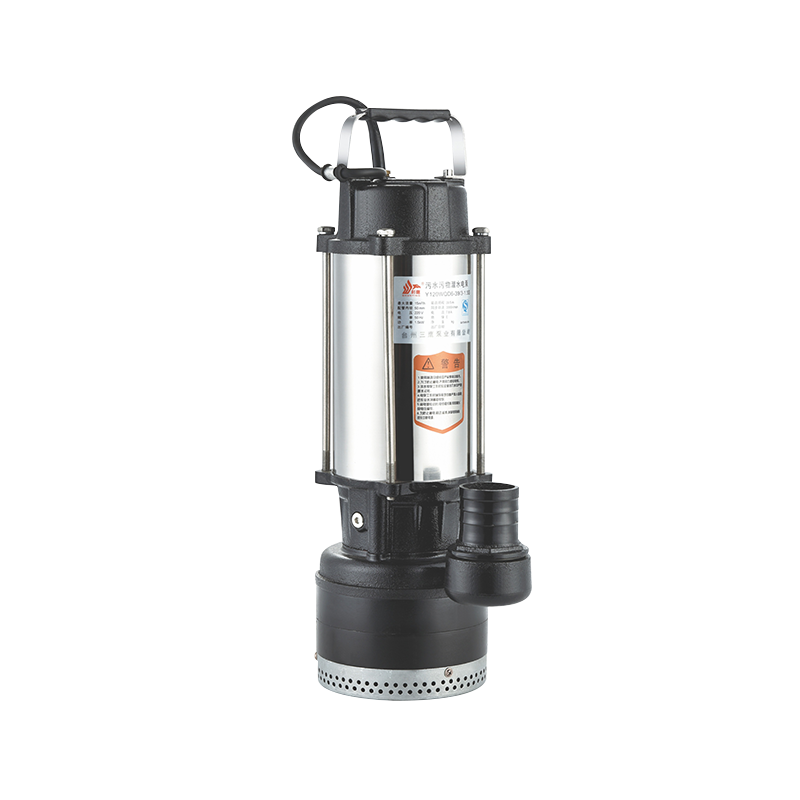
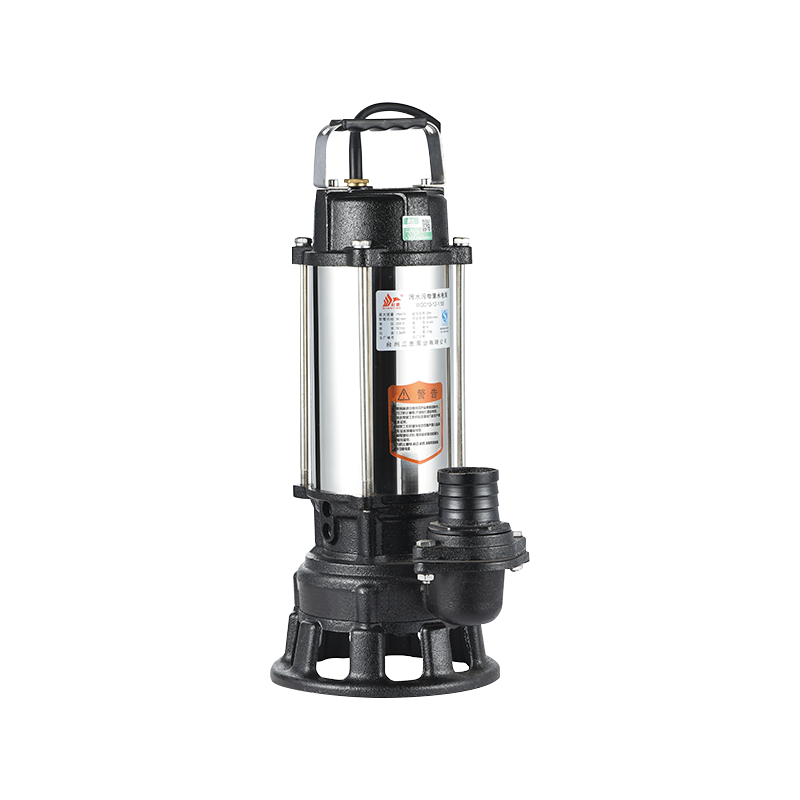
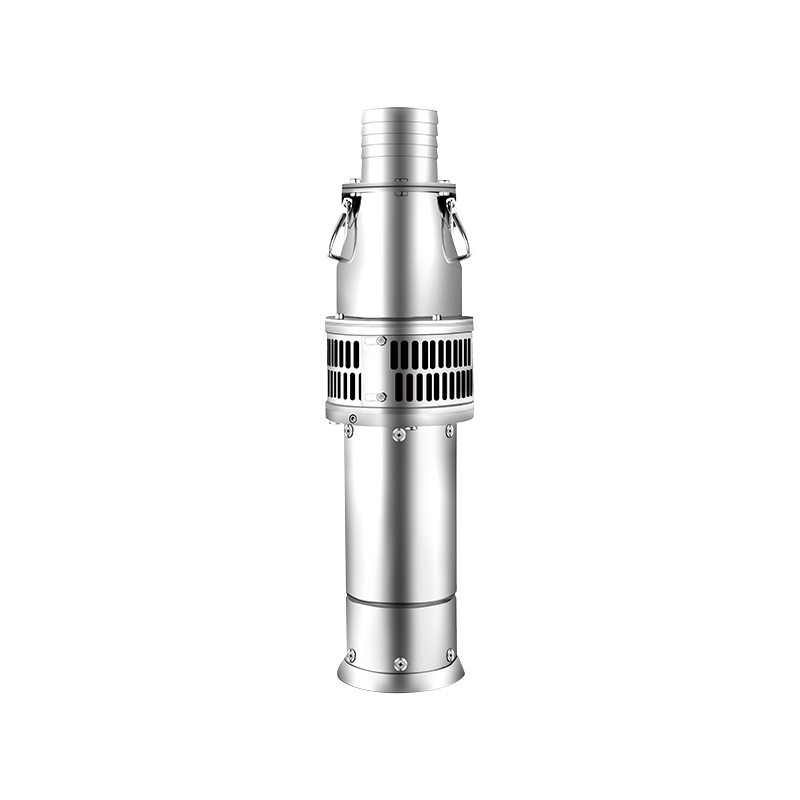
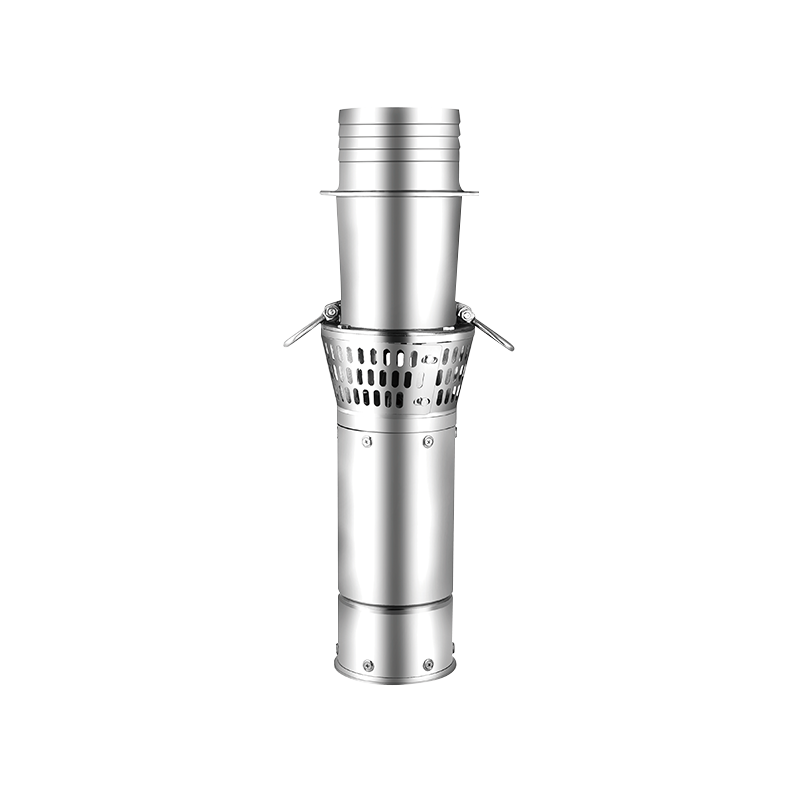
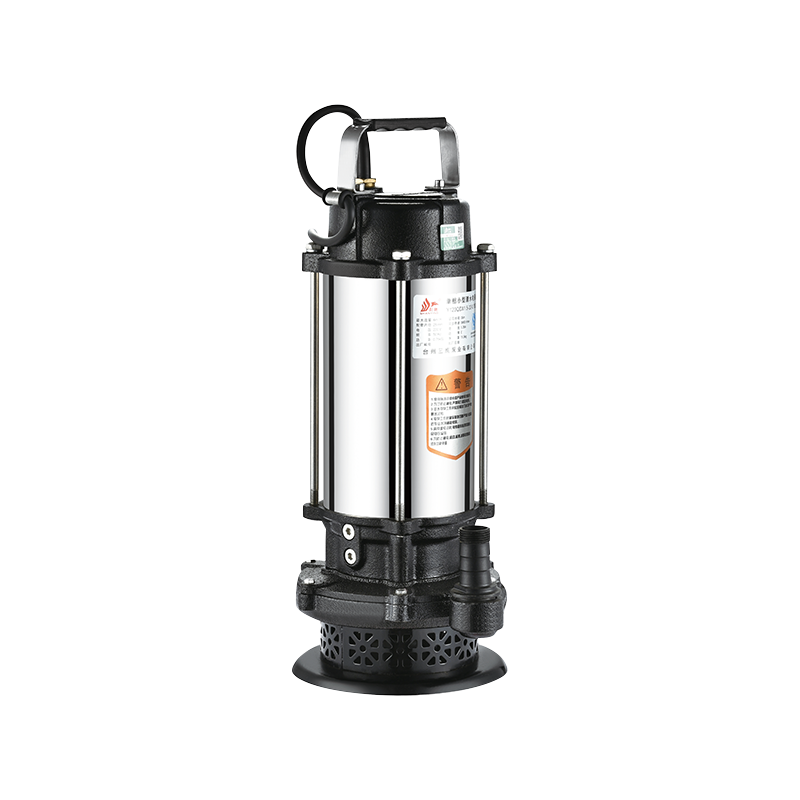
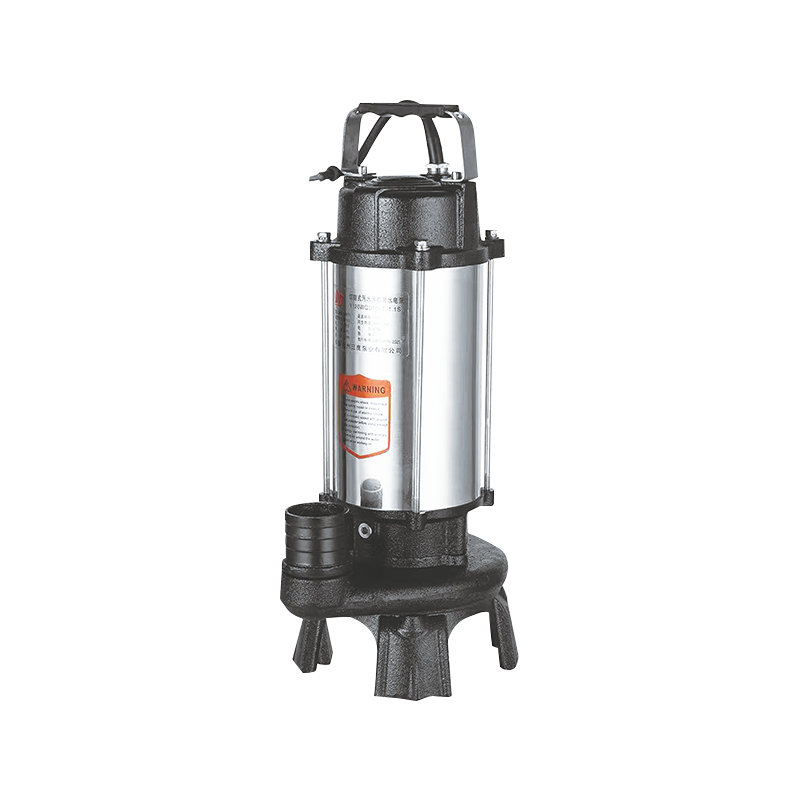
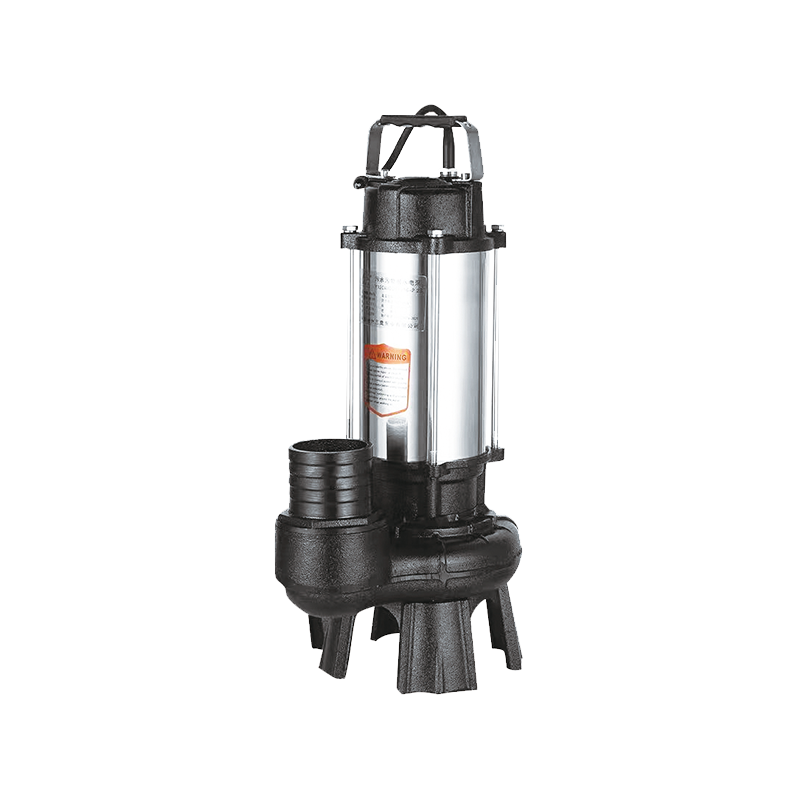
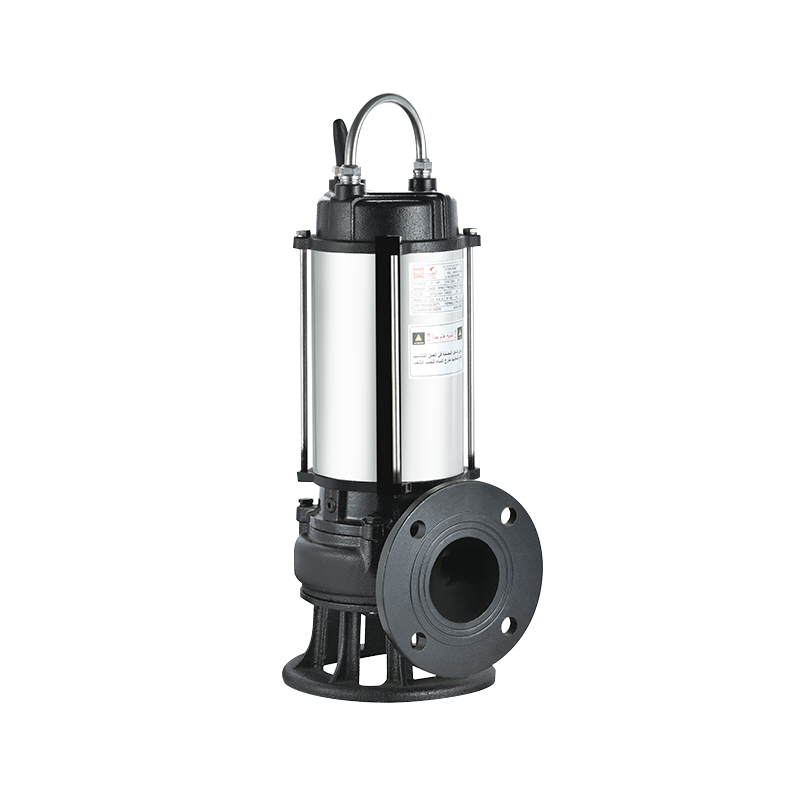
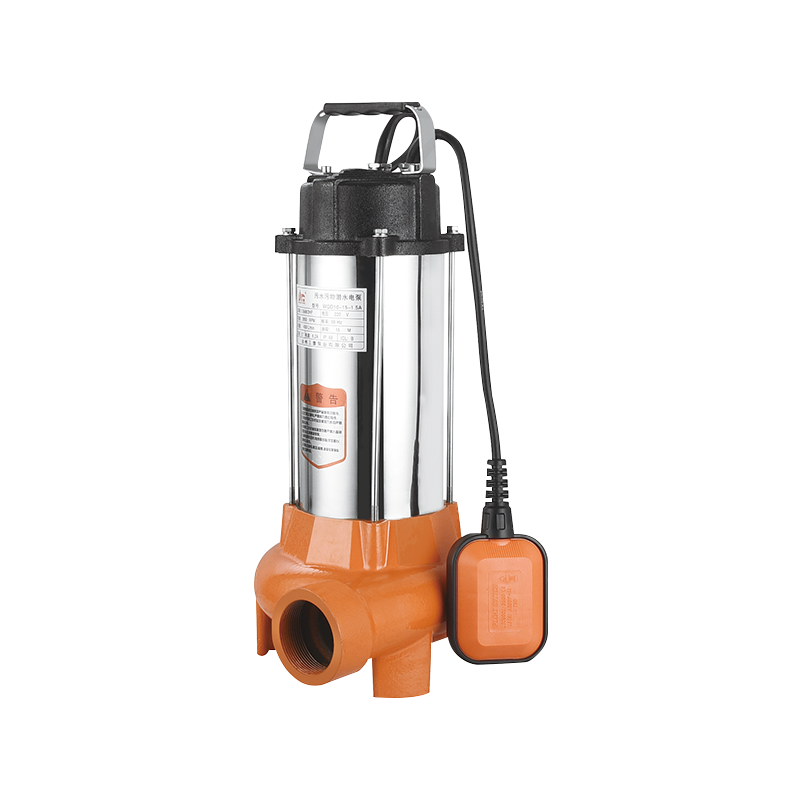
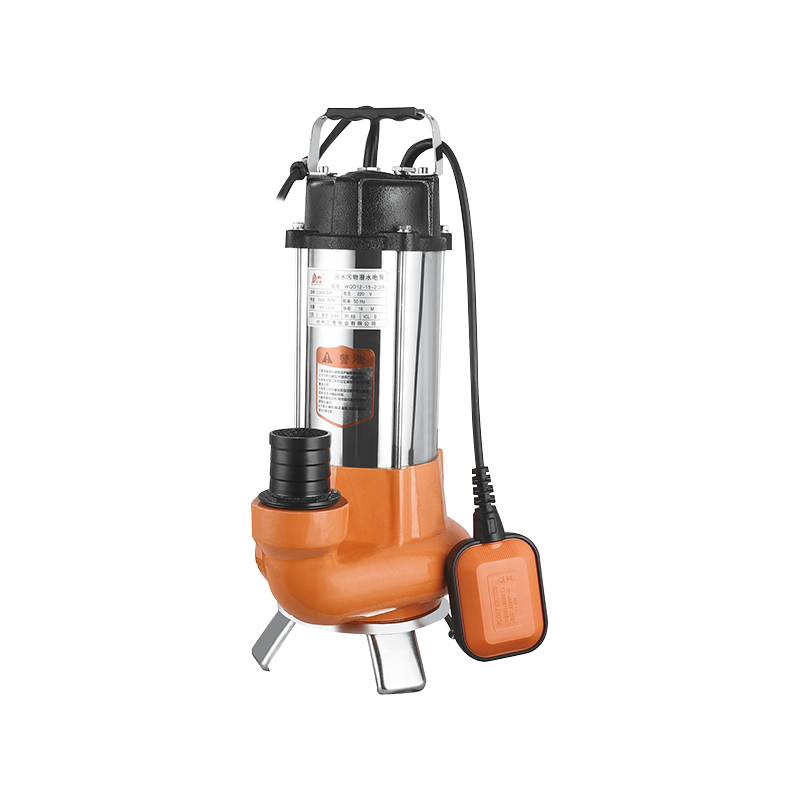
An automatic float switch submersible pump is an intelligent drainage device that integrates a float switch level control mechanism into a traditional submersible pump. It can automatically start and stop based on the water level, eliminating the need for manual supervision. It is widely used in applications requiring automatic water level control, such as basement drainage, sewage tanks, sumps, and flood control.
Its core advantage lies in its "starts when water arrives, stops when water recedes" functionality. While ensuring drainage efficiency, it effectively prevents the pump from running dry and overheating, significantly extending the equipment's lifespan.
Working Principle
The basic working principle of the automatic float switch submersible pump is still the centrifugal force principle, while the float switch device is responsible for controlling the start and stop.
Water Level Rises
When the water level rises to a set height, the float rises with the water surface, automatically connecting the power supply through a built-in micro switch or gravity swing mechanism, and the pump starts.
Pump Runs and Drains Water
The motor drives the impeller to rotate at high speed. The liquid is thrown to the outer edge of the impeller by centrifugal force, and then discharged after being pressurized by the pump casing.
Automatic Shutdown When Water Level Drops
As the water level decreases, the float descends. When the water level falls below the set value, the float automatically disconnects the power supply, and the pump stops running, preventing dry running.
The entire process requires no manual intervention, achieving truly automatic drainage.
Core Structural Components
An automatic float switch submersible pump typically consists of the following parts:
Pump Body
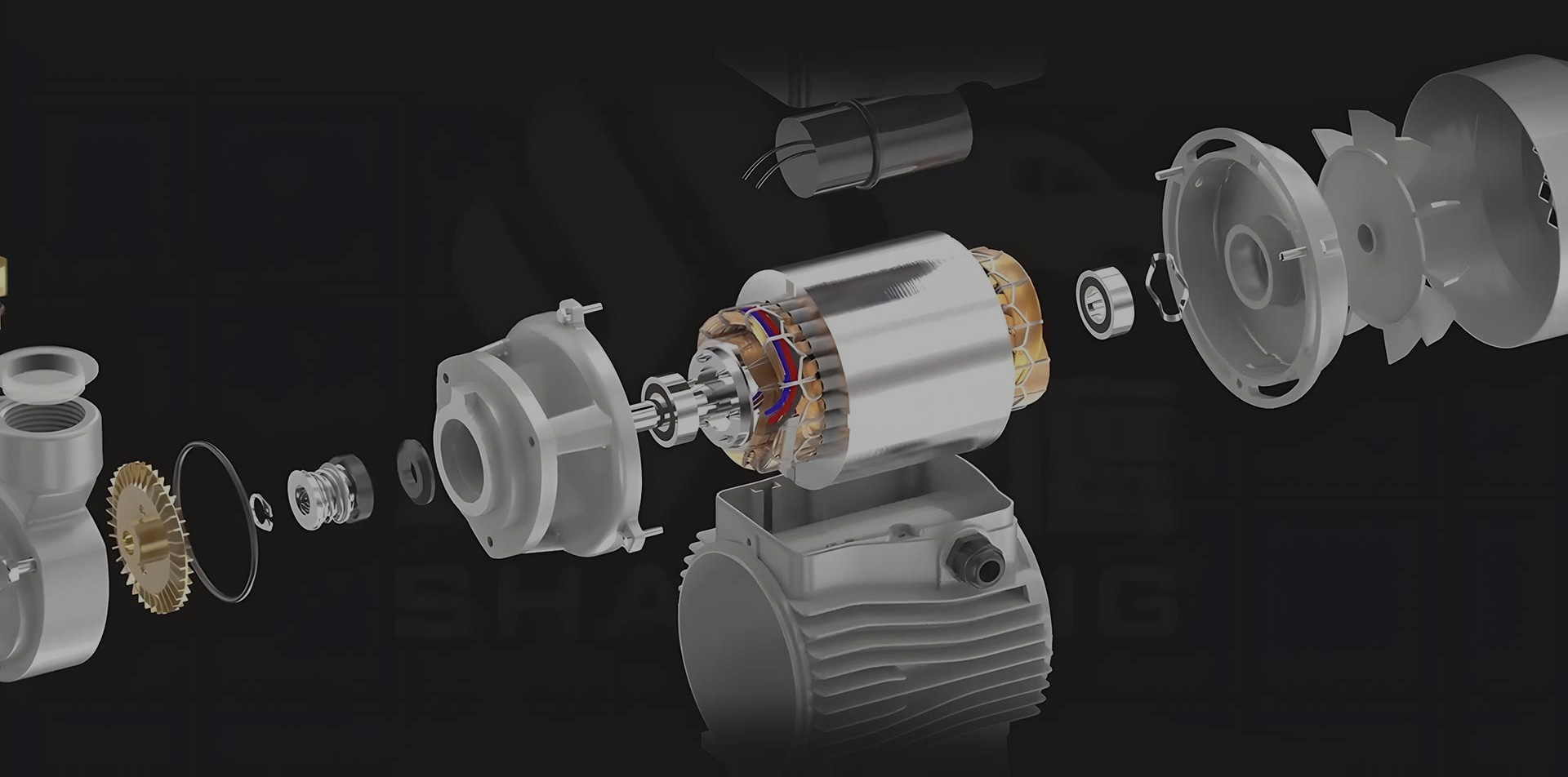
Includes the impeller, pump casing, shaft, and flow-through components, responsible for converting the motor's mechanical energy into the kinetic and pressure energy of the water.
Submersible Motor
Coaxially connected to the pump body, completely sealed, and can adopt an oil-filled or dry structure, suitable for long-term underwater operation.
Float Switch Level Control
The core control component, which achieves automatic start and stop through changes in water level. Common forms include external or internal float switches.
Sealing System
Usually uses a double-ended mechanical seal to prevent water from entering the motor cavity.
Cables and Control Accessories
Waterproof cables connect to the power supply, and an external control cabinet can be used for multi-pump control.
Main Features and Advantages
Automatic Start and Stop, No Manual Supervision Required
Automatically operates according to water level changes, especially suitable for unattended locations or places where frequent inspections are inconvenient.
Prevents Dry Running, Protects the Motor
Automatic shutdown when the water level is too low effectively prevents motor burnout caused by lack of water. Easy Installation, Flexible Use
Simply place it in a pool or sump pit for immediate use, no complex control system required.
Stable Operation, Low Maintenance Costs
Mature and reliable structure, low failure rate, and simple maintenance.
Typical Application Scenarios
Buildings and Residences: Basement drainage, civil defense projects, garage sumps
Municipal Engineering: Stormwater wells, sewage wells, flood control and drainage
Industrial Field: Equipment foundation pit drainage, sewage tank level control
Agriculture and Aquaculture: Reservoir drainage, automatic water level control
Selection and Usage Recommendations
Select the appropriate pump type based on the medium (clean water, sewage, stainless steel).
Pay attention to the float length and start/stop liquid level range to ensure it matches the site water level.
During installation, avoid the float being stuck by the pool wall or pipes, which may affect its sensitivity.
The power supply must be equipped with a leakage protection device to ensure electrical safety.
The automatic float submersible pump combines traditional submersible pumps with automatic liquid level control, achieving an efficient, safe, and unattended drainage method. It is a highly practical intelligent device in modern building, municipal, and industrial drainage systems.


 English
 中文简体
中文简体