

 English
 中文简体
中文简体


Home · News · Industry News · How Does a Submersible Cutter Pump Handle Difficult Wastewater
Industry News
How Does a Submersible Cutter Pump Handle Difficult Wastewater
2026-08-24Wastewater can be easy to move when it contains little solid material. The situation changes when rags, fibers, soft debris, and other unwanted matter enter the flow. These materials may collect around the intake, catch on moving parts, or build up inside the discharge line. A pumping system that works well with ordinary wastewater may behave differently under these conditions.
A Submersible Cutter Pump is designed for applications where cutting and pumping take place as part of the same process. Material entering the pump meets the cutting assembly before the liquid continues through the discharge path. The reduced material is then carried away with the wastewater.
That does not mean every difficult wastewater stream will behave in the same way. The type of waste, its physical form, the condition of the cutting components, the installation arrangement, and the discharge piping all have a bearing on operation. Looking at these factors individually makes it easier to see where problems begin and how they can be avoided.
How Does a Submersible Cutter Pump Cut Solid Waste
The cutting action takes place near the point where wastewater enters the pumping chamber. A rotating cutting element works against a fixed surface, breaking suitable solids into smaller pieces. The liquid then carries the processed material toward the discharge side.
The benefit is particularly noticeable with materials that do not behave like ordinary loose particles. A long strip of fabric, for example, can wrap around a rotating component. A smaller piece is less likely to behave in the same way once it has passed through the cutting area.
The cutting process is not identical for every type of waste. Soft, flexible material can respond differently from hard objects. Fibrous matter may also arrive in tangled groups rather than as separate pieces. The amount and shape of incoming material therefore affect how the cutting assembly performs.
Condition matters, too. A cutting edge that has become worn will not interact with incoming waste in exactly the same manner as a properly maintained one. Debris caught around the cutting area can create another restriction. These changes may appear gradually, with the operator noticing a difference in flow or sound before a complete blockage occurs.
The cutting function is therefore only one part of the pumping process. What happens before and after the cutting stage matters just as much when the wastewater contains difficult solids.
What Types of Waste Can a Submersible Cutter Pump Handle
There is no single type of wastewater that defines a cutting pump application. Different sites can introduce different combinations of solids into the liquid. Some materials are relatively easy to break apart, while others are troublesome because of their shape.
Common examples include:
- Long fibers and string-like material
- Textile scraps and soft fabric
- Organic solids suspended in wastewater
- Flexible debris that tends to collect or wrap
- Mixed solid material carried by the liquid
Shape can sometimes matter more than size. A thin strip of flexible material may create more trouble than a small hard particle because it can catch on an edge and continue gathering additional debris.
The way waste enters the system also makes a difference. A steady stream of small solids is quite different from a sudden mass of tangled material. When the composition of the wastewater changes, the pumping behavior may change with it.
| Waste Type | Typical Concern During Pumping |
|---|---|
| Fibers | May become tangled around moving parts |
| Textile material | Can remain flexible after entering the pump |
| Organic solids | May vary in size and consistency |
| Loose particles | Often move with the liquid more readily |
| Mixed debris | Produces less predictable operating conditions |
Foreign objects require separate attention. A cutting mechanism is intended for materials that fall within its operating conditions. Large rigid objects or unsuitable items can damage the cutting area rather than pass through it normally.
For that reason, knowing what actually enters the wastewater system is more useful than choosing equipment based only on the general category of application.
Why Does a Submersible Cutter Pump Still Get Clogged
A cutter reduces suitable material, but blockage remains possible. The problem often starts when the incoming waste behaves differently from what the system was intended to handle.
Long fibers are a common example. Several pieces can arrive together and form a tangled mass. The individual pieces may be manageable, but once they gather around the cutting area, they can restrict movement and interfere with further processing.
The intake can also become covered with debris. If material settles near the entrance, less liquid reaches the pumping chamber. The equipment may continue operating while the discharge gradually changes.
There is another possible source farther along the system. Material that has already been cut still has to travel through the discharge piping. If the flow path contains a restriction, debris may collect rather than move away freely.
A blockage is therefore not necessarily caused by a failed cutting component. Looking at the entire route—from the wastewater entering the system to the point where it leaves the discharge pipe—usually gives a clearer picture.
When repeated clogging occurs, it is useful to ask:
- Has the type of incoming waste changed?
- Is fibrous material arriving in larger quantities?
- Is debris collecting around the intake?
- Are restrictions present in the discharge path?
- Has the cutting assembly been inspected recently?
These questions help separate a recurring application problem from a condition affecting the equipment itself.
How Do Cutter Wear and Debris Affect Pump Flow
Flow changes do not always happen suddenly. In some cases, performance gradually becomes less consistent as material collects around the cutting area or the cutting surfaces wear.
A worn cutting edge may leave larger pieces behind. Those pieces still have to pass through the pumping system, and they may not move as easily as material that has been properly reduced. Fibers can also gather around an area where cutting has become less effective.
Debris creates a slightly different problem. Material wrapped around the cutting assembly can interfere with its movement. If the accumulation continues, resistance increases and the flow path becomes less open.
It is easy to associate every reduction in flow with the cutter, but that assumption can lead to an incomplete diagnosis. The discharge pipe may contain a restriction. The intake may be partially covered. Changes in the wastewater itself can also produce different operating conditions.
A useful inspection follows the flow path rather than focusing on one component.
| Observed Change | Area Worth Checking |
|---|---|
| Lower discharge | Intake, cutting area, and discharge path |
| Intermittent flow | Debris accumulation or changing wastewater conditions |
| More frequent interruptions | Cutting area and downstream restrictions |
| Unusual operating sound | Rotating parts and accumulated debris |
| Larger solids in discharge | Cutting condition and incoming material |
This approach is particularly useful when the change has developed slowly. Gradual wear and gradual buildup often leave visible signs before the equipment stops working normally.
What Causes Vibration in a Submersible Cutter Pump
Vibration can come from several sources, and the cause is not always obvious from outside the installation. Because the equipment operates below the liquid surface, inspection during normal operation is limited.
Debris attached to a rotating part can disturb smooth movement. The effect may become more noticeable when fibrous material wraps around the assembly. A worn or damaged cutting component can also change the way material passes through the pumping area.
Installation deserves attention as well. Equipment that is not held securely may move during operation. Connections to the discharge piping can transfer movement into the surrounding system, making the vibration appear to involve more than the pump itself.
The wastewater can provide another clue. If vibration begins when a particular type of solid enters the system and then decreases when the material passes, the incoming waste may be contributing to the problem.
Rather than immediately treating vibration as a mechanical failure, the operating conditions should be checked alongside the equipment. The timing of the vibration, the type of wastewater present, the condition of the cutting area, and the installation arrangement can help narrow the cause.
A change in sound often appears together with vibration. Operators who regularly work around the equipment may notice this before a visible change in discharge occurs.
How Does Pipe Size Affect Cutter Pump Performance
The discharge pipe is part of the pumping system, not simply a connection added after the pump. Wastewater still has to travel through this pipe after leaving the pumping chamber.
A restricted pipe can increase resistance. So can an unnecessarily complicated route with repeated changes in direction. When debris is present, these areas may become places where material begins to collect.
Pipe condition can change over time as well. Deposits reduce the available passage, while fibrous material may become caught where the direction of flow changes. The result can look like a pump problem even though the restriction is outside the pump.
| Pipe Condition | Possible Effect |
|---|---|
| Restricted passage | Wastewater has less room to move |
| Debris buildup | Material can collect around the restriction |
| Multiple bends | Creates additional resistance |
| Poor support | Movement may be transferred to the piping |
| Internal deposits | Gradually reduces the open flow path |
The discharge arrangement should therefore be considered when the system is planned. The nature of the wastewater, the route to the discharge point, and the surrounding installation conditions all have a place in that decision.
This also explains why changing the pump alone may not resolve a recurring flow problem. If the restriction remains in the pipe, the same symptom can return.
How Do You Choose a Submersible Cutter Pump for Wastewater
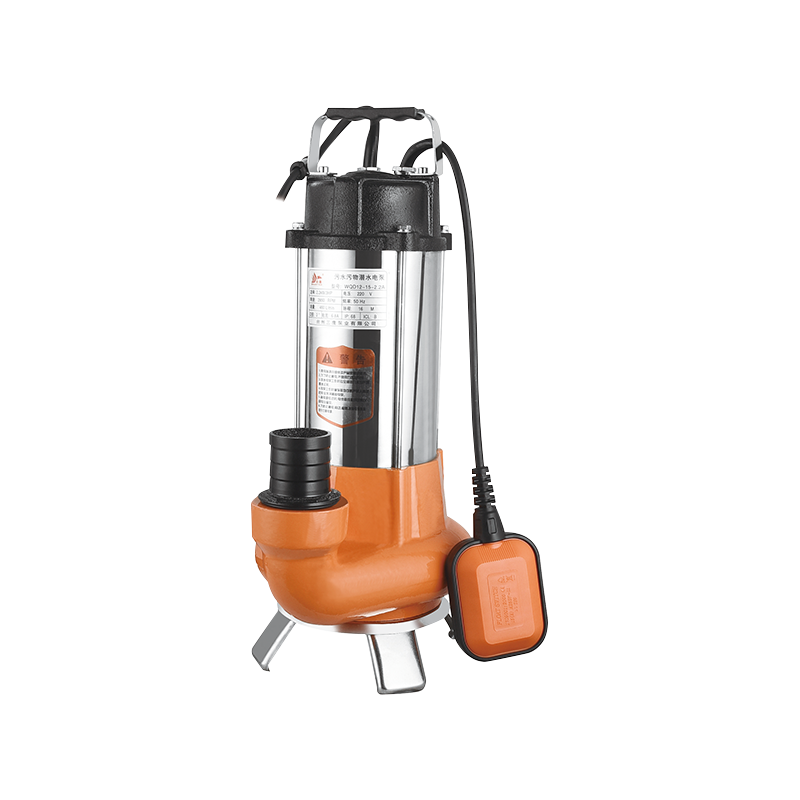
Selection starts with the wastewater rather than the equipment label. A clear description of what enters the system gives a better basis for choosing a suitable pumping arrangement.
The solid material deserves particular attention. Fibers, soft debris, mixed solids, and hard foreign objects do not behave alike. If long or flexible waste is common, cutting capability may be relevant. If the wastewater contains materials that should not enter the cutting area, other measures may be needed before pumping.
The discharge side also matters. Wastewater may need to travel through a relatively simple route or through piping with several changes in direction. The installation environment can introduce additional considerations, particularly where access for inspection is limited.
A practical selection review can look at:
- The type and physical form of solids
- How often solid material enters the system
- The condition of the wastewater
- The discharge route
- The installation environment
- Access for inspection and cleaning
There is no advantage in matching equipment to a generic application description while overlooking the actual waste stream. Two wastewater systems may appear similar but behave quite differently once the solid material, intake conditions, and discharge arrangement are taken into account.
The same point applies when an existing pump is replaced. Reviewing the reason for the previous operating problem can prevent the replacement from repeating the same mismatch.
What Maintenance Helps a Submersible Cutter Pump Run Reliably
Maintenance begins with knowing where material tends to collect. In a wastewater application, the intake and cutting area deserve regular attention because fibers and soft debris can gather there before an obvious blockage develops.
The cutting components should be inspected for wear, damage, and accumulated material during appropriate service work. A change in cutting condition may be gradual, so waiting for a complete loss of pumping performance can make the eventual repair more difficult.
The discharge side should not be overlooked. If the pump has been checked and the same flow problem remains, the connected piping may need inspection. Deposits or trapped debris can create restrictions that are easy to miss when attention is focused only on the equipment.
Operators can also pay attention to changes during routine use. A different sound, more frequent interruptions, unusual vibration, or a noticeable change in discharge behavior can provide an early indication that something has changed.
A straightforward maintenance routine can include:
- Inspecting the cutting area for accumulated waste
- Checking cutting surfaces for wear or damage
- Looking for wrapped fibers and similar debris
- Inspecting accessible sections of the discharge path
- Paying attention to changes in sound, vibration, and flow
- Cleaning affected areas according to the equipment requirements
The useful part of maintenance is not simply removing debris. It is recognizing why the material accumulated in the first place. If the same type of waste repeatedly gathers in one area, the wastewater conditions, intake arrangement, cutting condition, or discharge path may need a closer look.
Contact Us
Your email address will not be published. Required field are marked*


- Tel: +86-0576-89933666
- Mob: +86-18608118888
- FAX: +86-0576-89933668
- Email: [email protected]
- Add: Building 13, Zeguo Electronmechaical Entrepreneurship Park, Wenling City, Zhejiang Province, China
Please contact us and look forward to happy cooperation with you.
Copyright © Taizhou Shanying Pump Co., Ltd. All Rights Reserved.
 China Pump Supplier

