

 English
 中文简体
中文简体


Home · News · Industry News · Why Does a Brushless DC Solar Water Pump Lose Flow
Industry News
Why Does a Brushless DC Solar Water Pump Lose Flow
2026-08-14A reduction in water flow does not always mean that the pump itself has developed a fault. In a solar pumping system, the amount of water reaching the outlet can change for several reasons. The water level may be lower, the delivery route may have changed, or the available sunlight may not be the same as before. Pipe conditions and electrical connections can also affect what happens at the outlet.
This can make flow problems a little difficult to trace. The motor may still be running, while the water coming from the pipe is noticeably weaker. Instead of checking the pump alone, it is more useful to look at the complete path from the water source to the final outlet. Each part of that path can influence the result.
How Does Water Demand Affect Brushless DC Solar Water Pump Selection
The amount of water a system needs has a direct connection with pump selection. A setup supplying a small tank does not necessarily have the same requirements as one feeding several irrigation outlets. When the water demand changes, the original pumping arrangement may no longer behave in the same way.
For example, opening another outlet divides the available water between more destinations. Extending an irrigation line can also change how much water needs to be moved and how far it has to travel. These changes may be mistaken for a pump performance problem when the real issue is a change in the application.
It is worth checking what has changed around the system before making adjustments to the pump. Has another outlet been added? Has the water destination moved? Has the irrigation area been extended? Even a relatively small change in use can affect the flow at the final outlet.
| Change in the system | What may happen |
|---|---|
| More outlets are opened | Available water is divided between outlets |
| A delivery line is extended | Water has to travel farther |
| The outlet is moved higher | More lifting is required |
| The water destination changes | The delivery conditions may change |
The expected flow should therefore be considered together with the actual application. A pump that works well under one set of conditions may show a different result when the surrounding system is changed.
How Does Total Head Change Brushless DC Solar Water Pump Flow
The height that water needs to reach is another point worth checking. Water being moved from a lower source to a higher destination has a different pumping requirement from water being transferred between points at a similar level.
The delivery route matters as well. Water may need to pass through a long pipe before reaching a tank, irrigation line, or outlet. As the route changes, the conditions faced by the pump change with it. This is one reason a pump can produce a different flow after installation than it did during a simple test.
A useful check is to compare the current water route with the original arrangement. If the outlet has been raised, the storage tank has been relocated, or the pipe now follows a different route, those changes may help explain the lower flow.
The same point applies when a system is expanded. Adding another section of pipe or moving the destination farther away can alter the conditions without any visible change to the pump itself.
Rather than judging the pump only by whether the motor is running, the complete distance and height between the water source and outlet should be considered. This gives a more realistic view of why the water stream may have changed.
How Does Pipe Length Affect Brushless DC Solar Water Pump Output
The pipe route can have a noticeable effect on water delivery. Longer pipes give water a longer path to travel, while narrow sections, sharp turns, valves, and restrictions can make movement more difficult.
A change in flow after pipe work is therefore worth investigating from the pipe side first. A valve that is not fully open, a section that has become blocked, or a pipe that has been bent can reduce the amount of water reaching the outlet.
Leaks should also be considered. Water escaping through a connection or damaged section may not be obvious from the pump location. The pump can continue running while less water reaches the destination.
Air entering the line can create another issue. A loose connection on the intake side may affect the movement of water, particularly if the problem appears after installation or maintenance.
A simple inspection can focus on the route rather than the motor:
- Check whether the pipe has been changed recently.
- Look for restricted or damaged sections.
- Check valves and other flow-control points.
- Inspect joints for signs of leakage.
- Check whether air may be entering through a connection.
If the flow changed shortly after the pipe system was modified, the timing itself can provide a useful clue. It may be more productive to revisit the changed section than to replace the pump immediately.
How Does Solar Input Affect Brushless DC Solar Water Pump Speed
Solar pumping has one obvious difference from a conventional power supply: the available electrical input can change during operation. When sunlight changes, the pump may also operate differently.
A shaded solar panel, a change in panel position, or reduced exposure to sunlight can affect the power available to the pump. As the available input changes, the running speed may change as well, which can be reflected in the water flow.
This is why a system may produce a stronger stream at one point and a weaker stream later, even though the water source and pipe route have not changed. If the change in flow follows a change in sunlight, the solar side of the system deserves attention.
It is also useful to distinguish between a temporary change and a persistent one. A passing shadow may cause a short-term change in operation. If the flow remains weak under steady sunlight, other parts of the system should also be checked.
The solar panels, wiring, connections, and pump should be viewed as one electrical path. A problem anywhere along that path can affect how much usable power reaches the motor.
Why Does a Brushless DC Solar Water Pump Stop in Weak Sunlight
A reduction in sunlight can sometimes cause more than a simple decrease in flow. If the available electrical input becomes insufficient for stable operation, the pump may slow down or stop. When sunlight improves, operation may resume.
This can look like an intermittent pump fault because the same system may operate normally under brighter conditions. The timing of the problem is therefore important.
If the pump stops mainly when a nearby structure casts a shadow, the panel position and surrounding area should be checked. Trees, buildings, poles, or other objects can change the amount of sunlight reaching the panels as the sun moves.
The same principle applies when the pump starts and stops during changing weather. If the operating pattern follows changes in available sunlight, the power supply should be examined before assuming that the pump has a mechanical problem.
| Observed condition | Possible area to inspect |
|---|---|
| Flow changes as sunlight changes | Solar input |
| Pump stops during shading | Panel exposure |
| Pump restarts after sunlight improves | Available electrical input |
| Weak flow continues under steady sunlight | Water and pipe conditions |
Looking at when the problem occurs can often narrow the search. A pump that only stops under weak sunlight presents a different situation from one that stops regardless of the available solar input.
How Does the Controller Affect Brushless DC Solar Water Pump Operation
The controller sits between the solar power source and the pump and forms part of the operating system. Its condition and connections can therefore affect how the pump starts and runs.
An issue with the controller may appear as irregular starting, unexpected stopping, or changes in running behavior. These signs can be similar to symptoms caused by low solar input, which is why both areas need to be considered.
The electrical connections are worth checking as well. A loose connection or damaged cable can interrupt the power path. The solar panels may still be producing electricity, but the pump may not receive a steady supply.
Some systems also respond to abnormal operating conditions by stopping the pump. Repeatedly restarting the system without checking why it stopped may leave the underlying problem unresolved.
A sensible inspection starts with the connections and then considers whether the pump behavior changes under different solar conditions. This can help separate a controller or power issue from a restriction in the water system.
The controller should not be viewed separately from the rest of the electrical arrangement. Its behavior is connected with the available solar input and the way the pump operates under that input.
What Happens When a Brushless DC Solar Water Pump Runs Dry
The water source can be just as important as the electrical supply. If the water level drops below a suitable intake position, the pump may no longer receive water consistently.
This situation can occur in tanks, wells, reservoirs, or other sources where the water level changes during use. A pump may continue receiving electrical power even when the available water has become insufficient.
Air entering the intake can also interfere with water movement. A loose connection, an exposed intake, or an intake positioned too close to a changing water level can contribute to irregular flow.
The intake area should therefore be checked when flow becomes weaker after prolonged operation. If the water level has fallen, or if the intake is partially exposed, the cause may be related to water supply rather than pump output.
Material around the intake can create another restriction. Dirt or other particles may reduce the amount of water entering the system. A reduction that appears after continued use may justify an inspection of the intake and surrounding water source.
These checks are particularly useful when the pump appears to operate but the outlet does not receive a steady amount of water. The distinction between "the motor is running" and "water is entering the pump normally" is important when tracing a flow problem.
How Can You Match a Brushless DC Solar Water Pump to Your System
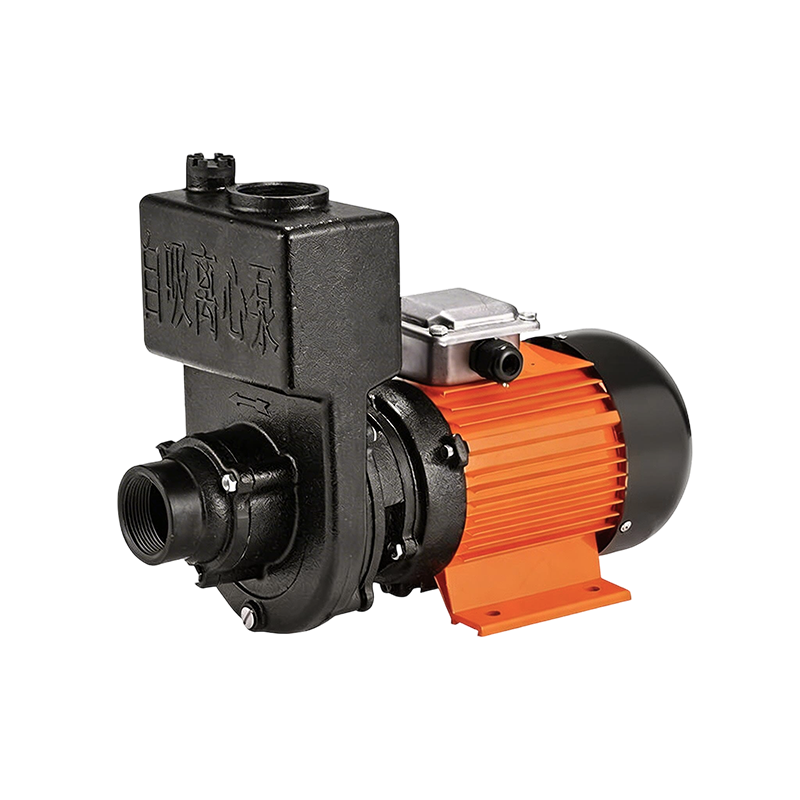
Once the possible causes have been considered, the system needs to be viewed as a complete route rather than a collection of separate parts. Water demand, lifting height, pipe arrangement, solar input, controller operation, and water availability all influence the final flow.
A practical inspection can move through the system in order. Start with the water requirement and check whether the application has changed. Then look at the height and distance the water needs to travel. After that, inspect the pipes, valves, joints, and intake.
If the water side appears normal, attention can move toward the solar panels, wiring, and controller. Comparing pump behavior with changes in sunlight can be particularly useful when the flow varies at different times.
This approach also helps when selecting a pumping arrangement for a new installation. The pump should be considered alongside the water source, delivery route, expected use, and available solar input rather than as an isolated component.
When these conditions are considered together, a reduction in flow becomes easier to trace. The cause may be related to the water source, pipe route, solar supply, controller, or the way the system is being used. For applications requiring a suitable pumping arrangement, these operating conditions can also be discussed with manufacturers such as Taizhou Shanying Pump Co., Ltd., with the actual system requirements kept at the center of the selection process.
Contact Us
Your email address will not be published. Required field are marked*


- Tel: +86-0576-89933666
- Mob: +86-18608118888
- FAX: +86-0576-89933668
- Email: [email protected]
- Add: Building 13, Zeguo Electronmechaical Entrepreneurship Park, Wenling City, Zhejiang Province, China
Please contact us and look forward to happy cooperation with you.
Copyright © Taizhou Shanying Pump Co., Ltd. All Rights Reserved.
 China Pump Supplier

