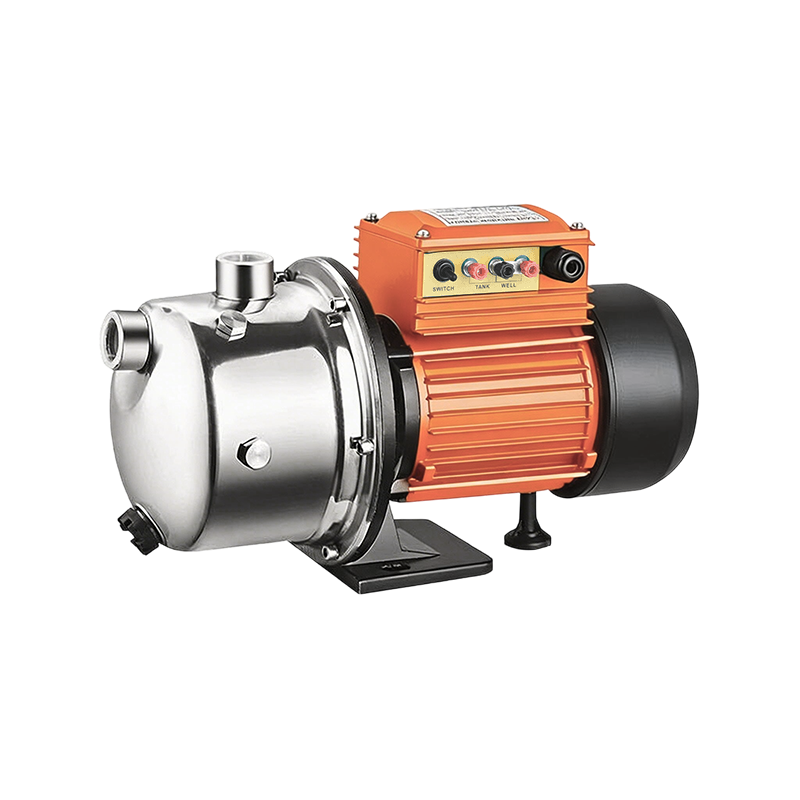
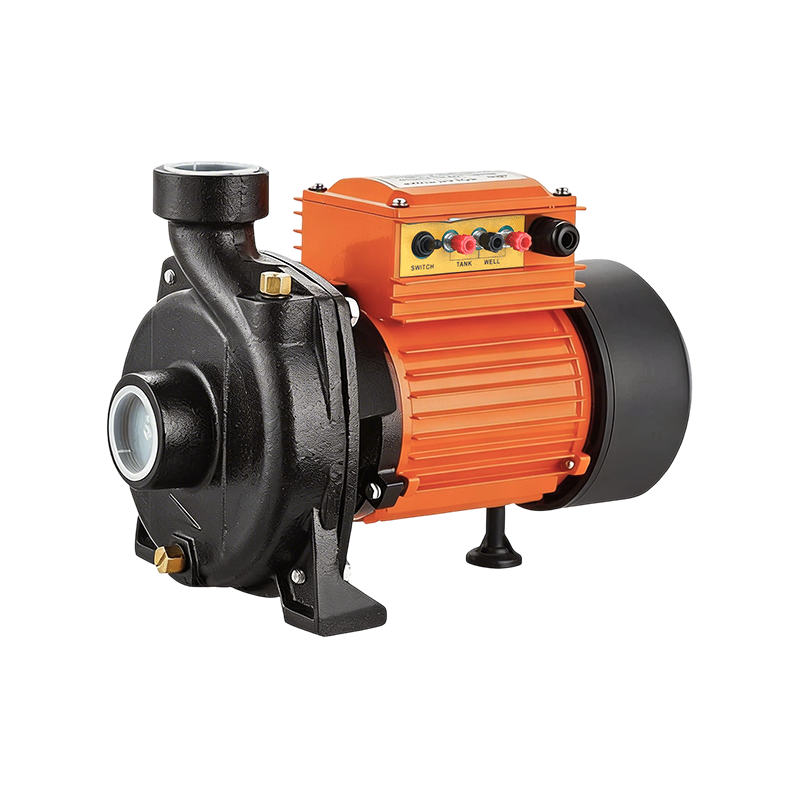
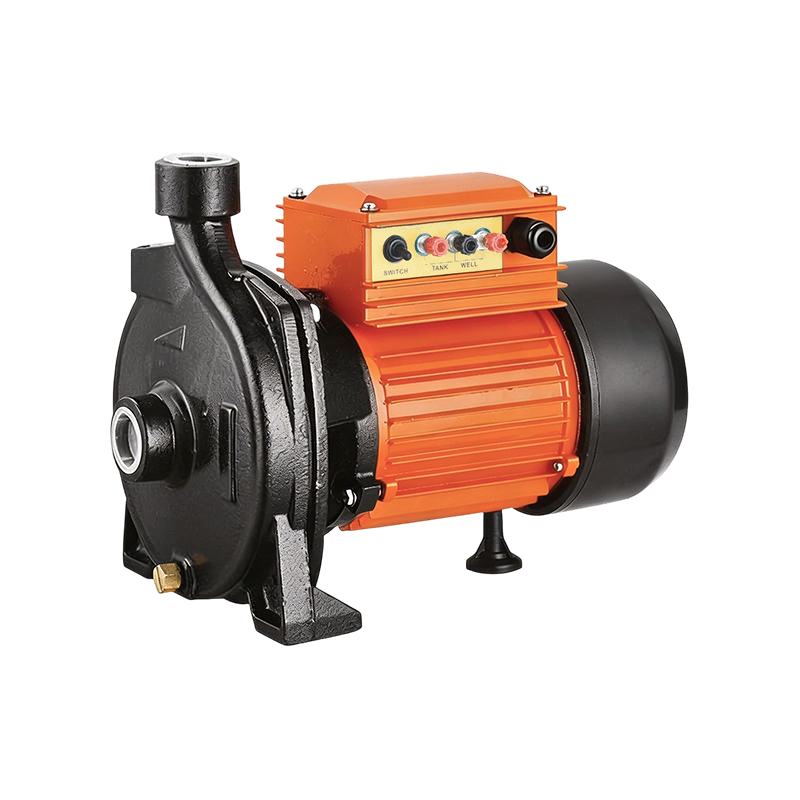
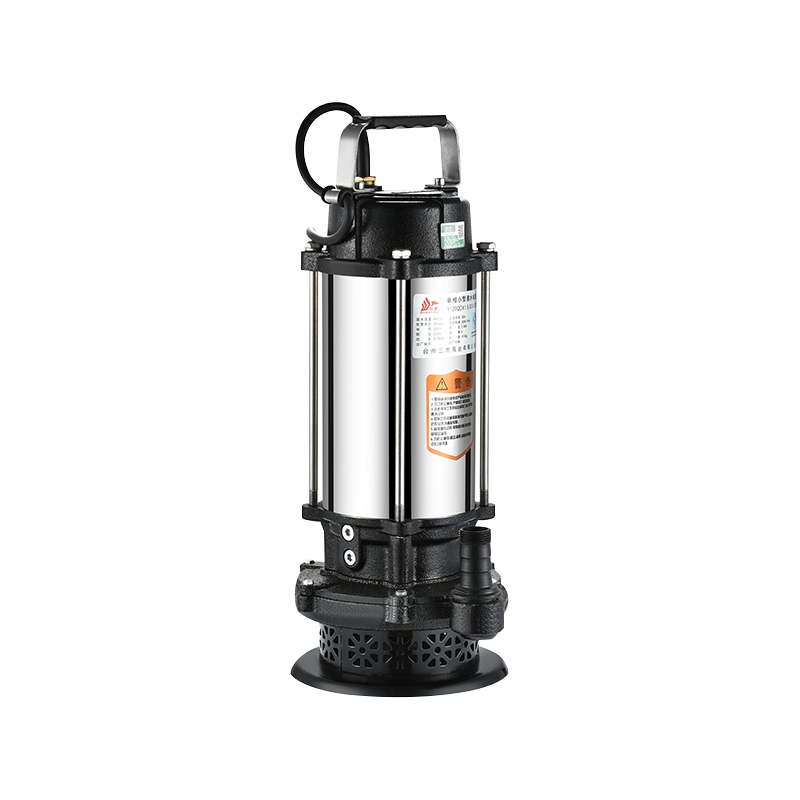
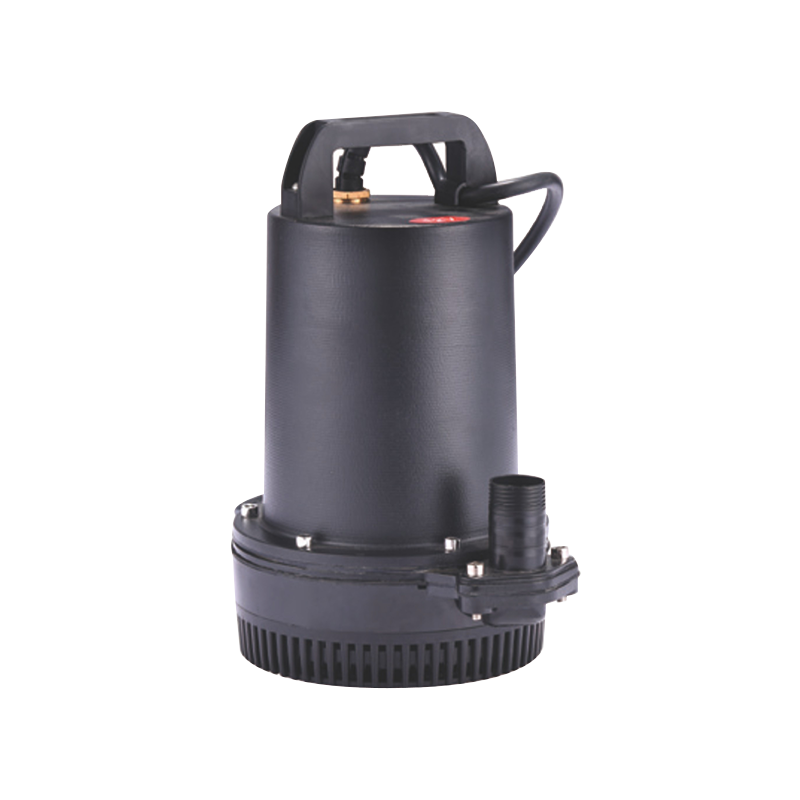
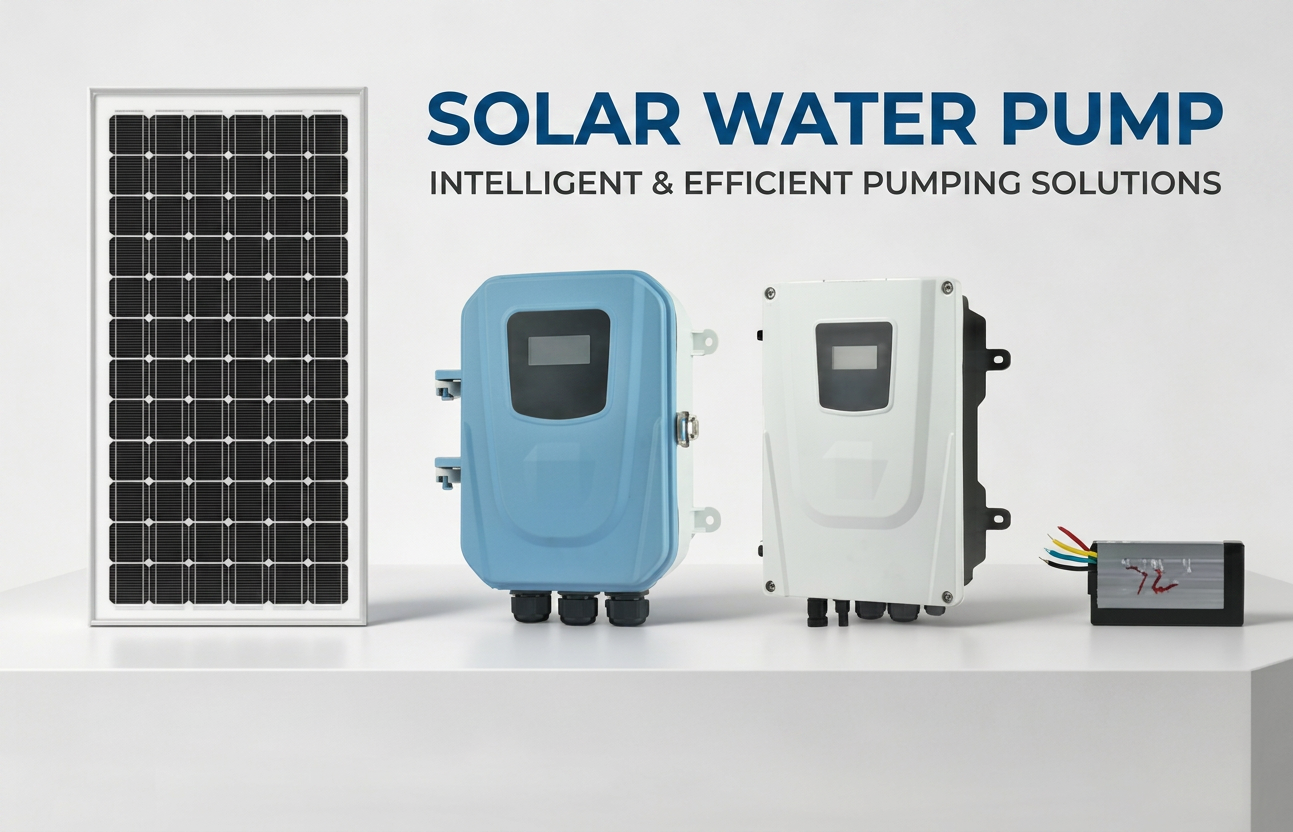
Getting the selection right means looking at hydraulic needs and solar power conditions together — not picking a pump based on looks, rated power alone, or a general product label.
1. Confirm the Water Source
Everything starts with pinning down exactly where the water is coming from — a deep well, shallow well, river, pond, storage tank, reservoir, or some underground collection point.
Details worth nailing down:
- How deep the water sits
- The static water level
- How that level shifts once pumping starts, also known as dynamic level
- The distance between source and outlet
- How the water level changes across seasons
- How clean the water actually is
- Whether sand or particles are present
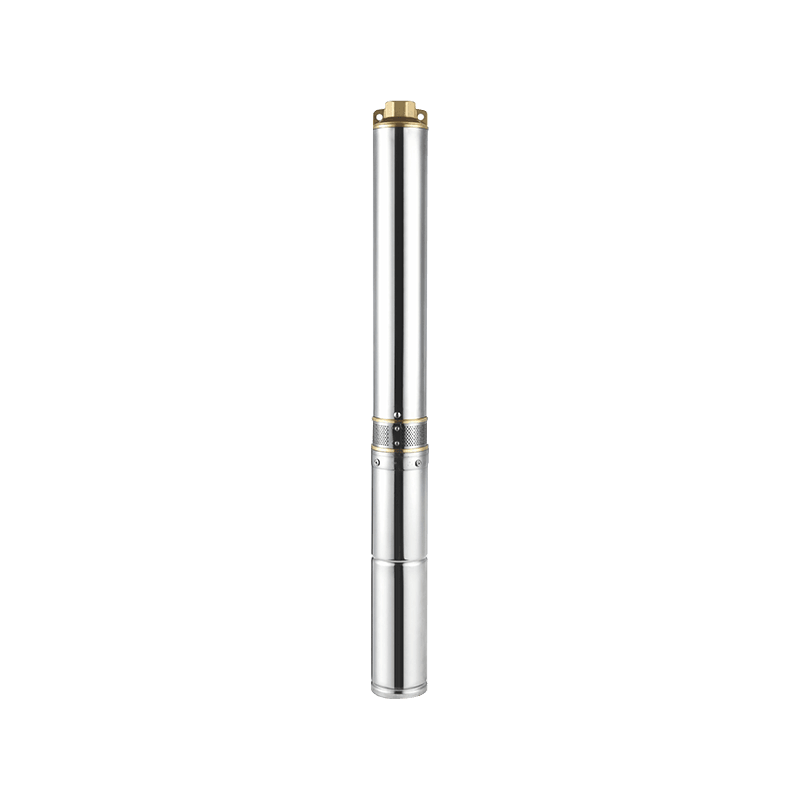
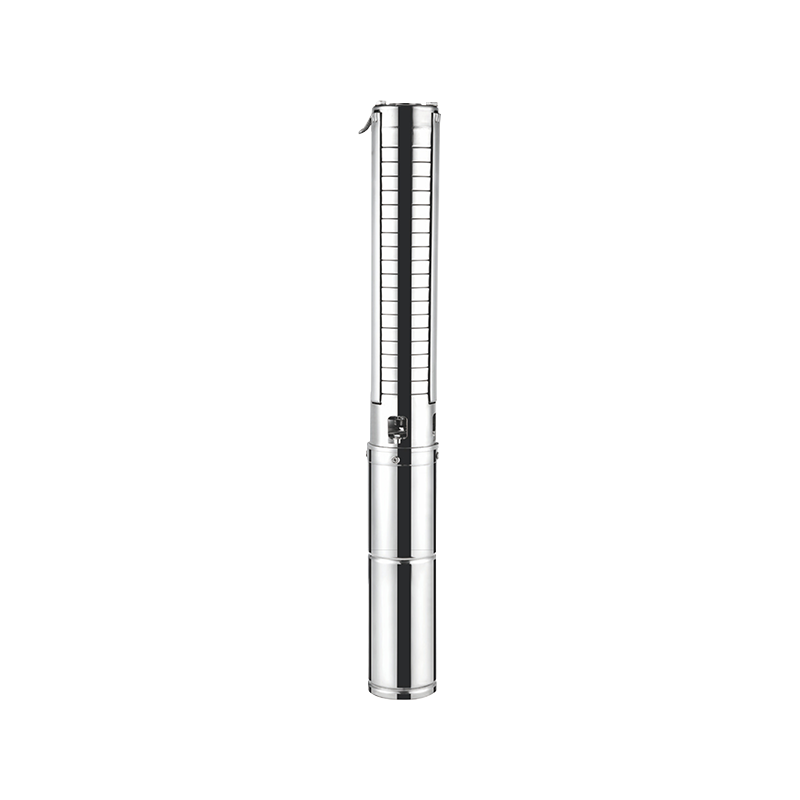
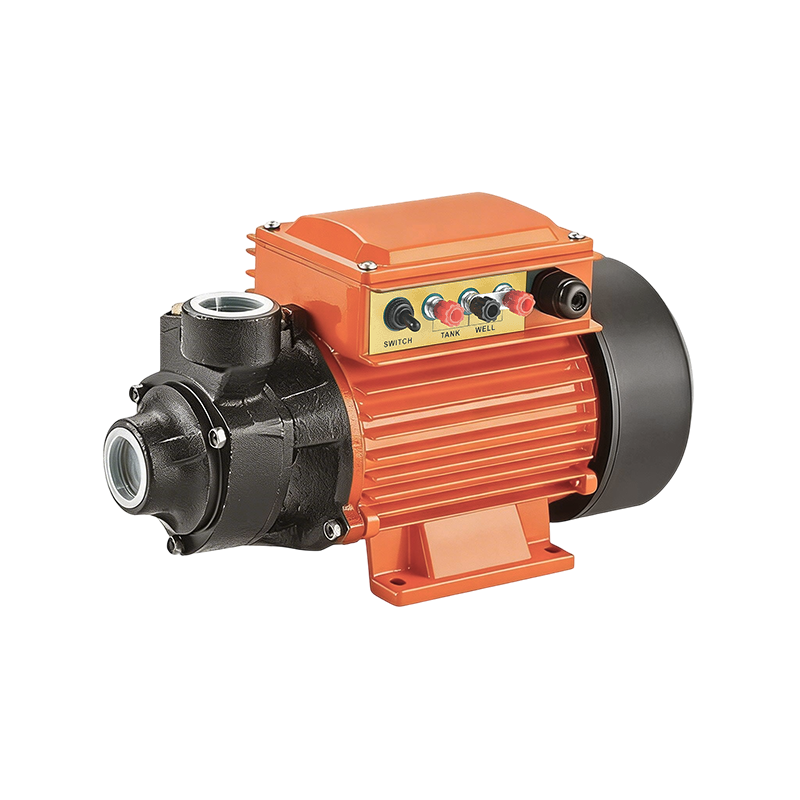
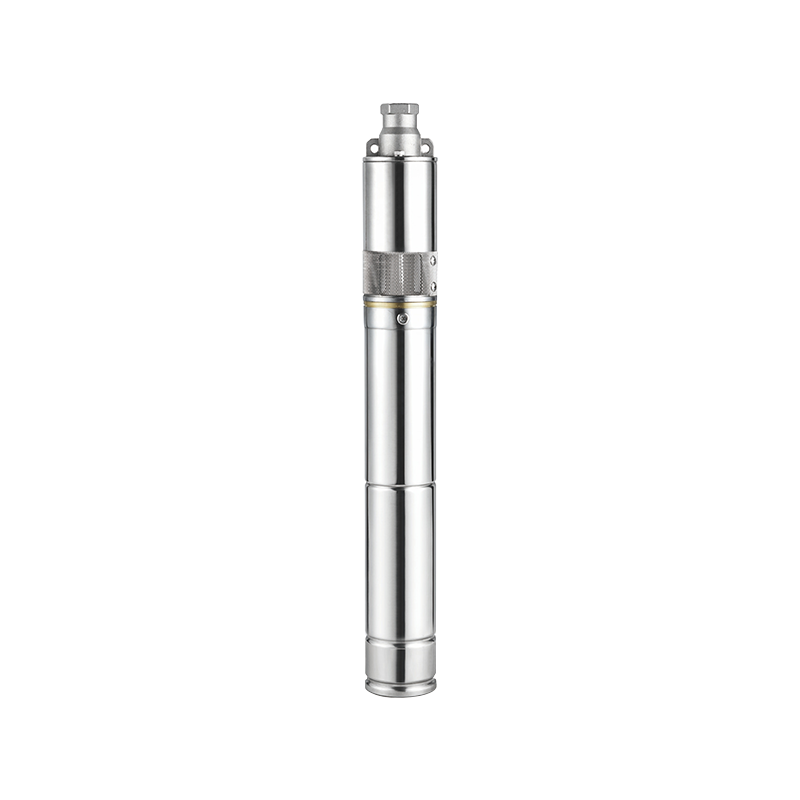
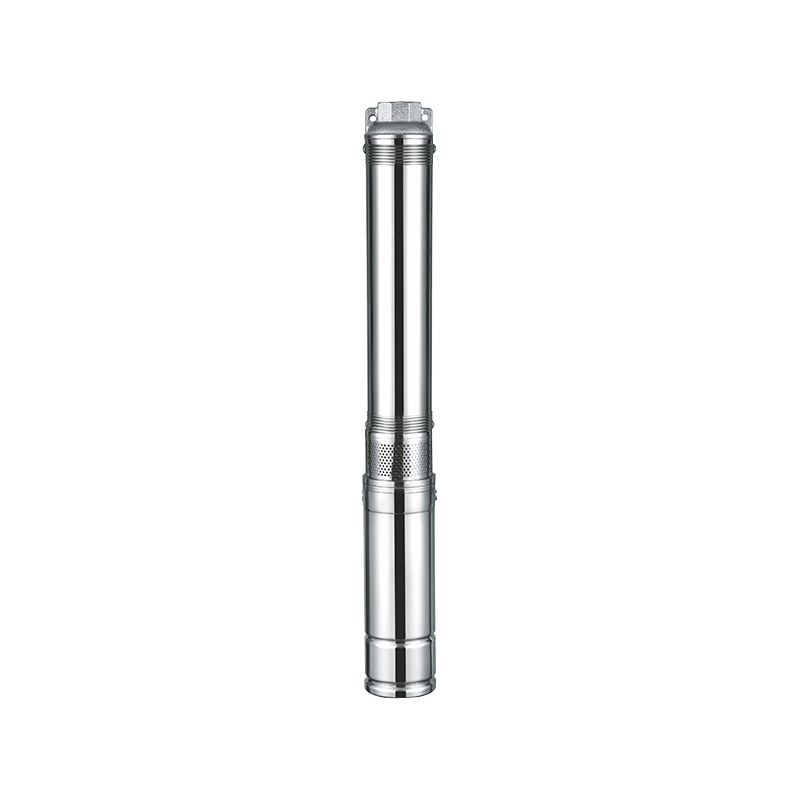
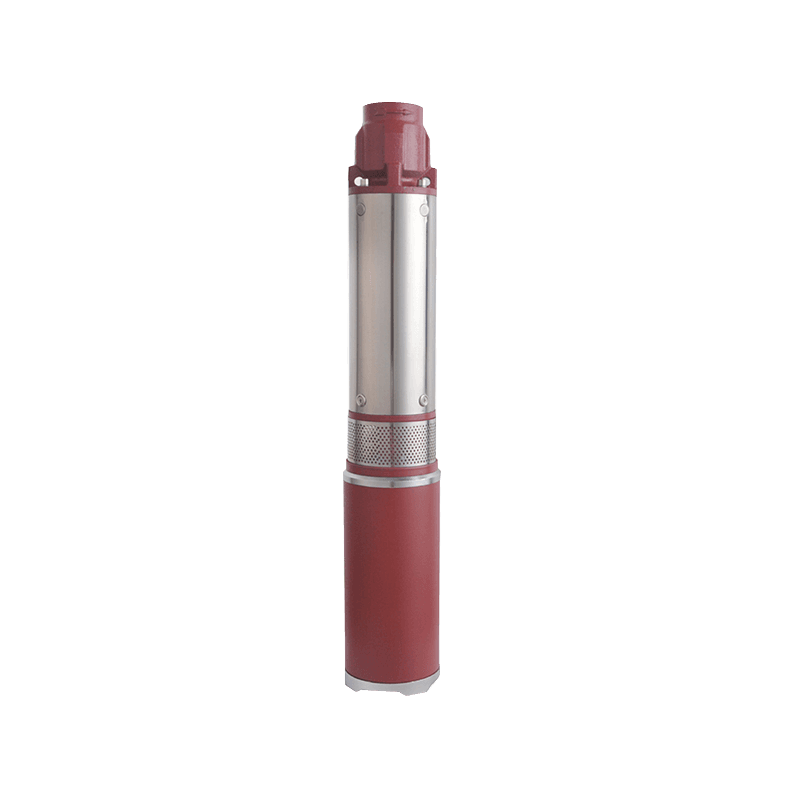
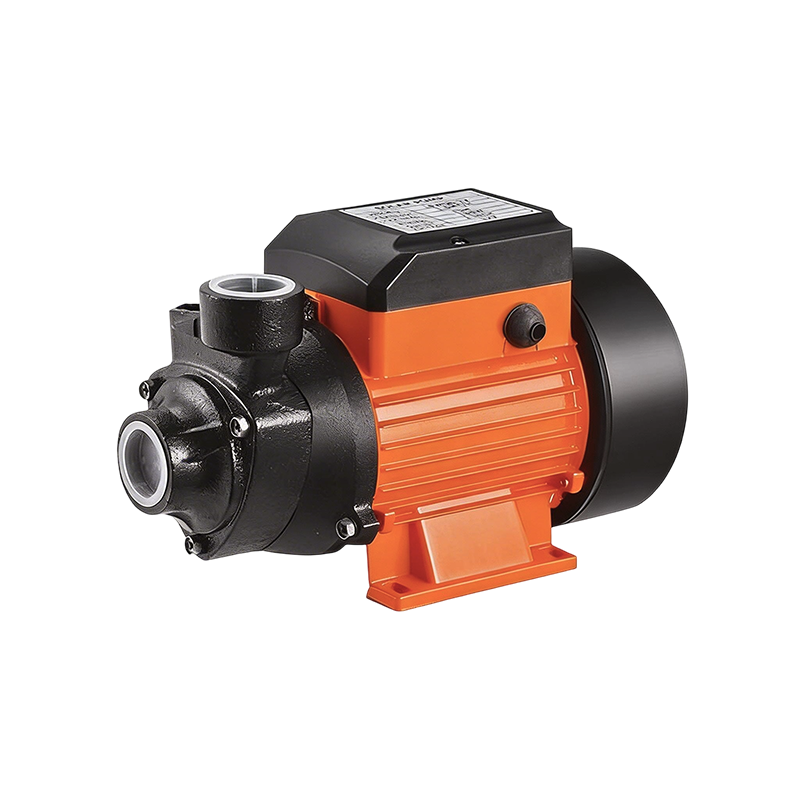
Deep wells usually point toward a solar submersible pump. Surface water transfer, on the other hand, often calls for a surface pump or self-priming design instead, depending on suction height and how the pipeline is laid out.
2. Calculate Flow Demand
Flow rate is really just a measure of how much water the pump can push through within a given stretch of time — and what that number needs to be depends entirely on the job at hand.
Irrigation flow demand ties back to crop type, how much land needs watering, the watering method in use, and how many hours the pump runs each day. Livestock watering needs flow that matches herd size and available storage capacity. Household or facility supply, meanwhile, comes down to daily consumption patterns and peak usage moments.
Set the flow too low, and daily water needs won't get met. Set it far higher than necessary, and energy use and system costs climb without much benefit to show for it.
3. Determine Total Pump Head
Total head sits near the top of the priority list when picking a pump — it wraps together vertical lift, friction loss along the pipeline, whatever outlet pressure is required, and the extra resistance created by elbows, valves, filters, and sheer pipe length.
A thorough head calculation should account for:
- The vertical distance between water level and outlet
- How far the pipe runs horizontally
- Pipe diameter
- How many elbows and valves sit along the route
- Required discharge pressure
- Friction loss building up inside the pipeline
Get this calculation wrong, and the result tends to be weak water output, shaky operation, or a pump running well below its actual efficiency.
4. Evaluate Sunlight Conditions
How well a solar pump performs comes down almost entirely to the sunlight it actually gets — which means the installation site needs a proper sunlight assessment before anything else gets decided.
Factors worth checking:
- Average sunshine hours across a typical day
- How much weather varies by season
- Shading from nearby trees, buildings, or terrain
- The angle at which panels get installed
- How much space is actually available for solar modules
- Dust or other environmental factors that might affect panel performance
Where sunlight runs limited or unpredictable, the system may need extra panel capacity, additional water storage, battery backup, or some form of auxiliary power built in.
5. Decide Whether Storage Is Needed
A lot of solar pumping setups lean on water storage rather than battery storage. The pump fills a tank while the sun's out, and that stored water gets distributed later — either by gravity or through some secondary distribution method.
Water storage tends to fit well with:
- Scheduled irrigation
- Livestock drinking systems
- Remote household supply
- Rural water points
- Situations needing water in the evening or early morning
Battery storage becomes worth considering when the pump absolutely has to run outside daylight hours — though that route brings more components into play and more maintenance along with it.
6. Review Controller Functions
The controller is what keeps a solar pump running steadily — it regulates incoming power and shields the pump as sunlight and load conditions shift throughout the day.
Controller features worth having:
- MPPT solar energy management
- Dry-run protection
- Low-water protection
- Overload protection
- Undervoltage and overvoltage protection
- Automatic stop and restart
- Fault display or status indication
These functions go a long way toward cutting operating risk and keeping outdoor systems manageable without constant intervention.


 English
 中文简体
中文简体