Model Interpretation:
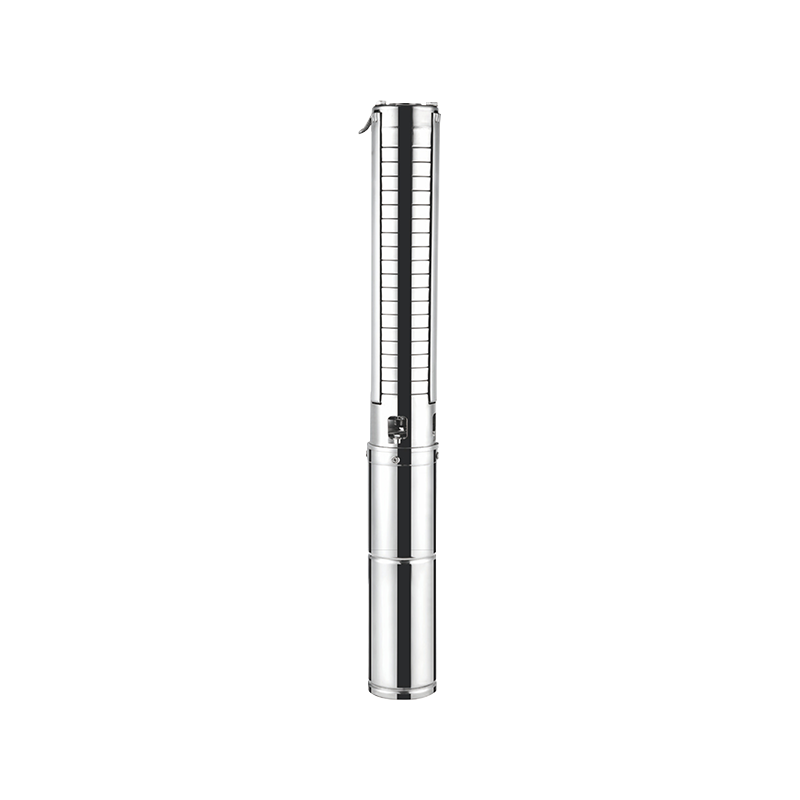
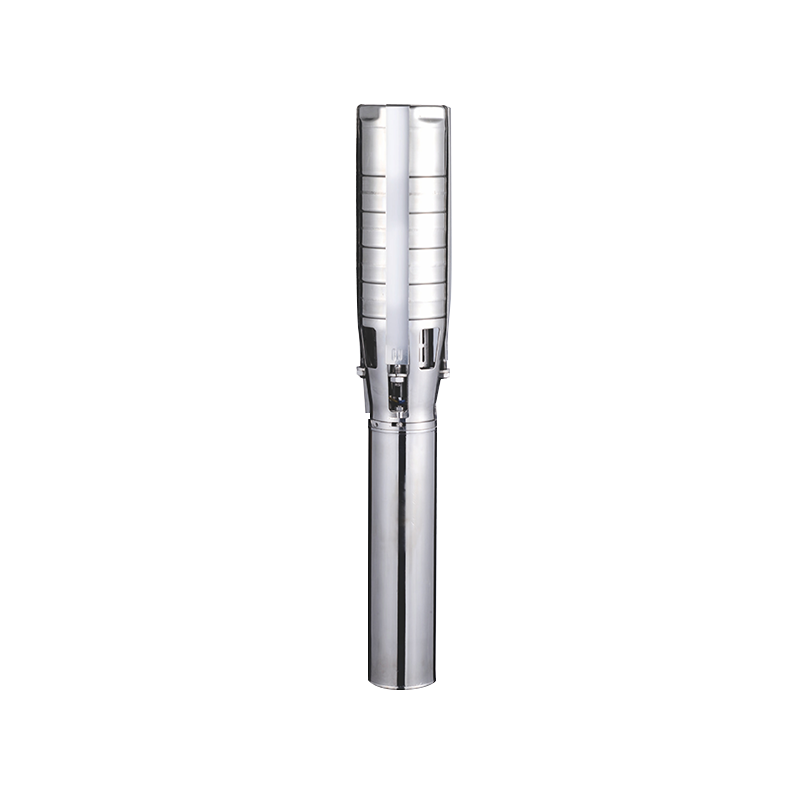
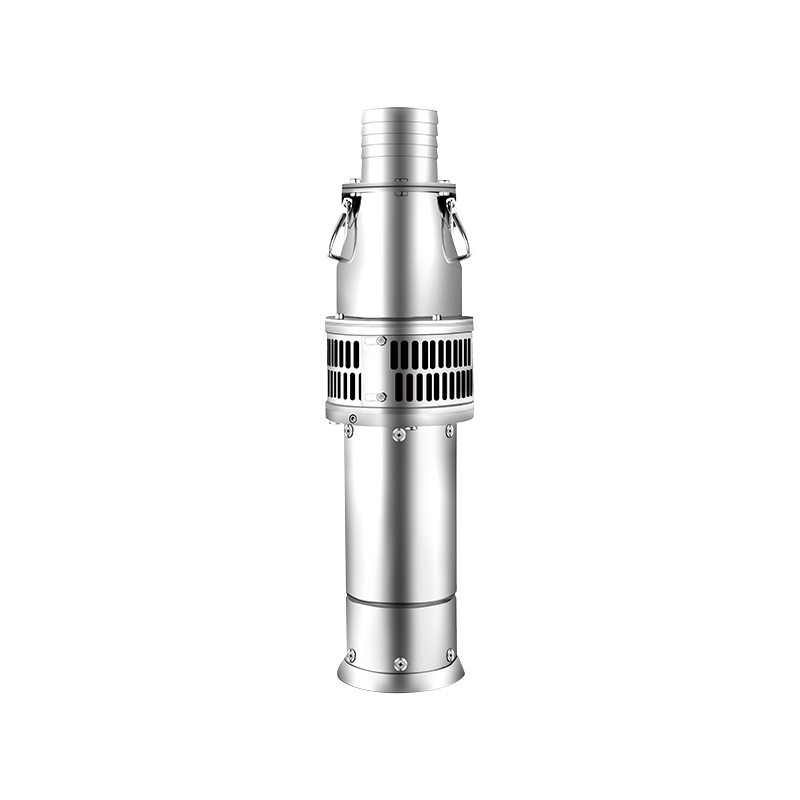
4/6: Represents the pump body diameter (4 inches ≈ 100mm, 6 inches ≈ 150mm), determining the size of the well it can fit into.
P: Usually stands for "Pump" or "Pressure".
II: Represents the second-generation structure or multi-stage structure.
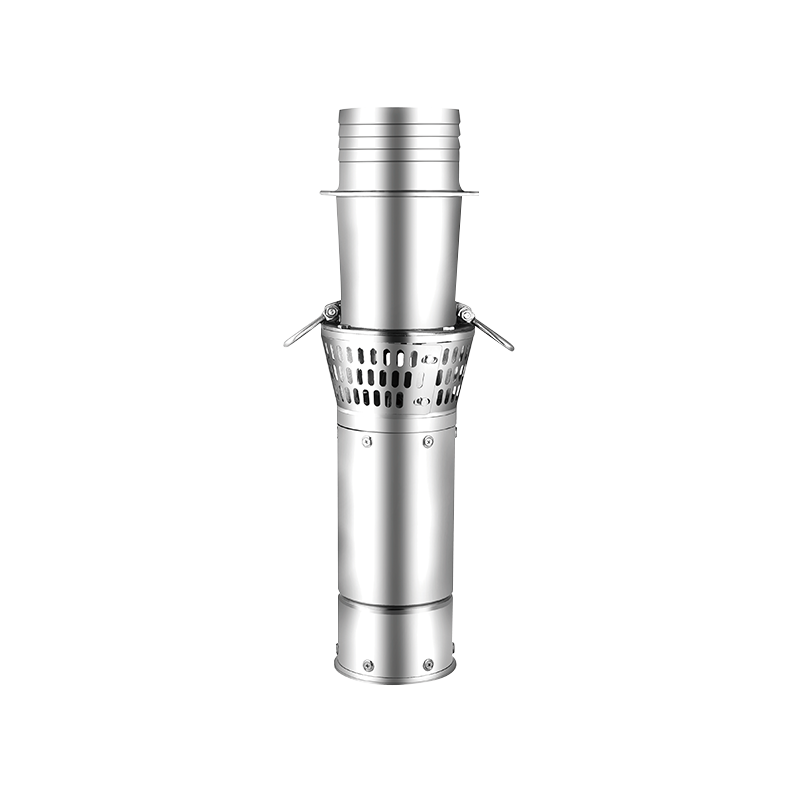
Material: All stainless steel impeller and diffuser (usually 304 or 316 stainless steel).
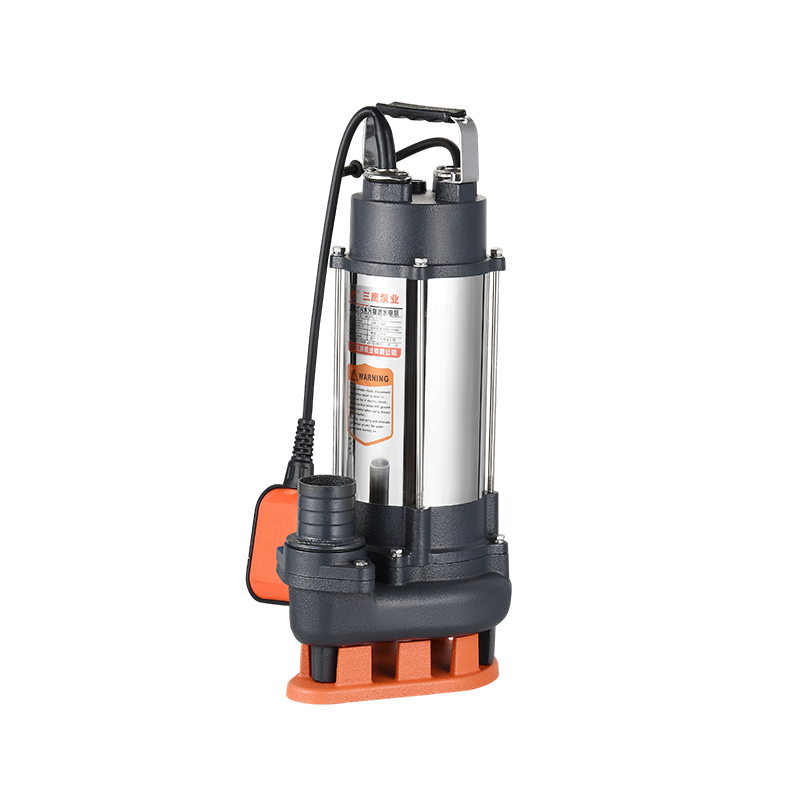
Core Form: Multi-stage centrifugal submersible pump.
Core Difference: The biggest difference from the 4LCII series is the impeller material. The 4PII/6PII series abandons plastic impellers and uses metal impellers, significantly improving hardness, wear resistance, and temperature resistance.
Core Working Principle: All-metal multi-stage pressurization
The working logic of the 4PII/6PII series is "robust, durable, and pressure-resistant":
All-metal hydraulic components: The impellers and diffusers through which the water flows are precision-cast from stainless steel. This not only increases hardness but also completely eliminates the problems of plastic aging and metal corrosion.
Multi-stage high pressure: Similar to the 4LCII, it also uses multi-stage impellers in series, which can generate extremely high head (easily exceeding 100 meters).
Sand and wear resistance: The hardness of stainless steel is far greater than that of plastic. In water containing trace amounts of sand, the wear rate of stainless steel impellers is extremely low, while plastic impellers may be worn through.
Core Features: Hardcore material, corrosion resistance, wear resistance
Feature Detailed Description
All Stainless Steel Material Core advantage. Corrosion resistant, rust-proof, high hardness. Even in water containing trace amounts of chlorides, salts, or with abnormal pH levels, it can work stably without cracking like plastic pumps or rusting and seizing like ordinary cast iron pumps.
Extremely Strong Wear Resistance Very suitable for well water containing trace amounts of sand. Although we still recommend pumping clean water, in practical applications, stainless steel pumps have a much higher tolerance for small sand particles in the water than plastic pumps, resulting in a longer lifespan.
High Head/High Power: The large-diameter design of the 4PII and 6PII allows them to be equipped with higher-power motors, suitable for deeper wells (100-300 meters) and higher flow rate requirements.
Food-Grade Safety: The stainless steel material is non-toxic and odorless, and will not release harmful substances. If the water you are pumping is for drinking, brewing, or food processing, the PII series is a safer choice than plastic pumps.
Typical Application Scenarios
The PII series is the preferred equipment for drinking water sources, harsh environments, and long-term investments:
Drinking Water Deep Wells:
Used for drinking water extraction in homes and villages. The all-stainless steel material ensures the purity of the water and prevents "plastic taste" or "rust taste."
Highly Corrosive Water Quality:
If the well water contains high levels of minerals, salts, or chemicals (such as brackish water), plastic pumps may corrode and age, and only stainless steel pumps can handle it.
Long-Term Unattended Projects:
Used in long-term water supply systems for mines, railways, and large farms. Because stainless steel pumps require almost no maintenance, they are suitable for "install once, forget for ten years" scenarios.
High-Temperature Water Pumping:
Although submersible pumps usually have temperature limitations, the heat resistance of stainless steel is generally better than that of plastic. When pumping hot spring water or industrial hot water (within the allowable temperature range), it is more stable than plastic pumps.
Selection and Usage Suggestions
Higher Cost:
Due to the use of a large amount of stainless steel material, the price of the PII series is usually 1.5 to 2 times that of plastic impeller pumps (4LCII). If you are only temporarily pumping clean water for irrigation, it may seem like "overkill."
Heavier Weight:
Stainless steel is much heavier than plastic. Stronger cables and lifting equipment are required for installation and maintenance.
Anti-Seizing:
Although stainless steel is very hard, if the well water contains a large amount of sand, the sand particles will fill the space between the impeller and the guide casing, causing the pump body to seize (shaft locking). In wells with a large amount of sand, sometimes "softer" plastic is more advantageous than "hard" metal (plastic is elastic), so screw pumps (3LSIS/4LSIS) should be considered first in wells with a large amount of sand.
The 4PII/6PII series are the "aristocrats" among solar water pumps. It sacrifices some cost-effectiveness in exchange for the highest level of safety, strongest corrosion resistance, and longest service life. If you need to drink high-quality water or draw water from harsh water sources for extended periods, this pump is the irreplaceable best choice.


 English
 中文简体
中文简体