Home · Products · Solar Water Pump

China Solar Water Pump

Contact us

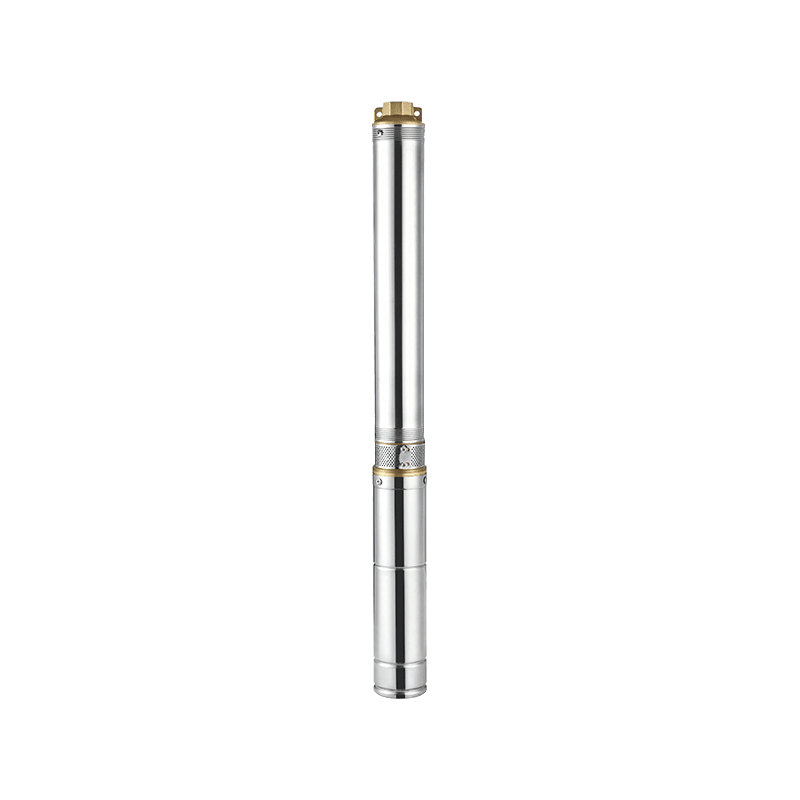
Solar Water Pump

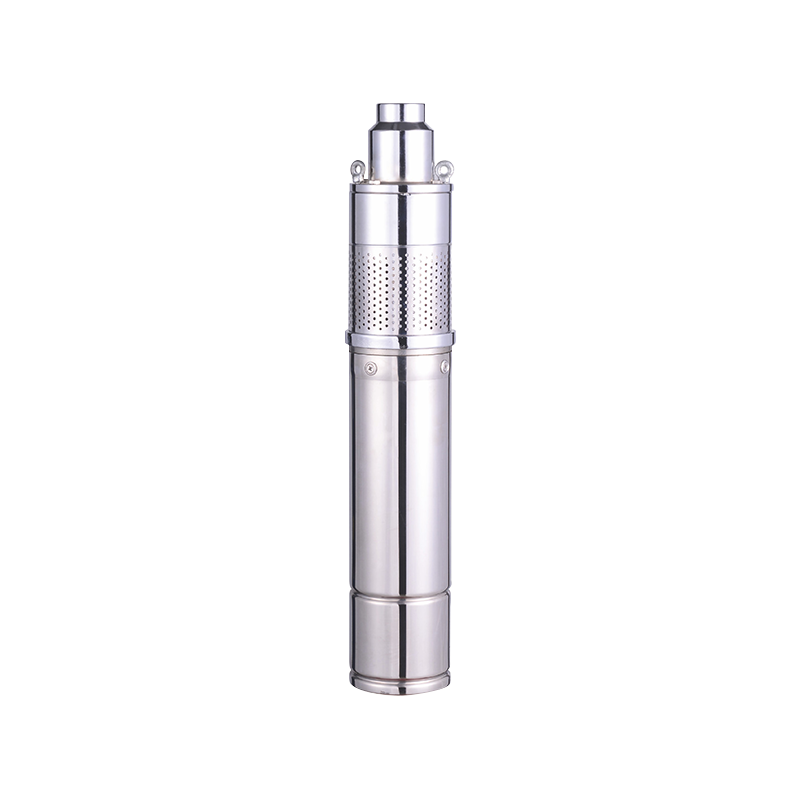
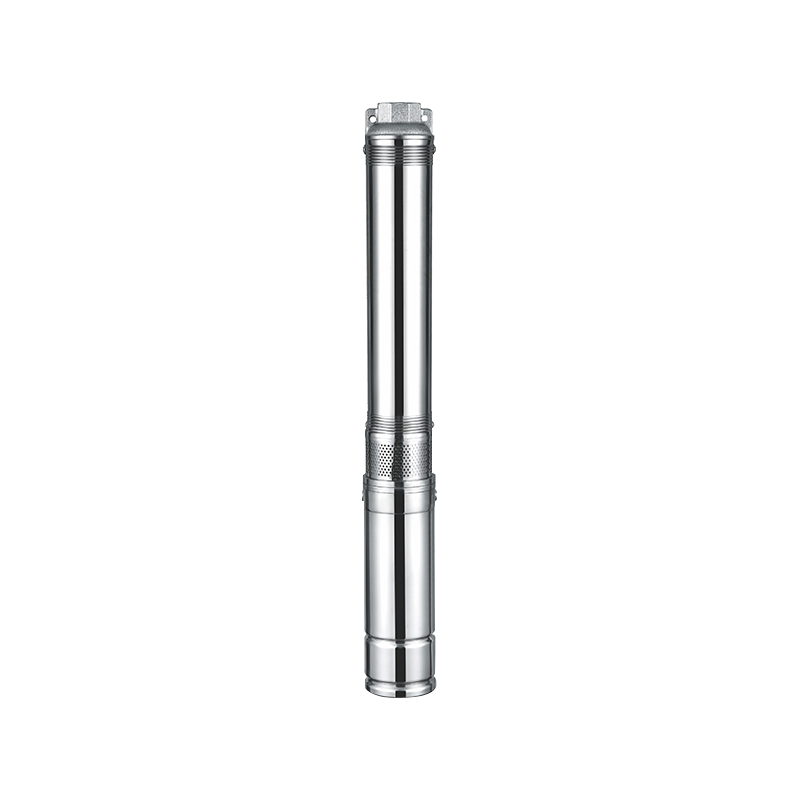
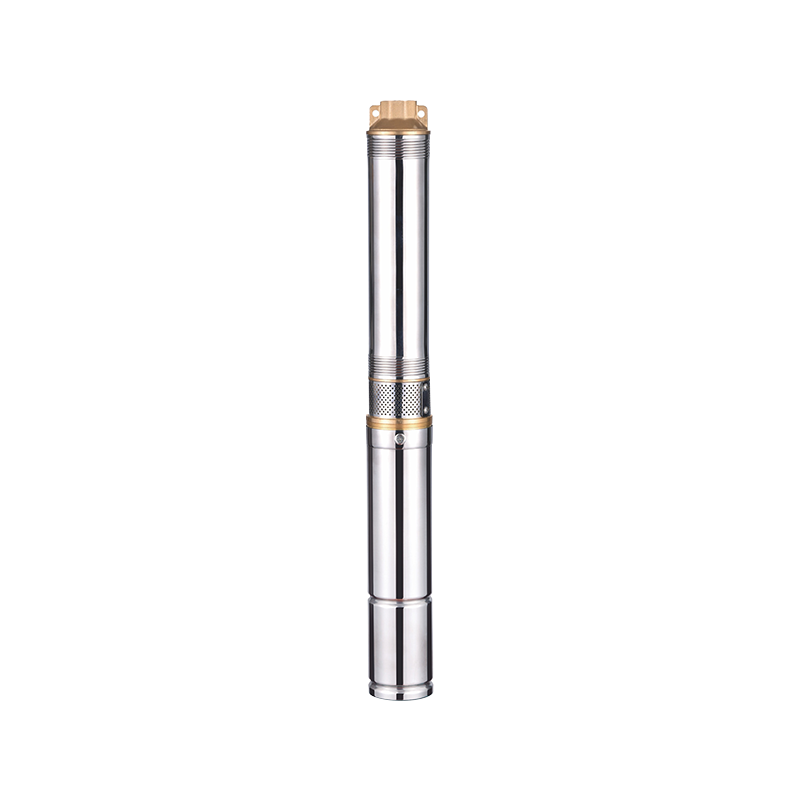
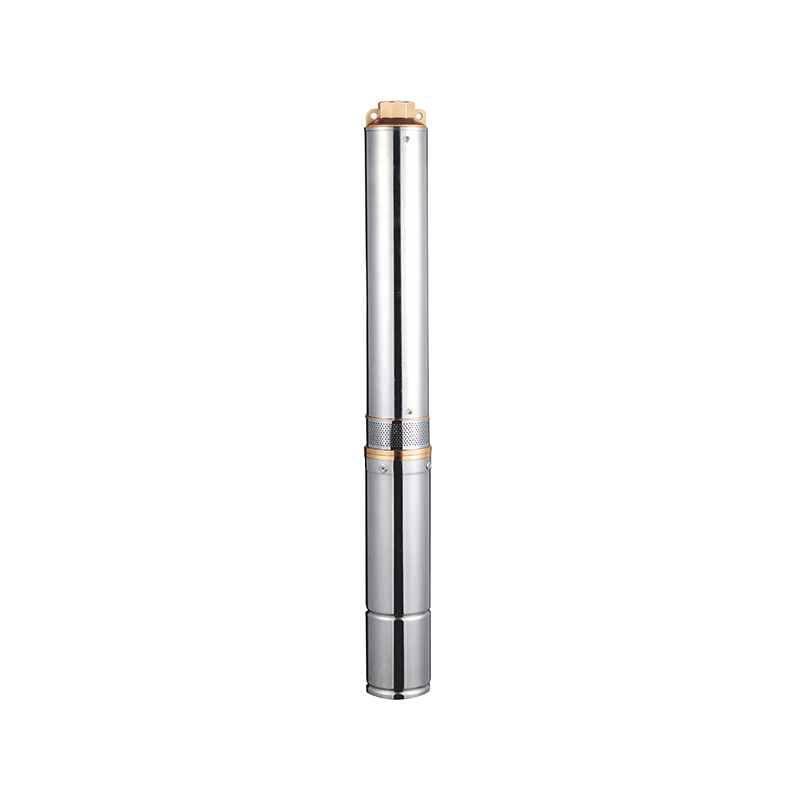
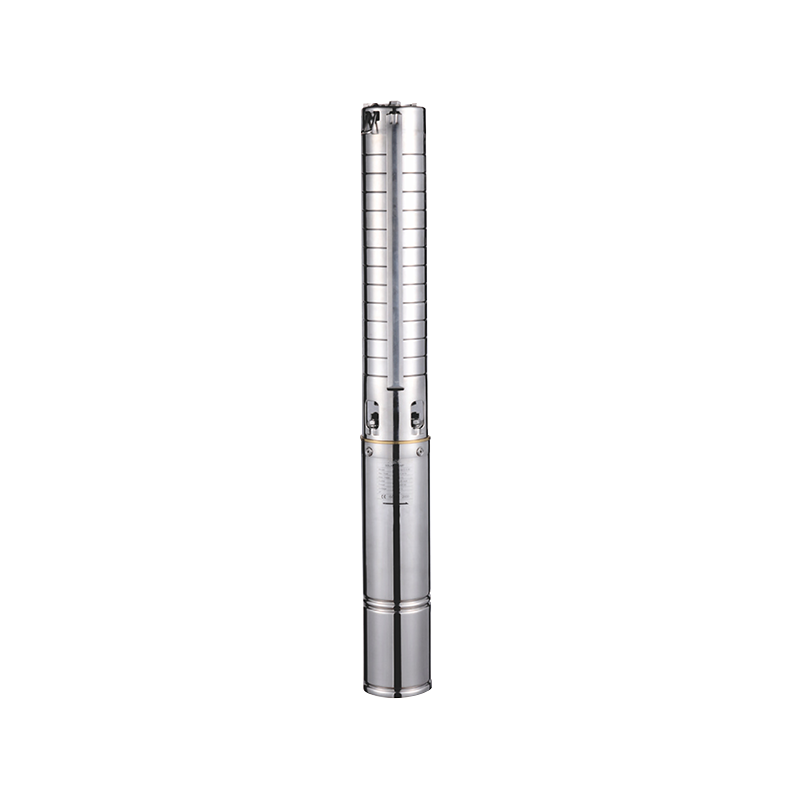
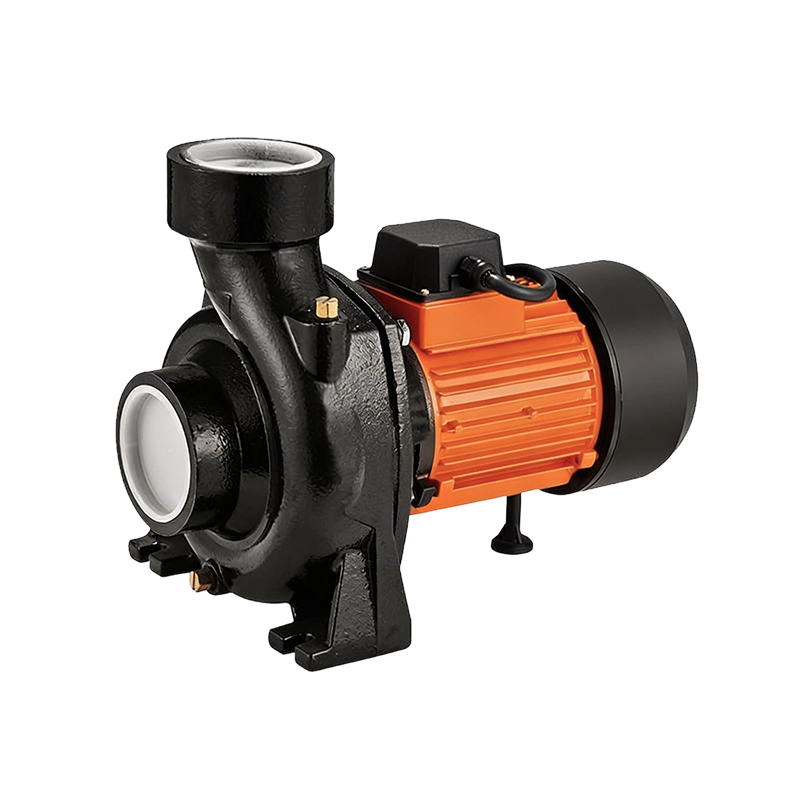
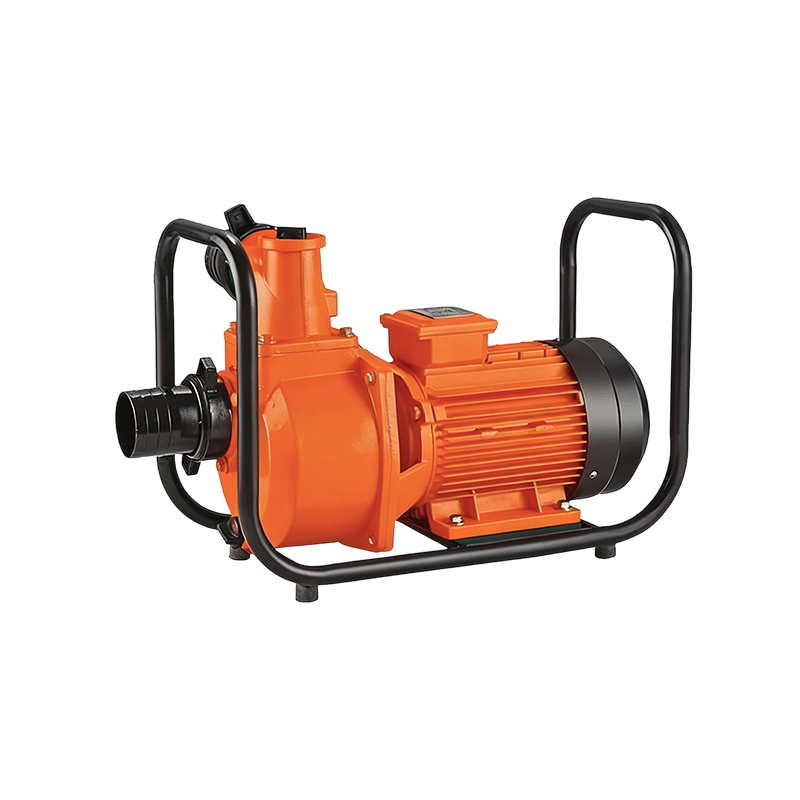
What powers a solar-driven water pump is basically sunlight — photovoltaic panels catch that energy and convert it into the electricity needed to keep the pump running. This setup works especially well in spots where regular grid power either isn't available or tends to cut out unpredictably. Since these pumps don't burn fuel and cost relatively little to keep running, they've become a common sight on farms handling irrigation, in remote settlements needing a water source, and on properties where livestock need a steady water supply.

Main advantages:

Doesn't depend on grid electricity at all, which makes it well-suited to areas that are hard to reach

Runs on renewable power, keeping things environmentally friendly and cutting down on emissions

Operating expenses stay low, and the savings really add up the longer the pump stays in use

Built simply enough that upkeep stays easy, while still holding up dependably over time

Message Feedback
About
Taizhou Shanying Pump Co., Ltd.

Taizhou Shanying Pump Co., Ltd. is a solar water pump manufacturer with product development, production, sales, and service. The company has a state Class B standard pump testing center, and actively implements the ISO9001 quality assurance system.

Because of our solar water pump for irrigation products with stable quality, energy efficient, safe and reliable, and reasonable prices, favored by the users. Products are widely used in construction, firefighting, environmental protection, drainage, HVAC, and household.

News

Solar Water Pump Selection Guide for Agriculture, Livestock, and Remote Water Systems

Solar water pumps exist for one core reason: they let sunlight do the work of keeping water moving on a daily basis, without needing to lean entirely on grid electricity. Photovoltaic panels catch that sunlight and turn it into electrical power, which then drives the pump as it pulls water out of wells, tanks, ponds, reservoirs, rivers, or whatever source happens to be available on-site. That flexibility is exactly why these systems show up so often in farmland irrigation, livestock watering, remote water delivery, garden irrigation, and off-grid water setups generally.

For engineering teams, agricultural operations, and water supply projects working overseas, choosing a solar-powered pump isn't just about cutting energy use — though that matters too. The bigger win is solving water access problems in places where the power grid barely reaches, keeps cutting out, or would simply cost too much to extend. Get the system properly matched to the site, and water delivery stays reliable while daily operation stays manageable.


Understanding How a Solar Water Pump Works

Solar Water Pump

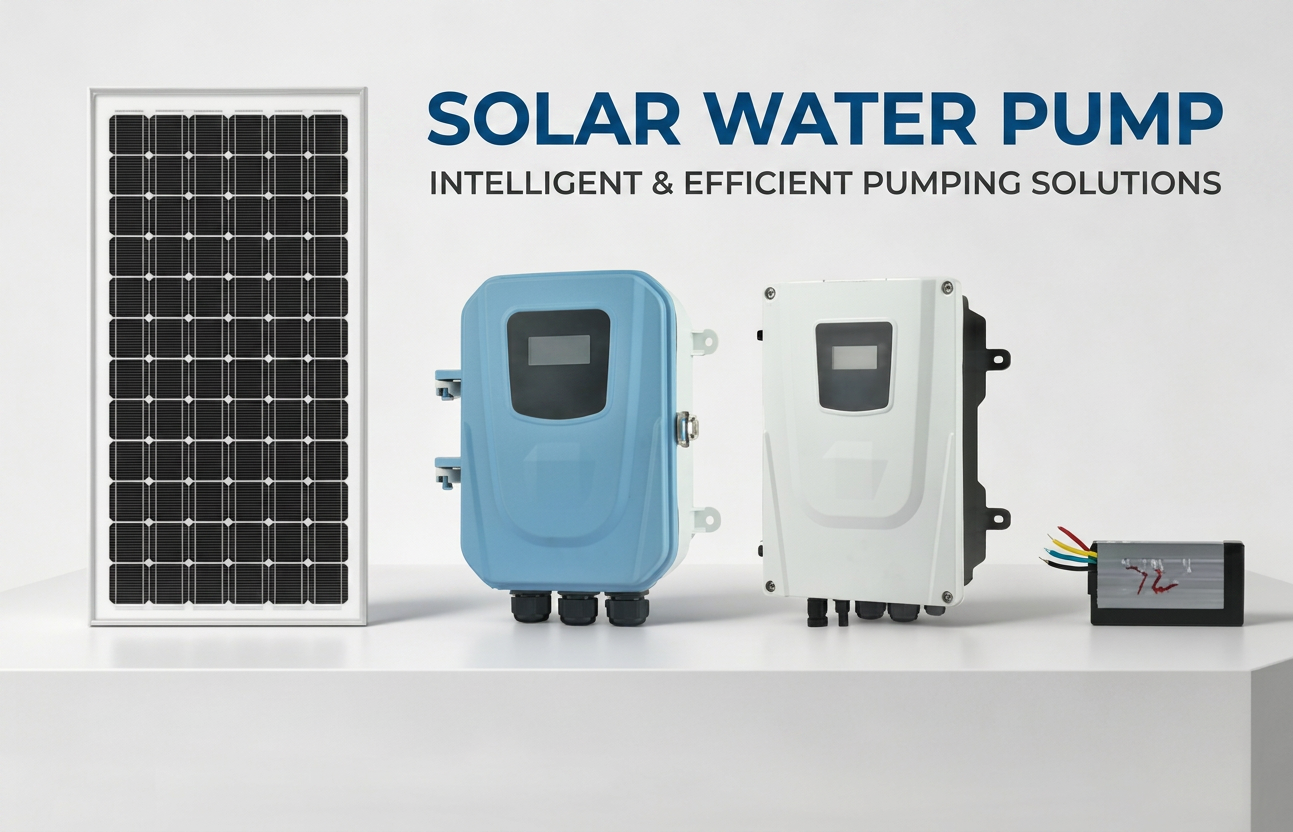
A solar water pump never works in isolation — it's one piece of a larger pumping setup. That setup typically brings together solar panels, a controller or inverter, the pump itself, cabling, pipework, valves, and sometimes a storage tank or battery arrangement on top.

Here's the sequence: photovoltaic panels soak up sunlight and turn it into direct current. From there, the controller steps in to manage that electrical input, keeping voltage and operating conditions within a range the pump can handle. The pump then takes over, pushing water from wherever it's sourced toward the outlet, irrigation line, storage tank, or distribution point that needs it.

How this plays out day-to-day depends on the setup — some pumps run purely during daylight hours, while others work alongside energy storage or water storage to bridge the gaps. Storing water in a tank tends to be the more practical route in real field conditions: the pump does its job whenever sunlight is available, and that stored water gets used later once the sun goes down.

Places where solar water pumps show up regularly:

  • Farmland irrigation
  • Watering orchards and greenhouses
  • Keeping livestock supplied with drinking water
  • Delivering water to remote households
  • Garden and landscape irrigation
  • Transferring water between ponds, tanks, and reservoirs
  • Powering water supply for off-grid facilities
  • Distributing water across rural systems

A solar pump tends to earn its place best when three things line up: clear water demand, solid sunlight exposure, and a water source whose characteristics match what the pump can actually handle.


Main Advantages of Solar-Powered Water Pump Systems

Solar pumps have carved out such a wide footprint because they tackle two problems at once — getting power where it's needed and getting water where it's needed. Both advantages hit hardest in outdoor, remote settings.

Independent Operation from the Power Grid

Perhaps the single biggest selling point of a solar pump is that it doesn't need to lean on a conventional grid connection while running on solar power. That's a real advantage for farms, pasture land, rural communities, mountain regions, and any water point sitting well off the beaten path.

In places where running power cables would be difficult or expensive, a solar setup offers a much simpler energy arrangement instead. It also means less reliance on fuel-powered generators just to keep water moving during the day.

Lower Daily Energy Cost

Sunlight being the primary fuel source means daytime electricity consumption drops considerably compared to grid-powered alternatives. That's particularly handy for irrigation and livestock watering, where pumps often need to keep running for hours at a stretch.

How much economic sense a solar pump makes really comes down to local sunlight levels, how much water is needed, how the system is sized, and how well it's maintained. For jobs that call for regular daytime pumping, solar power tends to hold up as a solid long-term choice.

Suitable for Remote and Outdoor Installation

Fields, orchards, pastures, reservoirs, and rural water stations are the natural home for solar pump systems — these spots usually have plenty of open sky and enough room to spread out photovoltaic panels.

The layout itself is flexible. Panels might sit right next to the pump station, for instance, while the pipework carries water off toward crops, storage tanks, or drinking points further away.

Simple Daily Operation

Compared to systems that need someone manually starting them up or refilling fuel constantly, a properly installed solar pump tends to run with far less day-to-day fuss. Pair it with the right controller, and the system can adjust itself as sunlight shifts throughout the day, while also guarding the pump against the usual electrical and operating hazards.

Depending on how it's configured, protection built into the system might cover dry-run protection, overload protection, undervoltage protection, overvoltage protection, and automatic restart. All of these prove genuinely useful out in the field, where water levels and sunlight strength rarely stay constant hour to hour.


Typical Applications and Selection Focus

Not every water supply job calls for the same pump design. Picking a solar pump for a deep well looks nothing like picking one for surface water transfer or garden irrigation — the priorities shift completely.

Application Common Water Source Main Selection Focus
Agricultural Irrigation Wells, ponds, rivers, reservoirs Flow rate, total head, irrigation area
Livestock Watering Wells, tanks, ponds Stable delivery, storage tank design
Greenhouse Watering Tanks or wells Pressure control, operating time
Remote Water Supply Wells or reservoirs Lift height, daily water volume
Garden Irrigation Tanks, ponds, shallow wells Moderate flow, easy installation
Off-Grid Facilities Surface or underground water Energy supply, system protection

What this comparison really drives home is how tightly pump selection ties back to the water source itself and how that water ultimately gets used. Even the exact same pump model can behave quite differently once pipeline length, elevation change, pipe diameter, or outlet pressure shifts.


How to Choose the Right Solar Water Pump

Getting the selection right means looking at hydraulic needs and solar power conditions together — not picking a pump based on looks, rated power alone, or a general product label.

1. Confirm the Water Source

Everything starts with pinning down exactly where the water is coming from — a deep well, shallow well, river, pond, storage tank, reservoir, or some underground collection point.

Details worth nailing down:

  • How deep the water sits
  • The static water level
  • How that level shifts once pumping starts, also known as dynamic level
  • The distance between source and outlet
  • How the water level changes across seasons
  • How clean the water actually is
  • Whether sand or particles are present

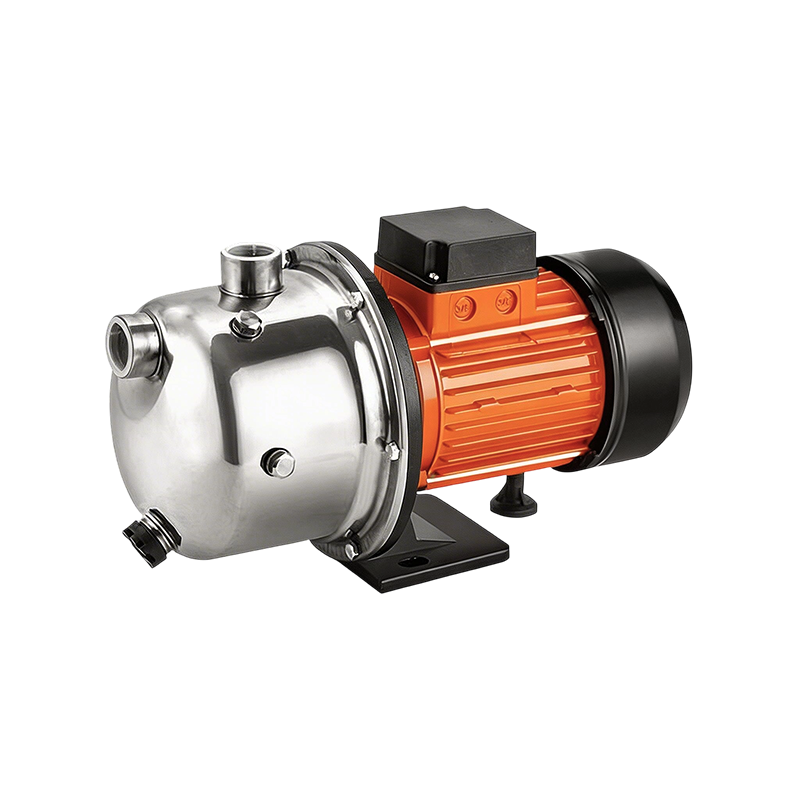
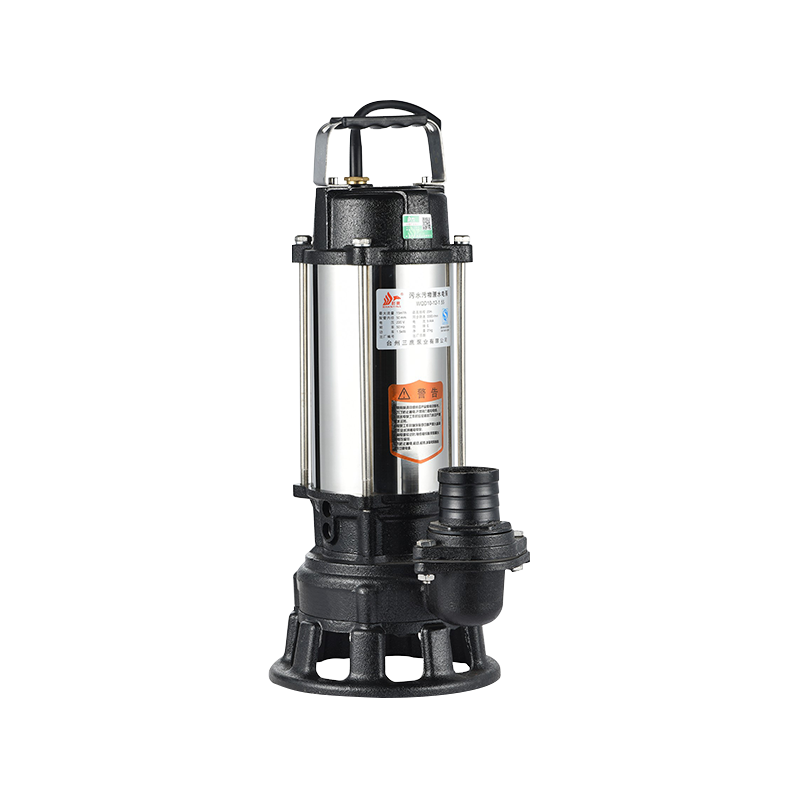
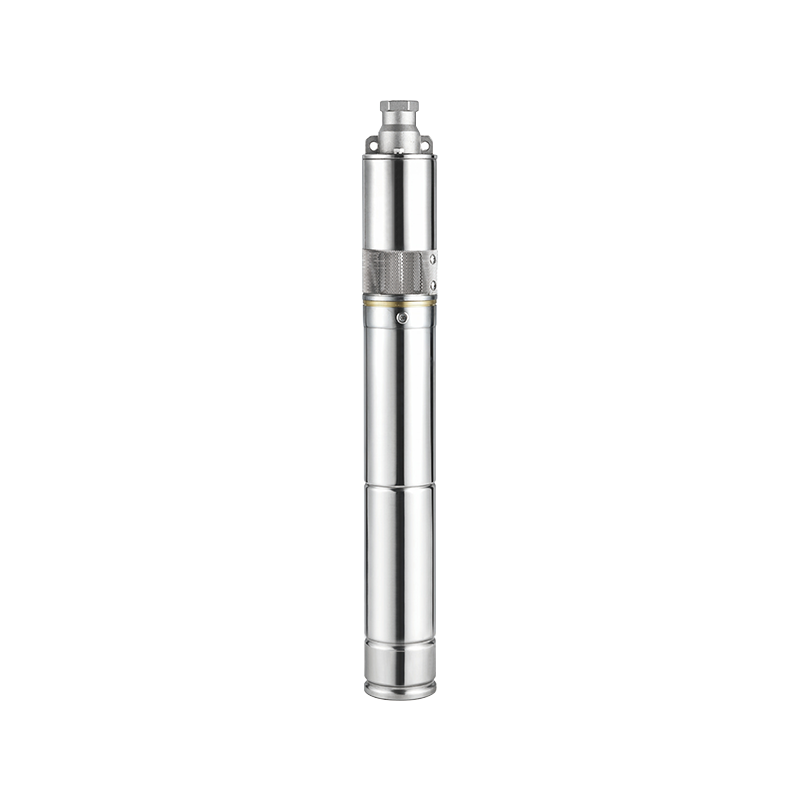
Deep wells usually point toward a solar submersible pump. Surface water transfer, on the other hand, often calls for a surface pump or self-priming design instead, depending on suction height and how the pipeline is laid out.

2. Calculate Flow Demand

Flow rate is really just a measure of how much water the pump can push through within a given stretch of time — and what that number needs to be depends entirely on the job at hand.

Irrigation flow demand ties back to crop type, how much land needs watering, the watering method in use, and how many hours the pump runs each day. Livestock watering needs flow that matches herd size and available storage capacity. Household or facility supply, meanwhile, comes down to daily consumption patterns and peak usage moments.

Set the flow too low, and daily water needs won't get met. Set it far higher than necessary, and energy use and system costs climb without much benefit to show for it.

3. Determine Total Pump Head

Total head sits near the top of the priority list when picking a pump — it wraps together vertical lift, friction loss along the pipeline, whatever outlet pressure is required, and the extra resistance created by elbows, valves, filters, and sheer pipe length.

A thorough head calculation should account for:

  • The vertical distance between water level and outlet
  • How far the pipe runs horizontally
  • Pipe diameter
  • How many elbows and valves sit along the route
  • Required discharge pressure
  • Friction loss building up inside the pipeline

Get this calculation wrong, and the result tends to be weak water output, shaky operation, or a pump running well below its actual efficiency.

4. Evaluate Sunlight Conditions

How well a solar pump performs comes down almost entirely to the sunlight it actually gets — which means the installation site needs a proper sunlight assessment before anything else gets decided.

Factors worth checking:

  • Average sunshine hours across a typical day
  • How much weather varies by season
  • Shading from nearby trees, buildings, or terrain
  • The angle at which panels get installed
  • How much space is actually available for solar modules
  • Dust or other environmental factors that might affect panel performance

Where sunlight runs limited or unpredictable, the system may need extra panel capacity, additional water storage, battery backup, or some form of auxiliary power built in.

5. Decide Whether Storage Is Needed

A lot of solar pumping setups lean on water storage rather than battery storage. The pump fills a tank while the sun's out, and that stored water gets distributed later — either by gravity or through some secondary distribution method.

Water storage tends to fit well with:

  • Scheduled irrigation
  • Livestock drinking systems
  • Remote household supply
  • Rural water points
  • Situations needing water in the evening or early morning

Battery storage becomes worth considering when the pump absolutely has to run outside daylight hours — though that route brings more components into play and more maintenance along with it.

6. Review Controller Functions

The controller is what keeps a solar pump running steadily — it regulates incoming power and shields the pump as sunlight and load conditions shift throughout the day.

Controller features worth having:

  • MPPT solar energy management
  • Dry-run protection
  • Low-water protection
  • Overload protection
  • Undervoltage and overvoltage protection
  • Automatic stop and restart
  • Fault display or status indication

These functions go a long way toward cutting operating risk and keeping outdoor systems manageable without constant intervention.


Why Work with a Pump Manufacturer

Choosing a solar water pump goes well beyond picking a single unit off a list — it means getting the pump, solar panels, controller, pipeline, water source, and operating schedule all working together. That's exactly where manufacturer support earns its value, helping clarify whether a given configuration genuinely fits the intended job.

A capable pump manufacturer typically helps with:

  • Making sense of water source conditions
  • Matching the right pump type to required head and flow
  • Checking solar panel and controller compatibility
  • Working out whether storage makes sense
  • Thinking through installation environment and protection needs
  • Supporting different pump categories across different water systems

For projects touching agricultural irrigation, remote water supply, or off-grid water transfer, clear back-and-forth technical discussion tends to pay off — it improves how well the system fits together and how long it holds up in the field.


Solar water pumps make the most sense wherever sunlight is plentiful and conventional power runs limited, expensive, or just inconvenient to access. That covers a lot of ground — irrigation, livestock watering, remote household supply, greenhouse watering, garden irrigation, and water transfer for off-grid facilities all fall under this umbrella.

Picking the right solar-powered pump means weighing water source depth, total head, flow demand, pipeline layout, sunlight conditions, storage approach, and controller protection features all together, rather than one at a time. Line those factors up properly, and the system ends up delivering water far more consistently while keeping daily operation efficient across whatever outdoor water supply environment it's working in.

```