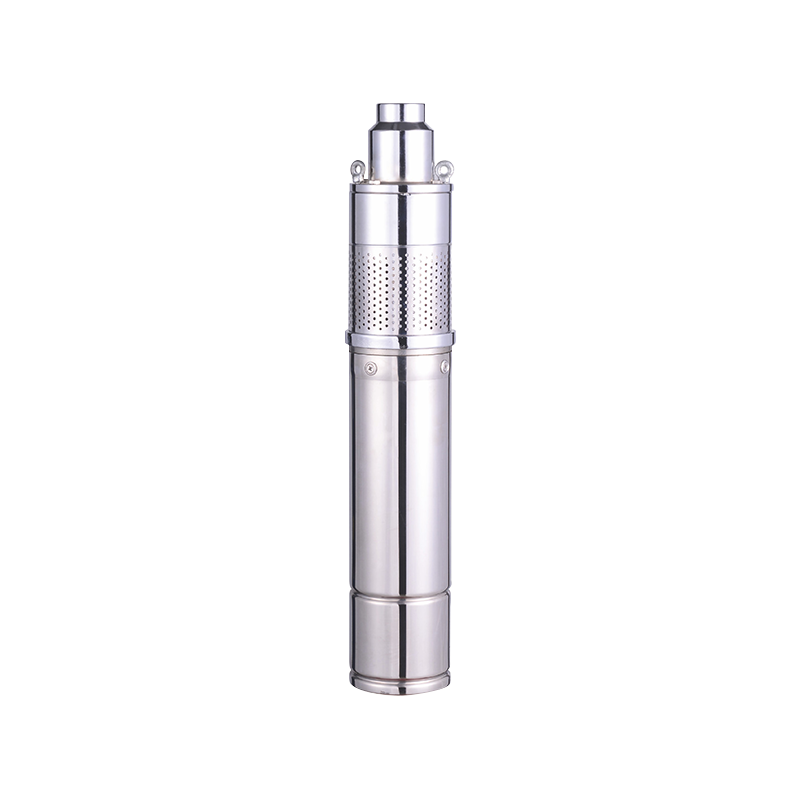
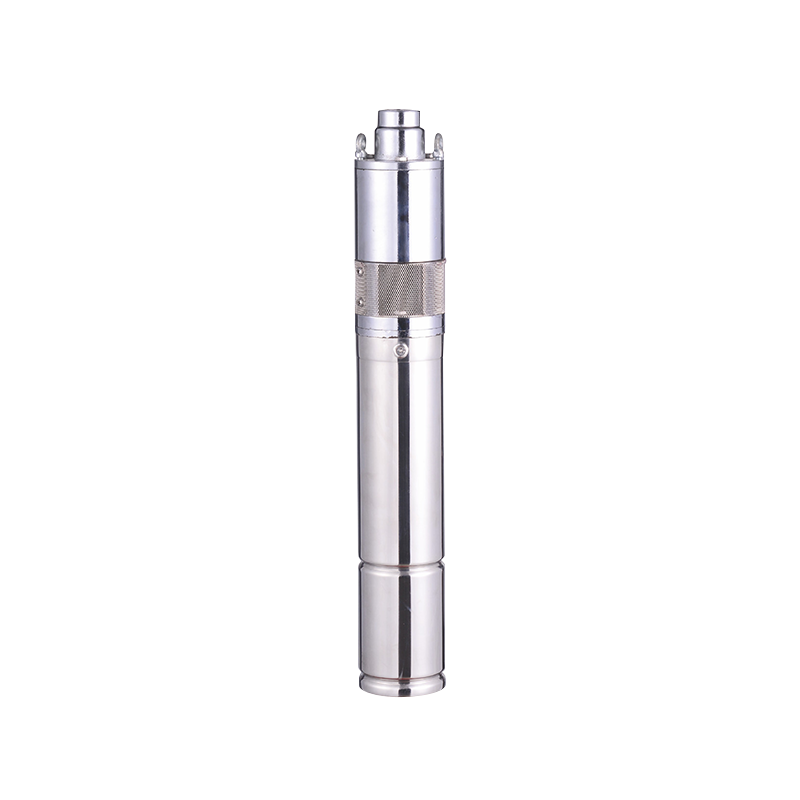
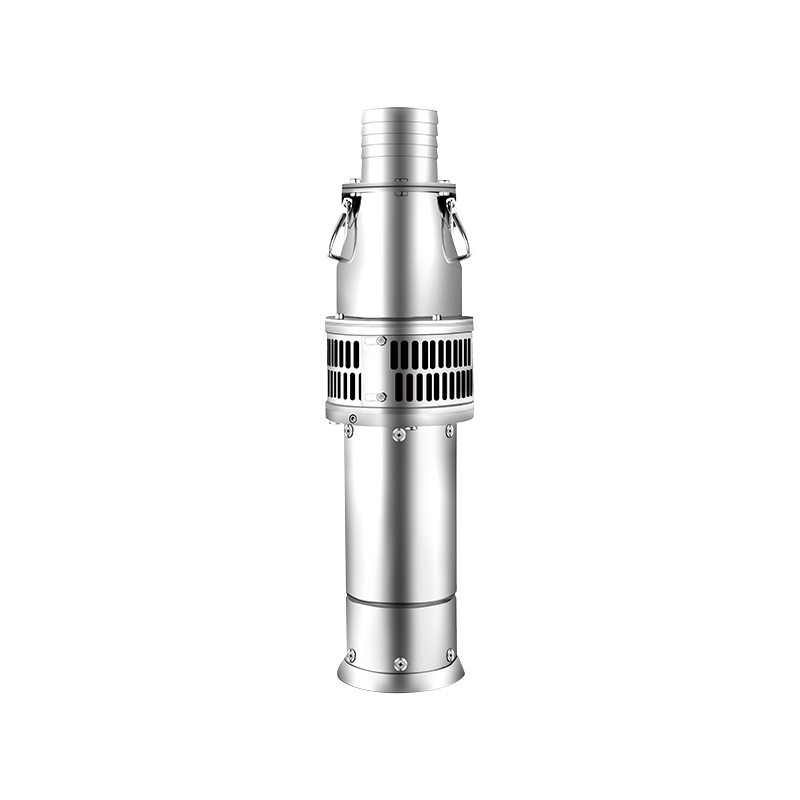
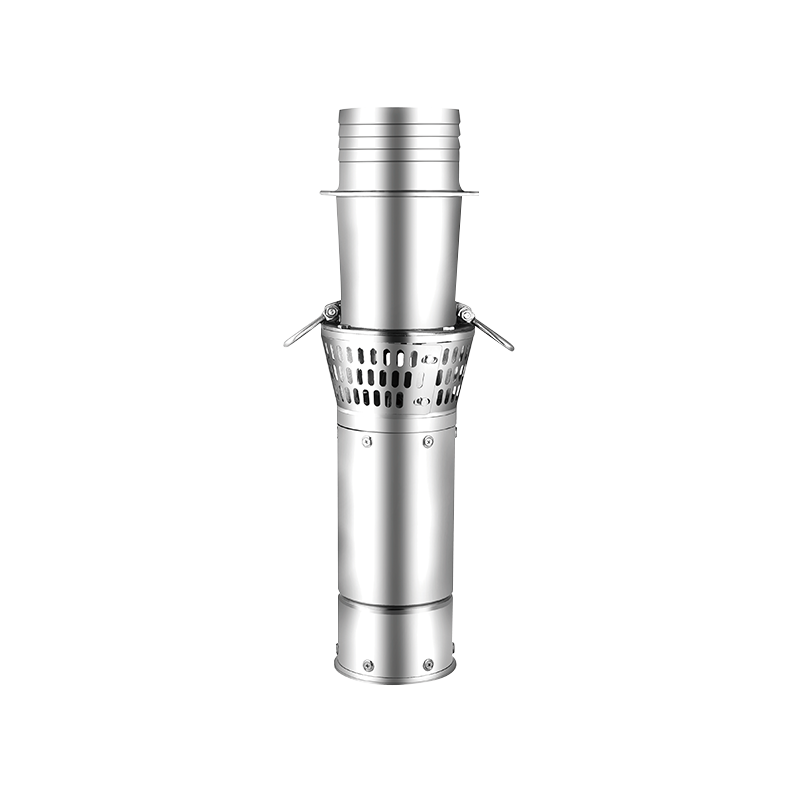
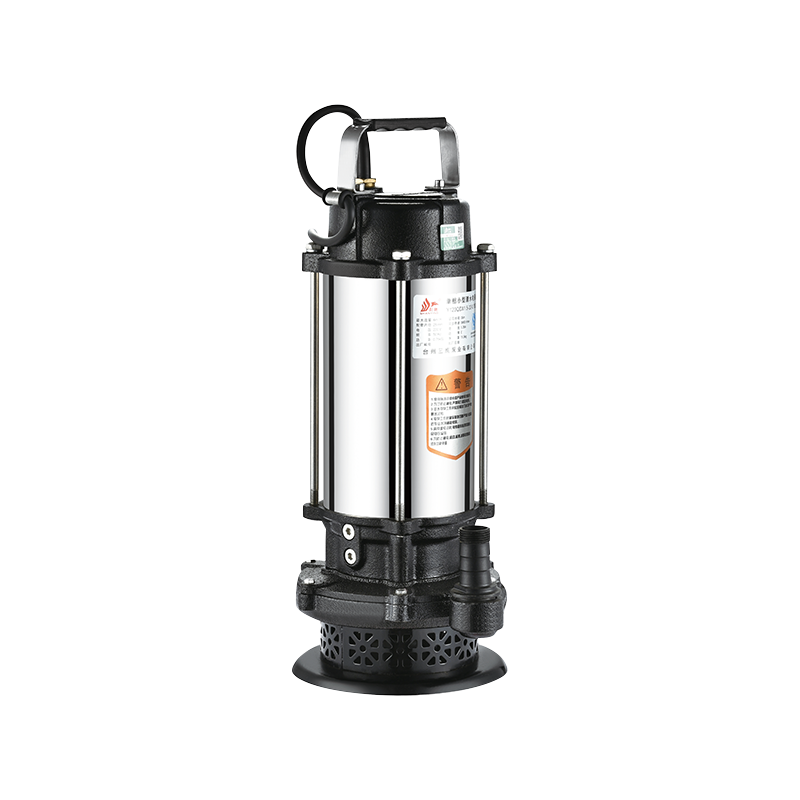
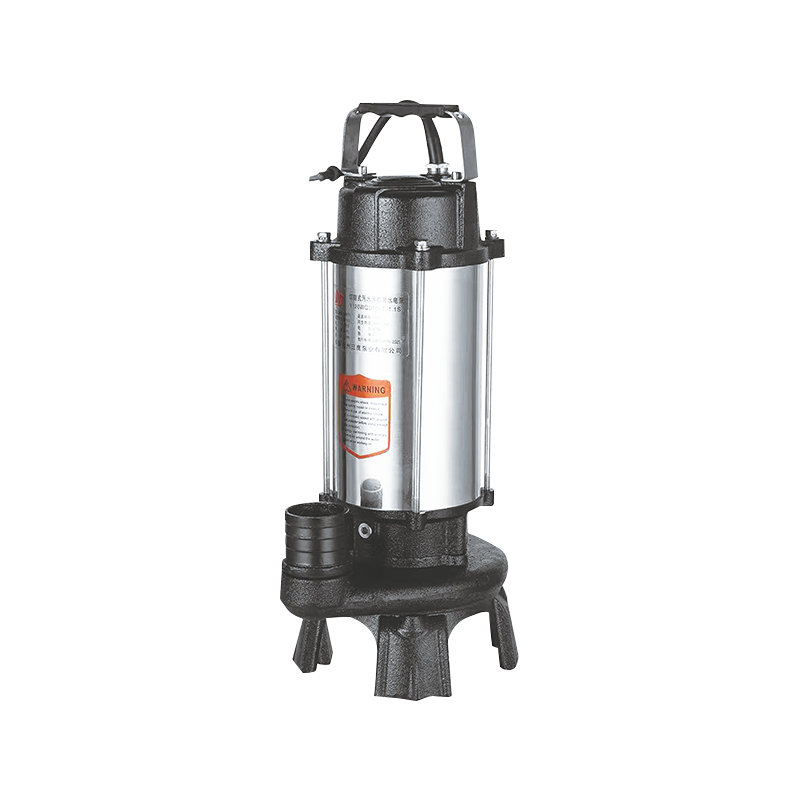
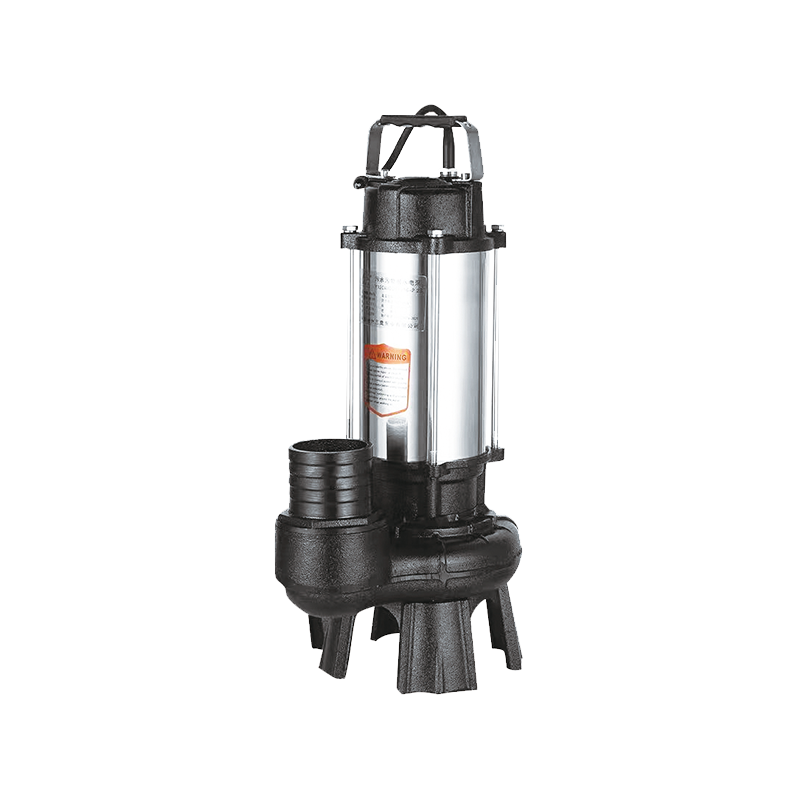
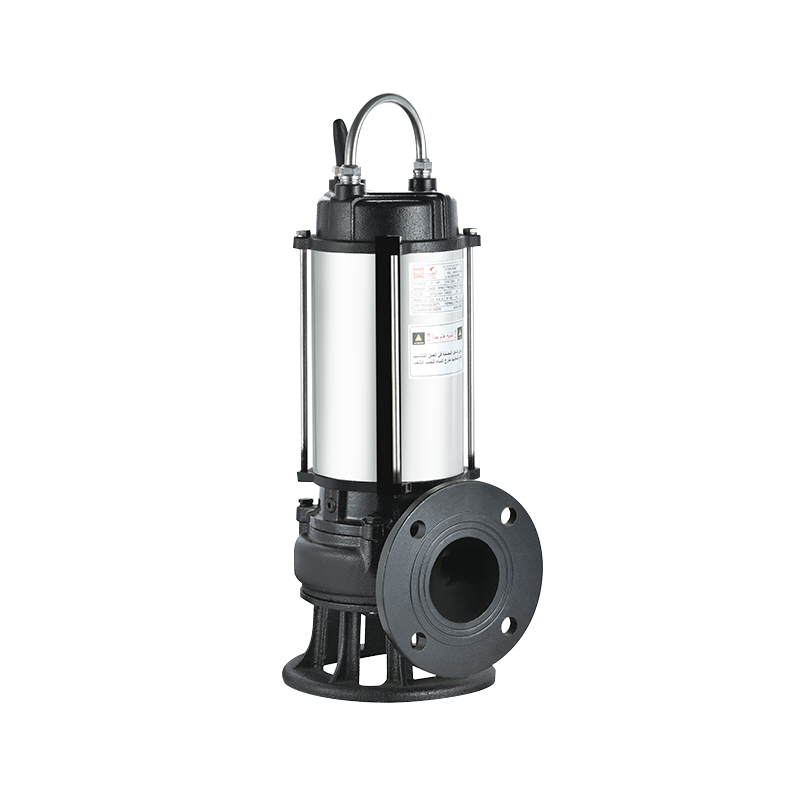
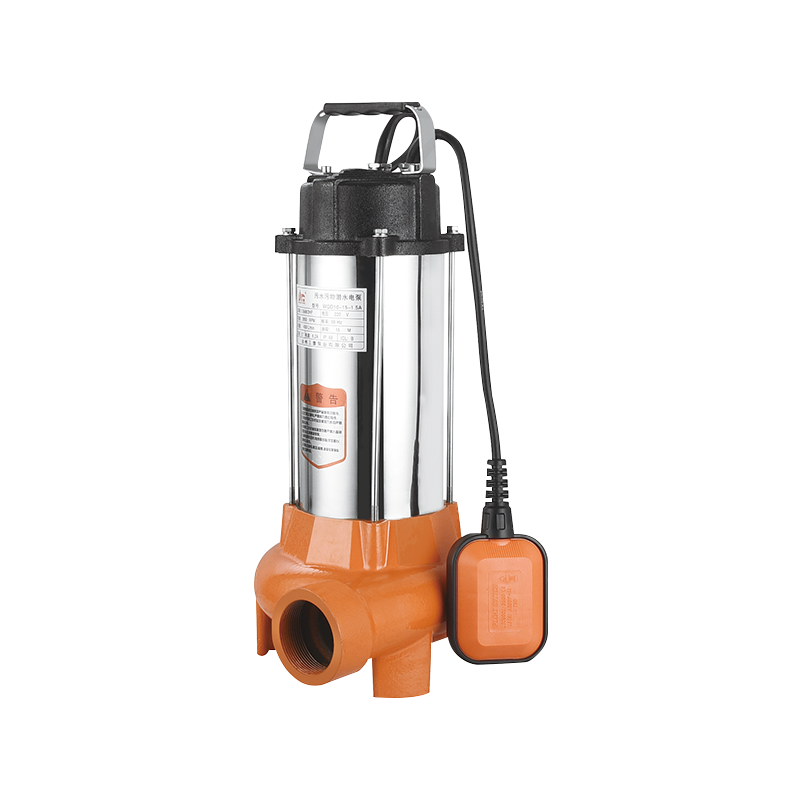
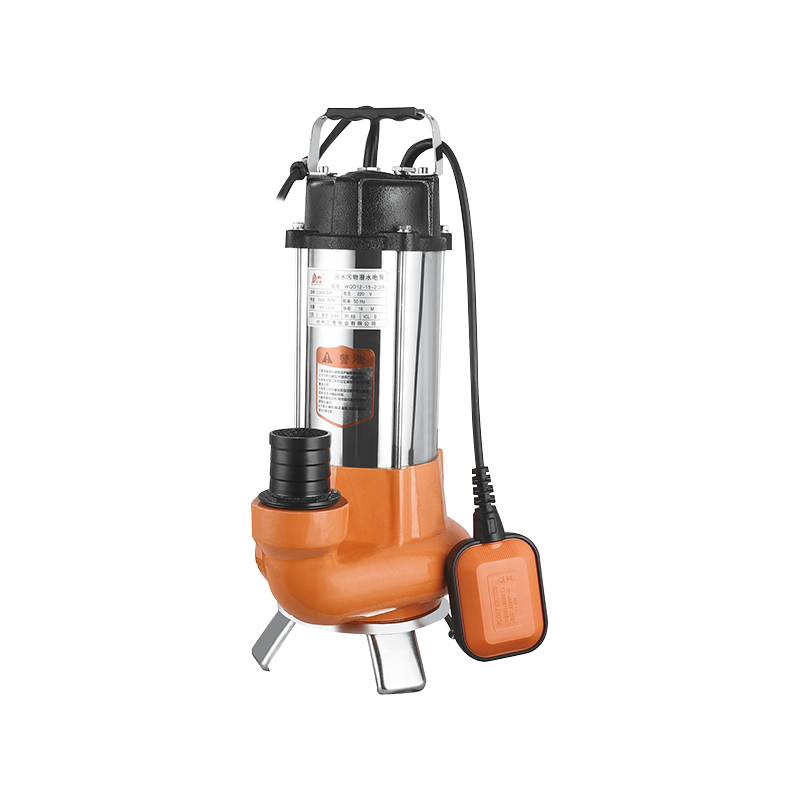
Model Interpretation:
3/4: Represents the pump body diameter (3 inches ≈ 75mm, 4 inches ≈ 100mm).
L: Vertical.
A: Screw/Thread.
R: Rotor.
S: Stator.
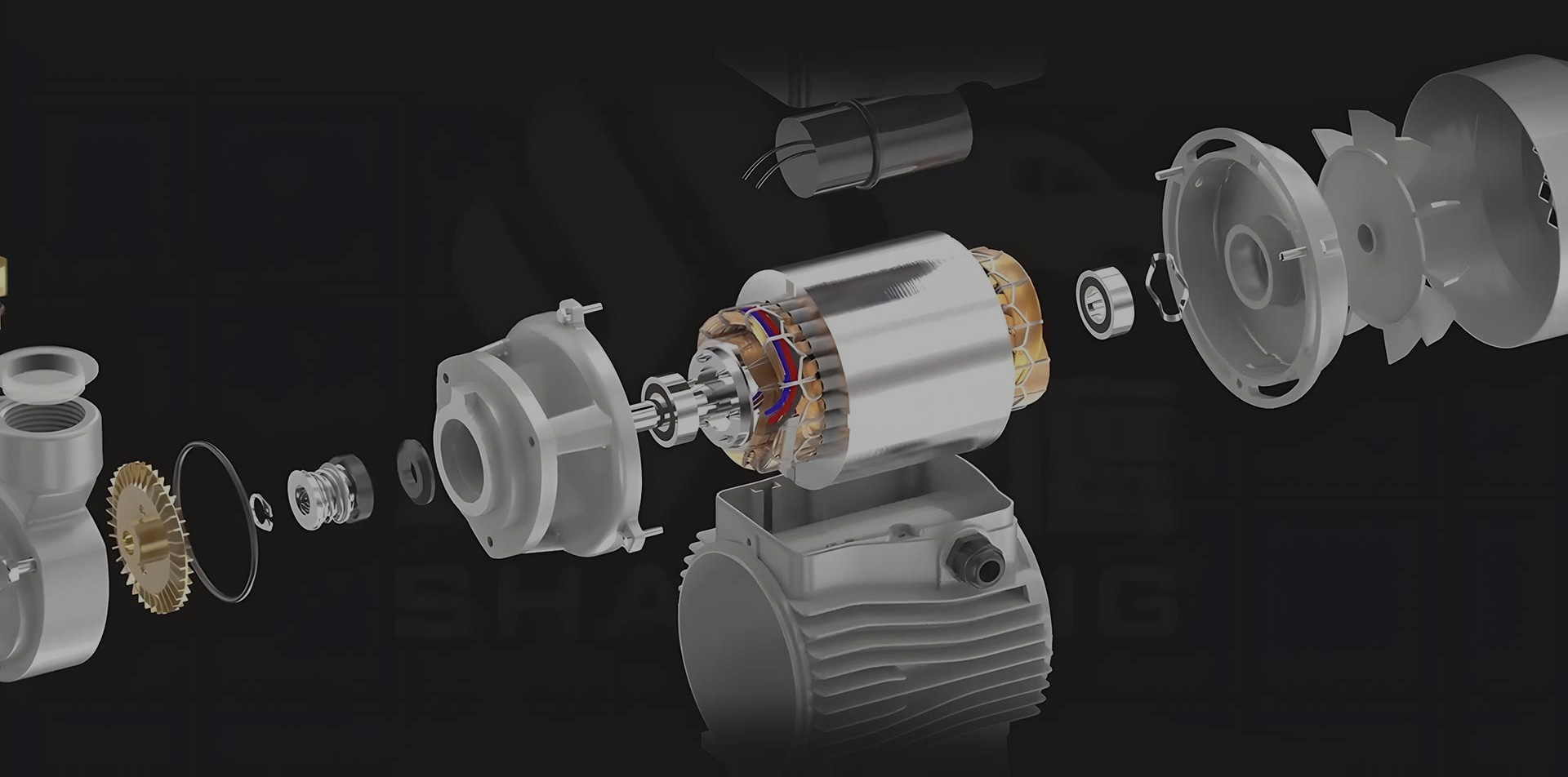
Core Configuration: Single-screw pump (Mono Pump). It consists of a helical rotor (metal) and a double-helical stator (rubber).
Working Principle: The rotor rotates within the stator, forming a series of independent sealed chambers. The liquid is smoothly pushed from the inlet to the outlet, as if riding on a "spiral elevator."
Core Working Principle: Positive Displacement
The LARS series operates on the principle of positive displacement pumps, which is fundamentally different from centrifugal pumps:
Meshing Seal: A continuous contact line seal is formed between the metal rotor and the rubber stator, separating the suction chamber and the discharge chamber.
Axial Propulsion: As the rotor rotates, the sealed chambers move axially (from the bottom of the well to the top), and the liquid is smoothly "pushed" out of the wellhead.
Minimal Pulsation: Due to continuous volumetric displacement, the water flow is very smooth, with almost no pulsation or vibration.
Core Features: Resistance to impurities, high self-priming, and ability to transport viscous liquids
Feature Detailed Description
Excellent resistance to impurities The biggest advantage. Screw pumps have wide flow channels and are insensitive to particles passing through. They are very suitable for pumping sewage containing sand, mud, and fibers (such as straw and hair). In contrast, centrifugal pumps are prone to clogging or wear when encountering these impurities.
Transporting high-viscosity liquids Centrifugal pumps struggle to pump heavy oil or mud, while screw pumps excel at this. Its pressure is directly proportional to viscosity; the higher the viscosity, the better the sealing and the higher the pressure.
Strong self-priming ability Screw pumps have excellent self-priming capabilities (high vacuum), allowing them to easily draw water from shallow wells or when installed on the ground.
Low speed, long lifespan To protect the rubber stator, screw pumps usually operate at lower speeds, resulting in minimal mechanical wear and a long lifespan.
Typical Application Scenarios
The LARS series is an expert in handling harsh water quality, sludge, and viscous liquids:
Sewage/Sludge Discharge:
Suitable for livestock farm manure treatment, septic tank cleaning, municipal sewage discharge, etc.
Sandy Well Water Extraction:
If your well water is turbid and contains a large amount of sand, the impeller of ordinary centrifugal pumps (such as the LSG series) will wear out quickly. In this case, a screw pump must be used.
Petroleum/Chemical Transportation:
Used for transporting heavy oil, diesel fuel, various chemical agents (acids, alkalis), and other viscous media.
Biogas Slurry and Residue Transportation:
In biogas projects, it is used to transport biogas slurry containing a large amount of solid suspended matter.
Selection and Usage Recommendations
Strictly Prohibit Dry Running (Crucial):
The rubber stator of the screw pump requires liquid for lubrication and cooling. It is absolutely forbidden to run the pump without liquid for extended periods, otherwise, the stator will quickly melt and become unusable due to frictional heat. It is recommended to equip a water shortage protection controller.
Speed Control:
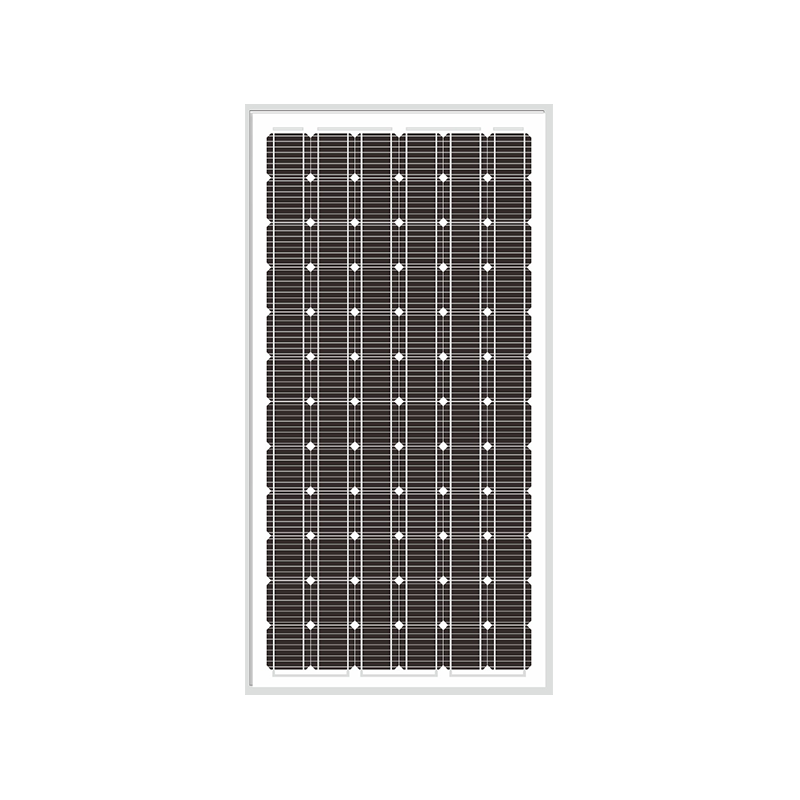
The rotation speed of the screw pump should not be too high, otherwise, stator wear will be accelerated. When powered by solar energy, it is recommended to limit the maximum speed through a controller.
Temperature Limit:
The rubber stator is not resistant to high temperatures. Generally, the temperature of the conveyed medium should not exceed 80℃-100℃ (depending on the rubber material). If you need to transport high-temperature liquids, please choose a stator made of special materials.
Maintenance:
Although screw pumps have a long lifespan, the rubber stator is a consumable part. As the usage time increases, the flow rate will decrease due to stator wear. At that time, only the stator needs to be replaced, not the entire pump.
The 3LARS/4LARS series are the "special forces" among solar water pumps. If you need to handle dirty water, mud, oil, or liquids containing a large amount of debris, then a screw pump is the only option. However, if you are only pumping clear groundwater for drinking, please use a centrifugal pump (such as the LSG series), because the cost of a screw pump is usually higher than that of a centrifugal pump.


 English
 中文简体
中文简体