Home · Products · Solar Water Pump · In Built Controller Brushless Solar Pump

Industrial Solar Water Pump

Contact us

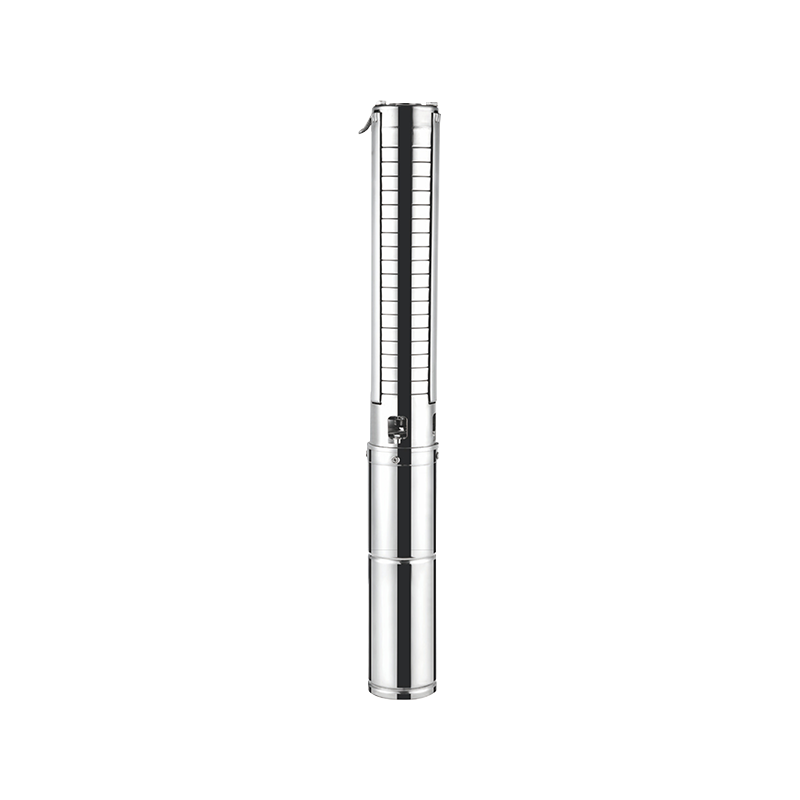
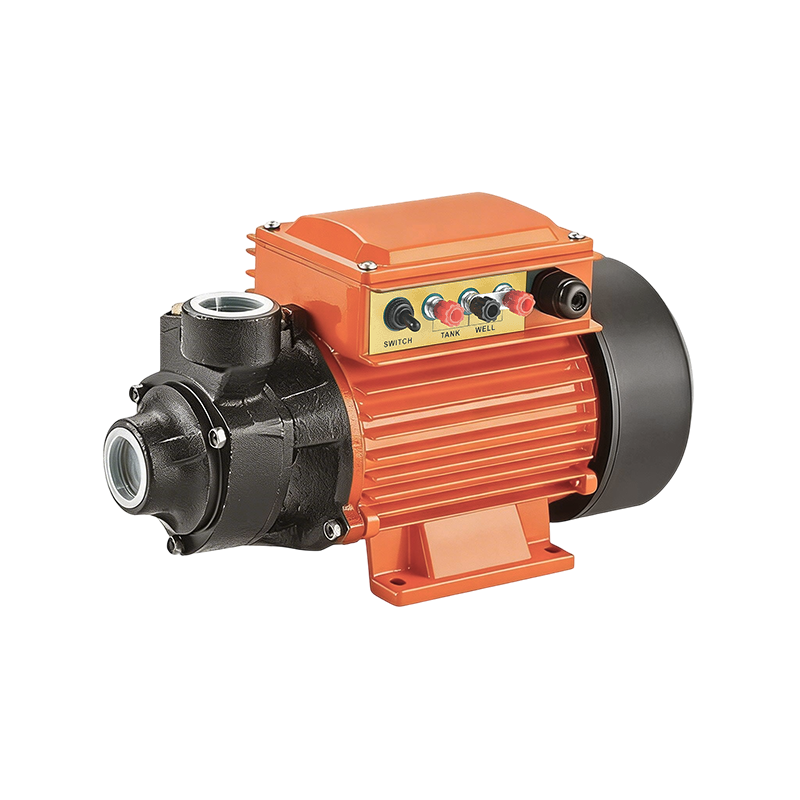
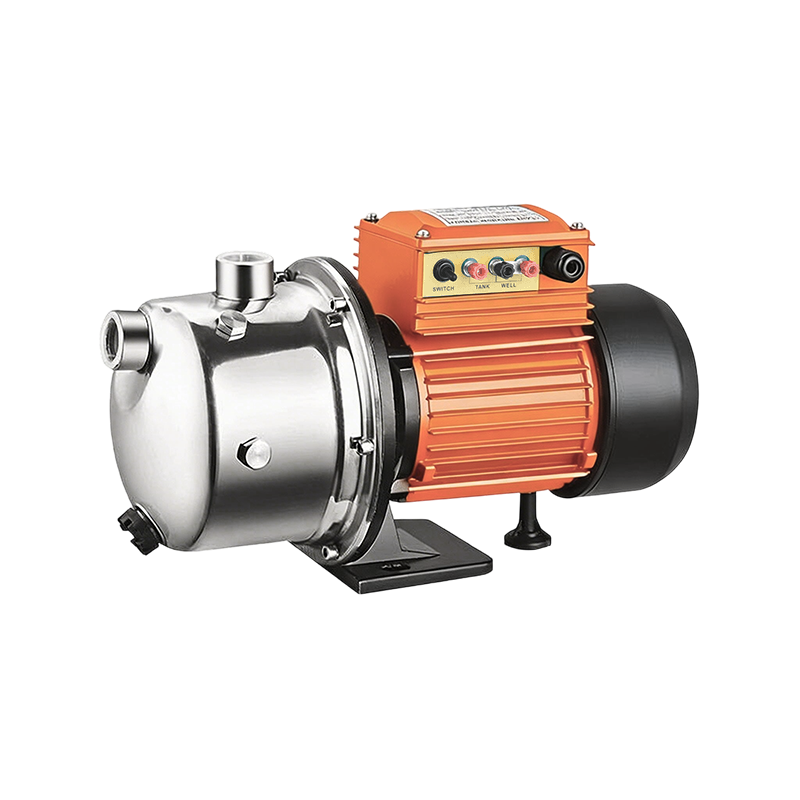
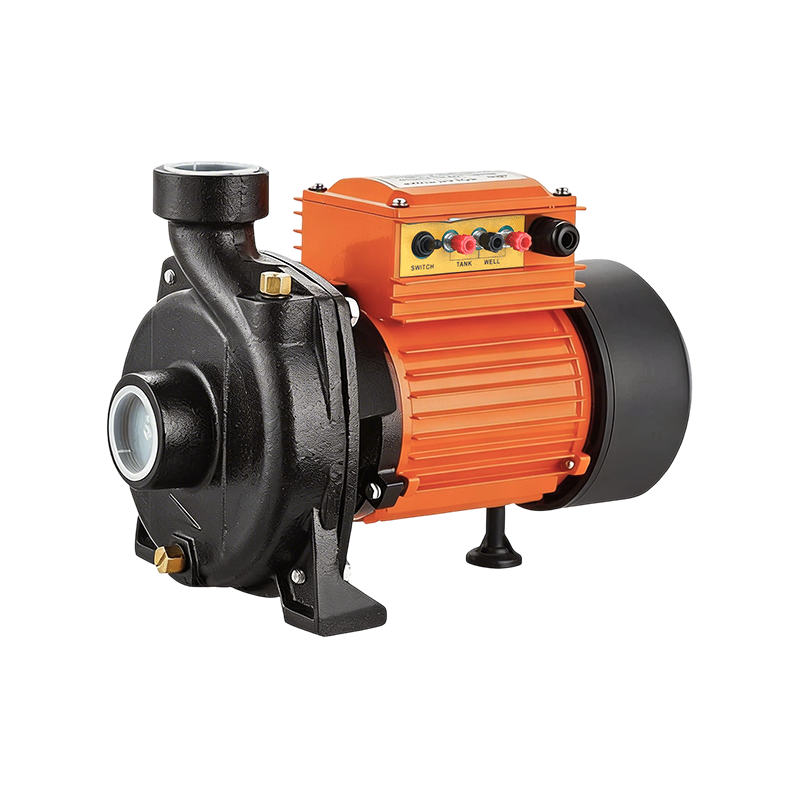
In Built Controller Brushless Solar Pump

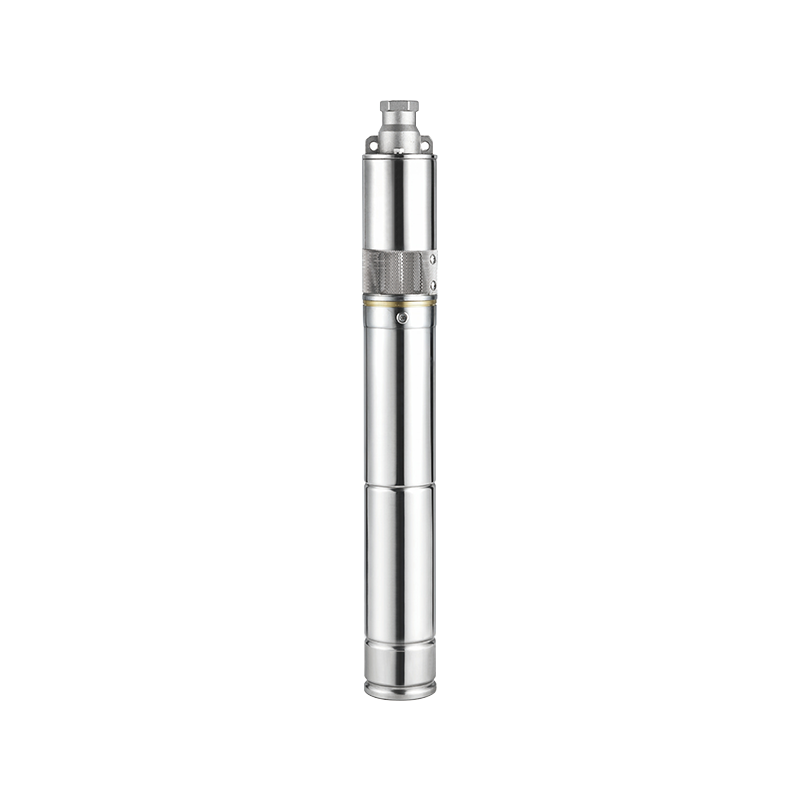
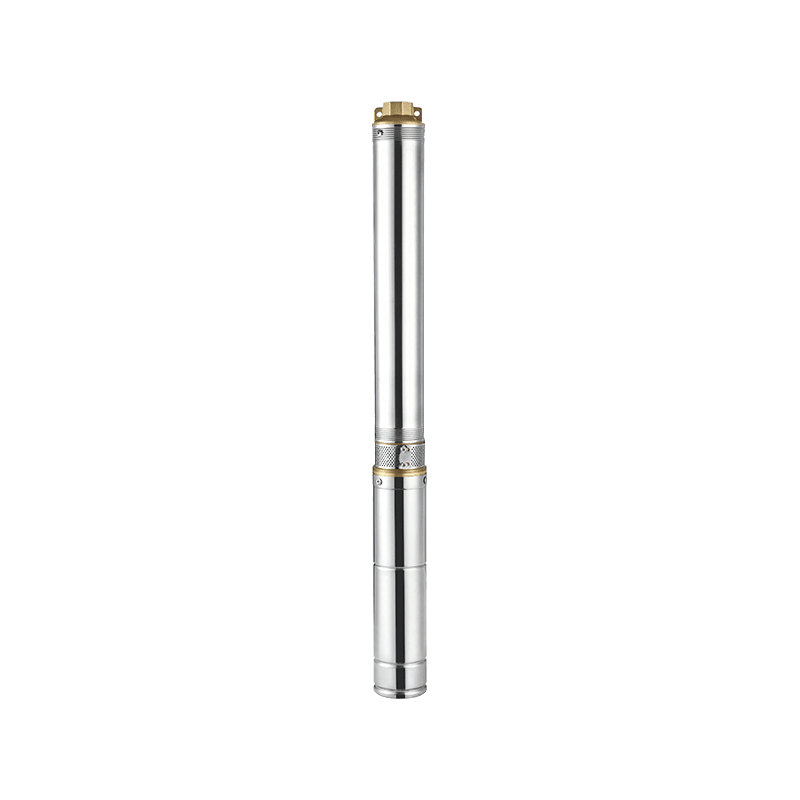
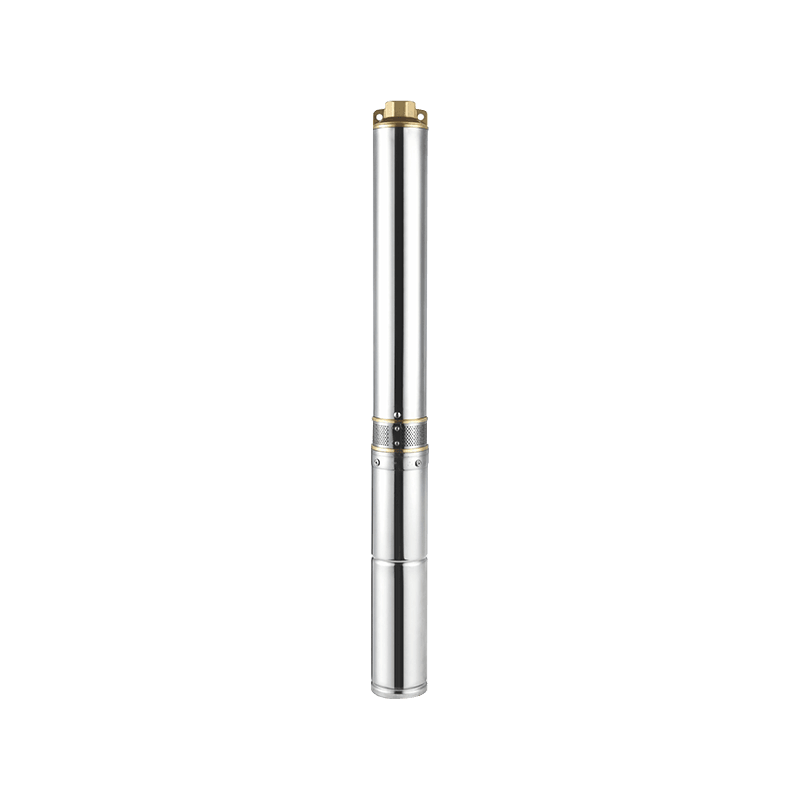
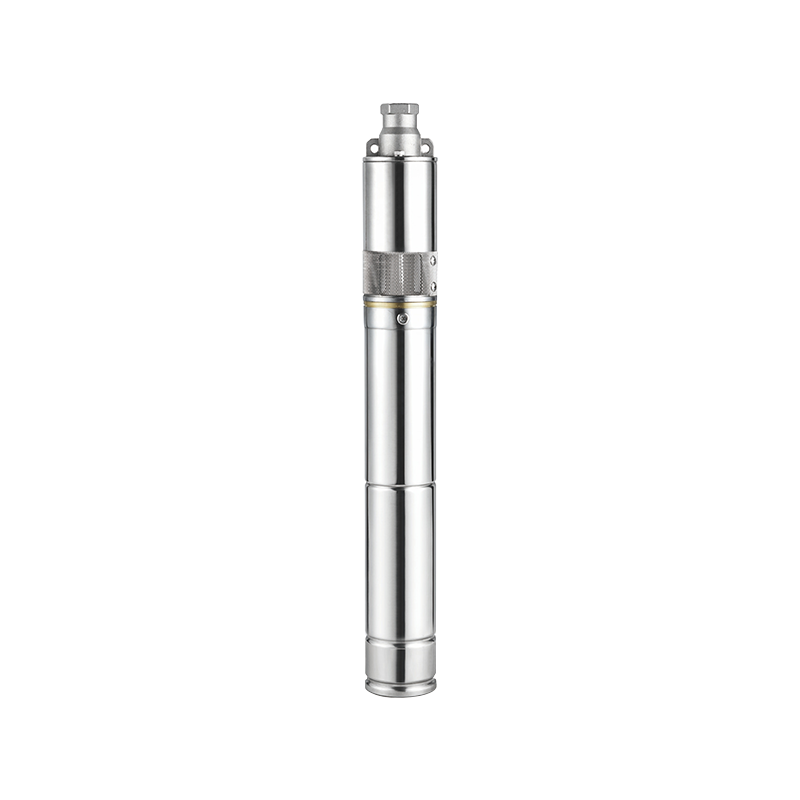
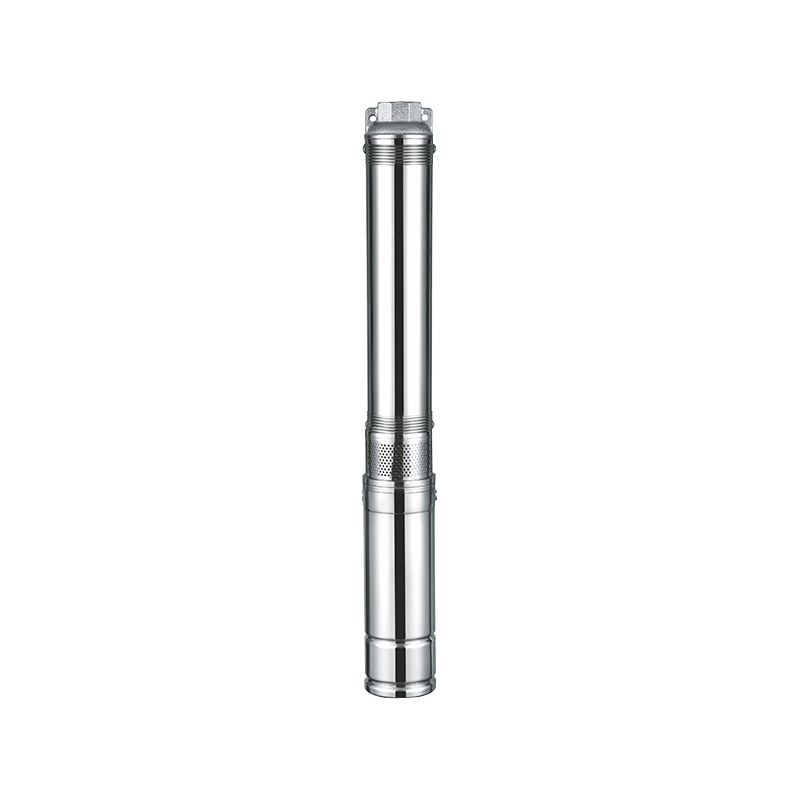
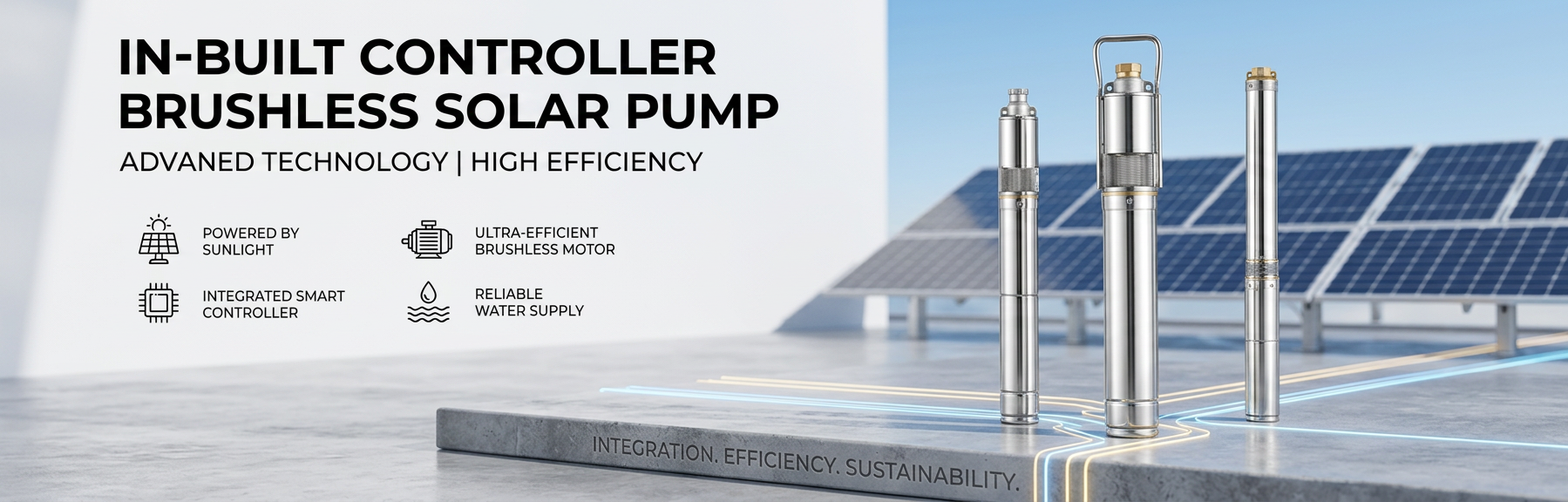
This built-in controller brushless solar water pump has the controller housed directly inside the pump body, which opens the door to intelligent flow control, steady constant pressure output, and a full set of protection functions all in one unit. That integration cuts out the need for separate external equipment and makes installation noticeably simpler, which is exactly why it works so well for household water supply, landscape fountains, and small-scale irrigation setups.

1. Easy installation and easy operation, connect with the solar panel directly, no need external controller

2. Can be powered by both a solar panel and a battery

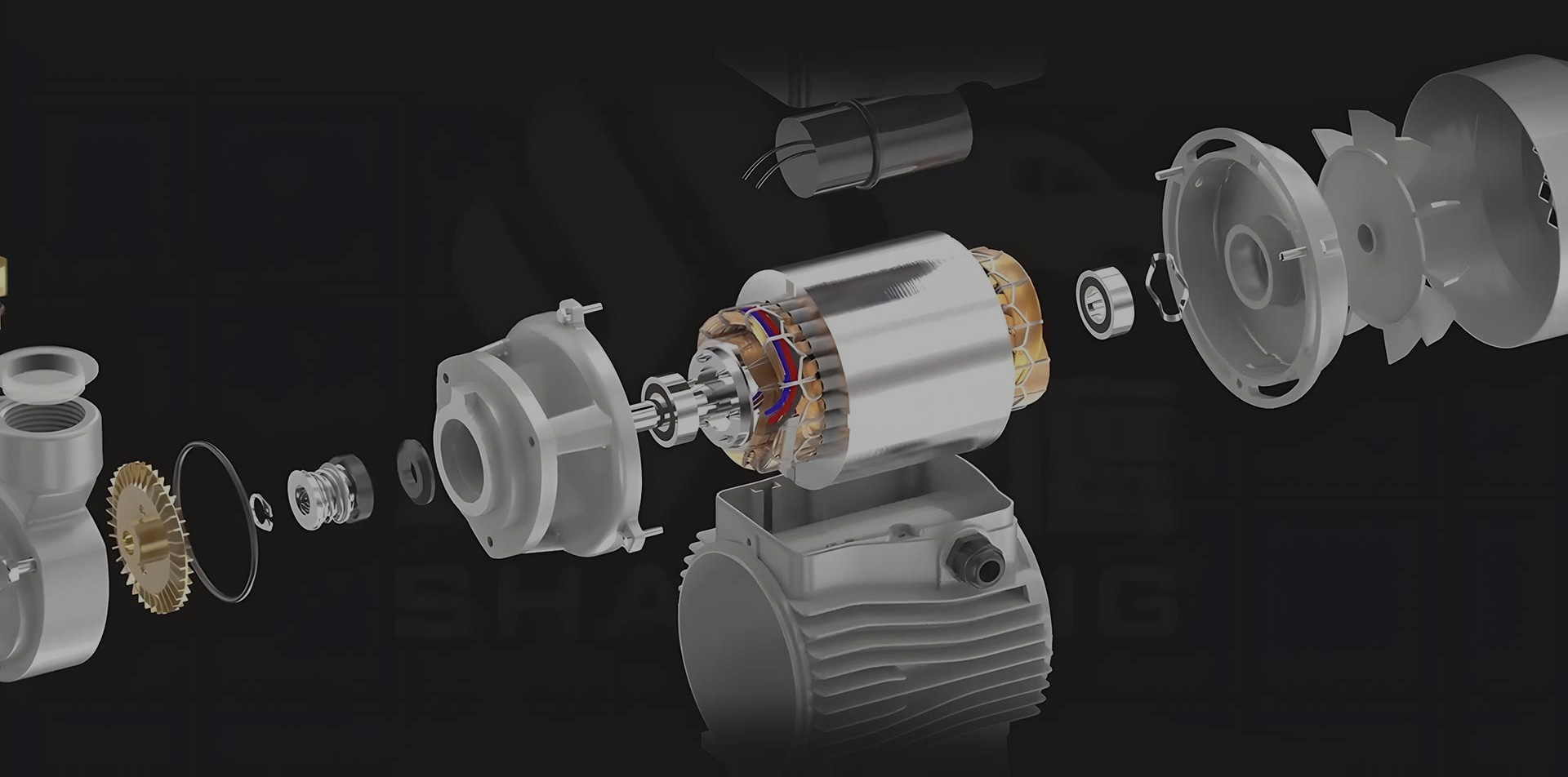
3. Brushless permanent magnetic motor, controller inside, long working life, and high working efficiency

4. Overvoltage and undervoltage protection

5. Overcurrent protection

6. Locked rotor protection

7. Phase deficiency protection

8. Reverse protection

9. MPPT function( maximum power point tracking)

10. Low temperature rise

Message Feedback
About
Taizhou Shanying Pump Co., Ltd.

Taizhou Shanying Pump Co., Ltd. is a brushless solar pump manufacturer with product development, production, sales, and service. The company has a state Class B standard pump testing center, and actively implements the ISO9001 quality assurance system.

Because of our brushless solar pump products with stable quality, energy efficient, safe and reliable, and reasonable prices, favored by the users. Products are widely used in construction, firefighting, environmental protection, drainage, HVAC, and household.

News

Built-In Controller Brushless Solar Pump Selection Guide for Compact Water Supply Systems

An in built controller brushless solar pump is designed for water systems that call for solar-driven operation without the hassle of extra external control gear. By housing the controller right inside the pump body, this design lets the unit connect straight to photovoltaic panels in suitable setups, cutting down on wiring clutter and equipment footprint alike. That makes it a natural fit for household water supply, landscape fountains, garden irrigation, small-scale agricultural watering, tank filling, and remote water transfer.

For anyone weighing up solar pump options, the questions that actually matter are practical ones: does the pump suit the water source at hand, is there enough solar power available, does the installation site actually work, and can the control and protection features keep daily operation running smoothly. Taizhou Shanying Pump Co., Ltd., under the Shanying Pump brand, offers solar water pump solutions built for situations where pump performance, controller integration, and installation ease all need to line up together.


What Is an In Built Controller Brushless Solar Pump?

An in built controller brushless solar pump pairs a brushless permanent magnet motor with a controller that's built right into the unit itself. In a standard solar pump setup, the controller usually sits as a separate external box. Here, it's folded into the pump structure instead, which tends to make the whole system more compact and far simpler to install.

In Built Controller Brushless Solar Pump

That built-in controller takes care of regulating electrical input coming from the solar panel or battery, managing how the motor runs, and delivering protection functions along the way. Since the pump relies on a brushless motor, it skips carbon brushes for commutation entirely. That cuts down mechanical wear and stretches out service intervals well beyond what brushed motor designs typically offer.

A typical setup tends to include:

  • Photovoltaic solar panels
  • Built-in controller brushless solar pump
  • Power cable connection
  • Pipeline and valves
  • A water source such as a well, tank, pond, or reservoir
  • Optional battery support, depending on the overall system design

This pump category suits situations especially well where a cleaner layout, fewer external components, and a straightforward solar hookup are exactly what's wanted.


How the Built-In Controller Supports Solar Pump Operation

The controller sits at the core of any solar pumping setup. Solar panel output shifts constantly through the day, driven by sunlight intensity, cloud cover, temperature, and shading. The controller helps the pump keep pace with those shifting conditions while shielding the motor from electrical and mechanical risk.

Simplified Installation

Because the controller lives inside the pump itself, most standard configurations skip the need for a separate external controller altogether. That trims down cabinet space, wiring points, and installation steps in one go.

For small irrigation systems, household water supply, and landscape fountain projects, this compact build makes arranging the whole system noticeably easier. It also pays off in outdoor installations where equipment protection and tidy wiring matter.

Direct Solar Panel Connection

In configurations built for it, the pump connects straight to solar panels, letting the system run through daylight hours without leaning on grid electricity at all.

Before installing anything, solar panel voltage and power range need to line up with what the pump actually requires. Get that electrical matching wrong, and operation turns unstable or water output drops off.

Brushless Permanent Magnet Motor

The brushless permanent magnet motor is built to convert electrical energy into mechanical pumping power with strong efficiency. No carbon brushes means less wear and lighter maintenance demands over time.

That proves useful across:

  • Remote water supply points
  • Garden and landscape systems
  • Small agricultural irrigation
  • Tank filling applications
  • Household solar water supply

The motor's construction also keeps temperature rise lower during operation, which matters a lot for long stretches of running time under outdoor conditions.

MPPT Function for Solar Energy Use

MPPT, or Maximum Power Point Tracking, helps squeeze more value out of the solar energy on hand. As sunlight shifts, MPPT adjusts the operating point so the pump makes fuller use of whatever photovoltaic power is available.

That's particularly handy out in the field, where sunlight strength swings between morning, midday, afternoon, and cloudy stretches.


Main Applications and Use Conditions

In built controller brushless solar pumps tend to get chosen for systems where simple installation, a compact build, and solar compatibility carry real weight. They generally suit clean water or similar liquids, depending on the pump's material and structure.

Application Typical Water Source Selection Focus
Household Water Supply Wells, tanks, reservoirs Stable flow, lift height, solar input
Landscape Fountains Ponds, pools, tanks Continuous circulation, low noise, compact layout
Garden Irrigation Tanks, ponds, shallow wells Moderate flow, easy operation, pipe distance
Small Agricultural Watering Wells, reservoirs, ponds Flow demand, total head, sunlight hours
Tank Filling Wells or storage reservoirs Water level control, operating time
Remote Water Transfer Surface or underground water Power availability, installation simplicity

This table makes clear that different applications carry different selection priorities. A landscape fountain leans toward continuous circulation and quiet running, while an irrigation system needs closer attention paid to flow rate, total head, and daily water volume.


Key Protection Functions to Review

Solar pump systems typically operate outdoors, where sunlight, water level, and pipeline resistance keep shifting. Protection functions help cut down operating risk and keep pump performance steadier.

Voltage Protection

Overvoltage and undervoltage protection help the pump handle abnormal electrical input gracefully. Solar panels can swing between different voltage levels depending on sunlight and temperature, which is exactly why voltage protection matters for overall system safety.

Overcurrent Protection

Overcurrent protection shields the motor and controller when current climbs past the suitable working range — something that can happen from abnormal load, a blocked pipeline, or an electrical mismatch.

Locked Rotor Protection

Locked rotor protection cuts down damage risk whenever the rotor can't turn normally, whether from blockage, mechanical resistance, or particles working their way into the pump chamber.

Phase Deficiency Protection

Phase deficiency protection kicks in on applicable motor and controller configurations, guarding against abnormal operation triggered by a missing phase condition.

Reverse Protection

Reverse protection helps head off damage from incorrect polarity or a faulty electrical connection — especially valuable during field installation, where wiring conditions can vary quite a bit from site to site.

Low Temperature Rise

Keeping temperature rise lower helps the motor and controller hold steadier operation across long running stretches. For solar pumping systems working outdoors, heat management plays a real part in overall product reliability.


How to Choose the Right Built-In Controller Solar Pump

Picking the right built-in controller solar pump means weighing both water system needs and solar power conditions together. The pump should be matched against the actual installation site, not chosen purely by product category.

1. Confirm the Water Source

Step one is pinning down the water source itself. Common ones include wells, tanks, ponds, reservoirs, underground water points, and landscape pools.

Key details to nail down:

  • Water depth
  • Static and dynamic water level
  • Distance from water source to outlet
  • Water cleanliness
  • Sand or particle content
  • Seasonal water level shifts
  • Suction or submersible installation requirements

For well pumping, lift height and water level carry the most weight. For fountain or pond circulation, water quality and continuous running needs tend to matter more.

2. Calculate Flow Requirement

Flow rate needs to line up with actual daily water demand. Household water supply, garden irrigation, fountain circulation, and small agricultural watering all call for different flow ranges entirely.

For irrigation, the required flow hinges on watering area, crop type, irrigation method, and operating time. For fountains, steady circulation usually matters more than high discharge pressure.

3. Determine Total Head

Total head wraps together vertical lift, pipeline friction loss, outlet pressure, pipe length, pipe diameter, elbows, valves, and filters. Underestimate this figure, and actual water output ends up falling short of what's expected.

Getting the head calculation right helps ensure the pump can push water to where it's needed with suitable pressure and flow.

4. Match Solar Panel Input

The solar panel configuration has to line up with the pump's electrical requirements. Key points to check:

  • Solar panel voltage range
  • Solar panel power capacity
  • Cable length and voltage drop
  • Panel installation angle
  • Shading conditions
  • Average daily sunlight hours

If panel capacity runs too low, the pump may start sluggishly, stop and start repeatedly, or fall short on water delivery during weak sunlight.

5. Decide Whether Battery Support Is Needed

Some applications only need pumping during daylight hours. Others need water flowing in the evening, early morning, or through cloudy stretches. Battery support is worth considering wherever operating time needs more flexibility.

For plenty of irrigation and tank filling systems, water storage offers a practical alternative instead — the pump fills a tank while sunlight lasts, and that stored water gets drawn on later.


Why Manufacturer Support Matters

A built-in controller brushless solar pump brings together pump hydraulics, motor design, solar power input, and controller protection all in one system. Getting the selection right depends on understanding how all these pieces work together.

Manufacturer support can help clarify:

  • Which pump type suits the water source
  • What flow and total head is actually required
  • How solar panel matching should work
  • Whether battery or water storage support is needed
  • What protection functions apply
  • Installation layout for wells, tanks, ponds, or fountains
  • Application fit for household, irrigation, or landscape systems

That kind of technical matching helps head off system mismatches and supports steadier day-to-day operation.


In built controller brushless solar pumps suit solar-powered water systems that call for a compact build, straightforward installation, and integrated control features. With a brushless permanent magnet motor, built-in controller, MPPT function, voltage protection, overcurrent protection, locked rotor protection, phase deficiency protection, reverse protection, and a low temperature rise design, this pump category supports household water supply, landscape fountains, garden irrigation, small agricultural watering, tank filling, and remote water transfer.

Choosing the right built-in controller solar pump means reviewing water source conditions, required flow, total head, solar panel input, sunlight availability, pipeline layout, and operating schedule together. A properly matched system delivers practical water supply while trimming down external equipment needs and keeping installation genuinely simple.

```