

 English
 中文简体
中文简体


Home · News · Industry News · How Can an Electric Self Priming Pump Keep Pumping Stable
Industry News
How Can an Electric Self Priming Pump Keep Pumping Stable
2026-09-30Stable pumping is not determined by the motor alone. A pump may start normally and still show changes in flow, difficulty maintaining suction, or irregular operation after running for some time. These conditions can be related to the way liquid enters the pump, the presence of air in the suction line, the condition of the liquid, the installation arrangement, or the condition of internal components.
An Electric Self Priming Pump is designed to handle situations where the pump may be positioned above the liquid source and air can be present in the suction line during startup. For that process to remain consistent, several parts of the installation need to work together. A small change in one area can sometimes appear as a pumping problem somewhere else.
Looking at the operating process step by step makes it easier to identify where instability may begin.
Why Does Proper Priming Matter for Stable Pump Operation
Priming is closely connected with the way a self-priming pump begins its work. Before normal liquid transfer can continue, air in the suction path needs to be removed and replaced by liquid. The condition of the pump casing and suction line therefore matters during startup.
When the pump has an appropriate amount of liquid available inside the casing, the rotating components can create the conditions needed to draw liquid toward the pump. Air is then carried away through the discharge side while liquid gradually occupies the pumping area.
Problems can appear when this process is interrupted. For example, the pump may run while little or no liquid reaches the discharge side. Repeated attempts to restart may produce a similar result if the underlying condition has not changed.
Several basic conditions are worth checking before startup:
- The pump casing should have the required liquid available for the priming process.
- The suction connection should remain sealed.
- The suction path should allow liquid to move without unnecessary restriction.
- The liquid source should remain available to the suction line during operation.
A stable startup does not necessarily mean every later operating condition will remain unchanged, but it provides a sound starting point for continuous pumping.
How Can Suction Pipe Conditions Affect Pump Stability
The suction pipe forms the connection between the liquid source and the pump. Its arrangement can influence how easily liquid reaches the pumping chamber. Even when the pump itself is operating normally, an unsuitable suction arrangement can make the overall process less consistent.
A long or unnecessarily complicated suction path can introduce additional resistance. Several bends may also change the way liquid moves toward the pump. Connections that are poorly fitted can create another problem by allowing air to enter the line.
Pipe size also deserves attention. A suction passage that does not suit the operating conditions can restrict liquid movement and make the pump work under conditions different from those expected during selection.
Rather than looking at the pump as an isolated component, it is useful to examine the complete suction path. The following relationship is often helpful when investigating changes in operation.
| Observed Condition | Possible Area to Check |
|---|---|
| Pump starts but liquid arrives slowly | Suction pipe arrangement |
| Flow changes during operation | Suction conditions and liquid supply |
| Repeated loss of prime | Connections and air entry |
| Unusual suction noise | Air or flow restriction |
| Pump performs differently after pipe changes | Suction path configuration |
The aim is not simply to shorten or change the pipe. The suction line should be arranged according to the actual location of the liquid source, the pump position, and the conditions under which the equipment will operate.
What Happens When Air Enters the Suction Line
Air can create a noticeable change in pumping behavior. A small leak at a connection may not produce visible liquid leakage, yet air can still enter the suction side while the pump is running.
Once air becomes part of the suction flow, the pump may have difficulty maintaining a steady supply of liquid. The result can be intermittent flow, repeated priming, unusual noise, or a noticeable change in discharge behavior.
This is why checking only for water leakage is not always enough. A suction-side connection can appear dry while still allowing air to enter.
Air-related problems can develop around several points, including:
- Pipe joints
- Flexible connections
- Sealing surfaces
- Valve connections
- Areas where the suction pipe changes direction
When a pump repeatedly loses its prime without an obvious change in the liquid source, the suction side deserves close attention. Checking each connection systematically can be more useful than immediately changing the pump itself.
The condition of the suction line also needs to be considered after maintenance. A connection that was secure before disassembly may not behave in the same way after being reassembled.
Why Can Flow Become Unstable During Pump Operation
Once priming has been completed, attention usually shifts to the consistency of liquid delivery. A change in flow does not automatically mean that the motor or pump has failed. The cause may come from changing conditions around the equipment.
For example, the liquid level at the source can change during transfer. As the available liquid changes, the conditions on the suction side can also change. Restrictions in the piping can have a similar effect.
A useful approach is to compare the timing of the change with what is happening around the pump. If flow changes immediately after a valve adjustment, pipe change, or change in liquid level, the surrounding conditions may be relevant. If the change appears gradually during continued operation, internal wear or another operating condition may deserve attention.
An Electric Self Priming Pump can therefore be assessed through its actual behavior rather than by looking at a single component.
Signs worth observing include:
- Flow that rises and falls without an obvious change in the application
- A pump that needs repeated attention after previously starting normally
- Changes in operating sound
- A gradual reduction in liquid delivery
- Different behavior when the liquid source becomes lower
Keeping track of when these changes occur can help narrow down the source of the problem.
How Does the Pumped Liquid Affect Self Priming Performance
Not every liquid behaves in the same way during pumping. Water-like liquids can move through a suction path differently from liquids that contain suspended material, trapped air, or a higher degree of thickness.
Liquid condition is particularly relevant during self-priming because the pump needs to establish a continuous liquid path after removing air. A liquid that moves slowly through the suction line may require different operating conditions from a freely flowing liquid.
Entrained air can also influence pumping behavior. When air remains mixed with the liquid, the pump may experience changes in flow even though the liquid source itself has not moved.
Suspended particles introduce another consideration. Depending on their nature and concentration, they may affect internal surfaces or interfere with moving parts over time. The condition of the liquid should therefore be considered when selecting equipment and planning maintenance.
| Liquid Condition | Operating Consideration |
|---|---|
| Liquid with entrained air | Watch for changes in flow and repeated loss of prime |
| Liquid containing particles | Check whether internal surfaces remain in suitable condition |
| More viscous liquid | Consider how easily it can move through the suction path |
| Changing liquid temperature | Observe whether pumping behavior changes with the liquid condition |
| Liquid with changing composition | Check whether operating conditions remain consistent |
The important point is that pumping behavior is influenced by both the equipment and what passes through it. A change in the liquid can sometimes look like a mechanical problem even when the pump itself has not changed.
Where Should an Electric Self Priming Pump Be Installed
Installation location affects several conditions discussed above. The position of the pump relative to the liquid source determines how the suction arrangement needs to be planned.
When the pump is positioned above the liquid, the suction side has to draw liquid upward before normal transfer can continue. The physical arrangement should therefore allow the suction pipe to remain properly connected and free from unnecessary complications.
The surrounding space also matters. Access to connections, the pump casing, motor, and other service points makes it easier to inspect the equipment when operating conditions change.
A practical installation should consider the complete route from the liquid source to the discharge point rather than focusing only on where the pump itself will sit. Pipe routing, connection points, support, and access should all fit the intended operating arrangement.
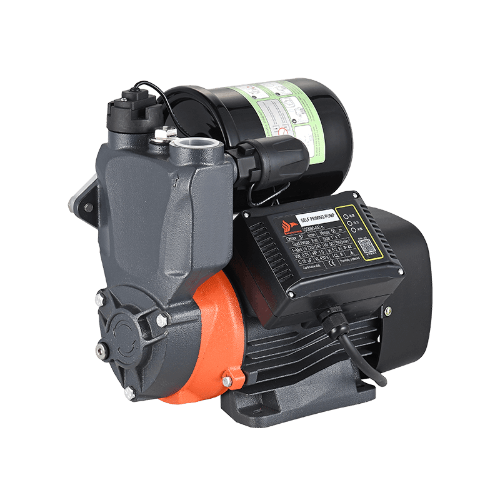
Installation conditions can also change over time. Pipe supports may move, connections may be disturbed, or nearby equipment may be relocated. A pump that previously operated steadily can therefore show different behavior after changes to its surroundings.
Which Pump Components Can Affect Priming and Flow
External conditions are only part of the picture. Internal components also influence how an Electric Self Priming Pump handles liquid and maintains its pumping process.
The impeller is involved in moving liquid through the pump. If its condition changes because of wear or contact with unsuitable material, the resulting pumping behavior may also change. The pump casing provides the space in which the liquid and air separation process takes place, so its condition is relevant as well.
Sealing components have another role. A sealing problem can allow liquid to escape or air to enter, depending on where the issue occurs. This may appear as a pumping problem rather than an obvious component defect.
Valves and related parts can also affect how liquid remains available to the suction side, particularly in installations where liquid needs to remain in a particular section of the piping after shutdown.
When investigating a change in performance, it is useful to consider several components together instead of replacing one part without checking the surrounding conditions.
What Maintenance Checks Help Keep Pump Performance Consistent
Routine checks can help identify changes before they develop into a larger operating problem. The focus does not need to be limited to the pump body. The suction line, liquid source, motor, connections, and internal components all form part of the working arrangement.
Before starting the equipment, basic checks can include the condition of the suction connections, the availability of liquid, and any visible changes around the pump. During operation, unusual sounds, vibration, leakage, or changes in flow can provide useful clues.
After maintenance, particular attention should be given to anything that has been removed or reconnected. A small change in the suction line can affect priming, while a disturbed sealing surface can create an air-entry problem.
A simple inspection sequence can help keep troubleshooting organized:
- Check the liquid source and its current condition.
- Inspect the suction connections for possible air entry.
- Observe whether the pump completes its normal priming process.
- Compare the current flow behavior with the expected operating condition.
- Inspect accessible components for visible wear or damage.
- Check the motor and surrounding equipment for unusual operating signs.
These checks help separate problems caused by the installation from those associated with the pump itself. When the equipment is maintained as part of the complete pumping arrangement, changes in operation are easier to trace and address.
Contact Us
Your email address will not be published. Required field are marked*


- Tel: +86-0576-89933666
- Mob: +86-18608118888
- FAX: +86-0576-89933668
- Email: [email protected]
- Add: Building 13, Zeguo Electronmechaical Entrepreneurship Park, Wenling City, Zhejiang Province, China
Please contact us and look forward to happy cooperation with you.
Copyright © Taizhou Shanying Pump Co., Ltd. All Rights Reserved.
 China Pump Supplier

